25 Years Later, It’s Still Hard To Top One of Paul Thomas Anderson’s Most Surreal and Very Best Movies
Dec 25, 2024
If pressed to reveal their favorite Paul Thomas Anderson movie, or, rather, which one they consider their truest masterpiece, our readers would certainly have no shortage of amazing movies to pick from. After all, Anderson is, by far, one of the most artistically interesting names in our current cinematic landscape, directing sometimes divisive, but always impactful movies that range from Boogie Nights to Phantom Thread. And that’s not to mention his beautiful music videos. With choices as different as Boogie NIghts, There Will Be Blood, Phantom Thread, and Licorice Pizza, it can be pretty hard to make a definitive choice. Still, many wouldn’t blink an eye before going with one of Anderson’s earlier films, a curious tale about loneliness, forgiveness, and death titled Magnolia.
Magnolia is a movie that made waves when it first came out. Critically acclaimed, it was called “a great, joyous leap into melodrama and coincidence, with ragged emotions, crimes and punishments, deathbed scenes, romantic dreams, generational turmoil, and celestial intervention, all scored to insistent music” by Roger Ebert, who, both at the time and then again in 2008, gave it four out of four stars. Nominated for three Academy Awards — Best Actor in a Supporting Role for Tom Cruise, Best Original Screenplay for Anderson himself, and Best Original Song for Aimee Mann’s “Save Me” — the film walked out of the ceremony empty-handed. Nevertheless, it is fondly remembered by most of those who watched at the time, even though some consider it a bit bloated or too melodramatic. Hey, there’s no pleasing everyone, right? But, 25 years later, how does the film fare? How does it hold up against the relentless passage of time?
‘Magnolia’ Is a Collection of Beautiful Tales About Loneliness
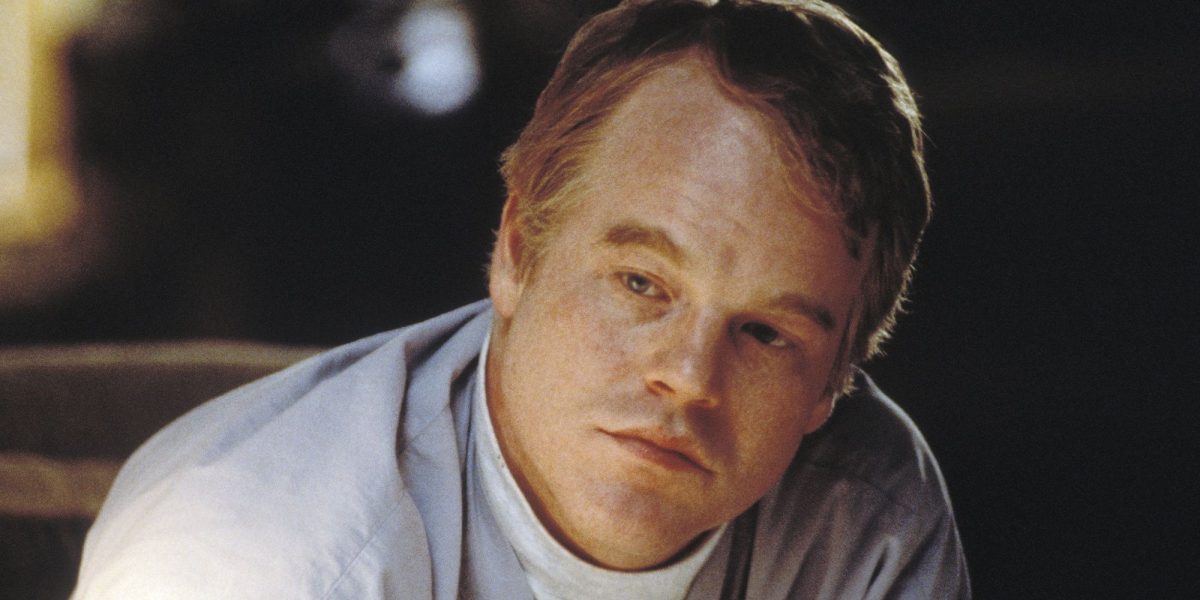
Image via New Line Cinema
A quarter-century after its release, Magnolia holds up incredibly well. Sure, some moments feel too on-the-nose, and some characters are less sympathetic than they probably should be, but Anderson’s third movie is still a beautiful tale about being, at the same time, lonely and forcefully connected to other human beings. The story – or, perhaps, stories – follows a group of nine people whose lives are knitted together in an odd tapestry of coincidences. And, yet, these people are left to fend for themselves as the world, even their loved ones, turns its back on them.
In this ensemble drama, there’s a game show host named Jimmy Gator (Philip Baker Hall), who is trying to get back in touch with his estranged daughter, Claudia (Melora Walters), after finding out he has cancer. At the same time, his producer, Earl Partridge (Jason Robards), is dying of the same disease while his trophy wife, Linda (Julianne Moore), tries to find a way to deal with her conflicted feelings and his nurse, Phil (Philip Seymour Hoffman) searches for Partridge’s own estranged son, a pick-up artist by the name of Frank T.J. Mackey (Cruise). In Partridge and Gator’s game show, What Do Kids Know?, Stanley (Jeremy Blackman), a timid boy genius, tries to assert himself as his wishes are ignored both by his father and his on-set caretaker. Meanwhile, Donnie Smith (William H. Macy), a former boy-genius robbed blind by his parents, looks for love in all the wrong places as his fame fades and his job is taken from him. Also looking for love is John C. Reilly’s Jim, an LAPD officer so shunned by his corporation that he doesn’t even have a partner.
Related
This Ridley Scott Epic Topping Apple TV+ Charts Was Quietly Re-Written by Paul Thomas Anderson
“It turned into a lot of fun.”
As the movie starts, we are assured by the narrator that these are all coincidences. Or are they? Maybe there’s something else, something more mystical, bringing these people together. And, in the end, they will all find company in one way or another in each other’s arms. Well, all except for one, whose crimes are just too heinous to be forgiven. With a script that can often be exaggerated and excessively affected — a moment in which Hoffman’s Phil references being in a dramatic movie scene as he is, well, in a dramatic movie scene comes to mind as particularly egregious — the movie is elevated by its earnestness and the amazing performances delivered by its cast. Released just a few years after Anderson’s father’s own death by cancer, Magnolia doesn’t hold anything against its characters: the movie loves everyone, even the most despicable, equally, and seems genuinely concerned with things such as the wrong-doings of fatherhood and how, or if, they can be mended. With his intimate shots, Anderson is never cynical towards his characters, nor does he force them to go beyond the range of human emotion to make us cry. Instead, if we feel some discomfort from watching them, it is only because of how ordinary they feel in their despair.
‘Magnolia’ Is Elevated by Its Fantastic Performances
As far as the performances go, one that deserves a higher level of praise is Cruise’s. As Mackey, an uber-misogynistic pick-up artist who profits from the loneliness of those who desperately seek his books and classes, he’s the emotional core of the film. Extremely charismatic, as a character like his should be to draw attention to himself, Cruise makes us feel for him even though, in his first few moments on screen, he can’t elicit anything besides hate and disgust. As we learn about his life, we suffer for him and start to understand him as human, a feeling that we can’t help but feel a tad uneasy with, as our era of incels and life coaches proves to be more cruel than anyone ever thought it could be. Still, Mackey also seems like a relic of a time gone by, a time in which we still sought connection instead of simply the death of those we see as less.
Young Blackman is also extraordinary in Magnolia. Caught between much more experienced actors, some of whom are playing mere background characters, such as Luis Guzmán and Miriam Margolyes, Blackman holds his own beautifully as a boy forced to grow a lot faster than nature would have him and to quickly turn his one source of pleasure into his family’s livelihood. His shame as the unthinkable happens to him on national television is palpable, and so is his sorrow as he realizes just how disposable he is for those that he holds dearest.
Macy and Moore also deserve to be commended for their roles, though the material they are given to work with is much flatter. While Macy’s Donnie suffers and rages against a world that wants to see him and his legacy gone, Moore’s Linda tries to balance her motives for marrying her husband with the true feelings she developed for him throughout his disease. Both actors embrace the melodrama in which their characters are inserted with finesse, with Moore in particular being a powerhouse of the genre. Alongside Melora Walters’s Claudia, her character is one of the least developed in the film, but she still makes it work.
‘Magnolia’ Tries Too Hard to Drive Its Message Home
There are only two things that don’t quite work in Magnolia. The first one is how hard the movie tries to drive its message home in its final scenes, more specifically in the now-famous frog rain. Multiple billboards shot in the streets point to a passage of Exodus about letting go lest you want to be plagued by frogs, but if you don’t want to do your Googling, John C. Reilly’s Jim will explain everything to you in his monologue. It feels like too much of an effort to drive home a point that viewers should get from the rest of the film.
The other thing that doesn’t quite work is John C. Reilly’s Jim himself. Now, let’s be frank, it’s not like the LAPD had a stellar reputation back in the ’90s, but the way we have come to see our police forces over the past few years makes his character feel more abusive than endearing. His courtship of Claudia looks a lot like harassment, and his initial scene with a stereotypical angry Black woman is hard to digest. In the end, a character that should hit us as the one kind soul trying to do good for the world becomes a delusional part of the problem.
Finally, no review of Magnolia would be complete without a mention of the beautiful soundtrack created by Aimee Mann for the film. The cherry on top of the cake is, of course, not her gorgeous Oscar-nominated song “Save Me”, but the even more heartbreaking “Wise Up”, which the characters sing in a montage that would feel tacky if it wasn’t so heartfelt. And, when we really look at the movie, that’s what Magnolia has going for it: the film wears its heart on its sleeve, and it’s hard not to fall for a work of art so brutally honest.
Magnolia is available to rent on Amazon in the U.S.
With great performances and an even better soundtrack, ‘Magnolia’ wins us over with its earnestness.
Pros
The performances, particularly Cruise’s, Moore’s and Flynn’s, elevate the movie.
The film is so earnest that it is hard not to fall in love with it even in its tackiest moments.
The soundtrack created by Aimee Mann is absolutely heartbreaking.
Cons
‘Magnolia’ doesn’t seem too interested in its female characters.
Anderson tries too hard to drive the movie’s point home.
John C. Reilly’s character seems more off-putting than charming in retrospect.
An epic mosaic of interrelated characters in search of love, forgiveness and meaning in the San Fernando Valley.
Release Date
December 10, 1999
Director
Paul Thomas Anderson
Runtime
188 minutes
Main Genre
Drama
Writers
Paul Thomas Anderson
Expand
Watch on Amazon
Publisher: Source link




‘Dutton Ranch’ Trailer Reveals ‘Yellowstone’ Sequel Release Date
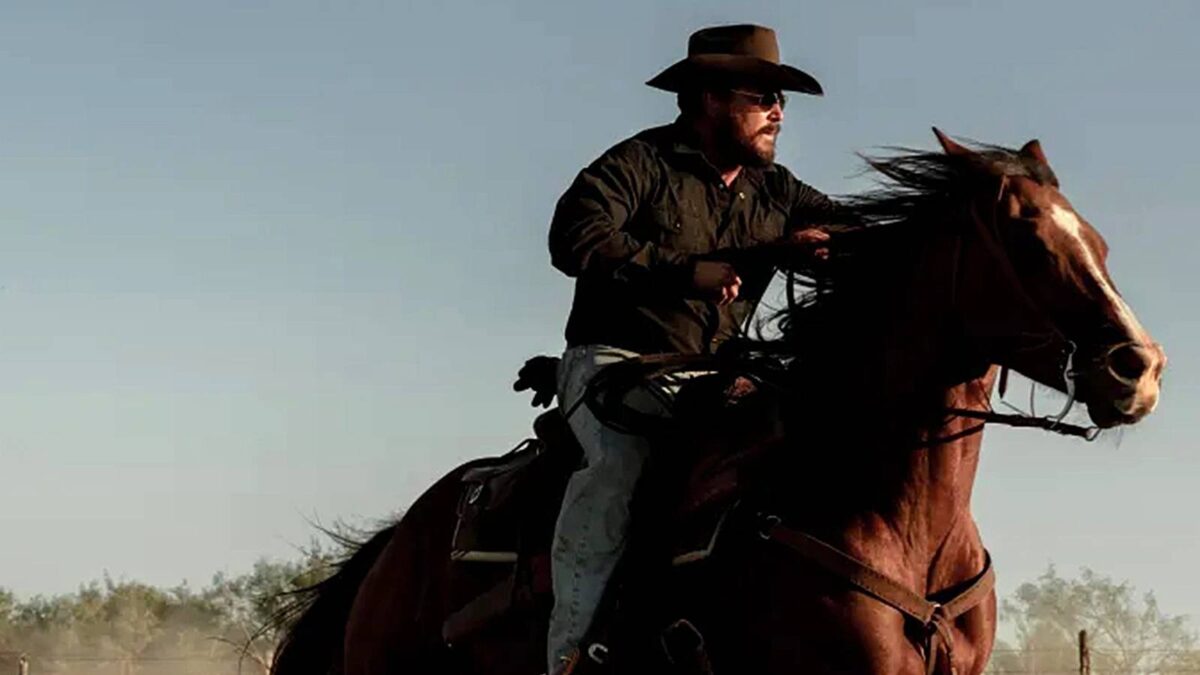
Rip Wheeler and Beth Dutton gamble everything on a new life in South Texas in the first trailer for the Yellowstone spin-off, Dutton Ranch. The footage reveals all manner of gun fights, fist fights, explosions, galloping horses, and even mysterious…
Mar 24, 2026
Born Again’ Showrunners Detail How the Media Ties into Season 2
Marvel is fast approaching the release of Daredevil: Born Again Season 2, marking its second live-action Disney+ show of 2026. Bringing back Charlie Cox's Matt Murdock and Vincent D'Onofrio's Wilson Fisk, this season picks up where Season 1 left off,…
Mar 23, 2026
New ‘Wheel of Time’ Animated and Video Game Adaptations Are in the Works
Amazon might be finished with The Wheel of Time, but we haven't seen the end of the story when it comes to adaptations of Robert Jordan's bestselling high fantasy saga. Fans were left blindsided when Amazon abruptly pulled the plug…
Mar 22, 2026
‘Off Campus’ Teaser and Release Date Revealed by Prime Video
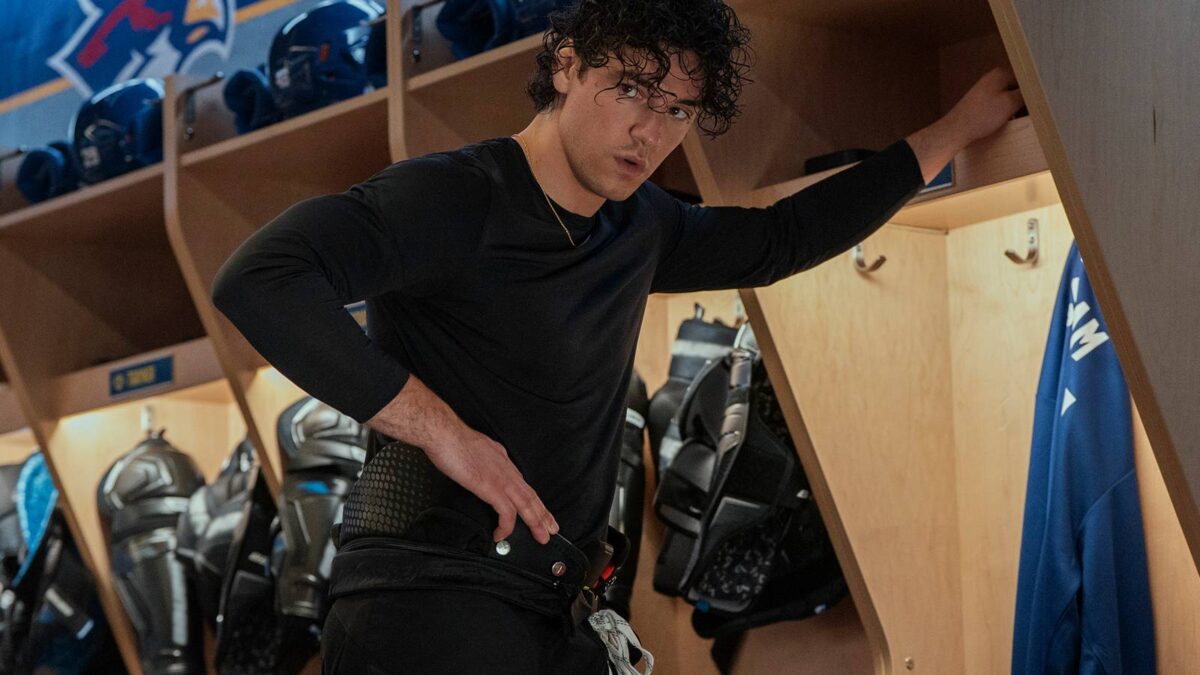
No one expected a love story between rival hockey players to become one of the most talked-about TV shows of 2025, but there's a lot more where Heated Rivalry came from, as a new teaser for Prime Video's foray into…
Mar 21, 2026