Guilty Conscience | Film Threat
May 1, 2023
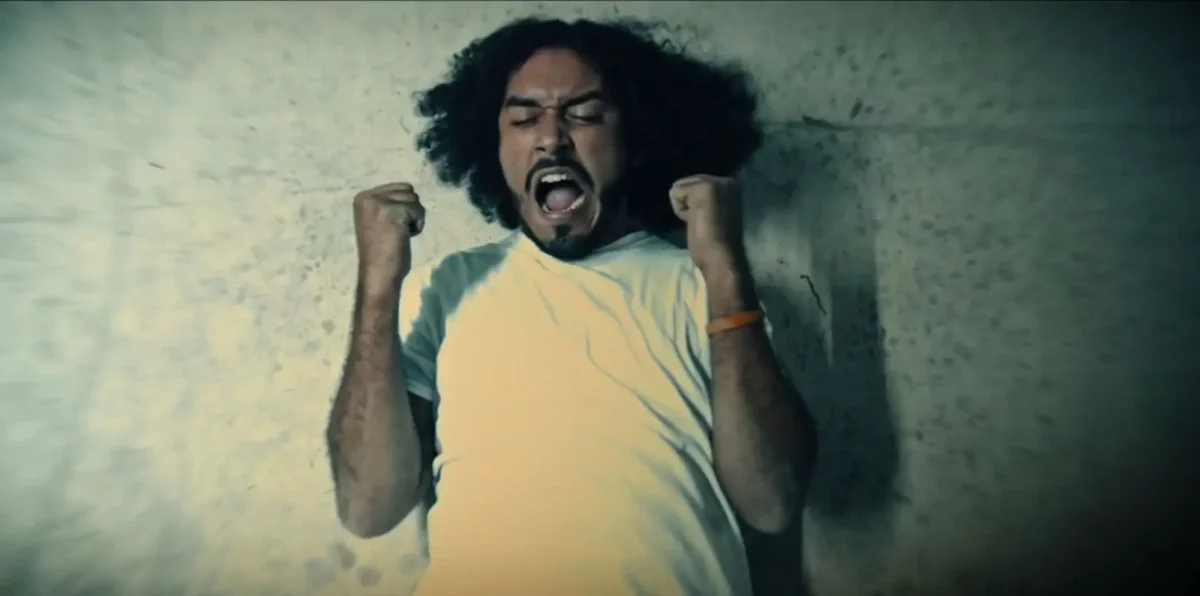
“Just forget about me, okay? Like you forgot about everything else.” These are the scathing words directed at James Winters (Giovanni Marine), the bemused and mentally unwell protagonist of Guilty Conscience, Gregg DaCosta’s unnerving psychological thriller/horror about the processing of trauma and the inability to confront reality because it’s just too painful and unfathomable.
DaCosta immediately implants the idea that James is an unreliable and anguished narrator, opening with a ground-level shot of James sleeping on the floor of a garage and then waking up in his bed. Was it all a dream or more like a nightmare? We aren’t sure, and James isn’t either. James phones his psychiatrist, Dr. Selene (Johanne Kesten), who arrives for a house session. During the session, James is once again transported to that garage; this time, he isn’t alone. A guy dressed as an orderly is demanding that James takes his pills, and James reacts aggressively. What is real? Well, what appears real is James’ relationship with his fiancé, Chanel (Asia Niema), who is trying to help him make sense of his surroundings. She is planning a birthday party for him, hoping to guide him back to some semblance of normality. But James continues to have episodes, which affects his relationship with Chanel.
“Was it all a dream or more like a nightmare? We aren’t sure…”
Through the immaculate editing by Patrick Flynn, James is plucked from one location and hauled to another in the blink of an eye. For example, James is about to open the garage door on one side, and a slick invisible cut takes us to James opening the door from the other side, distorting our sense of place as we’re now in the doorway of a brightly lit bedroom. Since we’re watching the film unfold through James’ eyes, there is no way of knowing if what we’re seeing is a hallucination manifested by his crippling anxiety and trauma.
So many films have featured a protagonist losing their grasp on reality (from big-budget movies like Shutter Island to small-budget affairs like You Go to My Head). But DaCosta upholds the suspense robustly with tightly framed compositions, smooth transitions, and intermittent leaps and gaps in time. These ingredients allow DaCosta to make a typical suburban house feel frightening and unreal. The garage, for example, is unusually moody. The minimal use of props and flickering, buzzing lighting renders the space into a psychological cell of James’ own making.
Publisher: Source link







Alan Ritchson’s New 8-Part Action Thriller Lands Solid RT Score While Dominating Streaming
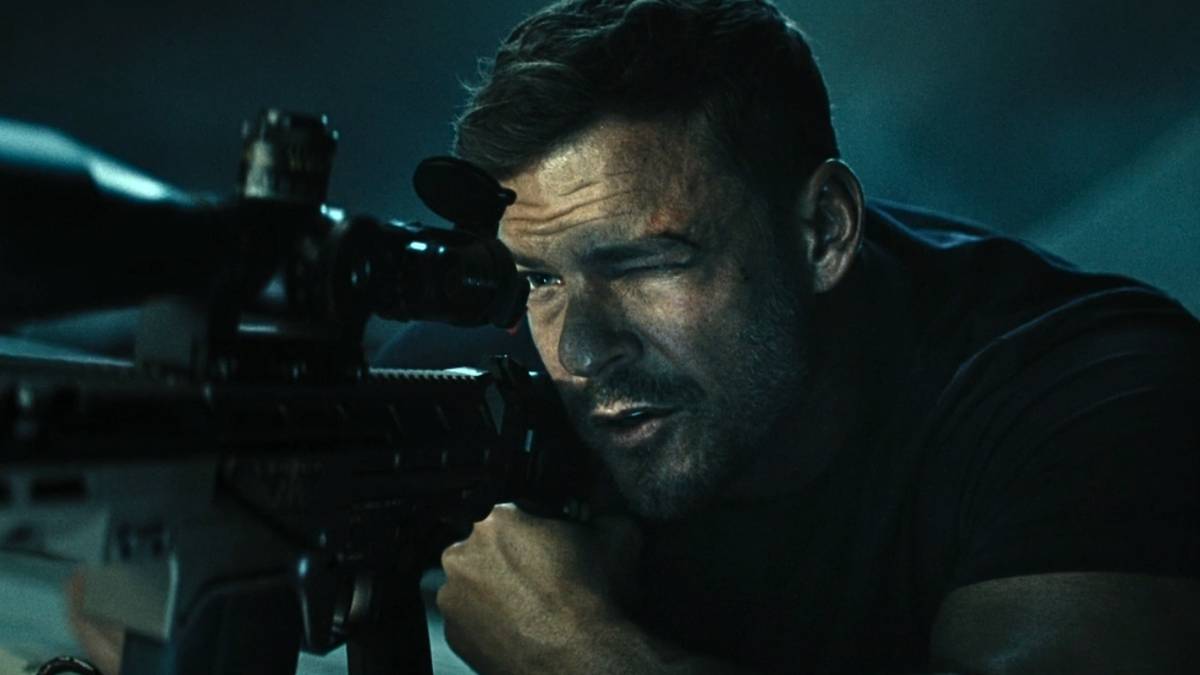
Alan Ritchson has, somewhat quietly, become one of streaming's more dependable stars, which is not necessarily where you would have expected his career to land back when he was doing Smallville supporting work and Blue Mountain State. Reacher turned him…
Sep 21, 2026
HBO’s Harry Potter Reboot Is Officially Ditching the Most Iconic Part of Daniel Radcliffe’s Era
This December, audiences will be transported back to the Wizarding world of Harry Potter. Of course, those born in the mid-to-late '90s will have fond memories of the movie franchise. Starring Daniel Radcliffe, Emma Watson, and Rupert Grint as Harry,…
Sep 20, 2026
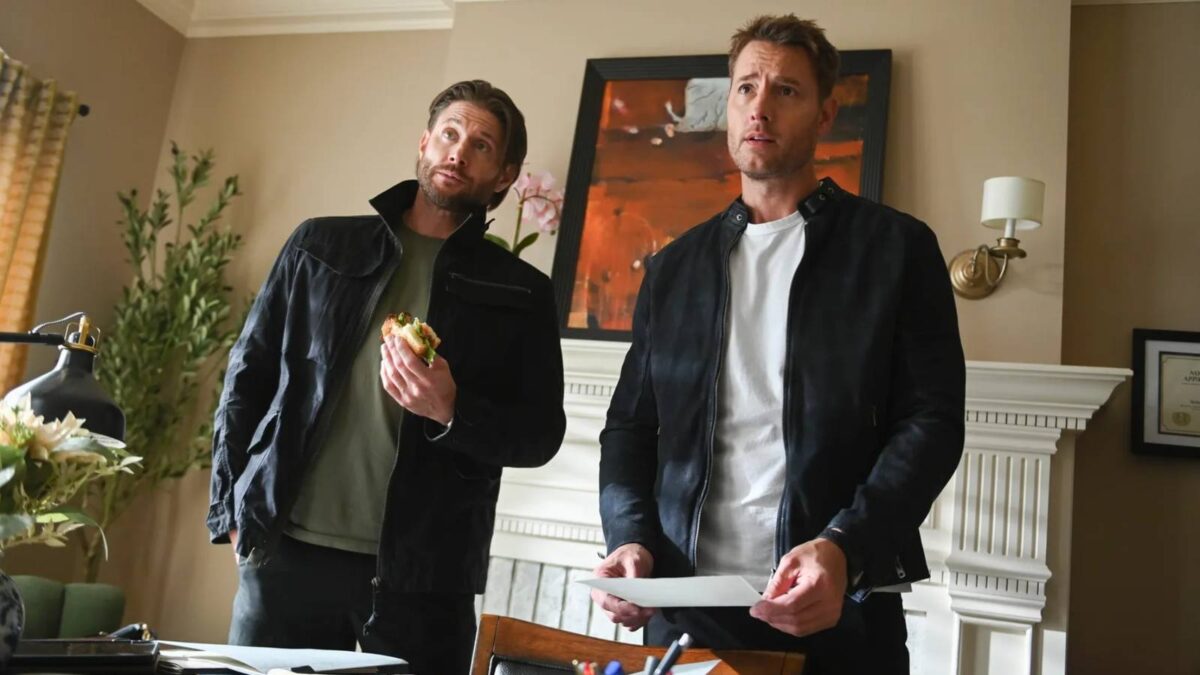
‘Tracker’ Season 4 Officially Puts Its Biggest Mystery on Hold Despite Major Cast Comeback
Our fictional missing persons expert, Colter Shaw (Justin Hartley), has kept audiences happily on the edge of their seats ever since Tracker debuted two years ago, and Season 3 in particular left audiences with quite a major cliffhanger — all…
Sep 19, 2026
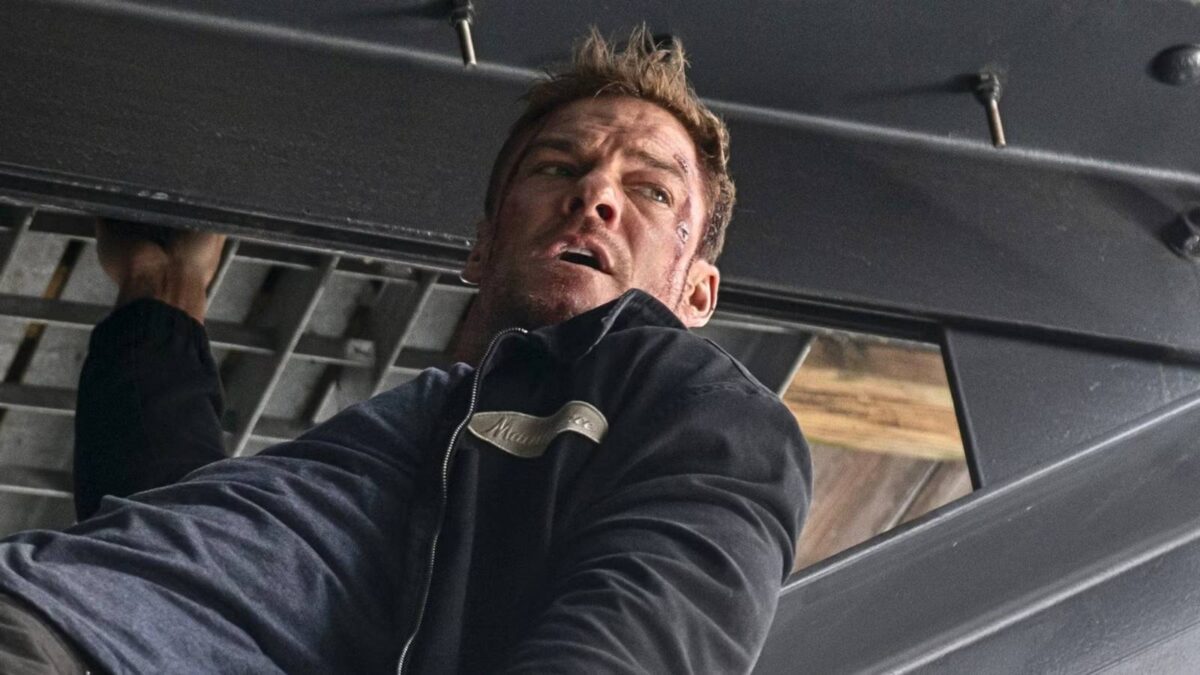
‘Reacher’s Action Thriller Spin-Off Gets Major Season 2 Update Following Premiere
For four seasons, Reacher has been one of the biggest TV shows on Prime Video. Based on the novels by Lee Child, the series follows former military police officer Jack Reacher (Alan Ritchson) as he wanders from place to place,…
Sep 18, 2026