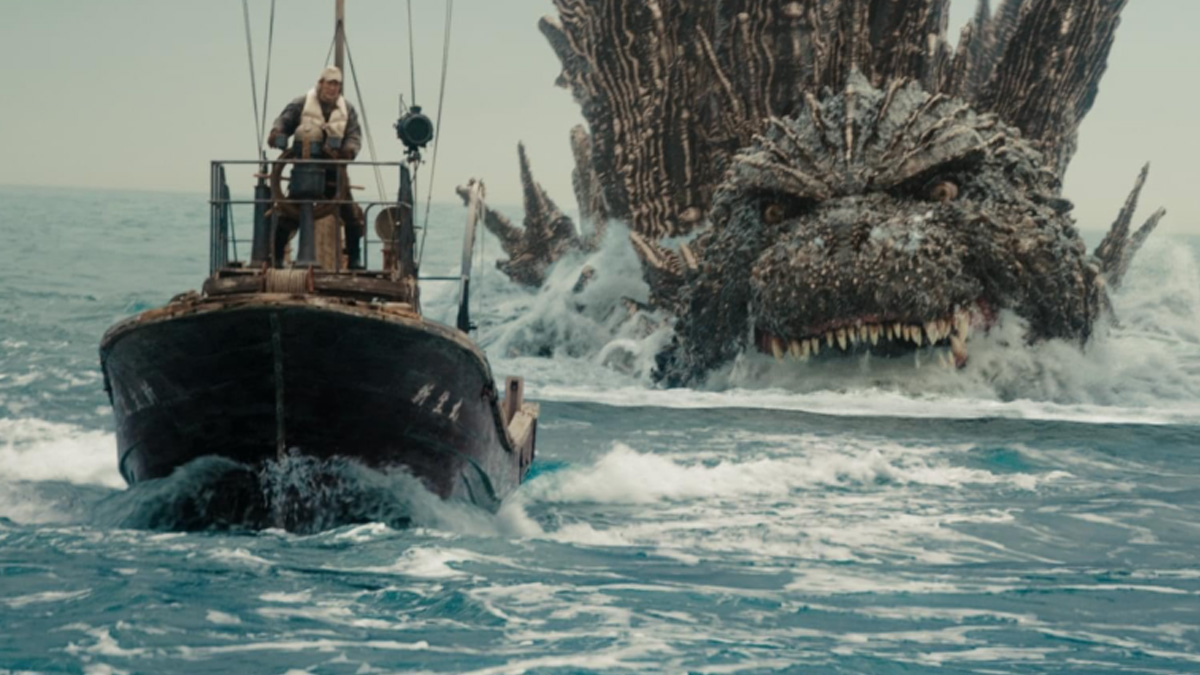
‘Godzilla Minus One’ Film review: A Supreme Spectacle of Monster Movie Excellence
Dec 5, 2023
All hail Yamazaki Takashi! The writer/director understands the essence of the Godzilla pictures, recognizing how the best of them were always more than just kaiju carnage. Set in the aftermath of World War II, and having something potent to say about the lasting effects of war, “Godzilla Minus One” roars into theaters and takes its place as not only one of the great monster movies, but the finest Godzilla film of them all.
70(!) years ago, the famous monster was born from Japan’s fears of nuclear warfare. Toho Studios has always desired to keep their creation alive and relevant, taking great care to assure Godzilla’s popularity is immortal. In today’s CGI-heavy cinema, it may be difficult for viewers under 40 to understand the sheer delight of seeing a man in a Godzilla suit lay waste to a Tokyo that is all miniatures and fighting other monsters that are obviously people in rubber suits. Although there was more humor found in the films as the years went on, the creators of the Godzilla pictures never saw them as silly and consistantly assured audiences they were in for an entertaining experience.
Director Ishirô Honda got the ball rolling with his classic 1954 original, going on to direct a few more Godzilla entries and some of the other kaiju spinoff pictures such as 1961’s “Mothra” and “Ghidorah, the Three-Headed Monster” from 1964. Through the decades, Japanese filmmakers such as Jun Fukuda, Koji Hashimoto, Takao Okawara, and Hideaki Anno have kept Godzilla’s title as “King of the Monsters” alive. In America, (with the exception of Rolland Emmerich’s 1998 travesty) directors Gareth Edwards, Michael Dougherty, and Adam Wingard have been working to keep things fresh with an updated series of films that are respectful to the originals and to the Godzilla legend.
With “Godzilla Minus One”, Yamazaki Takashi turns back the dial to the monster’s origins, adding to the creature’s myth while crafting a devastating tale of human kindness and forgiveness that becomes surprisingly moving.
After the bombings on Hiroshima and Nagasaki, “Godzilla Minus One” begins in 1945 as kamikaze pilot Kōichi Shikishima (Ryunosuke Kamiki) lands on Odo Island. Claiming his plane to be in need of repair, Shikishima does not wish to die in a wartime sacrifice of his life. This is a well-designed character who will come to learn how the weight of shame and guilt can be worse than dying, as many would brand him a coward. Shikishima soon finds the island is no more safe than the battlefield as a ferocious (and younger) Godzilla attacks, chomping and stomping through a platoon of soldiers with only Kōichi and Tachibana (Munetaka Aoki) left alive. This first attack is exciting and sets the tone for the mayhem to come. Godzilla smashes and devours men and machines with a savagery long missing from these films. The iconic kaiju has never been more monstrous.
Kôichi reaches his home only to find his family dead and his surviving neighbor shunning him for his cowardice. He meets a homeless girl, Noriko (Hamabe Minami), and an abandoned child named Akiko, who become a makeshift family for Kôichi. In a couple of years (1947) Kôichi has restored his house and is helping to raise Akiko, although his guilt prevents him from accepting Noriko as a life partner. As he says to more than one character, “My war isn’t over.”
Publisher: Source link





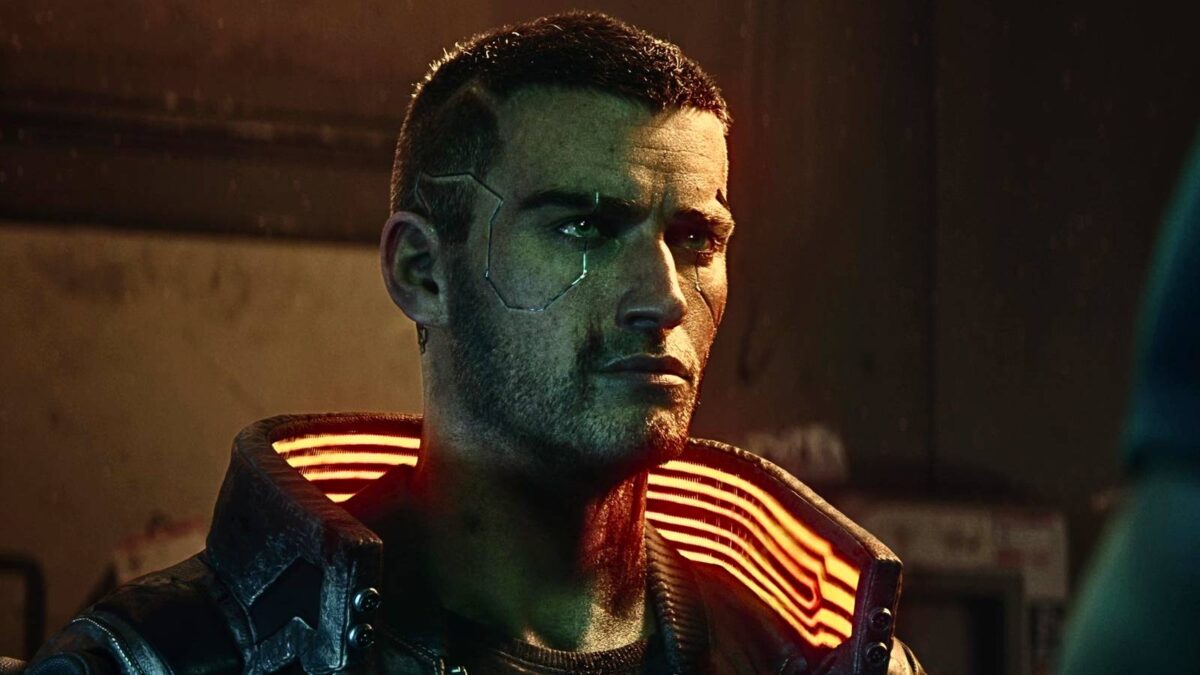
Netflix’s 100% Rated Sci-Fi Action Series Returns in First Look at Season 2
One of the best video game adaptations of all time is officially back. Netflix is hard at work on a second season of its most critically acclaimed sci-fi action series, and fans can now get a sneak peek at one…
Jun 24, 2026
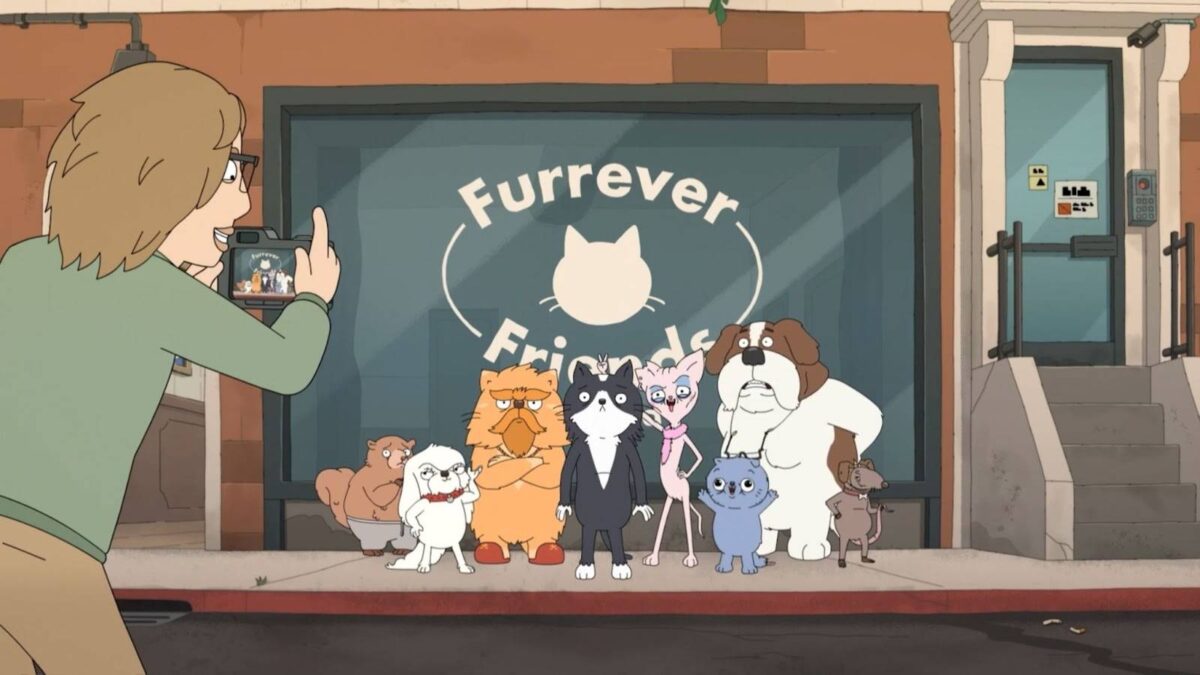
Prime Video Cancels Star-Studded, R-Rated Sitcom ‘Kevin’ After One Season
Amazon Prime Video Amazon has canceled Kevin, an adult animated sitcom about a neurotic tuxedo cat (Jason Schwartzman) who moves out on his own after the human couple who takes care of him breaks up. Finding life on the streets…
Jun 23, 2026
HBO Slashes Subscription Costs For New & Existing Users
Over the last few years, Warner Bros. Discovery has held a spot amongst the biggest streamers in the world with its work on HBO Max, even considering the litany of changes that have been made. Famously, this service has switched…
Jun 22, 2026
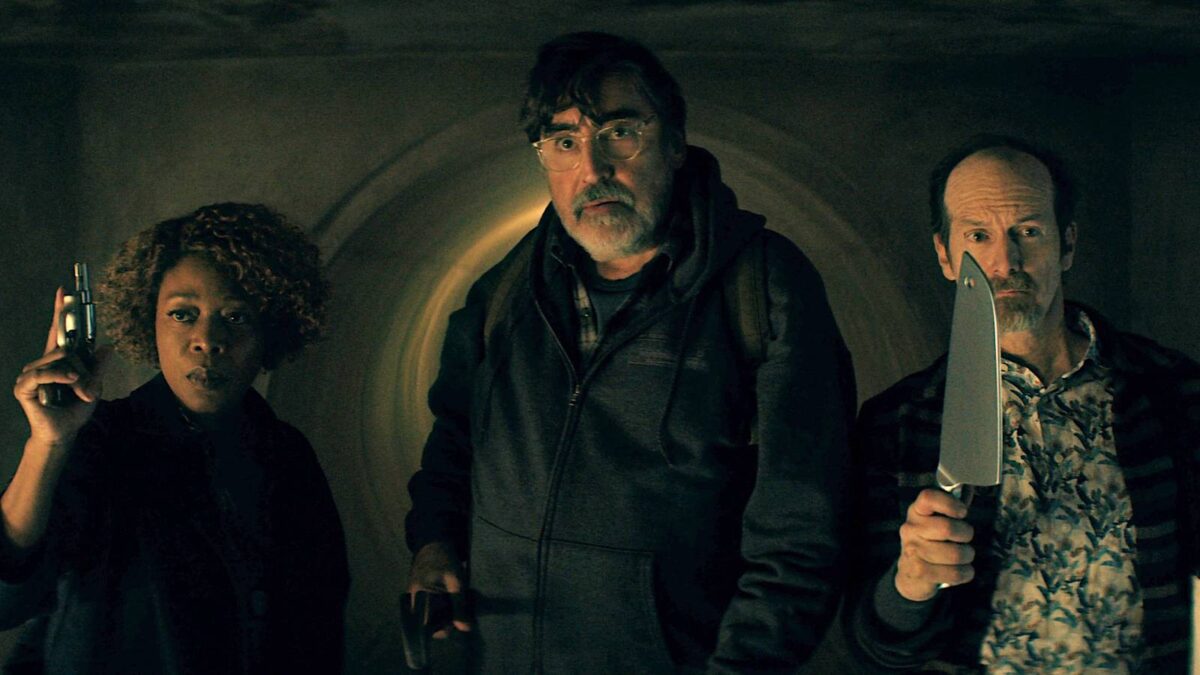
Why Netflix Canceled Sci-Fi Hit ‘The Boroughs’ After One Season
Streaming hits don't usually get canceled mid-victory lap. A show lands, the reviews glow, it climbs the Nielsen charts, and a renewal starts to feel like a formality, right up until the studio makes a decision. That's what just happened…
Jun 21, 2026