
Bruno Dumont’s ‘The Empire’ Strikes at 74th Berlinale
Feb 19, 2024
The 74th Berlinale’s Competition offers a science fiction film, which forms part of the Bruno Dumont Cinematic Universe. L’Empire or The Empire is as entertaining as it is bizarre with cathedral-shaped spaceships and light sabers appearing in the Opal Coast.
Bruno Dumont apparently travelled to a galaxy far, far away to write the script for The Empire that celebrates its terrestrial premiere at the Berlinale and hopes to beam up a Golden Bear to his mothership. The film is a delightful oddity, that incorporates aesthetics and ideas from early David Lynch, early Jean-Luc Godard and… early Bruno Dumont. The Empire includes characters, actors, themes and even types of shots from his older films, offering cinephiles bespoke entertainment which, if we’re honest, arthouse cinema rarely has on its menu.
The story is set in a fishing village in the north of France, which becomes the arena of an ultimate battle between good and evil for the soul of men, triggered by the birth of baby Freddy (trivia: what was the name of the main character in Dumont’s debut The Life of Jesus?). These opposing forces, called “1” and “0” respectively, snatch human bodies and fight each other using lightsabers or their own sensuality. They give regular reports to their rulers, who have shapes of orb (“1”) or blob (“0”), and inhabit church-shaped and Versailles-shaped spaceships. There is also a rather realistic, mundane layer of the film, that observes daily and family life in a small rural community.
The Empire starts with an iconic Dumont-esque shot of the cloud-covered sun, followed by a mundane phone conversation featuring a local beauty (Lyna Khoudri). Soon one of leading characters, fisherman Jony (Brandon Vlieghe) reveals his true identity – he is a “0” and wants to make sure that baby Freddy is safe and that “1” are finally defeated.
As the film unravels, and we dive deeper into the realms of the good and the evil, The Empire starts to feel both like a self-pastiche and the director’s rendition of a superhero genre – a chapter of the Bruno Dumont Cinematic Universe. The narrative is precise, deliberate and the film isn’t a simple or pretentious gesture of anger, a protest against the mainstream cinema, flooding the screening rooms and snatching global attention. There is an ever-present self-distance in the film, tempered by a feeling of pure joy derived from conceiving and crafting this story.
The Empire strikes back as a statement that a skilled director can work within every genre they like and stay close to their artistic DNA, as long as they have one, of course. There are so many hilariously weird scenes in the film, like Fabrice Lucchini who plays an incarnation of Beelzebub dancing in a weird XVIII century-style costume or a church landing on French ground from outer space. Yes, at some point Dumont thought of cinema as a secular equivalent to religion, now it’s apparently a vehicle to have fun and laugh in these dark times. The force is still strong with this one.
About the Author
The co-founder and editor-in-chief of Polish Film Magazine, a member of FIPRESCI and the European Film Academy, Ola Salwa currently works with Cineuropa.org, Polityka, and heads industry events at the Polish Film Festival in Gydnia.
Publisher: Source link





Prime Video Cancels Star-Studded, R-Rated Sitcom ‘Kevin’ After One Season
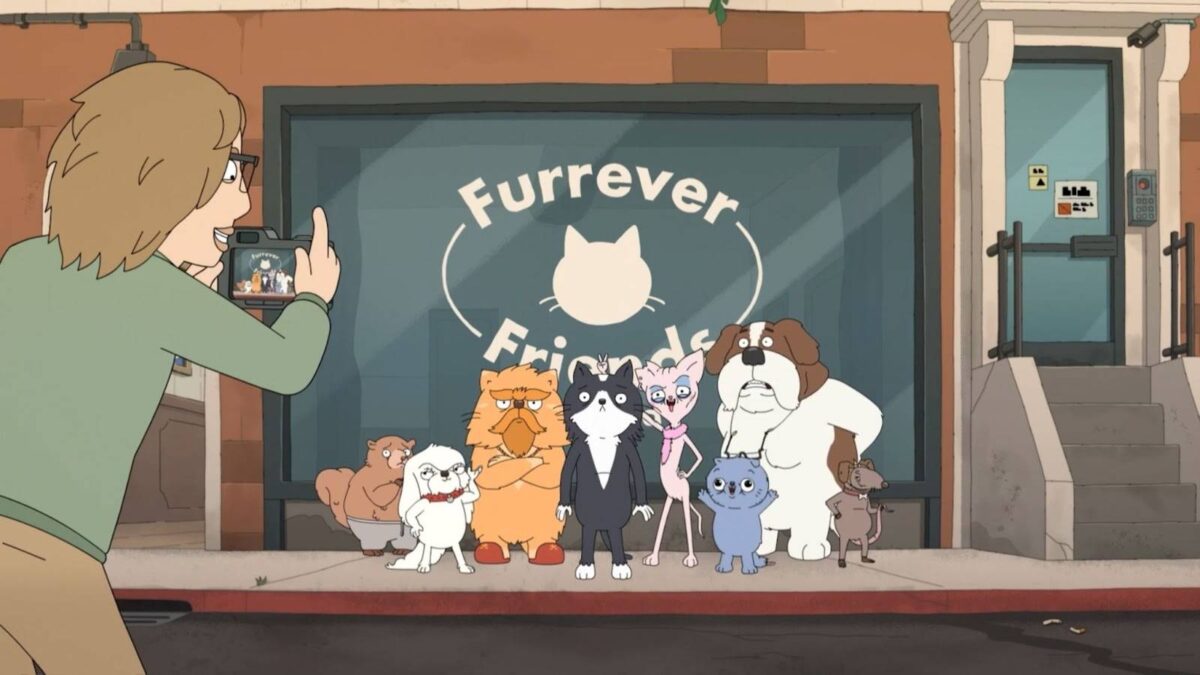
Amazon Prime Video Amazon has canceled Kevin, an adult animated sitcom about a neurotic tuxedo cat (Jason Schwartzman) who moves out on his own after the human couple who takes care of him breaks up. Finding life on the streets…
Jun 23, 2026

HBO Slashes Subscription Costs For New & Existing Users
Over the last few years, Warner Bros. Discovery has held a spot amongst the biggest streamers in the world with its work on HBO Max, even considering the litany of changes that have been made. Famously, this service has switched…
Jun 22, 2026
Why Netflix Canceled Sci-Fi Hit ‘The Boroughs’ After One Season
Streaming hits don't usually get canceled mid-victory lap. A show lands, the reviews glow, it climbs the Nielsen charts, and a renewal starts to feel like a formality, right up until the studio makes a decision. That's what just happened…
Jun 21, 2026

Netflix’s Action Adventure Series Returns for One Last Ride in Season 5 Trailer
The final season of Outer Banks is only a couple of months away, and Netflix has celebrated its imminent release with a brand-new trailer. This next batch of episodes will serve as the farewell for The Pogues. Outer Banks season…
Jun 20, 2026