
‘Evil Does Not Exist’ Film Review: Moral Lessons in Mother Nature
May 16, 2024
Opening with a Terrence Malick-like tracking shot through a forest with the camera looking up through the trees and into the cold winter skies, writer-director Hamaguchi Ryûsuke’s Evil Does Not Exist sets its tranquil yet cryptic tone. As the credits play over the imagery, the visual perfection of the moment becomes unsettlingly intimate. So begins Ryûsuke’s calculated eco/moral parable.
Set in a rural village outside of Tokyo, we are introduced to an eight year old girl named Hana (Nishikawa Ryo) and her widower father, Takumi (Hitoshi Omika), a woodcutter who breathes in unison with the energy of the forest. As an ethereal symmetry connects the man, his daughter, and the land, father and daughter walk through the woods talking of the types of trees and plant life they see. The screenplay reveals Takumi to be a responsible and respectful caretaker of the nature that surrounds him; these early moments setting the rhythms of Ryûsuke’s tale.
Takumi’s community discovers a big company is planning to install a vacation resort in the area. This announcement brings with it the promise of calamitous environmental consequences regarding the land and its water. One of the film’s finest scenes is a town hall meeting where Hamaguchi introduces the community as they meet with the representatives trying to sell their project to the local citizens. Each resident gets time to express their concerns, as the director allows the audience to connect to their genuine emotions.
The two reps, Takahashi (Kosaka Ryuji) and Mayuzumi (Shibutani Ayaka), are not the stereotypes one would expect. Both characters are written and performed sympathetically; neither person happy about their current assignment, as they (and the company that employs them) are ignorant to the ways of the region. Both Takahashi and Mayazumi actually hear the concerns of Takumi’s fellow residents. It is interesting how Hamaguchi’s screenplay allows the film to follow the two back to Tokyo where they plead for their bosses to respect the wishes of the locals. As the two drive back to see Takumi, the characters are humanized and the audience sees the kind hearts inside them. These people are much more than corporate lap dogs.
As Takahashi becomes entranced by the land and the purity of the people who live there, he announces his desire to become a resident. The film feels it may be moving towards a “soulful awakening/bonding” message, but Hamaguchi’s moral concerns are much deeper and more dramatic. The previous thematic connections begin to merge into a realization of the existence of random violence. Such is nature, such is man.
Eiko Ishibashi’s haunting score is the darkly ambient passenger to the film’s ever-changing emotional core, finding beauty and despair in each scene. Ishibashi’s compositions are hypnotic and color the intoxicating snow-covered imagery realized by cinematographer Yoshio Kitagawa’s masterful eye. His every shot leaves viewers with a range of conflicted emotions; the script never relying on one particular feeling. The landscapes are experienced as something quite beautiful, but the images are deceptively shot. At first, the quiet beauty is entrancing, but Hamaguchi’s intentions regarding the framing become a dramatic sleight of hand.
Publisher: Source link







Netflix’s 100% Rated Sci-Fi Action Series Returns in First Look at Season 2
One of the best video game adaptations of all time is officially back. Netflix is hard at work on a second season of its most critically acclaimed sci-fi action series, and fans can now get a sneak peek at one…
Jun 24, 2026
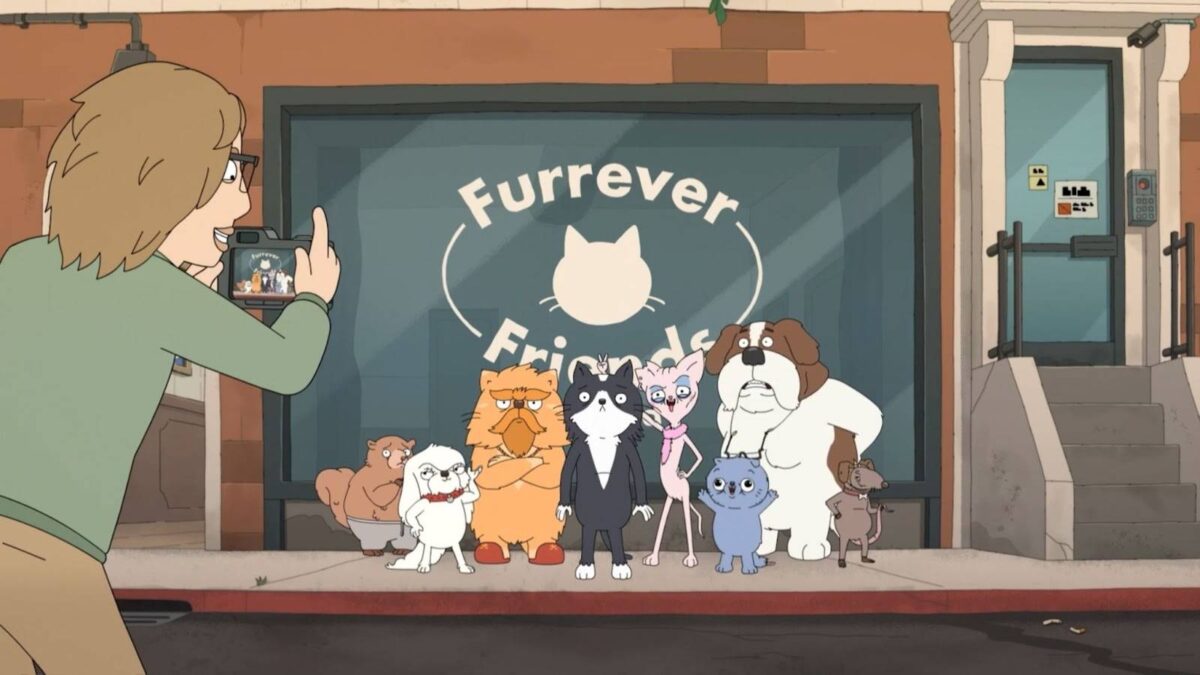
Prime Video Cancels Star-Studded, R-Rated Sitcom ‘Kevin’ After One Season
Amazon Prime Video Amazon has canceled Kevin, an adult animated sitcom about a neurotic tuxedo cat (Jason Schwartzman) who moves out on his own after the human couple who takes care of him breaks up. Finding life on the streets…
Jun 23, 2026

HBO Slashes Subscription Costs For New & Existing Users
Over the last few years, Warner Bros. Discovery has held a spot amongst the biggest streamers in the world with its work on HBO Max, even considering the litany of changes that have been made. Famously, this service has switched…
Jun 22, 2026
Why Netflix Canceled Sci-Fi Hit ‘The Boroughs’ After One Season
Streaming hits don't usually get canceled mid-victory lap. A show lands, the reviews glow, it climbs the Nielsen charts, and a renewal starts to feel like a formality, right up until the studio makes a decision. That's what just happened…
Jun 21, 2026