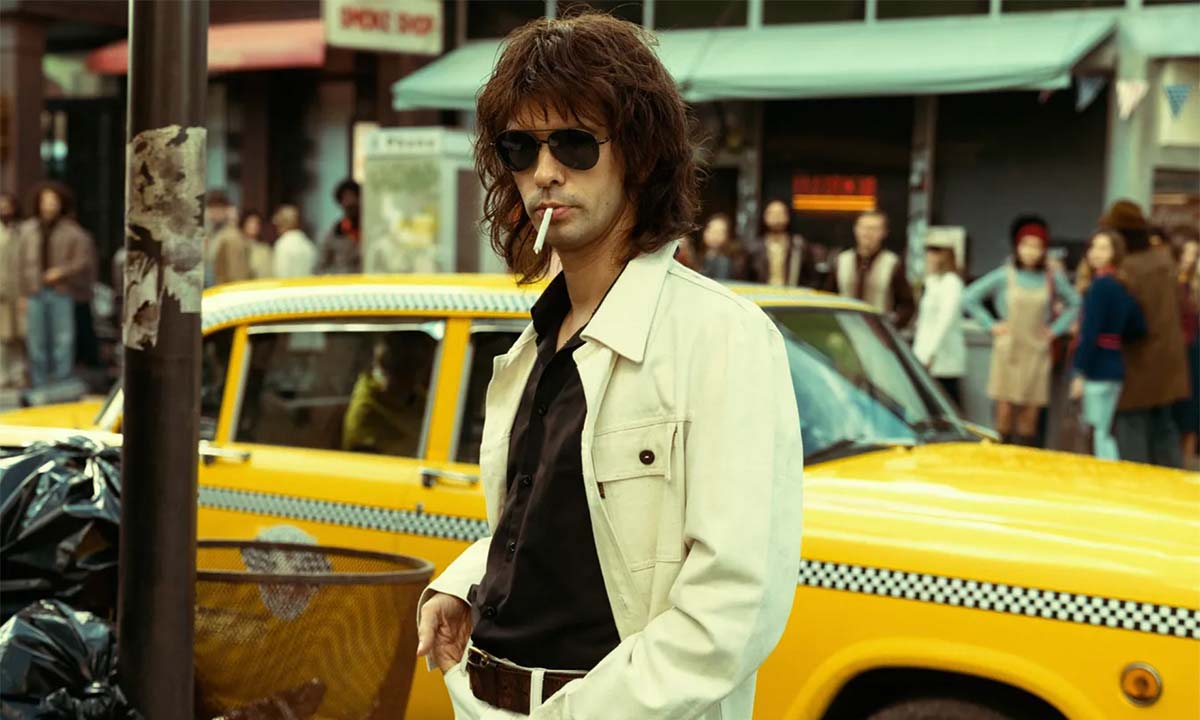
Ben Whishaw Channels The Controversial Punk Russian Poet [Cannes]
May 20, 2024
CANNES – Eduard Limonov was a complicated man. He was a poet, a novelist, and a political activist; at one point, a Russian dissident who lived in New York and Paris; he returned to his homeland to lead a fascist party that supported a return to an ideology closer to that of the former Soviet Union. His story is so expansive it could likely be chronicled in a 10-hour mini-series and still miss out on an outlandish or surprising period in his life. So, in some respects, the fact director Kirill Serebrennikov could fashion as much of Limonov’s journey in a 2-hour and 18-minute feature is worthy of minor recognition. It’s still disappointing that the end result, “Limonov: The Ballad,” left us wanting.
READ MORE: ‘Kinds Of Kindness’ Review: Yorgos Lanthimos’ twisted triptych on control and the human condition [Cannes]
Based on Emmanuel Carrère‘s 2011 biography “Limonov” and adapted by Serebrennikov, Ben Hopkins, and “Cold War’s” Paweł Pawlikowski (who had a history with the figure not depicted in the movie), the movie begins with Liminov (Ben Whishaw, quite good) as a struggling poet in Kharkiv in the late 1960s. He survives working in a factory while sharing his creative writing with his peers at night. After moving to Moscow, his pieces start to cause waves within the Communist Party. In a meeting with KGB agent Kuznetsov (Yevgeny Mironov), he’s given the chance to become an informant or go to jail. Limonov suggests another option: Send him to the West as a dissident and he’ll use that freedom to, essentially, crash the system.
In the film, Limonov moves to New York in 1974, where he falls in love with Yelena Shchapova (Viktoria Miroshnichenk). In real life, they married in Moscow in 1971 and immigrated together, but the movie, for better or worse, takes a lot of creative liberties with Limonov’s life. This is likely because the filmmakers refer to Limonov’s most notable and controversial work, “It’s Me, Eddie,” as inspiration.
Things are initially rough for Liminov in America. He is unable to find a job and signs up for welfare. Positioning himself as a radical, almost an anarchist, no one is interested in his writing even as dissident Russian authors are the en vogue in the New York publishing world. After Limonv chokes Yelena for cheating on him, she leaves him and our hero (if that’s what he is), falls into a deep hole of depression. He attacks strangers on the street, crossdresses as his ex, and, in a scene inspired by “I Am Eddie,” hooks up with a guy on the street, his first experience with gay sex. Serebrennikov ties a number of these moments together with a surreal inclusion of Lou Reed‘s “Walk on the Wild Side. It’s a little bit on the nose.
SIGN UP: Get the latest Reviews, Movie and TV News, and Interviews with The Playlist Daily Newsletter
Serebrennikov‘s strength as a filmmaker is his creativity. At one point in the movie, an absolutely excellent Manhattan street set is reconfigured as a one-shot sequence to show Limonov moving throughout the entire 1980s as history unfolds around him (Ronald Reagan’s assassination attempt, Glastnost, AIDS, etc.). And, in an absolutely meta moment, Whishaw then exists the outdoor set and finds himself wandering behind the backdrops as the Berlin Wall is about to fall. It’s a fantastically conceived and executed moment. The filmmaker also works with his visual effects team to incorporate Limonov just seamlessly enough into archival footage to give his depiction of rough and tumble 70’s New York City a sense of authenticity. Throw in Serebrennikov’s love of animated titles, and it often seems like the aesthetic takes precedence over the inherent themes of the story.
It’s clear to any student of history that Liminov was a man of many contradictions. He flipped from radical punk to comfortable capitalist to a contrarian apologist for the Soviet Union to the leader of a skinhead political party faster than you can imagine (y’know, Kirill, we could have explored that skinhead part a bit more). Despite his wild experiences in America, Liminov somehow became the poster child for Russians who wanted to return the country to an authoritative regime. It’s literally his legacy (feel free to check out his later years). But the movie never finds a way to explain these discrepancies. It doesn’t even attempt to. And considering Serebrennikov‘s own harrowing battles with a Russian legal system trying to silence him, it’s all a bit perplexing. But, hey, if the movie only serves as an appetizer for Liminov’s fascinating life, that’s something, I guess. [C]
Find complete coverage of the 2024 Cannes Film Festival,l including previews, reviews, interviews, and more, on The Playlist.
Publisher: Source link







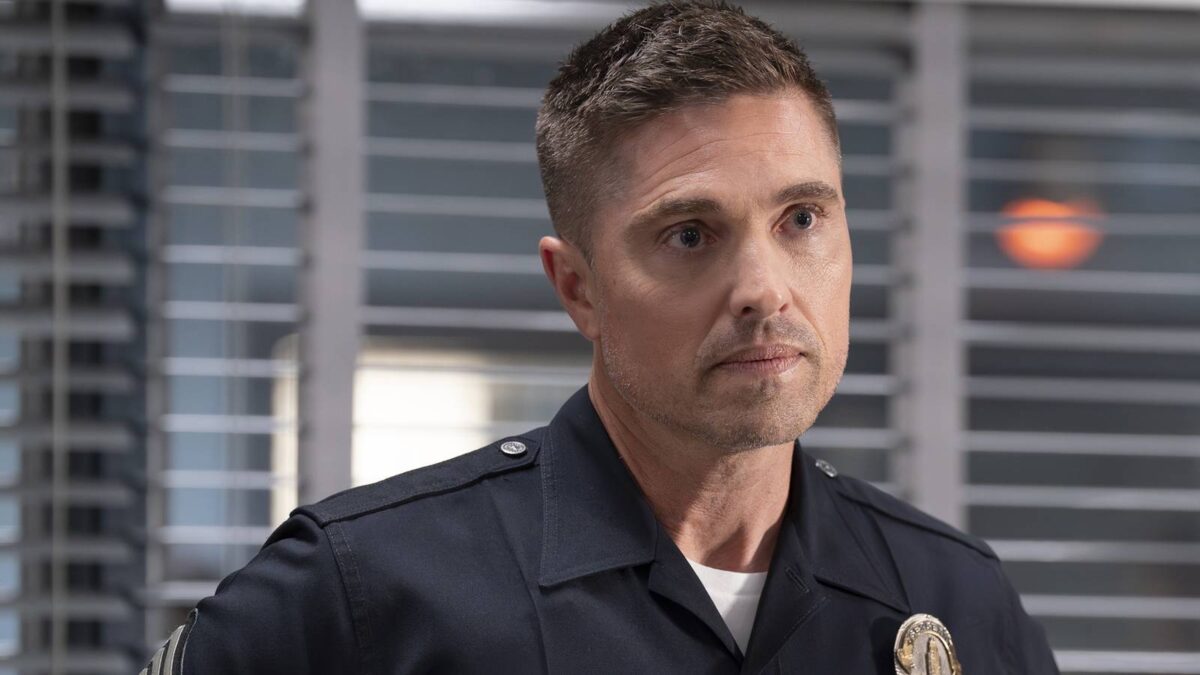
‘The Rookie’ Already Filmed a Series Finale To Prepare For Its Cancellation
The Rookie is one of the most popular procedurals ABC has aired over the past eight years. It was unsurprising that after ABC's highly popular series Castle ended in 2016, the network wanted to continue its working relationship with the…
Jul 31, 2026
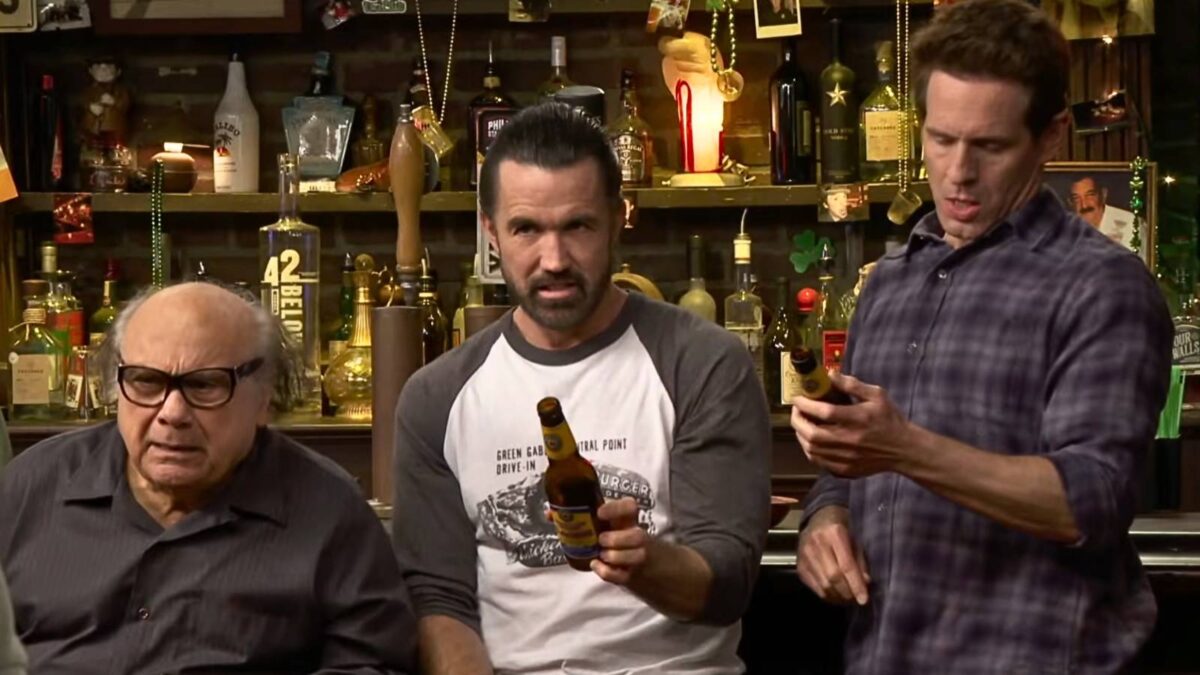
‘It’s Always Sunny in Philadelphia’ Finally Returns in First Season 18 Trailer
For over two decades, FX has enjoyed massive success and delivered countless laughs behind the team that makes It's Always Sunny in Philadelphia, one of the highest-rated sitcoms of the modern era. After releasing 14 hit seasons in consecutive years…
Jul 30, 2026

Nathan Fillion Confirms Current Status of Long-Awaited ‘Firefly’ Reboot
We can only imagine what could have been for TV shows that were cancelled too soon, many after just one season. Shows get canned for multiple reasons, but primarily because of declining ratings, high production costs, and network programming shifts.…
Jul 29, 2026

Netflix’s Best 10-Part Gothic Thriller Officially Getting New Remake
Netflix has been in the horror game virtually ever since the DVD rental service went all-in on streaming. Titles like House of Cards and Orange Is the New Black might have been the shows they used to highlight the platform's…
Jul 28, 2026