
Chiara Mastroianni Stars In A Meta Love Letter To Her Father [Cannes]
May 22, 2024
CANNES – The term “Nepo baby” gets thrown around a lot these days for reasons both justifiably good and bad. It’s one thing to be the daughter of a successful Hollywood actress and a popular comedy film director. It’s arguably even tougher to be the daughter of one of America’s greatest living actors. Now imagine you were the daughter of two of global cinema’s greatest acting legends. Effectively, if both Meryl Streep were your mother and father. That has been the lifelong burden of Chiara Mastroianni, the daughter of French icon Catherine Deneuve and Italian maestro Marcello Mastroianni. And while the younger Mastroianni has a decades-long, lauded career in her own right, she still has the weight of her parents’ success on her shoulders. And, she finds newfound freedom by taking the identity of her father (sort of) in “Marcello Mio,” a new film written and directed by her friend Christophe Honoré.
READ MORE: “The Substance” Review: Demi Moore and Margaret Qualley switch in a visionary twist on “Death Becomes Her” [Cannes]
Debuting at this year’s Cannes Film Festival, “Marcello” starts with Chiara (every actor plays a version of themselves except for one), recreating the iconic scene from her father’s film “La Dolce Vita” for a photo shoot. Made up as famous starlet Anita Ekeberg, Chiara is knee-deep in a public Parisian fountain as the difficult photographer keeps asking her to yell the famous line, “Marcello! Come!” Chiara is visibly frustrated as the water, wind machine, and blonde wig overwhelm her.
Cut to the next night where she awakens after having a dream where she sees her father’s face in the mirror instead of her own. When her mother, Deneuve, stops by, she finds her daughter wearing a scarf over her face because she really thinks it has transformed. Assured she’s fine, she begins to get ready for an audition while receiving some unsolicited advice from dear old mom. Frustrated Chiara zings, “When was the last time Catherine Deneuve have to audition for anything?” Clearly, Nepo baby or not, Chiara has never had it that easy.
SIGN UP: Get the latest Reviews, Movie and TV News, and Interviews with The Playlist Daily Newsletter
During a lengthy and unfocused audition alongside another French acting legend, Fabrice Luchini, director Nicole Garcia asks Chiara if she can just bring some “Mastroianni” to her performance. Taken aback, Chiara eventually takes it one step further. After venting with her ex-husband (and father of their son who is notably not in the movie), popular French singer Benjamin Biolay, she has an inspiration. She steals some of Benjamin’s clothes, sneaks out of his apartment, and attempts to walk the streets as a man. She doesn’t quite pull it off and the next day she meets up with her wig artist who helps her bring this new identity as “Marcello” to life.
Why she’s taking on this visage isn’t always clear. Is it an attempt to rekindle memories of her father who passed away almost 30 years ago? Is it a means to break out of a creative funk? A mid-life crisis? Or does she really seeing herself as Marcello in the mirror? Whatever the case, she has a pep in her step as the reactions of everyone in her social circle border on chaos. Well, most of them. Luchini goes overboard in his support, simply thrilled to work with his idol in any capacity. Childhood friend and teenage boyfriend, actor Melvin Poupaud is horrified and uncomfortably angry over it (even Deneuve can’t calm him down) while Biolay reacts with pretty much a collective shrug. And mom is a bit concerned. Especially after “Marcello” makes the cover of a French tabloid.
The only character not playing a fictional version of themselves is Colin (Hugh Skinner), a British soldier stationed in Paris (it’s a NATO thing, or so he says). Marcello comes upon Colin sitting on a bridge over the river Seine. Emotional, Colin has waited at the spot every night that summer hoping the love of his life, a French businessman, will meet him as promised. Marcello walks him back to his barracks attempting to comfort him and they agree to meet again. Colin seems to accept Marcello as Marcello and they form a bond that the film only wants to tease. Perhaps the relationship is Honoré‘s mechanism for exploring the possibilities of a new identity. Perhaps not. Whatever the case, exploring gender identity is the one aspect of the movie that probably needs to be explored in another film in and of itself.
When Marcello gets an offer to appear on an Italian television program they jump at the chance to return to Rome. Honoré then takes a movie that was already a love letter to the elder Mastroianni and film history and takes it to another level completely. And there is an echo of the previous “La Dolce Vita” moment that is both moving and utterly hilarious at the same time.
And while the cinematic moments and winks at French pop culture history will be nostalgic for many, it’s the bond between Deneuve and this new Marcello that resonates the most. At one point, the pair walks by the apartment Deneuve and her daughter rented when Chiara was a child (Deneuve raised her as a single mother). Throwing caution to the wind, Deneuve buzzes and asks if they can visit their former home (as Marcello snaps, “Who is going to say no to Catherine Deneuve?”). Time has passed. It’s different. Deneuve even bluntly tells the owner he’s ruined it. But they take a moment and Marcello pulls Deneuve to the ground and has her mother put her ear to the floor. Marcello can still hear their neighbor Maria Callas rehearsing the floor below them, can she? It’s a magical moment. A snapshot of art, culture, and family bonds from the people who were there. And it’s hard not to smile. It’s just bellissimo! [B+]
Find complete coverage of the 2024 Cannes Film Festival, including previews, reviews, interviews, and more, on The Playlist.
Publisher: Source link







‘The Rookie’ Already Filmed a Series Finale To Prepare For Its Cancellation
The Rookie is one of the most popular procedurals ABC has aired over the past eight years. It was unsurprising that after ABC's highly popular series Castle ended in 2016, the network wanted to continue its working relationship with the…
Jul 31, 2026
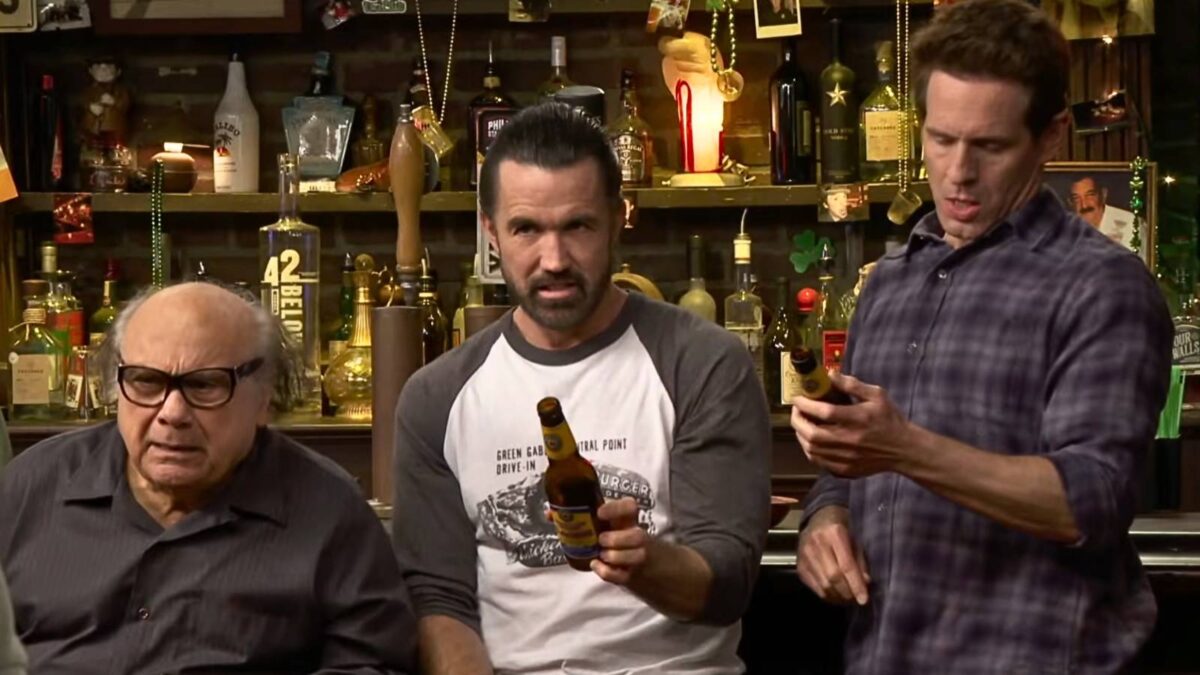
‘It’s Always Sunny in Philadelphia’ Finally Returns in First Season 18 Trailer
For over two decades, FX has enjoyed massive success and delivered countless laughs behind the team that makes It's Always Sunny in Philadelphia, one of the highest-rated sitcoms of the modern era. After releasing 14 hit seasons in consecutive years…
Jul 30, 2026

Nathan Fillion Confirms Current Status of Long-Awaited ‘Firefly’ Reboot
We can only imagine what could have been for TV shows that were cancelled too soon, many after just one season. Shows get canned for multiple reasons, but primarily because of declining ratings, high production costs, and network programming shifts.…
Jul 29, 2026
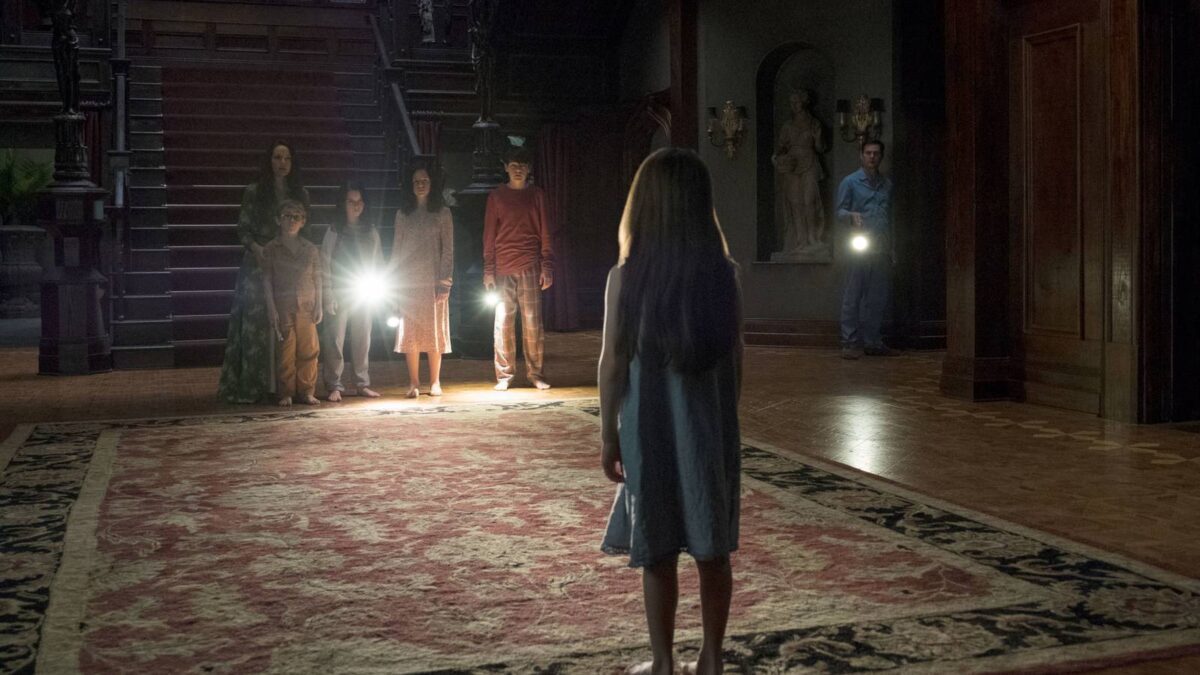
Netflix’s Best 10-Part Gothic Thriller Officially Getting New Remake
Netflix has been in the horror game virtually ever since the DVD rental service went all-in on streaming. Titles like House of Cards and Orange Is the New Black might have been the shows they used to highlight the platform's…
Jul 28, 2026