Coyote Woman Featured, Reviews Film Threat
May 25, 2024
The best thing about Coyote Woman is also the worst thing about the gritty western: the fact that it’s an independent production. Writer-director Stefan Ruf and co-writer John Herndon go all out on the brutal violence, abhorrent nature of the baddies, and the real dangers of living during the time of six shooters and scalpings. But it also means no producer notes, so the filmmakers also go all out on the runtime, with the film clocking in at 110 minutes. Unfortunately, the finished product does feel that long.
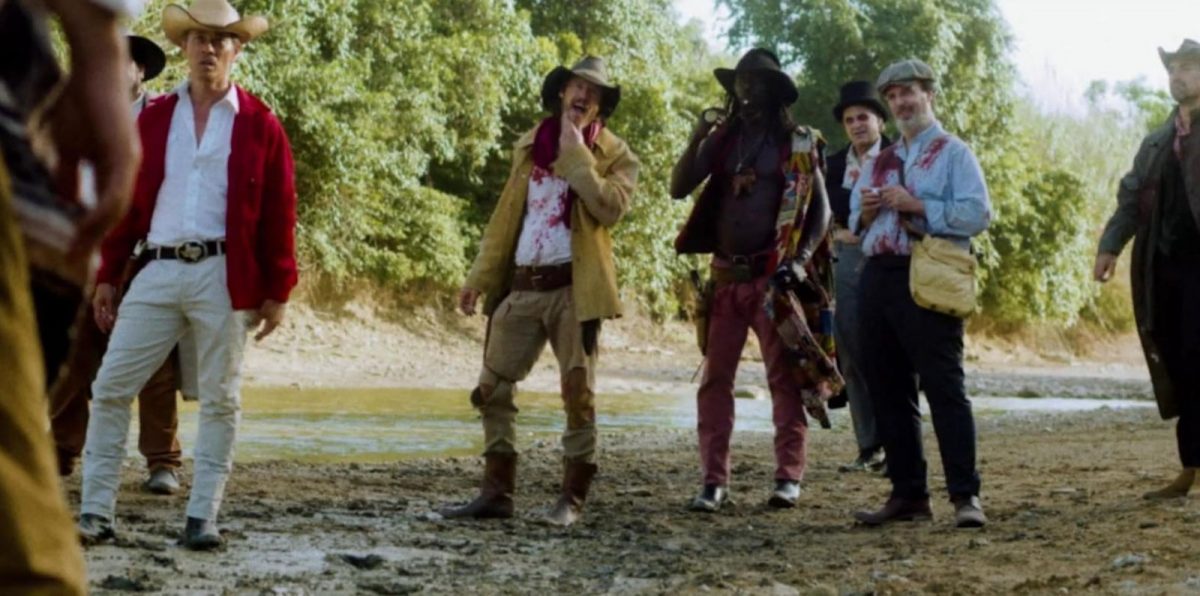
After a Native American slaughtered her parents and left her sister for dead, Cynthia is raised by a Comanche tribe. Now, a grown woman, Cynthia (Larissa Dali), has become deadly with a knife. Her sister, Iris (Brenna Jones), is also most skilled with a weapon, but she’s seeking revenge on the people who destroyed her entire life, who just so happen to be the same tribe that raised Cynthia, now known as Coyote Woman.
Iris teams up with a roving band of scalp hunters who shoot and fight first and ask questions later. These maniacs, led by the charismatic but volatile J.J. (Craig Nigh), derive sick pleasure from scalping their targets. The most twisted of them all is Judge (Van Quattro), who eats the livers of babies. Coyote Woman, Deep Water (Cedric Jonathan), along with Texas Ranger Isaac (Don Daro), must fight off these deranged lunatics to spare any more unnecessary loss of life.
Coyote Woman feels repetitive at times. The Texas Ranger captain and his men show up at a bar, and the bartender explains that Natives and African-Americans must drink in the latrine. The next time this fellow is seen is when the bad guys show up. He does his same routine, only to be promptly killed. Why not just have the one scene with the baddies, and the shopkeeper asks if these former Rangers are with the ones who passed by a short time ago? This would provide the necessary beats while excising fat.
“Iris teams up with a roving band of scalp hunters…”
Another pointless scene sees Coyote Woman talking with a Comanche woman. The lead does not want to be with a man and is pretty sure she does not want to be a mother. The exchange lasts for a few minutes. The problem is that the ideas presented here never play a factor in the story, nor does it inform any of the character’s actions later on. It’s a “big-lipped alligator” moment smack dab in the middle of a brutally violent western. The final downside is the CGI, which is horrendously rendered and obvious.
With all that out of the way, there is plenty to like, enjoy, and appreciate about Coyote Woman. For starters, as alluded to, the action is visceral, violent, nonstop, and gruesome. The practical effects and blood are perfectly rendered. There’s a ton of scalpings, stabbings, gunshots, gaping wounds, and even a baby being killed by being bashed against a jagged rock. It is all shocking, exciting, and fun. If a cinephile wants a super violent offering that makes no bones about cannibalism, this is the film to watch.
The cast is also a big reason the film succeeds. Dali brings a lot of verve and confidence to the titular character. She quips with the best of ’em and can more than handle the action scenes. Nigh is easy to hate, and Quattro comes across as genuinely demented. Jonathan is sweet as the determined sidekick (of sorts) to Coyote Woman.
Coyote Woman is not a perfect film, as it’s overlong and repetitive. But it delivers on the action and savage violence of the era, which is what matters most. The score is pulse-pounding, and the cast excels in their respective roles. For a violent good time, look no further.
For more information about Coyote Woman, visit Stefan Ruf’s Facebook page.
Publisher: Source link






‘The Rookie’ Already Filmed a Series Finale To Prepare For Its Cancellation
The Rookie is one of the most popular procedurals ABC has aired over the past eight years. It was unsurprising that after ABC's highly popular series Castle ended in 2016, the network wanted to continue its working relationship with the…
Jul 31, 2026
‘It’s Always Sunny in Philadelphia’ Finally Returns in First Season 18 Trailer
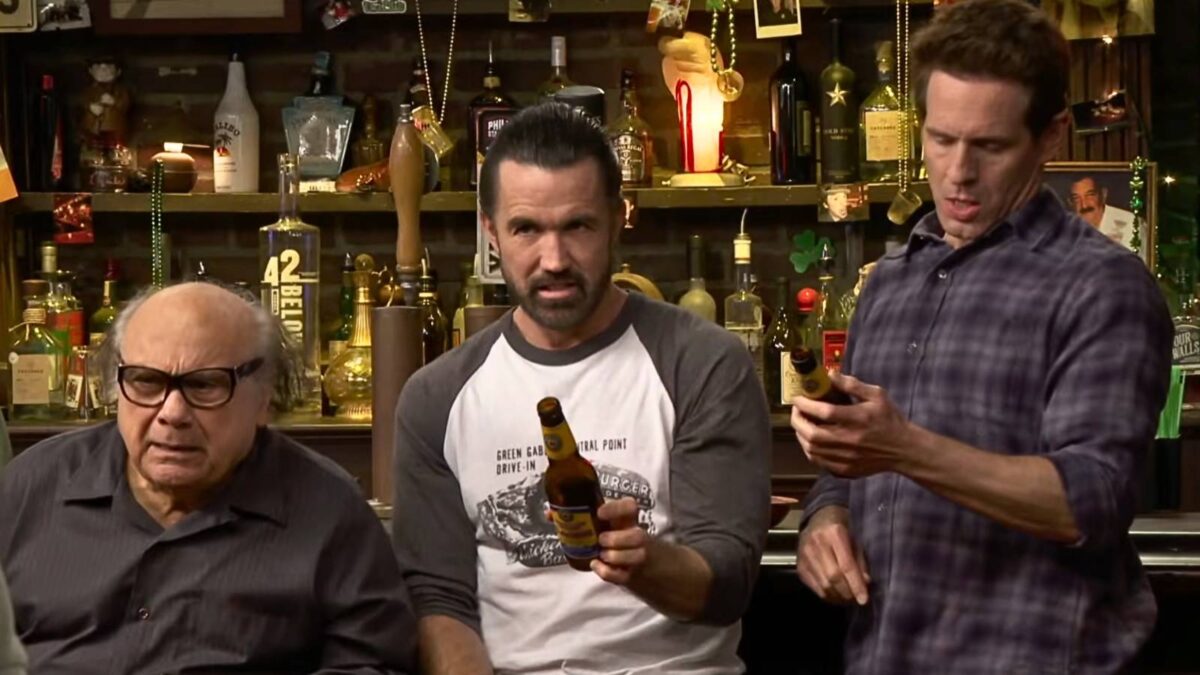
For over two decades, FX has enjoyed massive success and delivered countless laughs behind the team that makes It's Always Sunny in Philadelphia, one of the highest-rated sitcoms of the modern era. After releasing 14 hit seasons in consecutive years…
Jul 30, 2026

Nathan Fillion Confirms Current Status of Long-Awaited ‘Firefly’ Reboot
We can only imagine what could have been for TV shows that were cancelled too soon, many after just one season. Shows get canned for multiple reasons, but primarily because of declining ratings, high production costs, and network programming shifts.…
Jul 29, 2026
Netflix’s Best 10-Part Gothic Thriller Officially Getting New Remake
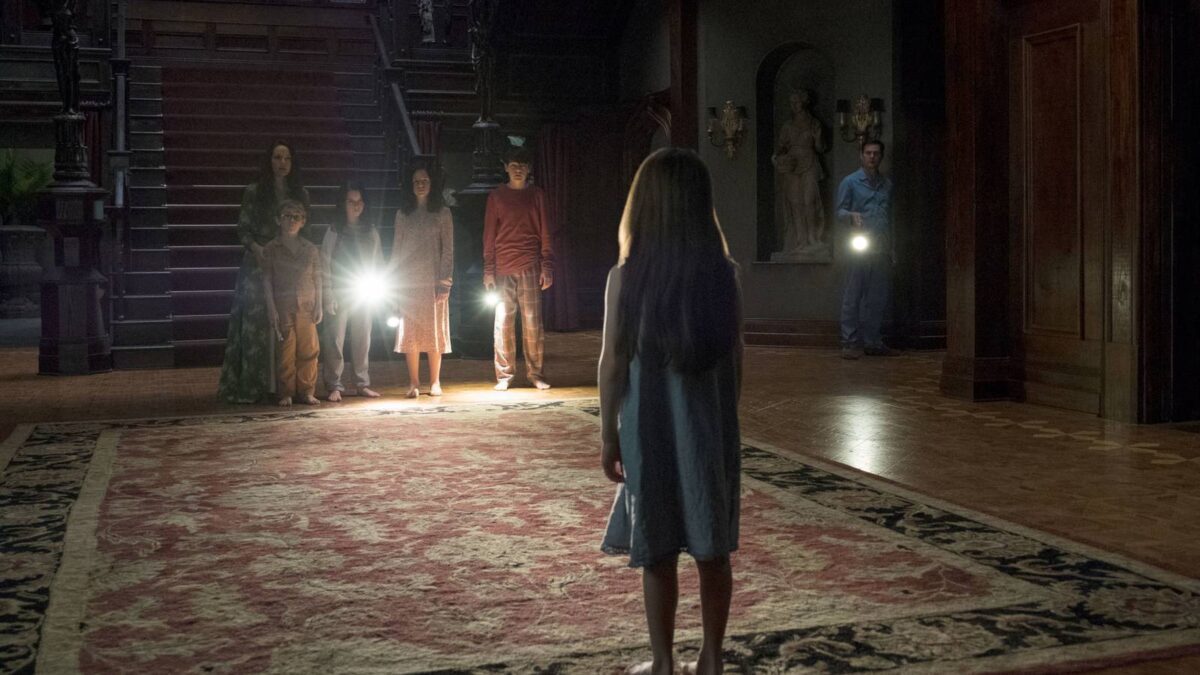
Netflix has been in the horror game virtually ever since the DVD rental service went all-in on streaming. Titles like House of Cards and Orange Is the New Black might have been the shows they used to highlight the platform's…
Jul 28, 2026