Newly Restored Print of Peter Kaas’s 1961 Debut Is A Surreal Masterpiece [Review]
May 30, 2024
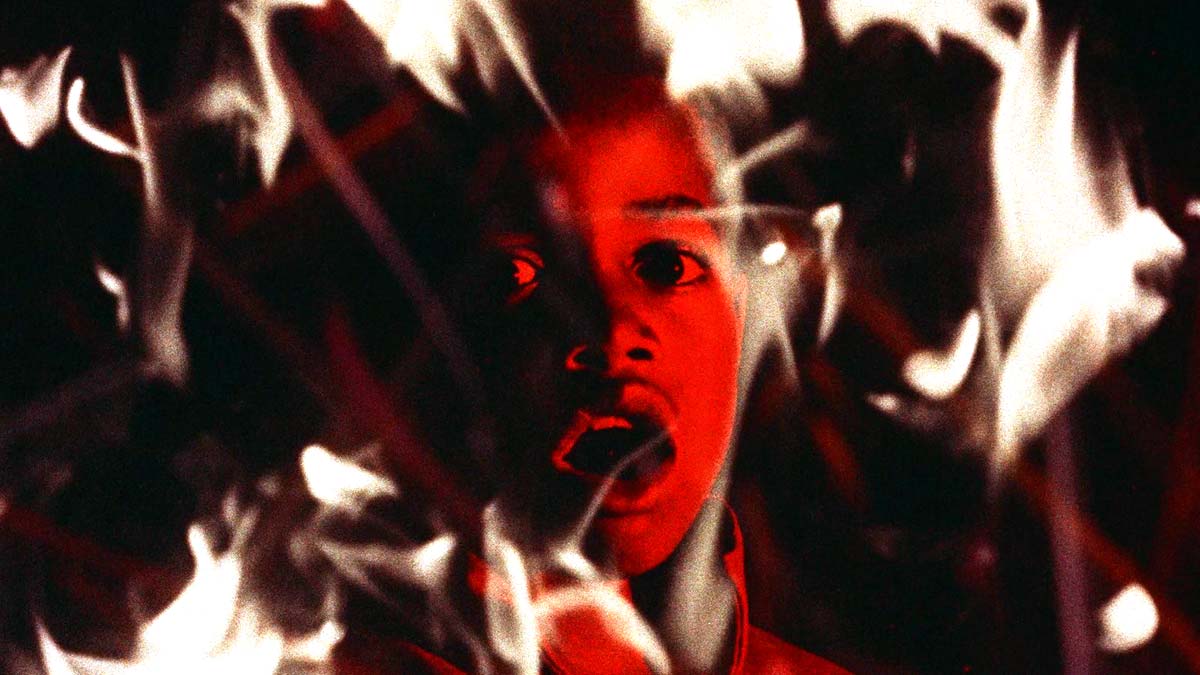
Released in 1961 before falling into relative obscurity, Peter Kaas’s “Time of the Heathen” is something of a curiosity. The only film Kaas directed before transitioning back into teaching acting at NYU, this potent thriller showcases a restless filmmaker who manages to marry genre thrills with apocalyptic imagery.
Only identified by the end credits as Gaunt (John Heffernan), the film follows a wayward traveler through upstate New York. Carrying only a bible, he comes upon the rape and murder of a black woman Marie (Ethel Ayler) by Ted (Stuart Heller). Framed for the murder by her employer and Ted’s father, Link (Orville Steward), Gaunt and Marie’s mute son Jessie (Barry Collins) flee into the woods, chased by Link and Ted.
READ MORE: Criterion Adds 4-Disc ‘Pat Garrett & Billy The Kid’ 50th Anniversary Edition & ‘Risky Business’ To July 2024 Releases
The film’s twin thematic interests — the aftermath of the bombing of Hiroshima and the burgeoning civil rights movement — are sublimated into what is ostensibly a lean chase movie. Gaunt and Jesse move through the New York countryside, attempting to outrun Link and Ted, coming upon various townsfolk in the process. At an all-too-short 76 minutes, “Time of the Heathen” cuts away all the fat not related to Gaunt’s dual embodied and existential crises. For the former, it’s the material concerns of impending death at the hands of Link; the latter is much more abstracted. It’s a deceptively simple narrative, as Gaunt and Jessie manage to stay one step ahead of the racists chasing them down. The film, then, eventually gives way to one of the tripper endings in film history.
Without spoiling much, as Gaunt hallucinates in the aftermath of a bullet wound, Kaas ties together a number of disparate threads in a surreal montage. Using distorted images of the bombing of Hiroshima, as well as images of starving children, he brings together the film’s apocalyptic tone, suggesting these characters are more than simplistic archetypes. Instead, they serve as metonyms for more significant issues plaguing the American psyche. It’s one of the more stunning sequences because Kaas keeps a tight rein on the film’s style and tone throughout before letting everything fly in the final minutes. It’s the type of montage that they’d teach in film classes if only someone were attuned to Kaas’s wavelength in 1961 (‘Heathen’ got middling reviews upon release).
Here, newly restored, the film is quite beautiful in its stark black and white cinematography by Ed Emshwiller (who also co-edits with Kaas). In fact, ‘Heathen’ seemingly represents a type of urtext for New American Cinema that swirled together genre and avant-garde techniques to mimic modernism. This is helped by Lejaren Hiller, Jr.’s discordant electronic score, himself a disciple of John Cage.
On its surface, ‘Heathen’ is a compelling thriller, but it reveals a thematic density as the film breaks its formal barriers at the end. When the film announces that it takes place in the “period four years after the bomb fell on Hiroshima” in its opening, it initially feels like an affectation to add a dramatic weight that isn’t present in the narrative. But, slowly, the collective weight of struggle — against mass death and ingrained prejudices — comes to the forefront.
With that, “Time of the Heathen” is really a discovery. The film often seems like something out-of-time, otherworldly in its use of narrative, cinematography, and music. Yet for such a scant runtime, it nevertheless captures post-war anxiety, suggesting a new approach to film that would marry high and lowbrow aesthetics. Perhaps ‘Heathen’ was ahead of its time (“Bonnie and Clyde” would announce the New Hollywood six years later). But that only makes ‘Heathen’ more of a lark and a film to seek out. [A]
Publisher: Source link




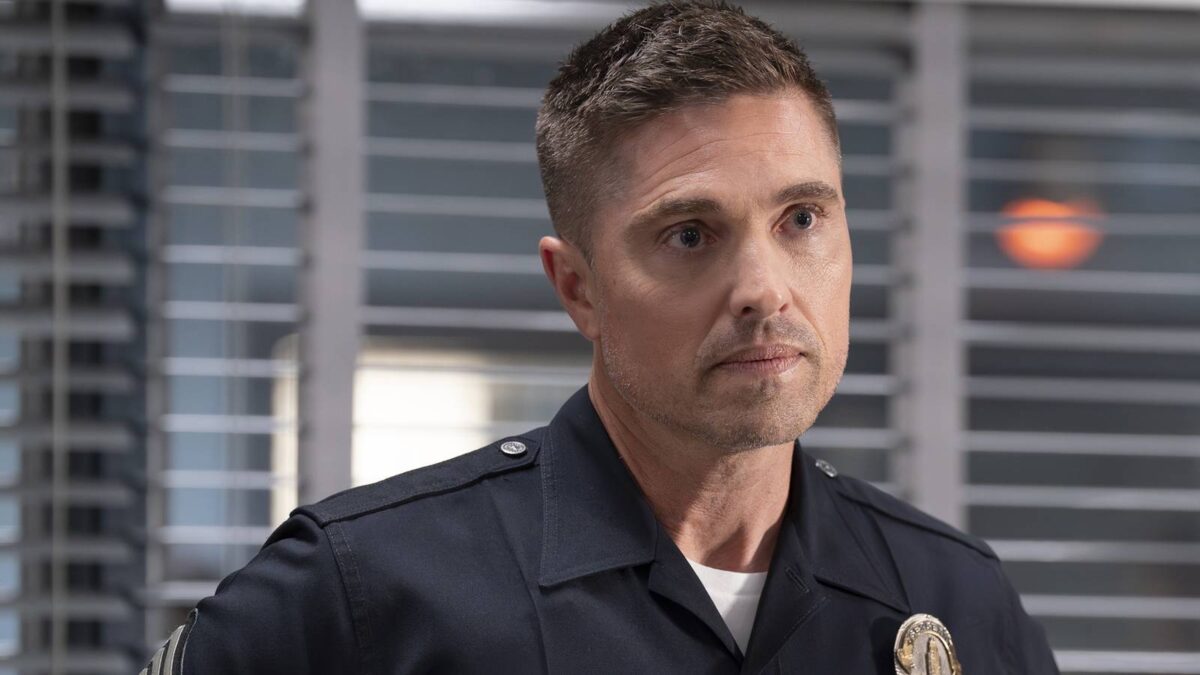
‘The Rookie’ Already Filmed a Series Finale To Prepare For Its Cancellation
The Rookie is one of the most popular procedurals ABC has aired over the past eight years. It was unsurprising that after ABC's highly popular series Castle ended in 2016, the network wanted to continue its working relationship with the…
Jul 31, 2026
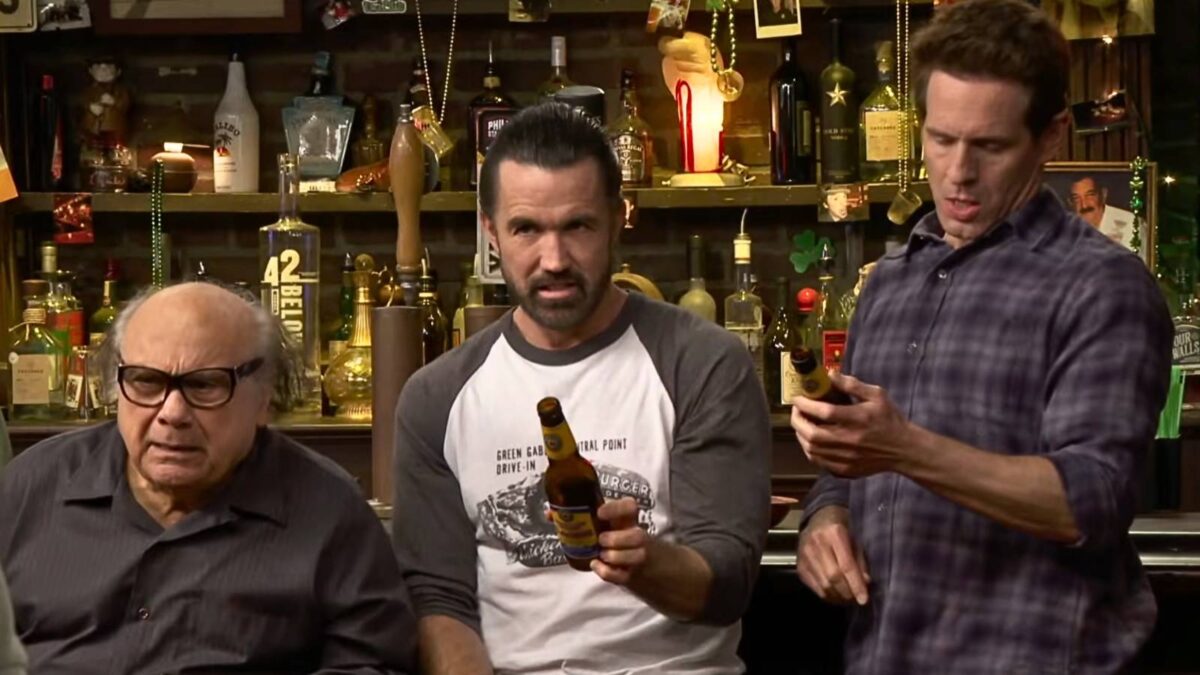
‘It’s Always Sunny in Philadelphia’ Finally Returns in First Season 18 Trailer
For over two decades, FX has enjoyed massive success and delivered countless laughs behind the team that makes It's Always Sunny in Philadelphia, one of the highest-rated sitcoms of the modern era. After releasing 14 hit seasons in consecutive years…
Jul 30, 2026
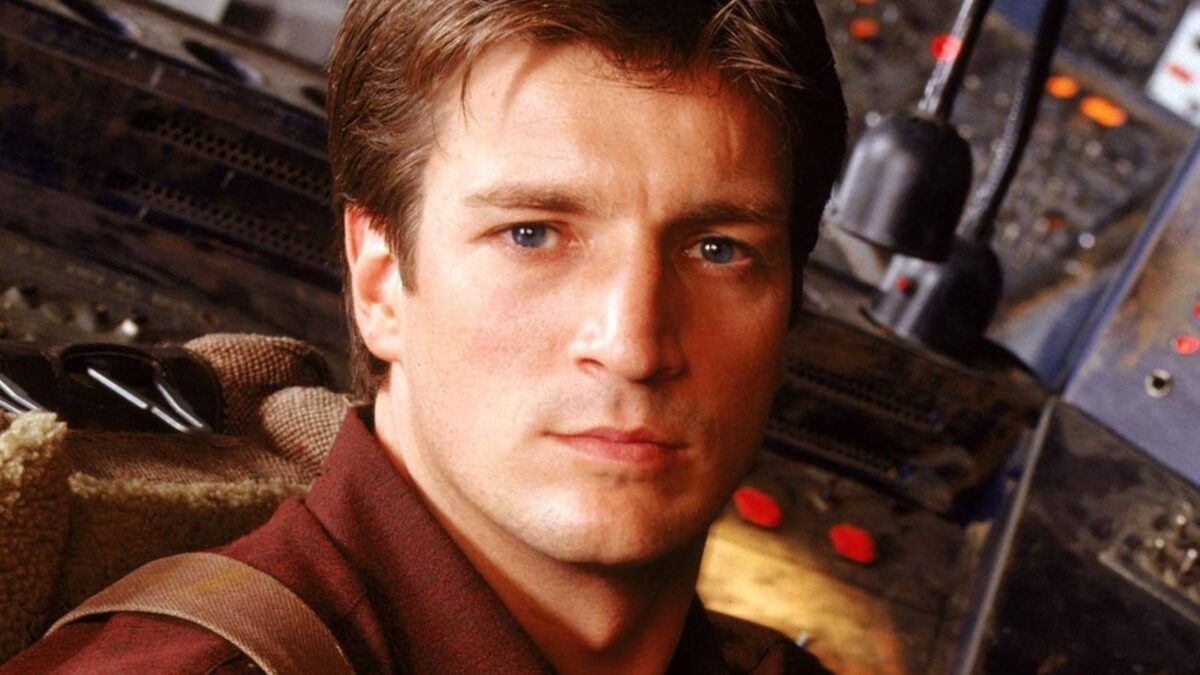
Nathan Fillion Confirms Current Status of Long-Awaited ‘Firefly’ Reboot
We can only imagine what could have been for TV shows that were cancelled too soon, many after just one season. Shows get canned for multiple reasons, but primarily because of declining ratings, high production costs, and network programming shifts.…
Jul 29, 2026
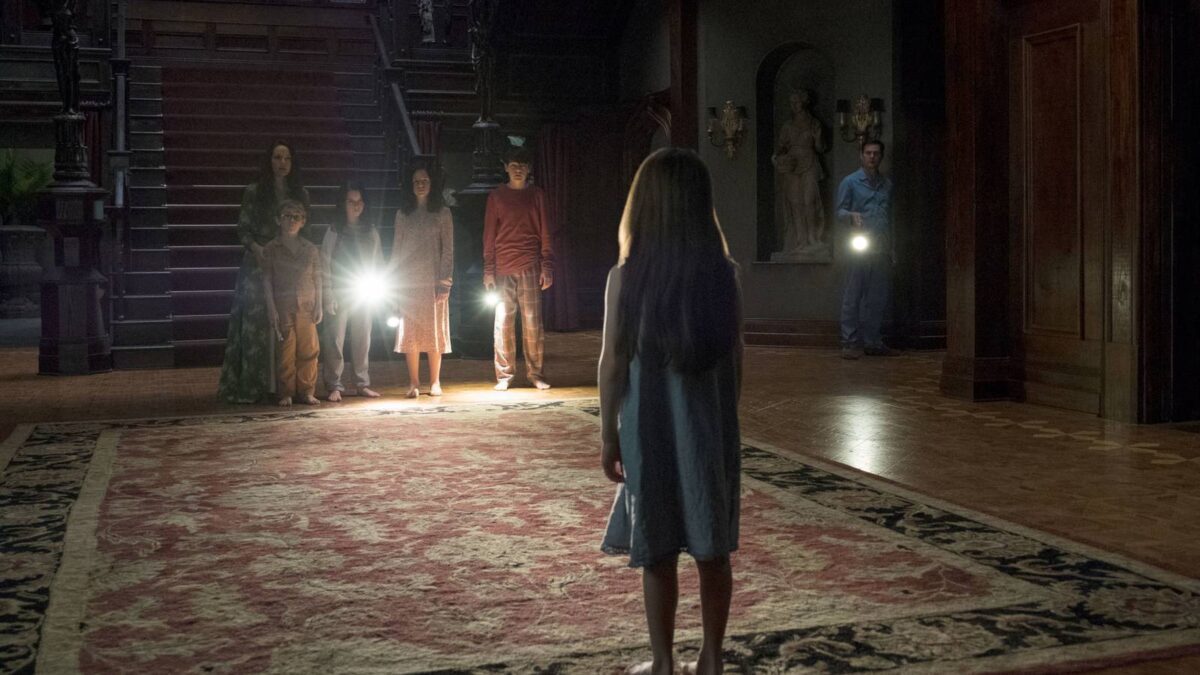
Netflix’s Best 10-Part Gothic Thriller Officially Getting New Remake
Netflix has been in the horror game virtually ever since the DVD rental service went all-in on streaming. Titles like House of Cards and Orange Is the New Black might have been the shows they used to highlight the platform's…
Jul 28, 2026