
Documentary About An Indigenous Tribe Is An Ecological Parable [Cannes]
Jun 1, 2024
The indigenous Yanomami tribe living in the Amazon rainforest on the border between Brazil and Venezuela is dwindling. Only 35,000 remain. They live extraordinary lives that some might classify as primitive, as they exist primarily without any modern technology. They live off the land, so to say, hunting and gathering their food, traveling on foot, and living in houses made of natural materials, without electricity or material comforts. They essentially live as if the past 500 years of humanity, or maybe 2500 for that matter, did not happen. From filmmakers Eryk Rocha and Gabriela Carneiro da Cunha comes an act of memorialization, committing their lives and means to our collective memory, lest they be forgotten. They also pose a warning and an admonishment, as encroachment and capitalistic greed threaten the very existence of the Yanomami.
READ MORE: Cannes Film Festival 2022: The 22 Films Everyone Will Be Buzzing About
“The Falling Sky” is compelling from the very first frame as the filmmakers immerse us headlong into the ways of the Yanomami. When we first see them, they are primarily clothed in their tribal garb, loincloths for men and women, face paint, bows, and arrows, and anachronistically—some in soccer jerseys and shorts and carrying guns. There is no narrative to speak of, but the filmmakers show us their rituals at length in uncut takes. We see food gathering, food preparation, their humble hut-like dwellings, their daytime and nighttime activities, the play of children, etc. It is fascinating to peek into a culture and civilization that functions just as well as ours but operates on different principles.
The filmmakers wisely eschew a pedantic National Geographic-style voiceover from a Western perch opining what we see on-screen. Instead, they let the events unfold with Yanomami voices providing accompaniment. The Yanomami do not directly comment upon on-screen action but recount their myths and beliefs. In this sense, much of the voiceover might be called Malickian in that it adds auditory interest but is not critical, and often, the images speak for themselves. The Yanomami are patriarchal, so most of the voices we hear are that of men, but we do hear some women, too.
SIGN UP: Get the latest Reviews, Movie and TV News, and Interviews with The Playlist Daily Newsletter
Interest is amplified when the Yanomami candidly discuss their survival concerns. It is here that the fragility of their existence comes into stark relief. These are people away from any modern invention. They rely entirely on the water of the rainforest, the animals, and the plantation for sustenance and the general quality of the air for their life. As gold miners begin to creep into the region with their equipment, ammunition, and dynamite, they pollute the fundamental resources the Yanomami needs. The water is dirtied, the animals are scared away, the trees are cut down, and the air is thick with smoke. There is also the prospect of disease that the miners bring in. The Yanomami live out of reach of modern medicine and vaccinations, too; this encroachment imperils their immune systems.
Certain flashes of technology are inevitable deference to necessity. They use an old-fashioned walkie-talkie system to communicate over long distances and use flashlights at night. One of the younger men is seen with a mobile phone tucked into his loincloth. And when a child is sick, there is discussion about taking him to a hospital. A dark montage towards the end shows a series of calamities that might threaten the Yanomami. In a direct-to-camera address, one of their leaders even charges the filmmakers for filming them while pointing out that in the past, other white people had come into their community, mainly missionaries, and brought about disastrous consequences. The Yanomami also worry about the prospect of the unmonitored violence and assault they might suffer in the jungles from the miners away from the rule of law.
“The Falling Sky” bucks the charge that it might easily have been a Doc Short through its enveloping, lustrous cinematography. The wide-screen images are deeply cinematic and are captured with a filmmaker’s eye; this isn’t a mere point-and-shoot doc. Views of the nighttime sky are entrancing. Away from the light pollution of the cities, the sky always appears full of stars. None of the Yanomami seem mixed, but the sound is immersive. Their chants and the natural surroundings add texture.
“The Falling Sky” is based on the book by Yanomami shaman Davi Kopenawa, who is featured in the film as the closest thing to a protagonist or a character. He introduces several of their beliefs, including the titular myth that their ancestors and spirits will hold up the sky if it falls. “The Falling Sky,” in some ways, is also a time travel movie, as we get to peek into the past and see ourselves in people for whom time has stood still. [B-]
Find complete coverage of the 2024 Cannes Film Festival, including previews, reviews, interviews, and more on The Playlist.
Publisher: Source link





‘The Rookie’ Already Filmed a Series Finale To Prepare For Its Cancellation
The Rookie is one of the most popular procedurals ABC has aired over the past eight years. It was unsurprising that after ABC's highly popular series Castle ended in 2016, the network wanted to continue its working relationship with the…
Jul 31, 2026
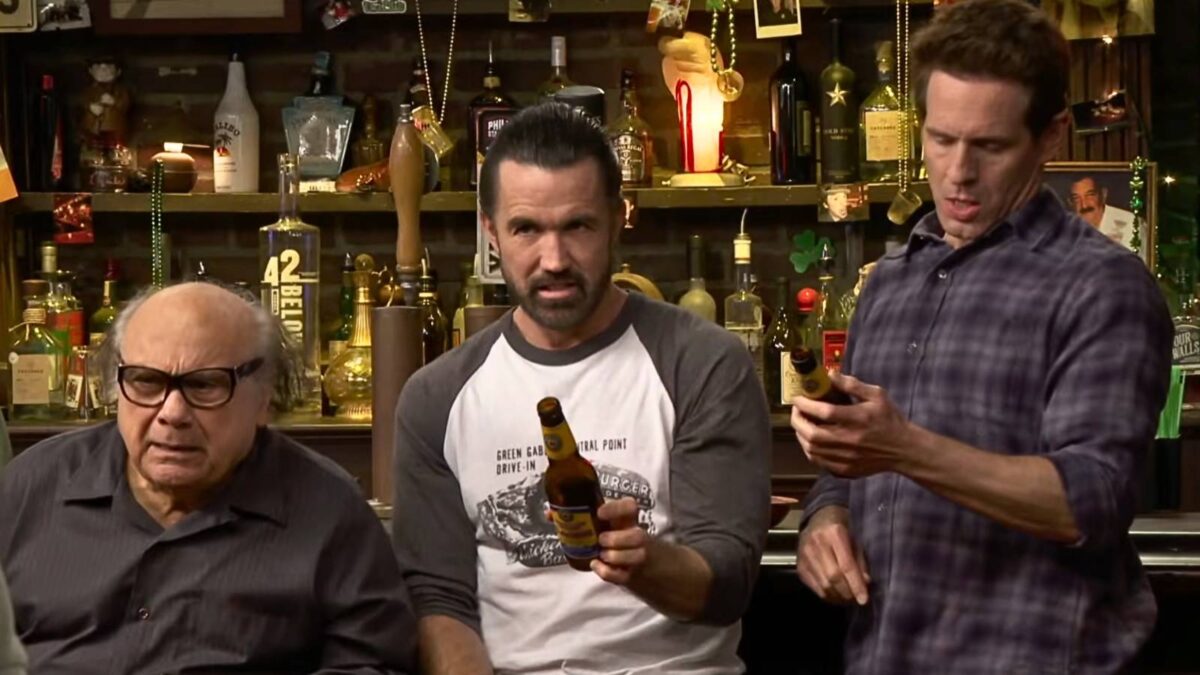
‘It’s Always Sunny in Philadelphia’ Finally Returns in First Season 18 Trailer
For over two decades, FX has enjoyed massive success and delivered countless laughs behind the team that makes It's Always Sunny in Philadelphia, one of the highest-rated sitcoms of the modern era. After releasing 14 hit seasons in consecutive years…
Jul 30, 2026

Nathan Fillion Confirms Current Status of Long-Awaited ‘Firefly’ Reboot
We can only imagine what could have been for TV shows that were cancelled too soon, many after just one season. Shows get canned for multiple reasons, but primarily because of declining ratings, high production costs, and network programming shifts.…
Jul 29, 2026
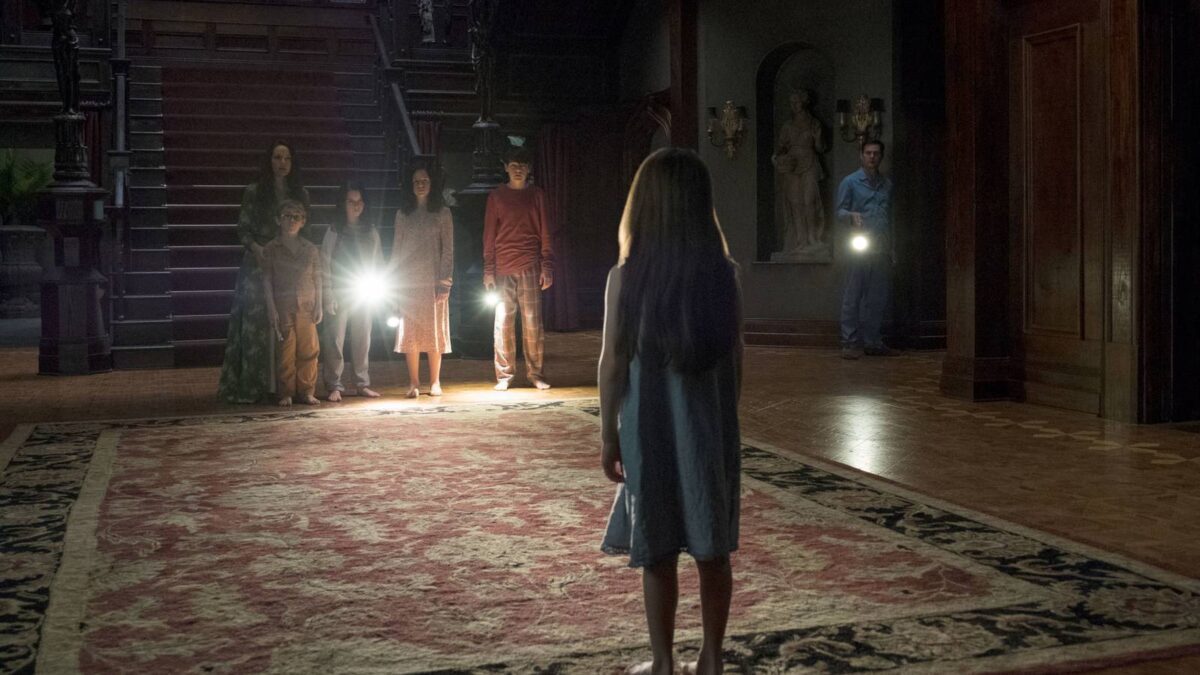
Netflix’s Best 10-Part Gothic Thriller Officially Getting New Remake
Netflix has been in the horror game virtually ever since the DVD rental service went all-in on streaming. Titles like House of Cards and Orange Is the New Black might have been the shows they used to highlight the platform's…
Jul 28, 2026