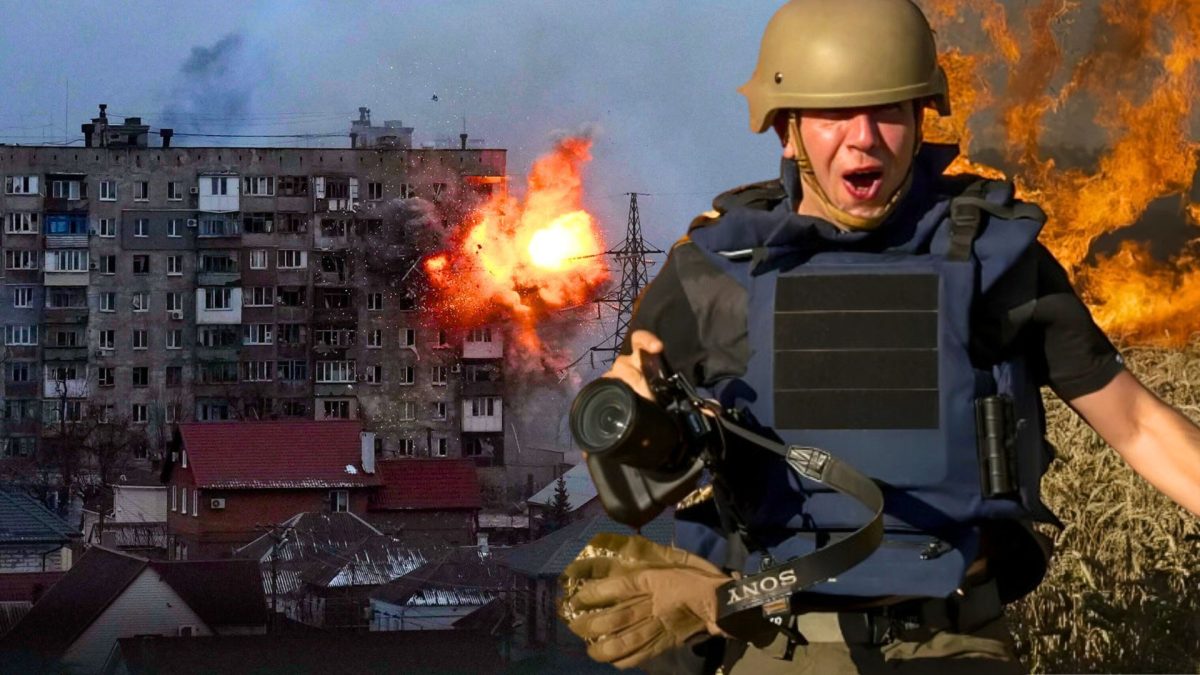
Stream ’20 Days in Mariupol’ Free to See Why It Has a Perfect RT Score
Dec 3, 2024
On February 24, 2022, forces from the Russian Federation invaded Ukraine. For many who had been watching events from afar, the actions of Russian President Vladimir Putin appeared to be a matter of history repeating itself. Many of Putin’s tactics were eerily reminiscent of Adolf Hitler, from the utilization of domestic terrorism as a reason to launch a preemptive strike and the widespread use of state-sponsored propaganda to cloak the actions as justified. All too often, events that occur half a world away seem distant and unrelatable, especially with so many modern distractions that occupy our time. The war in Ukraine, covered by several different press outlets, was occurring at the same time as many were finally getting used to the return of normalcy following a worldwide pandemic.
20 Days in Mariupol, a documentary made by Ukrainian filmmaker Mstyslav Chernov with cooperation from the Associated Press and PBS, documented a period in which the city was besieged by Russian forces. In an age where the term “fake news” is sometimes used by those who want to alter the truth in hopes of suiting a particular narrative, 20 Days in Mariupol is an unfiltered and undiluted look at the impact and devastation of warfare. If the words of American General William Tecumseh Sherman are correct, and war truly is Hell, Chernov’s documentary is a journey into the nine circles that Dante described in The Inferno. Told over a period of 20 days, it’s a descent into the carnage and chaos of modern warfare, and the toll it wreaks on the civilian population.
Humanizing the Conflict and Exploring the Toll of War
Ever since Julius Caesar provided discourse to the Roman senate regarding his campaigns in Gaul, the correspondence of armed conflict has been one that is varied regarding the level of objectivity and truth. Behind the bravado of Putin’s claims of a preemptive strike and the world media reporting about troops occupying certain areas in Ukraine, Chernov gives a human face to the suffering experienced by the civilian population. A normal news report might relay information about troop movements and casualties. 20 Days in Mariupol goes much further regarding its attention to detail. Chernov’s cameras are up-front as Mariupol is attacked by Russia, and the devastation brought on the civilian population is some of the most visceral and disturbing imagery to ever be recorded in recent years.
From women and children to the elderly, no one is left untouched from the invasion. Viewing 20 Days in Mariupol is a confrontational experience. Chernov’s film provides an undiluted perspective on the human experience of war. The desperation of the population seeking to find shelter and looting and pillaging in hopes of survival is indicative of order descending into chaos. Chernov and his crew brave the bombardments and shrapnel to capture and document images that range from hospitals working around the clock despite lacking the appropriate supplies to the anguish and helplessness of the population.
The events that Chernov and his team document are reminiscent of a similar event that took place in Eastern Europe a few decades earlier, the Bosnian conflict in Sarajevo. The footage documented by Chernov is eerily reminiscent of that which made its way out of the campaign that took place near Srebernicia, where thousands of Bosnian Muslims were massacred on the orders of General Ratko Mladic. The devastation and death and the attempts of those to alleviate the suffering and chaos have a direct correlation with one another as both conflicts are byproducts that have existed since the fall of communism.
Related 10 War Documentaries That Will Have You in Tears War can be one of the most heartbreaking aspects of humanity. Here are 10 documentaries that will have you bawling your eyes out.
War Crimes and Misinformation
There exists a dichotomy in documenting armed conflict. This is especially true when it comes to allegations regarding cruelty and crimes against humanity. There’s the truth of what actually occurred, and the effort put into justifying and denying the events that took place by way of spin doctors and those who are masters in the art of deception and propaganda. 20 Days in Mariupol manages to explore this dichotomy through footage shot by Chernov and displaying reports that were aired on Russian television following the footage being released to multiple news outlets.
20 Days in Mariupol coldly and explicitly documents the attacks on the city’s civilian population by the Russian army. Tanks roll into the city, firing on apartment complexes and maternity wards, allowing viewers to gauge the full wretchedness of the conflict. The complete and utter devastation brought on by Russian forces is subsequently mirrored by denial and claims of staged instances of Chernov’s narrative. Putin and the Kremlin have been staunch deniers that any war crimes have taken place and that any civilians being harmed are incidental deaths and not intentional. Chernov’s footage shows this to be false, as it depicts Ukrainian civilians being directly targeted by Russian forces.
In a haunting juxtaposition of spin doctors and the events they shamelessly attempt to cover up, Chernov’s footage is shown alongside reports made by the Russian media. Claims of crisis actors and outright denial that these events ever took place is something that American audiences can relate to, especially with the epidemic of mass shootings and certain far-right news outlets making accusations of the events being staged and manufactured. 20 Days in Mariupol is an indictment against the unjustified war waged by Russia and the actions taken by the invading armies.
The fearlessness exhibited by Chernov and his crew to document these crimes against humanity and get them to news outlets to inform the outside world speaks to the importance of understanding events taking place in a world far removed from our own. Behind enemy lines and narrowly escaping capture and even death, Chernov and the effort put into 20 Days of Mariupol allow us to confront what’s one of the greatest tragedies of our modern era.
Related 15 Disturbing Documentaries That Aren’t True Crime If you are up for a challenge, these disturbing documentaries may shock you, but they also touch on some fascinating truths about humanity.
What We’ve Learned from 20 Days in Mariupol
PBS
At the conclusion of 20 Days in Mariupol, a text crawl reads that during the siege, 25,000 people lost their lives, and the toll might be more. We must ask ourselves, what have we learned through Chernov’s 20 days spent in the inferno of war? Chernov’s film gives a human face to the conflict that some might find themselves disassociating with because of it taking place so far away. We witness first hand the suffering and torment inflicted on a population during warfare, and the courage and determination of others who are willing to risk their lives to alleviate the suffering and bring awareness of such a horrific tragedy to a broader audience.
Most importantly, 20 Days in Mariupol reinforces the weight of the old expression “Those who do not remember the past are condemned to repeat it.” With the events that took place in Bosnia and Sarajevo in the 1990s, the current state of warfare that exists in Ukraine now, and the uncertainty of world events that are happening in the future, 20 Days in Mariupol will be regarded as a harrowing and confrontational film for several years to come. Perhaps future generations will look at the film and wonder how events like this could ever transpire. Stream on Hoopla.
Publisher: Source link






Paramount’s Action-Adventure Hit Blazes to Its Biggest Audience Ever With Over 10 Million Viewers
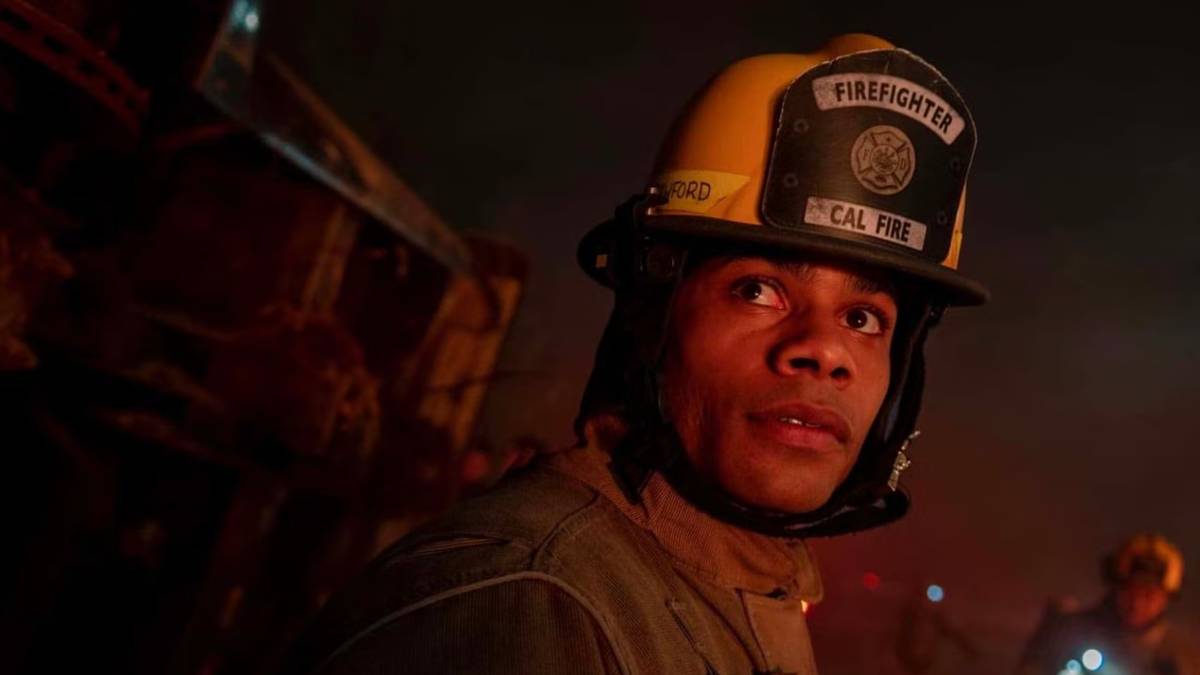
Fire Country premiered in October 2022, and four years later, the action drama remains a hit for CBS and Paramount+. The series’ fifth and latest season debuted on October 9, and within three days, it ranked as the seventh most…
Oct 26, 2026

Rebecca Ferguson’s Near-Perfect Sci-Fi Thriller Is Officially a 600-Day Streaming Smash Hit
While it was the Mission: Impossible franchise that put Rebecca Ferguson on everyone's radar, it was her appearance as Rose the Hat in Doctor Sleep that cemented her as a superstar. It led to movies like Dune, Netflix's A House…
Oct 25, 2026
‘The Gentlemen’ Loses 2 Original Stars, Reunites ‘Lord of the Rings’ Icons in Big Season 3 Shake-Up
Guy Ritchie's signature blend of aristocratic elegance and gritty underworld chaos has officially solidified its place as a Netflix powerhouse. Originally launched as a television spin-off of his hit 2019 feature film, The Gentlemen captivated global audiences across its first…
Oct 24, 2026
Taylor Sheridan’s ‘Yellowstone’ Sequel Hits Major Milestone Ahead of Streaming Return
The Yellowstone universe has grown so fast since the main series ended that it’s fair to wonder whether the franchise might be stretching itself a bit thin. That’s part of why Dutton Ranch came as something of a surprise. Beth…
Oct 23, 2026