Kahlil Joseph’s Documentary Is A Brilliant Wonder To Behold [Sundance]
Feb 5, 2025
PARK CITY – There is a world in which “BLKNWS: Terms & Conditions,” the expansive, brilliant, multilayered, and entrancing documentary from Kahlil Joseph, was never seen. Due to a dispute over a supposed “secret cut” right before the highly anticipated film was set to premiere at this year’s Sundance Film Festival, it was initially pulled and its future left in limbo. Thankfully, like the worlds that Joseph himself takes us through in his film, it was not to be held back, and the many (myself included) who were disappointed over its potential disappearance could fully take in all that its director intended on full display. Merging archival footage, film clips, online videos, historical recreations, a futuristic sci-fi narrative, and much more, it’s an art exhibit in the best sense of the word, pushing you to places films like this rarely go. When you arrive at the final bittersweet destination, swept up in its dizzying collage of history, emotion, time, and space yet floored by the vision you experienced, you’ll find yourself drawn to watch it back all over again.
READ MORE: 25 Most Anticipated Movies At The 2025 Sundance Film Festival
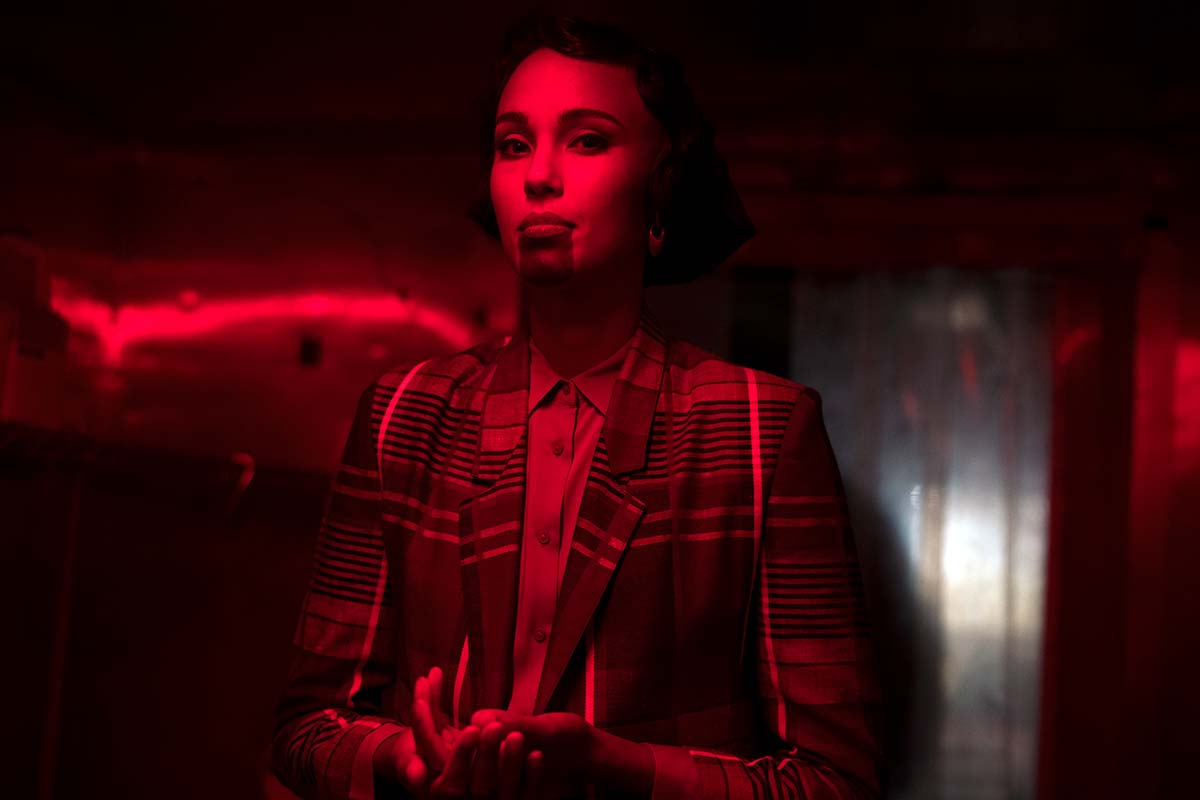
More impressionistic and slippery than it is defined by conventional cinematic language, the film launches right into the deep end in a way that, while disorienting, is also refreshing in how much it trusts us. In many regards, even putting words to what Joseph is doing can cheapen it, as there is so much that you have to feel as it unfolds before you. What can be said is that it is a film that takes place partly on a floating vessel in the ocean where there is a journalist (Shaunette Renée Wilson) who is both along for the ride with us and also outside it, reflecting on deeper questions that the documentary will lay out before us. This framing mechanism becomes more critical as the film goes on, but that comes after long stretches of what can feel more like a stream of consciousness than it does anything else—pondering the work of writer W. E. B. Du Bois (specifically his “Encyclopedia Africana,” which is often cited by page number alongside accompanying visuals) just as it does Joseph’s own life and family history, it unfolds with a rapid-fire energy crossed with a healthy skepticism of what it is taking us through. Everything is held up to the light to see what shakes loose as it hurdles along, rarely slowing down to breathe.
Looking back at my notes, which eventually became quick impressions of the feature’s many evolving parts, one of the things that I wrote down, which seems as good of a thesis statement as any, was, “What is bad for cinema is the categories” spoken by Agnès Varda. Attempting to categorize something like “BLKNWS: Terms & Conditions” is a fool’s errand as there is so much happening all at once. It’s a film that is effectively jubilant and exciting in one brief moment before becoming more somber in another. It has fictional anchors occasionally giving news broadcasts as well as actual interview clips that then get intercut with romantic online videos or TikTok clips before cleaning the stage for a Ron Funches stand-up joke or Eric Andre going crashing through a gallery as a humorous demonstration of our proximity to art. At the same time, we keep returning to the sci-fi ship where a sense of anxiety permeates every frame, and it seems as though there is something more hopeful to be found in the futuristic setting.
This sounds like it might not fully cohere, and, in many ways, Joseph resists attempts to make things more standardly legible (as isn’t the world often not so quickly packaged together with chaos and violence upending life as we know it?). However, echoes of themes start to grab hold of you. The way the forces of power continue to target the vulnerable and stifle out their art is something Joseph seems to want to resist in everything from how he constructs his film to the radical ideas he guides through while also embodying on a formal level. What sticks out in the memory will likely depend on the viewer as there is so much going on here that no one person will or ever could remember all of what it does. What leaves a lasting impression will depend on what resonates most with you. It’s a cinematic Rorschach test where something will grab you as long as you put in the work to take the film on its own terms and pay attention.
Support independent movie journalism to keep it alive. Sign up for The Playlist Newsletter. All the content you want and, oh, right, it’s free.
For me, it was the throughline of Ghanaian journalist Anas Aremeyaw Anas. A real person who wears a mask to hide his identity, he takes on a significant place in the film and is even referred back to via a key moment of iconography in the final moments. Joseph looks to him as a way of seeing the truth in the world and, to my reading, how there will always need to be those like him who can see clearly in a world of so much murky, often painful, darkness. That they must shield themselves, hiding away much of who they are in the process, is the timeless bargain that must be made. As the past comes crashing into the present in this moment of realization, all the film has been doing comes together one final time, leaving a lingering, tragic tranquility. [A-]
Check out the latest reviews from the 2025 Sundance Film Festival and The Playlist’s complete coverage from Park City here.
Publisher: Source link




Disney+ Officially Exploring Major Streaming Platform Change
With Toy Story 5 making big bucks at the box office and The Devil Wears Prada 2 crushing the streaming numbers, Disney is poised to keep the momentum going. The media giant has been cutting hundreds of jobs in addition…
Aug 6, 2026
‘Baywatch’ Reboot Officially Confirms Streaming Release Details
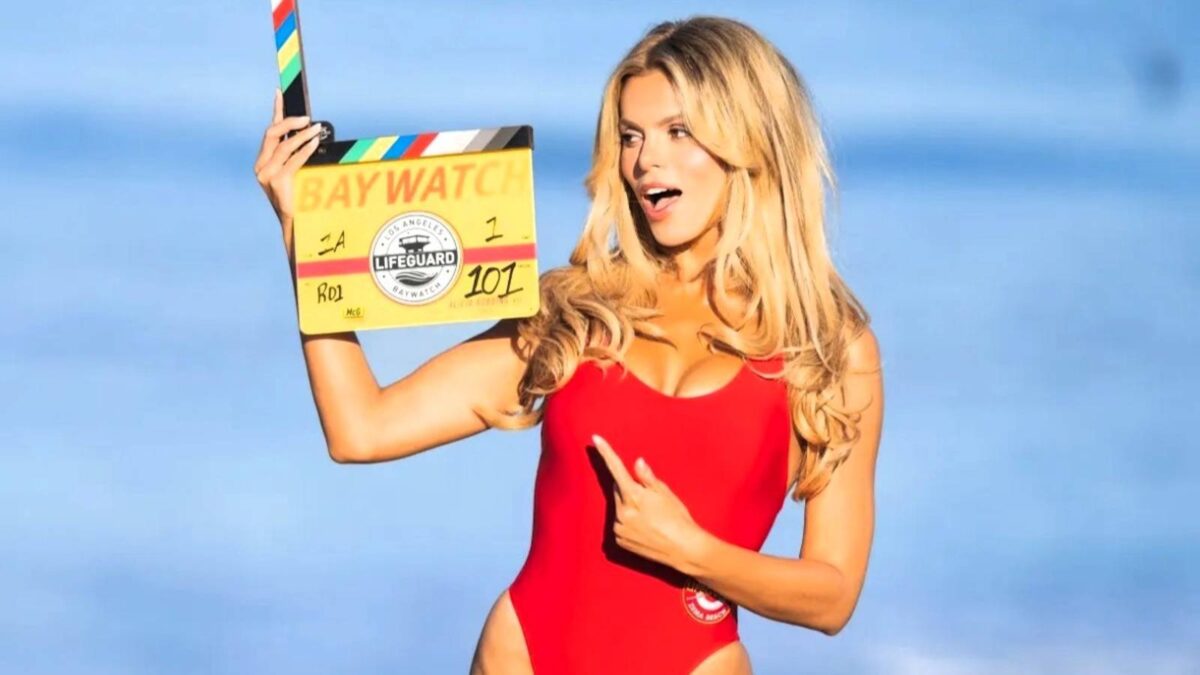
When Baywatch signed off in 2001, it had already spent the better part of a decade as the most-watched show on the planet, airing in more than 200 countries and reaching over a billion viewers a week at its peak.…
Aug 5, 2026
Origins’ Sets Return Date With Mark Harmon Getting a Season-Long Arc
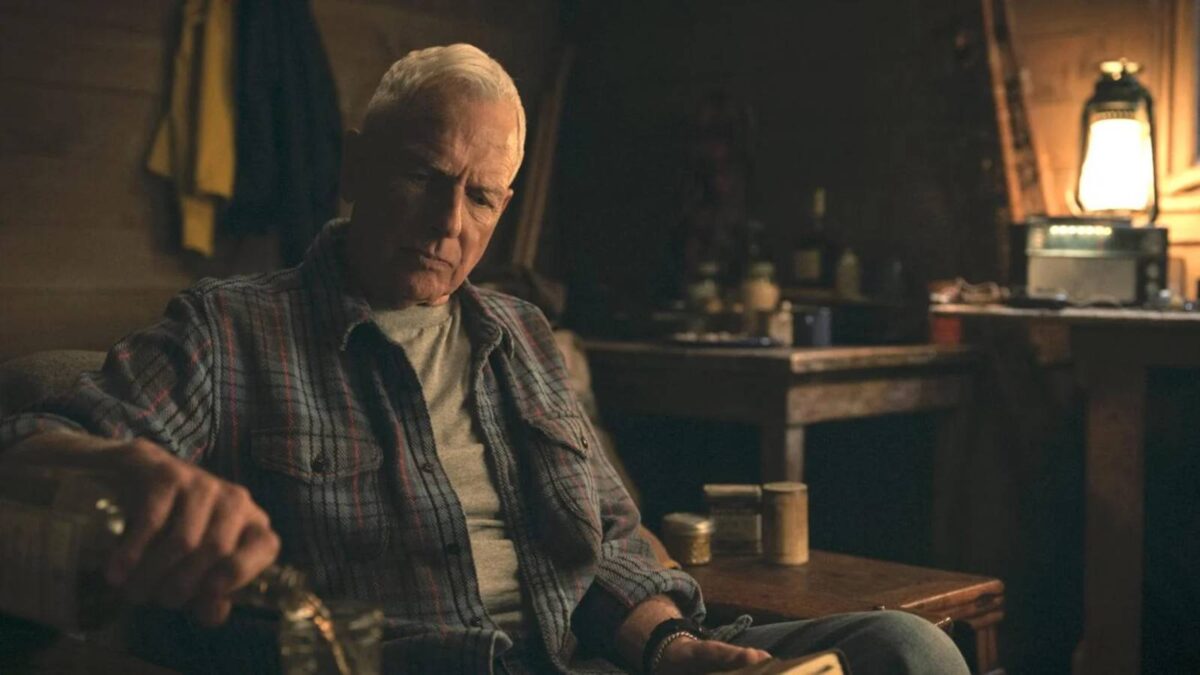
Mark Harmon played special agent Leroy Jethro Gibbs for 18 seasons of NCIS before leaving in Season 19. The original show has soldiered on without him — it will soon be back for its 24th season — but the franchise…
Aug 4, 2026
Forget ‘Lioness,’ Paramount’s 114-Episode Non-Stop Action Thriller Is One of the Biggest Shows on Streaming
Taylor Sheridan's hit action thriller, Spec Ops: Lioness, is nearly back with its third season. Season 3 of Lioness debuts on Aug. 2, dropping a new episode each week. While Taylor Sheridan fans are re-watching the series (and Sheridan's other…
Aug 3, 2026