I Went to a Therapy Session and Tig Notaro and Mike Birbiglia Were There
Apr 5, 2025
Image via Hartbeat
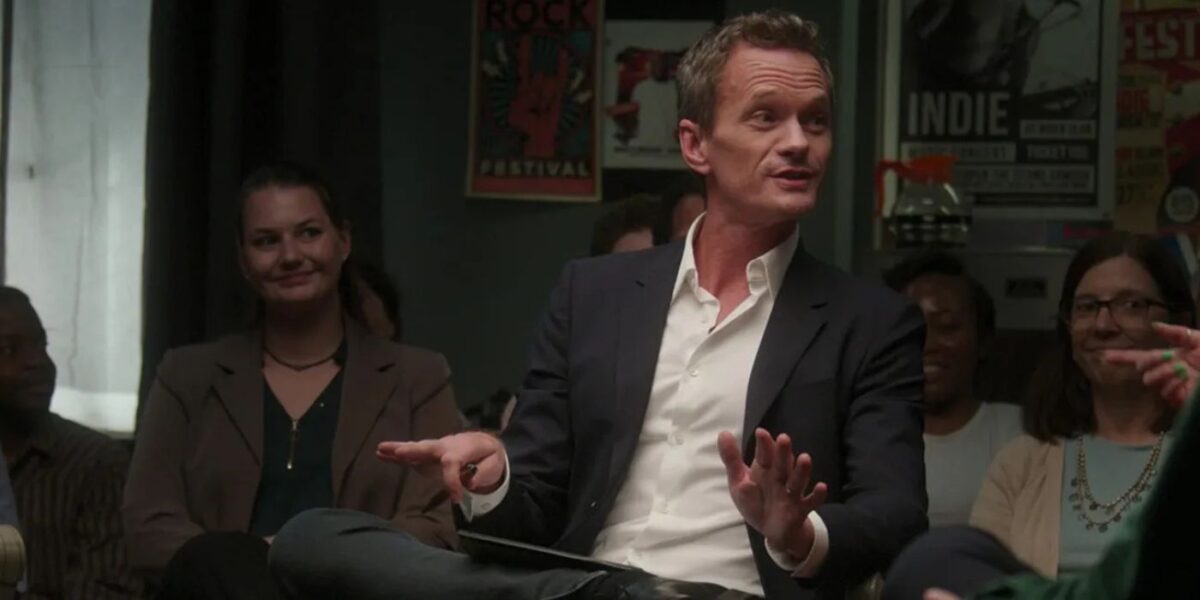
It’s a universal truth: comedy is the best form of coping. This duty to help people feel better is one that many comedians take up wholeheartedly, but what happens when the vulnerability that has helped thousands no longer serves the performers opening themselves up to the world? It’s an unaddressed burden that most fans easily ignore, and it’s something that Neil Berkeley’s Group Therapy brings to the forefront. This documentary gathers some of today’s biggest comedians for an unflinching conversation about mental health, with the group discussing (in front of a live audience) the struggles they’ve experienced and how it impacts their comedy careers.
As a spotlight on each performer, Group Therapy thrives; its simple yet effective editing merges confessionals, old clips, and scenes of the cast’s conversations to grant viewers a digestible understanding of each person’s approach to their art. In a medium that can easily become convoluted, this unique filming style helps watchers understand these people beyond their comedic ability, getting them invested in learning about each one — before gently asking them to turn this questioning onto themselves. Group Therapy acts not only as a showcase for this group, but also as a recognition of how invasive this genre can be, establishing itself as an enlightening exploration of how mental health, comedy, and the pains of celebrity intersect in what is a must-watch for any true comedy fan.
You’ll Want To Be a Part of This ‘Group Therapy’
On the cast alone, Group Therapy will have comedy fans flocking to watch it. It assembles a group of true all-stars in Nicole Byer, Gary Gulman, London Hughes, Atsuko Okatsuka, Tig Notaro, and Mike Birbiglia, with this enthusiastic (if not slightly nervous) bunch being talked through the titular form of healing by TV and Broadway legend, Neil Patrick Harris. The charismatic actor guides them through a series of intense questions while a crowd of fans watches, with this central dialogue being spliced with footage of the comedians speaking to the camera and moments of them interacting with one another on set. Group Therapy strikes a perfect balance among these different scenes; it never delves too deeply into the sad confessionals, avoiding becoming some sort of exposé on the pains of being a comedian, and while the group’s interactions are hilarious, the documentary utilizes them sparingly to not detract from its overall poise. It’s a relaxed yet thoroughly intentional style of filming, shirking the over-intellectualism of similar projects and making its content as easily understandable as the comedies and stand-up specials these stars have found success in.
The collective careers of Group Therapy’s cast span decades, subgenres, and even countries, with this combination of folks offering an expansive view of the many hurdles any up-and-coming comic must face. But beyond logistical nightmares, the genuinely gripping moments are when the performers shirk their on-stage personas and discuss their struggles with mental health. The first act is completely stolen by Okatsuka, whose dry comedy meshes perfectly with the documentary’s intent, as she discusses things like her mother’s schizophrenia. As the film goes on, more of the performers get their moment in the spotlight, with the narrative finding perfect segues between each so that the overall narrative never feels shoehorned or rushed. It’s aided greatly by clips of each performer’s previous work, with these moments pairing with discussions of trying to turn pain into hilarious performances to emphasize the tenuous relationship a comedian’s mental health can have with their success in this genre.
‘Group Therapy’ Shows Why Simple Storytelling Works
Image via Hartbeat
Group Therapy captures the complex love this group has for turning sorrow into gut-busting set material. While every comedian has experience with this, the feature’s middle portion is owned by Notaro and Gulman. Tig discusses how, over a few months, her mother passed away, she lost a longtime partner, she contracted a deadly disease, and she discovered she had cancer, while Gary details how he’s suffered from severe depression and suicidal ideation since kindergarten. These discussions are not meant to make viewers feel sorry for the comics (though one confessional from Gulman is particularly tearjerking) but to exemplify how healing it can be for them to turn their pain into comedy — when it’s done on their own terms.
Through the cast’s open conversations and moments like Gulman discussing how his friend, comedian Mitch Hedberg, died of an overdose after years of using his addictions as fodder for his act, Group Therapy effortlessly does what only the best documentaries can: it makes viewers feel for the film’s focus. By establishing that empathy and implementing a combination of stellar editing and straightforward storytelling, it makes watchers understand how difficult it is to make people feel joy when you can’t do that for yourself.
While Group Therapy excels in so many ways, the documentary isn’t without flaws. Namely, it has a balance issue when it comes to the different comedians; while there is a clear effort to highlight every person, it has trouble structuring the plot so every person’s hardship has the gravitas it deserves. All of these issues are valid, but in failing to properly space them in its plotline, Group Therapy makes some appear more important than others. While the stories presented by Gulman and Notaro are remarkable, they sometimes cause many of the other comedians’ accounts to not be as compelling in comparison.
We All Need Some ‘Group Therapy’
Now more than ever, it’s important that a documentary like Group Therapy exists. It’s unfortunate how stigmatized mental health still is today, and by showing how this group of hilarious stars struggle with theirs, this project makes audiences understand what a universal experience it is to need support when life feels like too much. The film may falter at certain moments in balancing the many people who fill up its narrative, but overall, it manages to grant each person the spotlight necessary to ensure their story is heard and understood by everyone in the audience. Rather than trying to stress this emotional impact through a complex filming style, it relies on straightforward editing to allow these people’s experiences to speak for themselves. Group Therapy recognizes that mental health journeys are as complex as the eclectic group at its center, and in managing to communicate this with the same kind of easy storytelling as the best comedy movies, it becomes one of the most important discussions of mental health that viewers can watch today.
Group Therapy is now available to stream on Prime Video.
Group Therapy
Group Therapy gathers some of today’s biggest comedians for an unflinching conversation about mental health
Release Date
April 2, 2025
Runtime
86 Minutes
Director
Neil Berkeley
Producers
Kevin Hart, Kevin Healey, Bryan Smiley
Pros & Cons
The documentary uses a simple filming style to focus completely on its best aspect: the cast.
Smooth editing allows a seamless transition between discussions and makes each one more impactful.
The cast’s vulnerability around any and all topics makes this one of the most enlightening explorations of comedy that audiences will ever see.
The documentary tends to emphasize one kind of emotional pain over another, unintentionally invalidating the experiences of some of its stars.
While a fun mechanic, the ‘Live Audience’ is never addressed and largely functions just as canned laughter.
An imbalanced narrative in the later portions makes some stars get ample screentime while others struggle to snag a few minutes.
Publisher: Source link







Disney+ Officially Exploring Major Streaming Platform Change
With Toy Story 5 making big bucks at the box office and The Devil Wears Prada 2 crushing the streaming numbers, Disney is poised to keep the momentum going. The media giant has been cutting hundreds of jobs in addition…
Aug 6, 2026

‘Baywatch’ Reboot Officially Confirms Streaming Release Details
When Baywatch signed off in 2001, it had already spent the better part of a decade as the most-watched show on the planet, airing in more than 200 countries and reaching over a billion viewers a week at its peak.…
Aug 5, 2026
Origins’ Sets Return Date With Mark Harmon Getting a Season-Long Arc
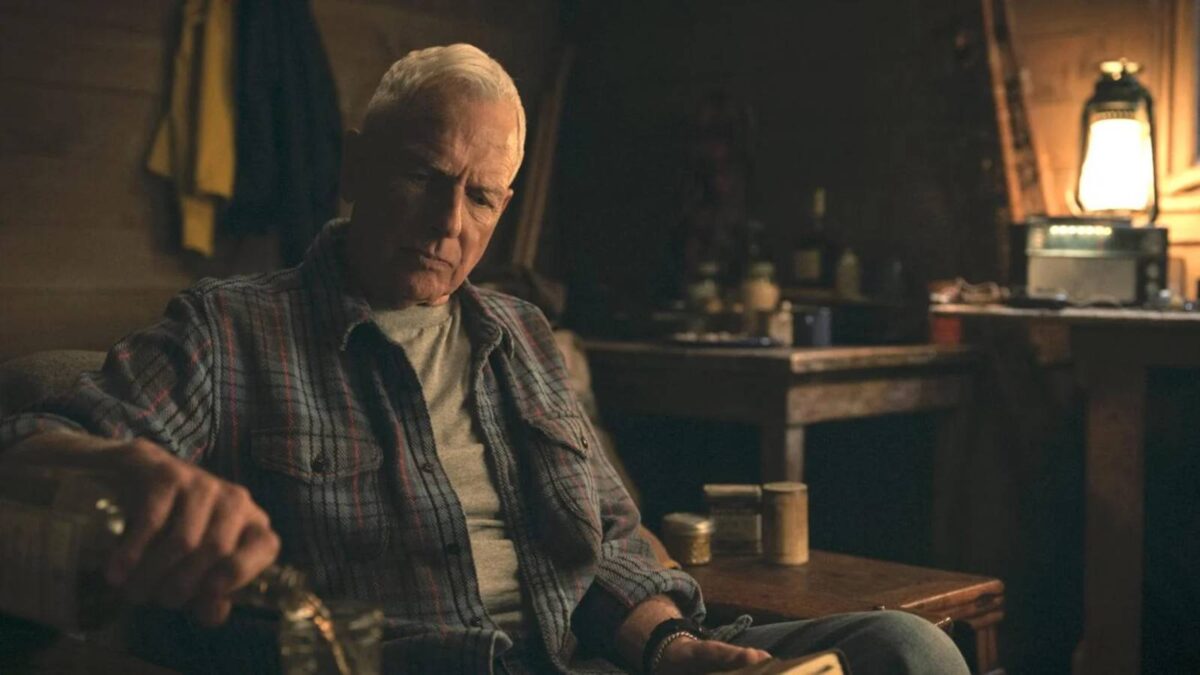
Mark Harmon played special agent Leroy Jethro Gibbs for 18 seasons of NCIS before leaving in Season 19. The original show has soldiered on without him — it will soon be back for its 24th season — but the franchise…
Aug 4, 2026

Forget ‘Lioness,’ Paramount’s 114-Episode Non-Stop Action Thriller Is One of the Biggest Shows on Streaming
Taylor Sheridan's hit action thriller, Spec Ops: Lioness, is nearly back with its third season. Season 3 of Lioness debuts on Aug. 2, dropping a new episode each week. While Taylor Sheridan fans are re-watching the series (and Sheridan's other…
Aug 3, 2026