Don’t Sleep on This Underappreciated Indie Vampire Movie — David Lynch Funded It for a Reason
Apr 9, 2025
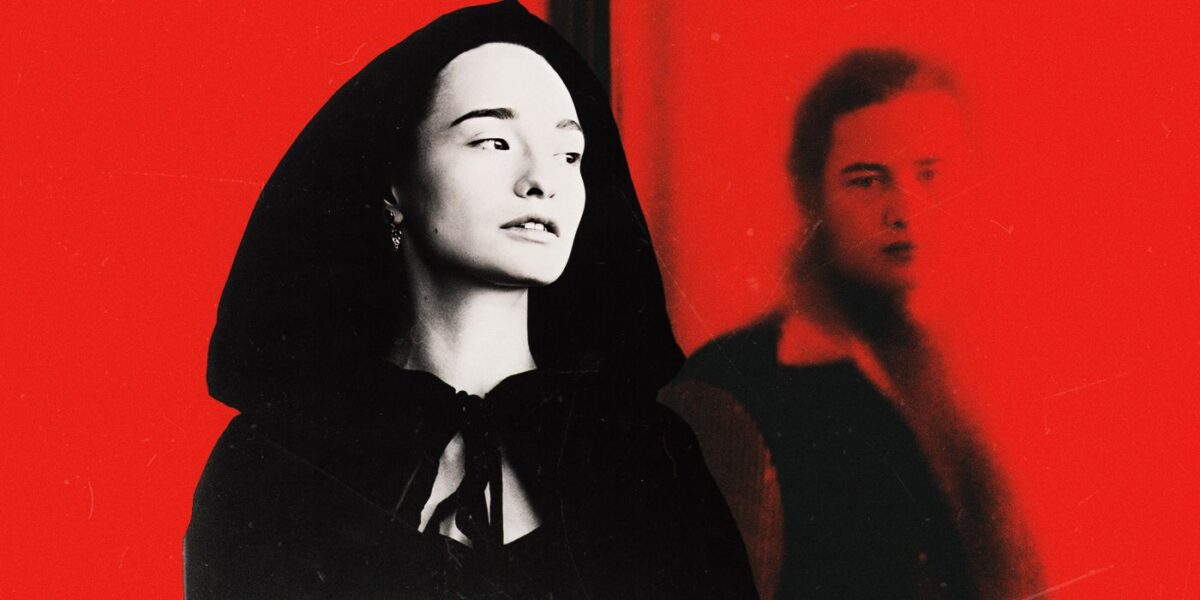
Abstract horror can often leave you feeling more haunted than a movie with more traditional ghosts and goblins. David Lynch was a master of the surreal and bizarre, so it’s not that surprising that he had a hand in making one of the strangest vampire movies of the ’90s, Nadja. Ostensibly, the plot revolves around the daughter of Dracula going up against the modern-day Van Helsing family – but that’s not really important compared to its philosophical discussions about life and its singular visual style that was intentionally shot to be grainy and borderline indecipherable at times.
Writer/director Michael Almereyda’s artistic representation of ennui is as fascinating as it is baffling, all the more so because the weirdness is so clearly intentional. While Jim Jarmusch’s similarly off-beat Only Lovers Left Alive tells a story about hipster vampires, it’s still a relatively straight-forward, accessible narrative. Nadja, on the other hand, is the epitome of a hipster movie that just so happens to be about vampires.
‘Nadja’ Was a Weird Vampire Movie Before It Was Cool
Image via October Films
Like Only Lovers Left Alive would do decades later, Nadja gets its “horror” element strictly from the fact that it deals with a common horror archetype. Instead of using that to scare its audience, both movies use it as a way to explore our search for meaning in our existence, even when that existence is eternal and non-human. But despite its very human take on vampires and immortality, Jarmusch’s film still feels pretty accessible to mainstream audiences. Jarmusch captures the lifestyles of Tilda Swinton’s and Tom Hiddleston’s vampires through crisp cinematography, carefully selected music, and a generally straight-forward plot, albeit one with lower stakes (no pun intended) than most vampire movies. Nadja, on the other hand, seems to actively want to be inaccessible, putting much more emphasis on its emotional “vibe” rather than its plot.
Related
This Hidden, 80% Fresh Horror Gem Brings Dracula Back to Where He Belongs
Dracula’s real origins don’t lie in Transylvania.
The titular Nadja, played by Elina Löwensohn, oozes coolness, smoking cigarettes while wearing all black and having philosophical discussions in bars. Löwensohn’s performance is quiet and even-keeled, even when she’s actively being “villainous” by pursuing someone down an alley. In fact, everyone’s performance is low-key, and they all deliver their dialogue with the utmost seriousness, including when describing the telepathic link that Nadja and her brother (Jared Harris) have as a “psychic fax.” It’s strange to watch, but it does fit the movie’s exploration of the ennui experienced by Nadja, a vampire disillusioned with her immortality, and Galaxy Craze’s Lucy, a woman feeling trapped in her marriage and hum-drum life. The movie also often stops the forward momentum of the plot to have characters ruminate on the state of their existence or the meaning of life, further underlining Almereyda’s emphasis on theme over narrative.
David Lynch Fully Funded ‘Nadja’ After the First Backers Pulled Out
In the early 90s, audiences – and studios – were as ready for fresh takes on vampire lore as we are today, ensuring that less schlocky and more visually stunning films like Bram Stoker’s Dracula and Interview with the Vampire became blockbusters. However, as is usually the case, there’s still a line between “new and interesting” and “throwing traditional storytelling out the window,” and Nadja proudly stepped over that line and kept walking. Nothing feels more hipster than staying true to your vision against the wishes of “the man” (in this case, corporate studios), but it does make getting funding from said studios much harder. As Almereyda told Cinefantastique, “When people read the script they’d say ‘It’s great, but can you do it in color?’” Modern black-and-white films can be difficult to market to mainstream audiences, but Michael Almereyda wanted to utilize the look for being both inexpensive and more in line with the movie’s themes.
He actually went even further to make the look of his movie less traditional by using low-quality filming equipment; specifically, he used a literal toy camcorder, the Fisher-Price PixelVision. The result is a very fuzzy look to most of the movie, which at times makes it nearly impossible to see the details of the action on-screen; Almereyda felt this better represented the undead point of view of his vampires. Unfortunately, the original financial backers of the film pulled out just two days before shooting began, possibly not wanting to take the gamble on a grainy black-and-white surrealist movie and certainly leaving Almereyda in a bind – but only briefly. David Lynch, himself a utilizer of black-and-white film and a bucker of norms, was already supporting the film and generously offered to fully fund its continued production when the other funding disappeared, giving the world a truly one-of-a-kind vampire movie that otherwise might not exist.
If you’ve exhausted David Lynch’s personal filmography in honor of his recent passing, but still want to experience his particular vibe, Nadja is a pretty solid choice. After all, Lynch believed in it enough to fully finance the film and appear in a cameo; he also called Michael Almereyda “one of the best independent, new wave directors in America.” If that’s not a stamp of approval, nothing is.
Nadja
Release Date
September 13, 1994
Runtime
93 minutes
Director
Michael Almereyda
Producers
Amy Hobby, David Lynch
Publisher: Source link



Rebecca Ferguson’s Near-Perfect Sci-Fi Thriller Is Officially a 600-Day Streaming Smash Hit
While it was the Mission: Impossible franchise that put Rebecca Ferguson on everyone's radar, it was her appearance as Rose the Hat in Doctor Sleep that cemented her as a superstar. It led to movies like Dune, Netflix's A House…
Oct 25, 2026
‘The Gentlemen’ Loses 2 Original Stars, Reunites ‘Lord of the Rings’ Icons in Big Season 3 Shake-Up
Guy Ritchie's signature blend of aristocratic elegance and gritty underworld chaos has officially solidified its place as a Netflix powerhouse. Originally launched as a television spin-off of his hit 2019 feature film, The Gentlemen captivated global audiences across its first…
Oct 24, 2026
Taylor Sheridan’s ‘Yellowstone’ Sequel Hits Major Milestone Ahead of Streaming Return
The Yellowstone universe has grown so fast since the main series ended that it’s fair to wonder whether the franchise might be stretching itself a bit thin. That’s part of why Dutton Ranch came as something of a surprise. Beth…
Oct 23, 2026
Taylor Sheridan’s 5-Part Western Sensation Returns to Streaming as New Spin-Off Battles for #1 Spot
Taylor Sheridan's seminal five-season western is officially one of the biggest shows on streaming, once again, all while its latest spin-off fights for the #1 spot on the charts. Taylor Sheridan keeps going from success to success. After his hit…
Oct 22, 2026