‘Sinners’ Setting Is Perfect for Its Vampire Story
Apr 17, 2025
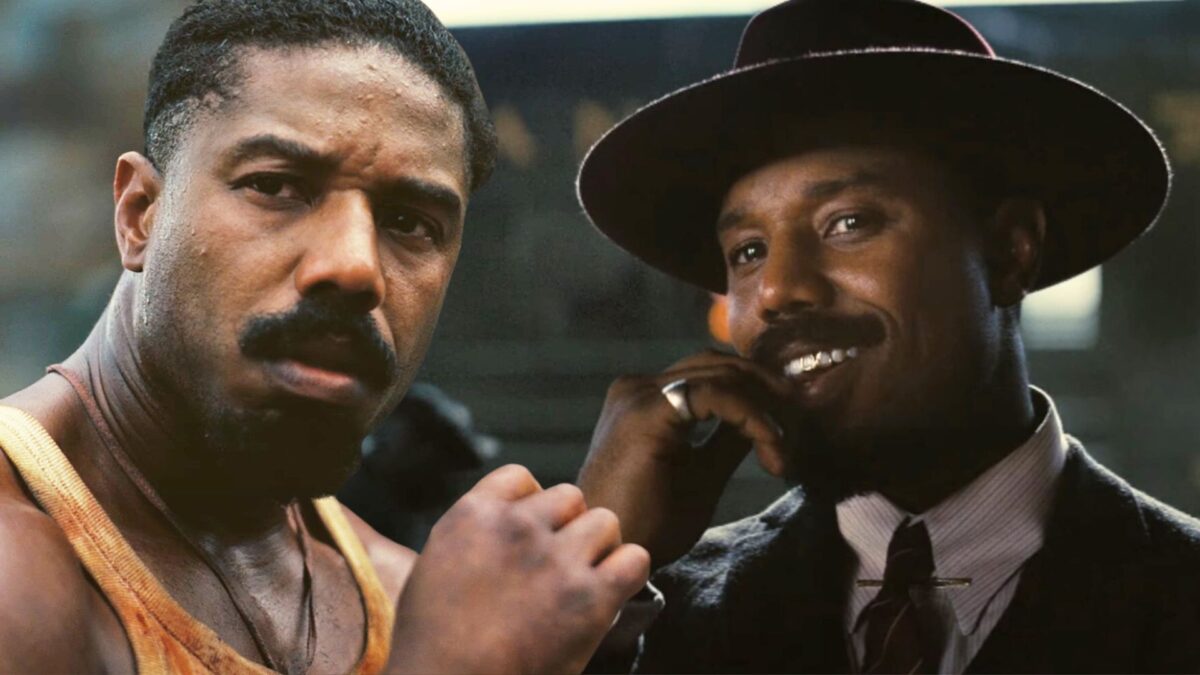
Sinners’ writer and director Ryan Coogler is behind several iconic modern films, from Creed to Black Panther. While most of his movies take place in the present or near-present, he has never ventured as far back as the early 1900s to tell a story. As with any great film, a choice this big is, of course, not arbitrary. There are a multitude of reasons why the South, especially in the Jim Crow era, is a fantastic setting for a story about true sin and real monsters.
Terror and Race
The official synopsis for Sinners reads as follows:
Trying to leave their troubled lives behind, twin brothers Smoke and Stack (Michael B. Jordan) return to their hometown to start again, only to discover that an even greater evil is waiting to welcome them back.
The Jim Crow era was all about reinforcing the power dynamics in a society that was being re-imagined after the end of slavery. Former slave owners and white supremacists had a vested interest in keeping Black Americans afraid. Not only were the laws discriminatory, but those who enforced and accepted them often turned a blind eye towards offenses against Black Americans. Nothing could be a more terrifying backdrop for a story involving creatures of the night than a world already determined to ignore your screams for help. It provides a reminder to viewers that the things we so often fear in the horror stories we tell ourselves are not perpetrated by supernatural beings, but by other people.
Related
Michael B. Jordan Dances With the Devil in Trailer for ‘Creed’ Director’s Explosive New Horror Thriller
A new trailer for Ryan Coogler’s upcoming horror movie confirms the monster we’ve all been suspecting.
Vampires have also typically been tied to race in a way that is echoed in the sentiments of a segregated South. Vampires themselves are seen as a physically elite race, with unnatural beauty and pale skin. The use of vampires, as opposed to any other sort of monster, is a deliberate and excellent choice in showing how inextricably intertwined notions of status and societal power are with race.
Ultimate Control and Power
While chattel slavery was seemingly illegal at the time, segregation was also used as a tool for indentured servitude in the continued work of Black Americans for wealthy white families in the South. These themes of force and control can easily be tied back to the common folklore surrounding vampires. Hypnotism and compulsion are some of the popular tricks in vampire fiction to get humans to do the bidding of the monsters. Audiences can begin to appreciate, through a story of vampires set in the segregated South, how fear and coercion can create seemingly willing victims.
Related
Vampires May Not Be the Only Supernatural Part of Michael B. Jordan’s ‘Sinners,’ Director Teases
While the recent trailer seemed to give away far too much, there are still some surprises to be had in ‘Sinners.’
Power was the ultimate weapon wielded in the Jim Crow South by wealthy white landowners. Wealth, for those who had it, was the tool of choice for a region determined to keep its communities very separate and unequal. Those who were not able to profit from the fruits of their own labor were forced to work for those who could, and answer to them. Wealth has always been at the heart of vampire mythology. From Count Vlad Dracul to Countess Elizabeth Báthory, stories of unimaginable wealth and the horrors it brought on the common people have persisted through the ages. Vampires are physically powerful creatures, but their stories have always stemmed from stark divisions in class.
Tension and Repression
The American South was rife with tension in the aftermath of the Civil War. Racial tensions, as well as tensions between Union loyalists and those who believed in the Confederate effort, were bubbling just beneath the surface at all times. Religious disagreements also rose to a head during this period as many Southern protestant denominations adopted pro-slavery attitudes as opposed to their Northern counterparts. Any natural tensions in the characters’ worlds make for a better film, but these tensions speak to Sinners’ themes directly. In the trailer, people can be seen dancing with snakes, throwing integrated jazz parties, and partying with hard liquor. In a narrative that weaves together white supremacy, gin-drinking party-goers, and blood-sucking vampires, audiences will question who the real sinners are.
There were many puritanical laws and ideals in place in the South during the Jim Crow era. Coogler’s Sinners is set in the 1930s, which was still under federal prohibition laws. The prohibition of alcohol, as well as the emergence of the Great Depression, had implications on societal standards that were a far cry from the liberated flapper era of the 1920’s. Hailee Steinfeld and Michael B. Jordan star as two (three, technically) of the central characters of Coogler’s story, and we see through the trailer that the repression of sexuality is incredibly present for these characters. At the time, interracial relationships, as well as any forms of sexual promiscuity, were considered punishable by law and at times by death.
Vampires are often a vehicle for themes of sexual repression, as can be seen with the recent release of Nosferatu. From the beginning, these stories have been tied to societal fears of moral corruption through sexual desire, which both Sinners and its setting touch on. What better way to explain the dangers of suppressing humanity’s most basic desires than to combine them with a lust for blood? In this and all the other ways, the Jim Crow South is set to make Sinners one of the most interesting vampire films in recent memory. See it when it hits theaters on April 18 from Warner Bros.
Sinners
4.5
/5
Release Date
April 18, 2025
Runtime
138 Minutes
Publisher: Source link






Rebecca Ferguson’s Near-Perfect Sci-Fi Thriller Is Officially a 600-Day Streaming Smash Hit
While it was the Mission: Impossible franchise that put Rebecca Ferguson on everyone's radar, it was her appearance as Rose the Hat in Doctor Sleep that cemented her as a superstar. It led to movies like Dune, Netflix's A House…
Oct 25, 2026
‘The Gentlemen’ Loses 2 Original Stars, Reunites ‘Lord of the Rings’ Icons in Big Season 3 Shake-Up
Guy Ritchie's signature blend of aristocratic elegance and gritty underworld chaos has officially solidified its place as a Netflix powerhouse. Originally launched as a television spin-off of his hit 2019 feature film, The Gentlemen captivated global audiences across its first…
Oct 24, 2026
Taylor Sheridan’s ‘Yellowstone’ Sequel Hits Major Milestone Ahead of Streaming Return
The Yellowstone universe has grown so fast since the main series ended that it’s fair to wonder whether the franchise might be stretching itself a bit thin. That’s part of why Dutton Ranch came as something of a surprise. Beth…
Oct 23, 2026

Taylor Sheridan’s 5-Part Western Sensation Returns to Streaming as New Spin-Off Battles for #1 Spot
Taylor Sheridan's seminal five-season western is officially one of the biggest shows on streaming, once again, all while its latest spin-off fights for the #1 spot on the charts. Taylor Sheridan keeps going from success to success. After his hit…
Oct 22, 2026