A Mournful Miracle Of A Film Evokes Heartbreak Similar To ‘Aftersun’ But 1990s Lagos, Nigeria [Cannes]
May 19, 2025
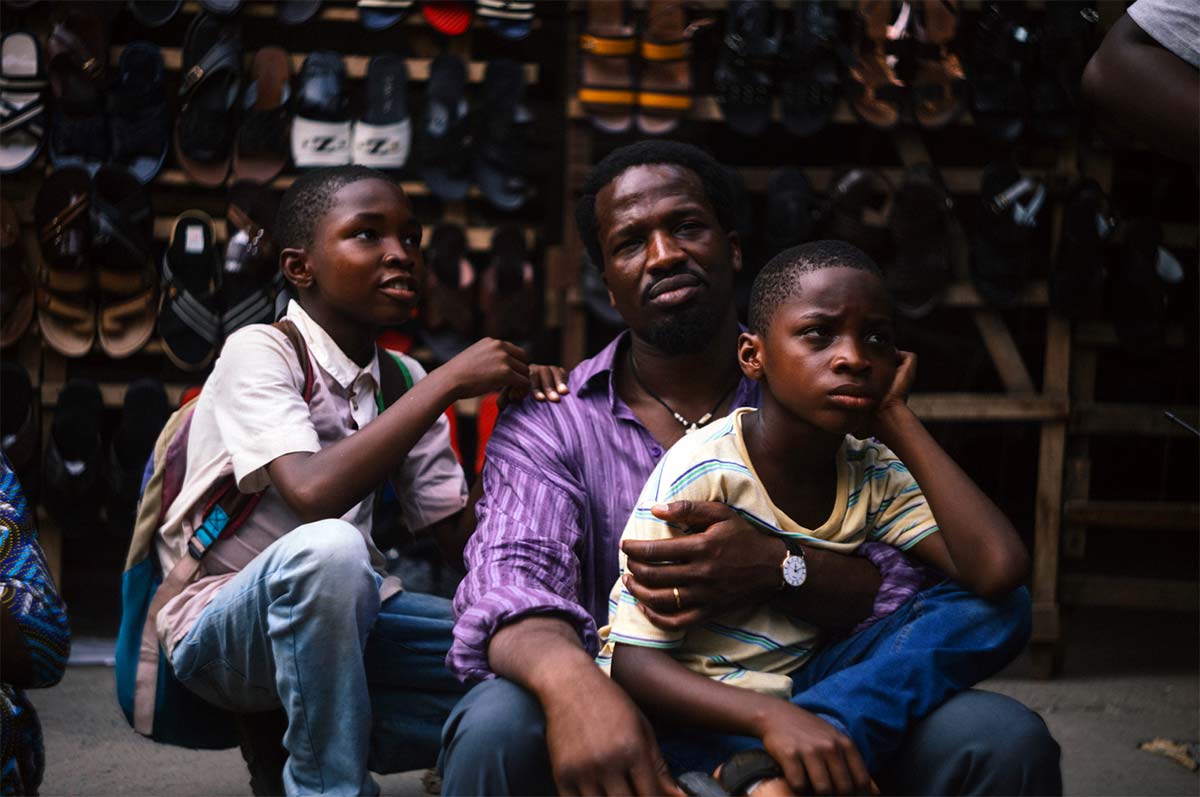
No matter how surreptitiously Folarin (Sope Dirisu) thinks he’s acting, his perceptive young sons Remi (Chibuike Marvellous Egbo) and Akin (Godwin Egbo) pick up on the nuances of his behavior. A flirtatious smile with a woman who’s not their mother cues in their suspicions, for example. That observant childhood gaze, exploring every space and instance with wide-eyed curiosity, defines “My Father’s Shadow,” filmmaker Akinola Davies’ strikingly affecting semiautobiographical first feature co-written with his brother Wale Davies.
READ MORE: Cannes 2025 Most Anticipated Films: ‘Sentimental Value,’ ‘Eddington,’ ‘Die My Love’
Vultures circle the skies on the day the boys’ father unexpectedly returns home just for a moment before departing again in 1993, Nigeria, as the country awaits the results of a crucial election. The possibility of transitioning from a military government to a democratic system finally seemed nigh. Reluctantly, Folarin agrees to take his sons along to the country’s hectic capital of Lagos. What begins as a rare but casual opportunity for quality time with their estranged dad turns into a worldview-altering experience in the children’s young lives.
In Davies’ alluring and mournful miracle of a picture told over a single day, the camera often closely observes the minutia that captures Remi and Akin’s attention throughout their big-city adventure, whether it’s an insect or the faces of the men and women rushing through the day. There’s a dreamlike richness to the colors and textures that cinematographer Jermaine Edwards obtains from the world. The effect is not exactly what one would call “looking through rose-colored glasses,” but the vibrant images seen through the boys’ lens communicate how, at that impressionable age, what the world has to offer seems brighter. A sense of constant discovery permeates the film’s visual attributes.
“I will see you in dreams,” says Remi in a voice over that resurfaces throughout the events like a mantra, or a chant that acts as a reminder that “My Father’s Shadow” is an act of remembrance, and that it’s his innocent response to trauma and elation that drives it.
Folarin’s task in Lagos is to collect back wages at his place of employment, but the trip gains a more personal purpose as the hours accumulate and he must wait for his boss to return. Those lapses of time see the burly man showering his boys with the attention they so eagerly demand. Scenes at the beach show playful rowdiness captured under stark lighting. In one of the film’s most heartrending exchanges, Folarin has a heart-to-heart with Remi, explaining the origin of his and his brother’s names (Olaremi and Akinola), imparting wisdom with his take on tenderness.
The young Chibuike and Godwin Egbo, real brothers, navigate their roles as the naïve yet perspicacious siblings with an endearing naturalness. Their juvenile rivalries and shared moments of painful realization make them not only the pillars of the film’s pathos, but more importantly, the ones whose affecting transformation gives the film its shape. To say they were ideally cast might impose an understatement, since their turns are just as muscular in thoughtfulness as that of any adult with whom they cross paths.
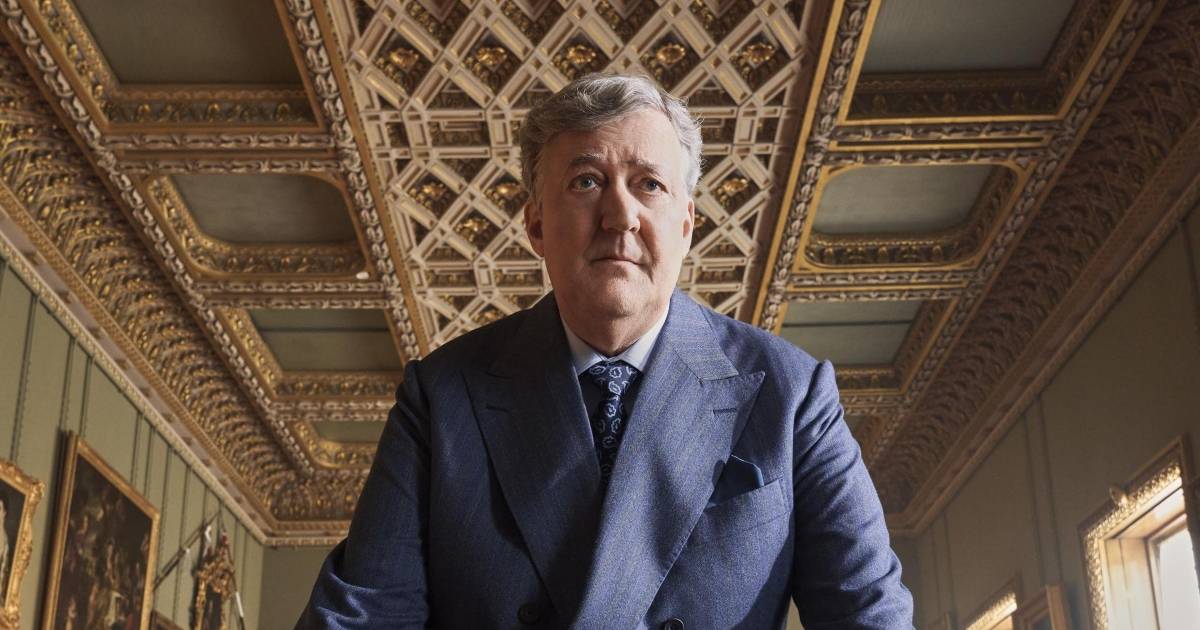
British-born Dirisu (“Slow Horses”) embodies Folarin’s stern but never cruel approach to parenting and his hopeful idealism about the future of his homeland, with a remarkable inner vigor and dignity even as he faces adversity. He defends the electoral process, believing the results will mark a turning point for the better. That the country he’s seen struggle in his whole life will be different for his children. Far from the portrait of a saint, “My Father’s Shadow” profiles a man whose distinct facets ranged from dutiful parent to unfaithful husband. Eventually, a man overcome with unbearable disappointment when the prospect of a grimmer picture supplants the better days he thought were coming.
Support independent movie journalism to keep it alive. Sign up for The Playlist Newsletter. All the content you want and, oh, right, it’s free.
Though evidently derived from a different cultural and political context, “My Father’s Shadow” resembles Charlotte Wells’ critically acclaimed “Aftersun” in that both see the filmmakers express with their relationship to a father who is no longer around, but whose presence indeed left an emotional imprint on who they are. They both take place in the 1990s and employ an evocative imagery, but Davies’ intensely lyrical effort, one of the most debuts in recent years and the first Nigerian feature in competition at Cannes, acquires emotional transcendence in its devastating final minutes. It grieves not only a single person, but a country, and the loss of what could have been to senseless violence.
Remi’s promise, spoken like a prayer that he’ll see his father again in a realm beyond our tangible reality, coats “My Father’s Shadow” with a spiritual yearning that feels sorrowful and personal. And what are films if not materialized visions from an artist’s mind, from memory, desire, and inquisitiveness? It’s through the alchemy of cinema that the Davies brothers have carried out a resurrection of a soul now frozen intact on the screen. [A]
Follow along for all our coverage of the 2025 Cannes Film Festival, including previews, reviews, interviews, and more.
Publisher: Source link




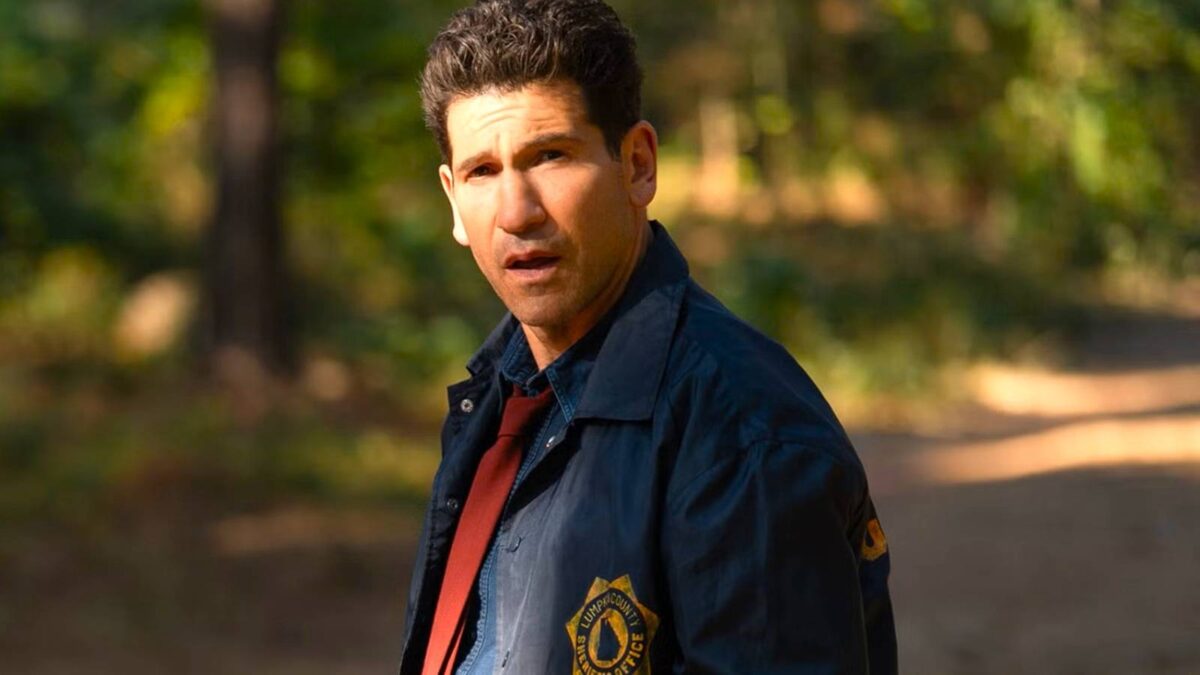
Jon Bernthal Netflix Thriller Crowned One of 2026’s Biggest Streaming Shows
Jon Bernthal is on a serious hot streak right now, with the actor (alongside fellow MCU star Tom Holland) starring in not one, but two of the biggest box office hits of the year in Christopher Nolan's The Odyssey and…
Aug 7, 2026
Disney+ Officially Exploring Major Streaming Platform Change
With Toy Story 5 making big bucks at the box office and The Devil Wears Prada 2 crushing the streaming numbers, Disney is poised to keep the momentum going. The media giant has been cutting hundreds of jobs in addition…
Aug 6, 2026
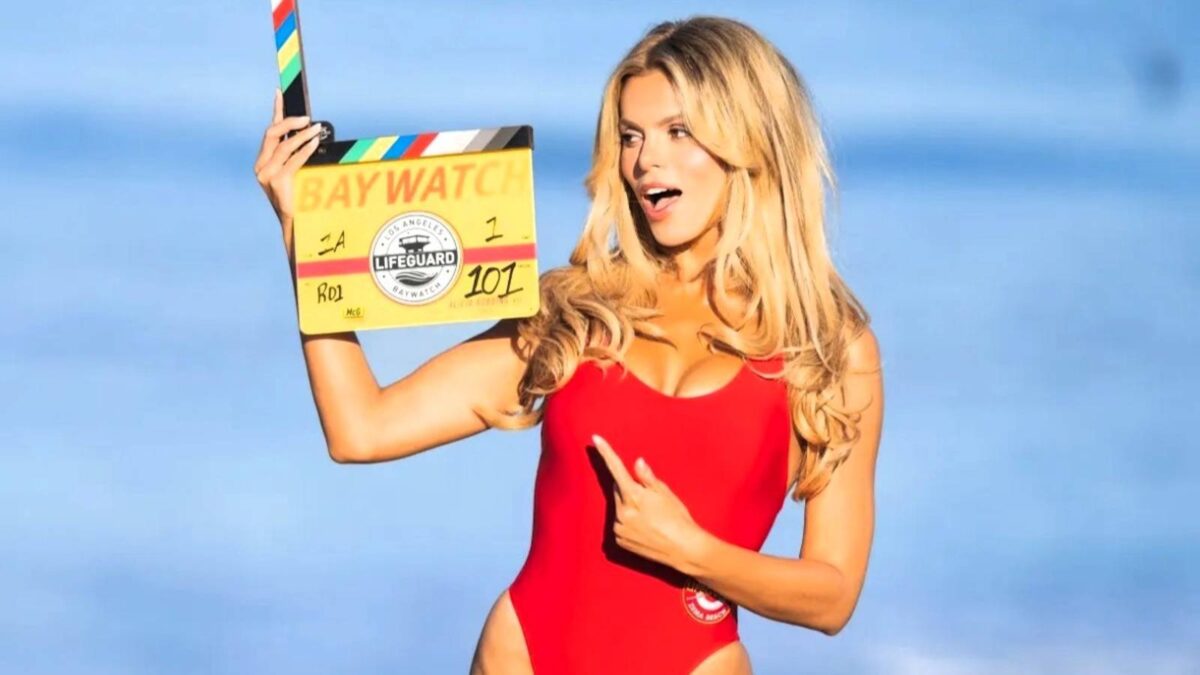
‘Baywatch’ Reboot Officially Confirms Streaming Release Details
When Baywatch signed off in 2001, it had already spent the better part of a decade as the most-watched show on the planet, airing in more than 200 countries and reaching over a billion viewers a week at its peak.…
Aug 5, 2026
Origins’ Sets Return Date With Mark Harmon Getting a Season-Long Arc
Mark Harmon played special agent Leroy Jethro Gibbs for 18 seasons of NCIS before leaving in Season 19. The original show has soldiered on without him — it will soon be back for its 24th season — but the franchise…
Aug 4, 2026