Impossible II’ Was a Rough Turn for the Franchise, but It Was Also Completely Necessary for Its Future
May 20, 2025
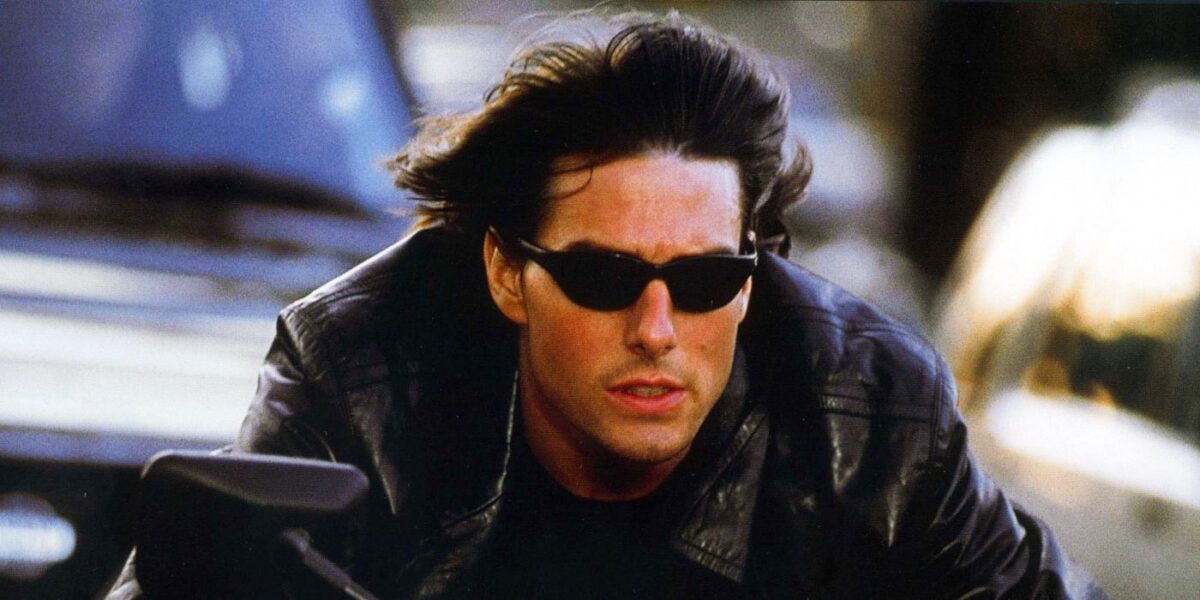
One of the strongest attributes of the Mission: Impossible franchise is its timelessness, with most of its entries existing in an evergreen space. Mission: Impossible II, however, is a different story. The long hair. The leather jacket. The Limp Bizkit song on the soundtrack. The second film in the Tom Cruise-led action franchise is so 2000, you can practically taste it. Often regarded as the series’ low point, John Woo’s film features incredible highs of intense thrills and dazzling set pieces, and grueling sequences of dull exposition. It’s easy to dismiss Mission: Impossible II from the canon now that Christopher McQuarrie has mastered the tonal and narrative scope of the franchise, but Woo’s unique spin on a pre-established brand paved the way for Rogue Nation through the upcoming The Final Reckoning, even if everything wasn’t fully developed yet.
John Woo Brought His Own Unique Spin to ‘Mission: Impossible II’
Like most of his career moves at that point, Tom Cruise’s foray into developing and overseeing a franchise was a soaring success, and a sequel to Mission: Impossible from 1996 was imminent, despite never starring in a sequel to his own movie. Where Christopher McQuarrie became the full-time franchise visionary today, M:I’s first four entries took a freelance approach, allowing four unique genre filmmakers to put their own spin on the series, each with a distinct visual and tonal palette. Just as stylistic and maximalist as Brian De Palma, who turned M:I into a slow-burn, psychological thriller, is John Woo, whose M:I II was an over-the-top shoot-em-up and espionage adventure evocative of Hard Boiled and Face/Off.
Hollywood was lucky to obtain the talents of Woo, the groundbreaking Hong Kong action-thriller filmmaker whose gun-fu and bullet ballet redefined how gunfighting and combat could be portrayed on screen. However, critics rarely appreciated his craft when he moved to the States, with films like Hard Target, Broken Arrow, and Face/Off being dismissed as all style and no substance. Mission: Impossible II was no different, as it was widely viewed as exhilarating entertainment with cheap storytelling and dramatic stakes. While it has its vocal defenders online, M:I II has never escaped its reputation as the weak link in the franchise, which is a fair claim that simultaneously undermines its macro importance to the arc of the series.
‘Mission: Impossible II’ Paved the Way for the Future of the Franchise
While most modern franchises attempt to wash out any singular voices, Mission: Impossible branded itself as a director-friendly series, with Tom Cruise hand-picking directors to pluck into a pre-established formula and letting them run wild with their visual flourishes. Pre-McQuarrie takeover, M:I didn’t have a house style, and in turn, Mission: Impossible II more resembles a John Woo film than a Mission: Impossible film. In M:I II, Ethan Hunt (Cruise) is sent to Sydney, Australia, to locate and destroy a genetically modified disease, Chimera. This is a fairly simplistic breakdown of a plot that seemingly has no rhyme or reason, and its convoluted structure becomes amusing.
You don’t have to enjoy it, but it’s admirable that Woo tried to blend James Bond and the thrillers of Alfred Hitchcock into the franchise. Channeling 007, Ethan is at his most outwardly charming with this film’s female protagonist, Nyah (Thandiwe Newton). The Hitchcock film that M:I II is most cribbing from is Notorious, the Cary Grant-Ingrid Bergman romantic spy thriller, where the plot and MacGuffin are inconsequential compared to the scintillating chemistry between its stars and dazzling set pieces. The film uses both of these elements and jacks up their testosterone to 100. For as exciting as the action numbers are, every scene where characters engage in dull exposition filled with mind-numbing jargon kills all the momentum created by Woo’s magic behind the camera.
Related
‘Mission: Impossible — The Final Reckoning’ Review: Tom Cruise Gives a Fitting Conclusion to One of the Greatest Action Franchises Ever Made
If they choose to make this their final mission, this would be a solid note to go out on.
While incongruous compared to its future installments, Mission: Impossible II is integral to the franchise’s director-oriented approach. While not as overtly idiosyncratic, the recent slate still demonstrates clear signs of craft and artistic decision-making. McQuarrie’s work is stellar, but having other directors instill their vision into the series, even if they run too far off the course like Woo, would help distinguish each film and challenge Cruise, who has a kinship with McQuarrie, as a dramatic actor. Franchise experimentation is near-extinct in today’s corporate-controlled brand management, causing Mission: Impossible II to age like a fine wine.
Before Dead Reckoning made exposition-heavy dialogue between secret agents effortlessly riveting, John Woo laid the groundwork in M:I II. Following Woo’s film, the series infused James Bond, Hitchcock, Buster Keaton, and various other genres and eras of filmmaking in each entry, perfecting the blend between high-octane action and globe-trotting espionage. Everyone made fun of his film upon its release, but John Woo was ahead of his time.
Publisher: Source link



Rebecca Ferguson’s Near-Perfect Sci-Fi Thriller Is Officially a 600-Day Streaming Smash Hit
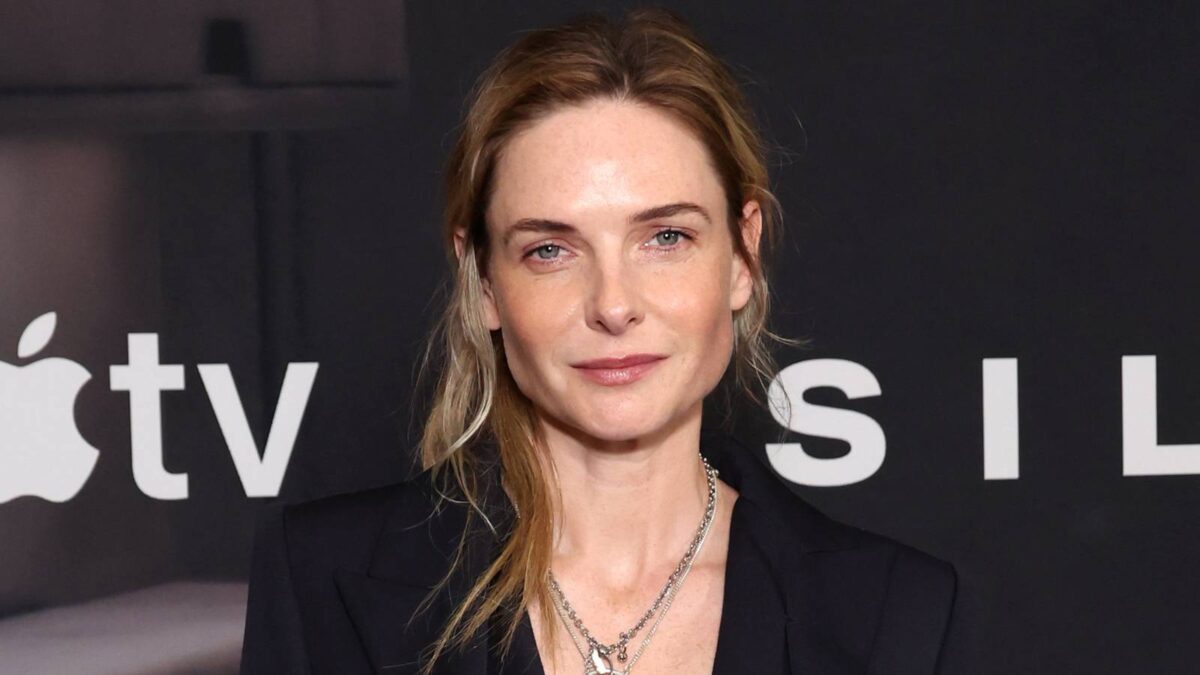
While it was the Mission: Impossible franchise that put Rebecca Ferguson on everyone's radar, it was her appearance as Rose the Hat in Doctor Sleep that cemented her as a superstar. It led to movies like Dune, Netflix's A House…
Oct 25, 2026
‘The Gentlemen’ Loses 2 Original Stars, Reunites ‘Lord of the Rings’ Icons in Big Season 3 Shake-Up
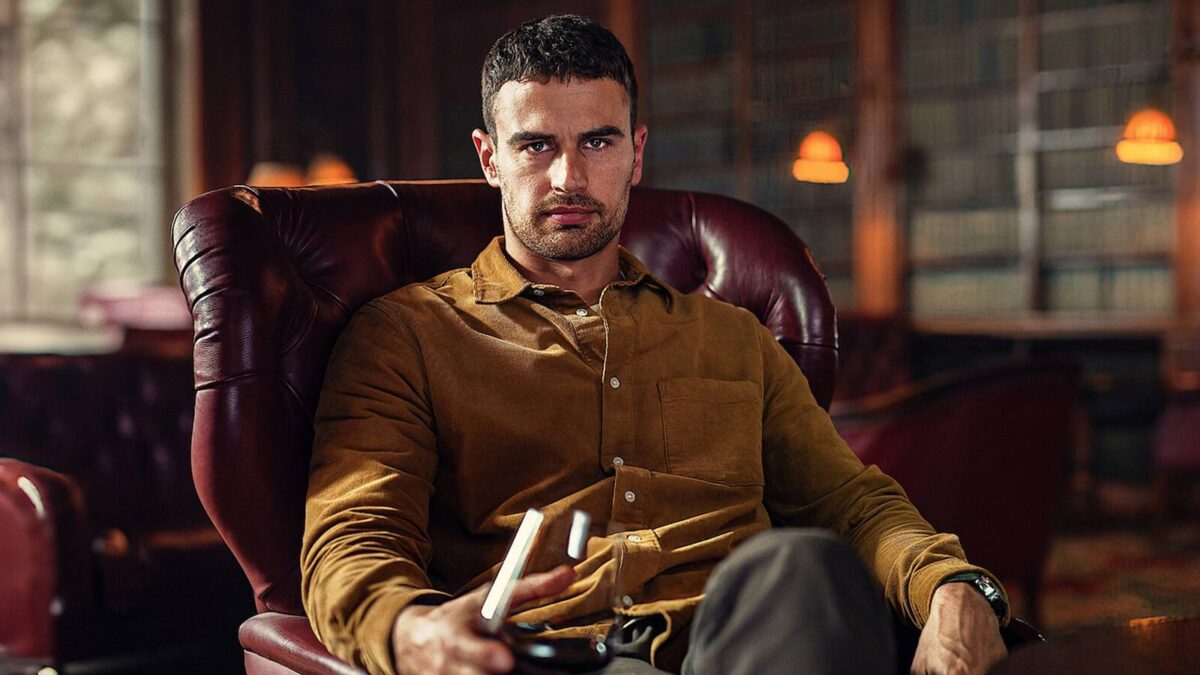
Guy Ritchie's signature blend of aristocratic elegance and gritty underworld chaos has officially solidified its place as a Netflix powerhouse. Originally launched as a television spin-off of his hit 2019 feature film, The Gentlemen captivated global audiences across its first…
Oct 24, 2026
Taylor Sheridan’s ‘Yellowstone’ Sequel Hits Major Milestone Ahead of Streaming Return
The Yellowstone universe has grown so fast since the main series ended that it’s fair to wonder whether the franchise might be stretching itself a bit thin. That’s part of why Dutton Ranch came as something of a surprise. Beth…
Oct 23, 2026
Taylor Sheridan’s 5-Part Western Sensation Returns to Streaming as New Spin-Off Battles for #1 Spot
Taylor Sheridan's seminal five-season western is officially one of the biggest shows on streaming, once again, all while its latest spin-off fights for the #1 spot on the charts. Taylor Sheridan keeps going from success to success. After his hit…
Oct 22, 2026