Carla Simón’s Poetic Portrait Of A Family Trying To Forget [Cannes]
May 24, 2025
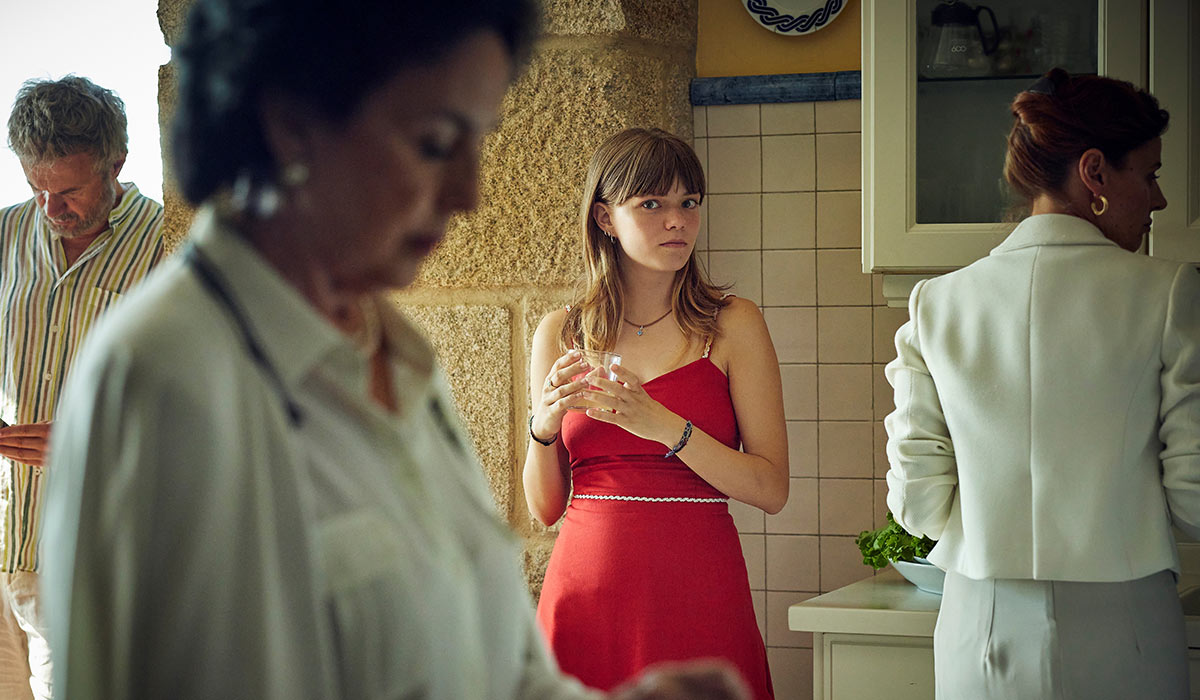
CANNES – The protagonist at the center of “Romeria” hits very close to home for director and screenwriter Carla Simón. It’s 2004, and Marina, portrayed by newcomer Llúcia Garcia, has headed to Vigo, on Spain’s Atlantic coast. The 18-year-old is meeting most of her family on her father’s side for the first time. A family that, for the most part, didn’t want to talk about the addiction and disease that killed her father over a decade prior. A father she has no memories of because she was told he passed away when she was quite young.
READ MORE: “Sentimental Value” Review: Renate Reinsve and Stellan Skarsgård are stellar in Joachim Trier’s sublime generational drama [Cannes]
From the beginning, it’s inherent that Marina is not looking to cause trouble. She’s not looking for money. She has traveled from Barcelona, where she was raised by adoptive parents, hoping her biological grandparents will sign a form that will clarify the identity of her father. A document she needs to qualify for a scholarship to attend university. At first, despite the seemingly straightforward nature of the request, it seems as though she might have sailed into rough waters.
For the most part, her aunts and uncles are supportive. One Uncle, who is hosting Marina with his wife and kids on a family boat, is actively trying to convince his parents to sign the form. Then again, he’s the offspring who moved away to Paris. The resentment from his siblings is telling. One aunt owns a bridal boutique and has a dress whipped up so Marina can impress her grandparents. She knows what Marina is up against. Another Uncle seems to be battling his own addictions, still not emotionally recovered from how his brother was treated, even if it was commonplace for those suffering from HIV and heroin addiction at the time. But to a person, they empathize with a niece they have never met before, even if her grandmother strangely doesn’t.
As her five-day stay unfurls, Marina soon discovers she’s been lied to. Her father did not die in 1987 as she’d been told, but five years later. He was kept hidden from friends and family by her grandparents as he slowly succumbed to his disease. Cognisant of her end goal, she barely flinches at most of these revelations. Getting the signature is too important, but internally, she’s rocked, and she fixates on the fact that her father never came to visit her when she was a child. She only begins to understand his predicament when she meets her headstrong grandmother, a woman who can barely look at her because she is the “spitting image” of the woman she blames for her son’s death.
In the hands of another filmmaker, these events could be the sparks of loud and fiery confrontations, but Simón insists they play out in a grounded, quiet fashion. There is barely a hint of melodrama, even when you can sense the tension amongst the siblings and their parents. This isn’t easy, but cinematographer Hélène Louvart and editors Sergio Jiménez and Ana Pfaff assist Simón in crafting an aesthetic that lets the proceedings patiently breathe at every turn.
On the fourth day of Marina’s journey, the auteur takes a tangent as she ventures into magical realism, allowing our heroine to witness her parents’ passion and heartache two decades prior. You wonder if Marina is imagining the initially surrealist proceedings after reading entries in her mother’s diary, or did that beautiful cat who has popped up here and there throughout the film truly guide her into a spiritual realm? Or is it something else entirely? Whatever the case, the result is a very big swing from Simón, and thanks to the tone she’d set earlier in the film, it mostly works. Emphasis on “mostly.” At best, it’s compelling enough to make you want to believe Marina is having this experience. At worst, it covers background we’ve already learned and distracts from the contemporary proceedings. It’s gutsy, though.
Where “Romeria” beguiles is in Simón’s depiction of this large, extended family. Despite an adoptive family back home, this sort of family dynamic Marina has seemingly never experienced. And the unexpected love from many of them, especially her cousins, gives you faith that her generation is going to make it right. They won’t let what happened to her father be forgotten, and, more importantly, they won’t abandon her again. [B-]
Follow along for all our coverage of the 2025 Cannes Film Festival, including previews, reviews, interviews, and more.
Follow Gregory Ellwood on BlueSkyFollow Gregory Ellwood on Threads
Publisher: Source link







Jon Bernthal Netflix Thriller Crowned One of 2026’s Biggest Streaming Shows
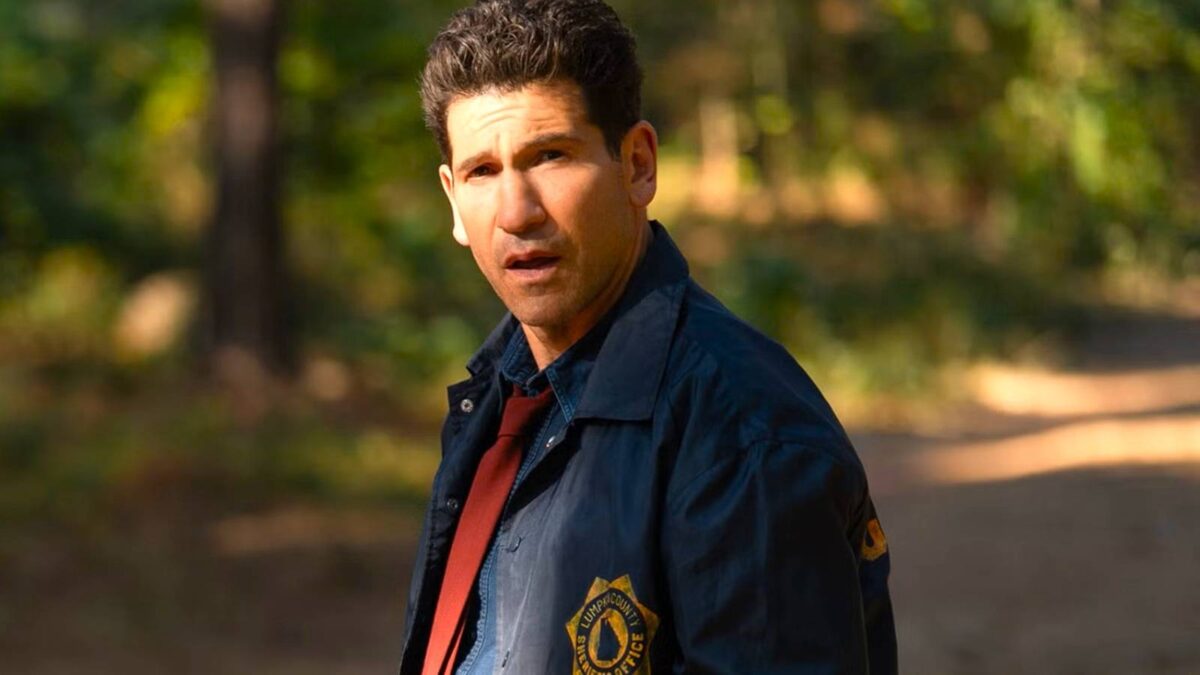
Jon Bernthal is on a serious hot streak right now, with the actor (alongside fellow MCU star Tom Holland) starring in not one, but two of the biggest box office hits of the year in Christopher Nolan's The Odyssey and…
Aug 7, 2026

Disney+ Officially Exploring Major Streaming Platform Change
With Toy Story 5 making big bucks at the box office and The Devil Wears Prada 2 crushing the streaming numbers, Disney is poised to keep the momentum going. The media giant has been cutting hundreds of jobs in addition…
Aug 6, 2026

‘Baywatch’ Reboot Officially Confirms Streaming Release Details
When Baywatch signed off in 2001, it had already spent the better part of a decade as the most-watched show on the planet, airing in more than 200 countries and reaching over a billion viewers a week at its peak.…
Aug 5, 2026
Origins’ Sets Return Date With Mark Harmon Getting a Season-Long Arc
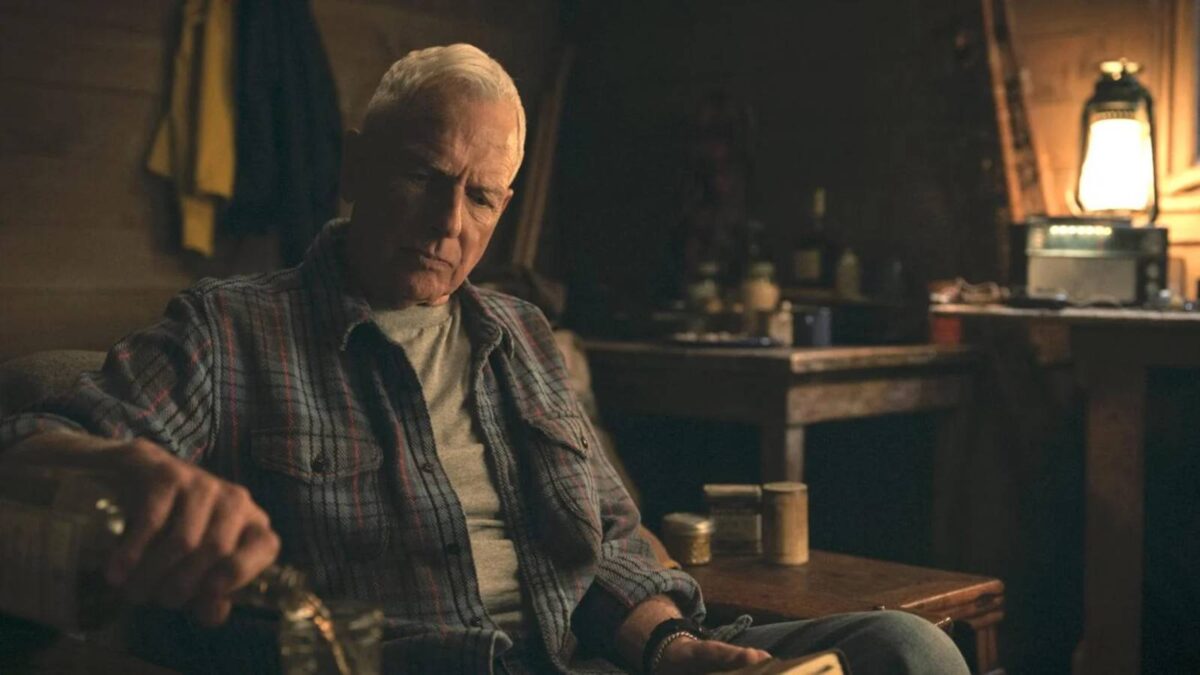
Mark Harmon played special agent Leroy Jethro Gibbs for 18 seasons of NCIS before leaving in Season 19. The original show has soldiered on without him — it will soon be back for its 24th season — but the franchise…
Aug 4, 2026