
Monica Strømdahl on doc âFlophouse Americaâ
Nov 21, 2025
Flophouse America
Flophouse America is the unnervingly intimate feature debut of Monica Strømdahl, an internationally award-winning photographer who spent 15 years documenting the impoverished communities that have sprung up in rundown motels throughout the US. Which is how she met Mikal, an energetic, 11-year old boy who’s called home the hotel room he’s shared with his parents since the day he was born.
Thus began a three-year cinematic collaboration, shot almost entirely in the aforementioned home, between the Norwegian director and the marginalized trio she captures through her quietly unwavering lens. Which allowed her, and now us, to serve as a silent witness to one family’s troubling struggles with poverty and addiction – and also their touching devotion to one another, their unconditional love above all.
The week before Flophouse America’s North American premiere at DOC NYC (November 16th), Filmmaker reached out to Strømdahl to learn all about her beautifully shot and ethically fraught doc, which received a Special Mention in the DOX:AWARD competition at CPH:DOX and is a Cinema Eye Honors Spotlight Award nominee.
Filmmaker: Mikal and his parents started out as participants in your 15-year photography project, which made me wonder what it was about this particular family that made you want to focus solely, and cinematically, on them. Had you considered filming with other families?
Strømdahl: I met Mikal and his parents when I was staying at the same hotel for my photography project — my room was right across the hallway from theirs. Over the years I’ve met many children in similar situations, but Mikal was the first who was actually born into hotel life. He learned to walk in those hallways; that was his first home.
Early on I had a feeling that if someone was going to break the generational cycle it might be him. It was really his strengths and determination that made me want to follow his story. He was both school-smart and street-smart, and he had already learned to navigate his parents’ reality in his own way. He was also very clear that he wanted something better for himself, and he was actively searching for it. I wanted to follow him on that search.
I stayed with the family for three weeks before taking the portrait of Mikal that later became the film’s poster. When I looked at that portrait I saw a boy who wasn’t performing for the camera, and who was unbothered, steady, and shaped by real life experience. As a family they had an openness in how they communicated, which made it easier to work with them. There was an emotional truth in their dynamic that I tried to follow with the camera.
Another important point is that they wanted me there. Like me they believed that openness could spark conversations that might lead to change. I really feel we made this film together, and eight years later we finally get to show the result. The intention has been to give a face to the huge number of children who grow up with emotional and financial instability, and to show what it feels like to try to break a generational cycle. If the film can spark enough emotion to start conversations about how we can do better, then I feel we’ve succeeded.
In the very beginning I did consider working with several families, as a more thematic approach. But Mikal’s story stood out. I understood early on that through one boy’s life we could show the complexity of so many others. His search for a better tomorrow became the heart of the film.
Filmmaker: Could you talk a bit about the nonstop ethical challenges you faced over the years of shooting? What were your greatest concerns, and who, in addition to the family, did you consult to navigate through them?
Strømdahl: As in all documentaries there were ethical challenges from the very start, and even more so because a child was involved. The dilemmas were constant and will continue for as long as the film is being shown.
In the beginning I had to make sure my presence in the room was safe for the family. From the start I tried to shift the power away from me and the camera and over to them. I wanted the family to feel comfortable enough to tell me to stop filming at any time. I didn’t want them to feel they needed to be polite or to feel obligated to be in front of the camera. I wanted them to feel free.
They were also the first ones to see the footage and give feedback. And early on, we decided to postpone the release until Mikal was an adult. Together with the producers we helped ensure they had longterm emotional therapy in place, independent from the production, both to work through their traumas and to prepare for the film’s release.
The ethical work hasn’t stopped now that the film has premiered. Decisions like who gets to see the film, what festivals it plays at, and where it screens are all ethical choices. The future life of the film will continue to be decided together with the family.
Filmmaker: How do you think your status as an outsider from Norway affects your access to the Americans you document? It it difficult to gain trust? Are people more welcoming?
Strømdahl: Being an outsider has been both challenging and a strength. I am someone who believes that in documentary any cultural hindrance is possible to overcome as long as enough time is invested. I’ve had the privilege of working in the US for many years through my photography projects, and I’ve always found that Americans, no matter their social background, have a strong understanding of photography and documentary. I’ve learned a lot about my own profession through the history and perspective of the US.
Flophouse America was a 15-year photography project before it became a film, and during those years I photographed families across the country who were living more or less permanently in hotels and motels. The project grew out of a need to understand, and my way of understanding has always been to listen.
Perhaps being an outsider is why it required 15 years of research. I needed time to learn, and in that sense it has been a blessing. I believe people want to be heard and seen, and because of that access hasn’t been difficult. But the key has always been time spent together. It could be that people have been both more welcoming and avoiding because of me being foreign. But ultimately, I do think longterm trust does not lie in one’s nationality.
Filmmaker: What was the editing process like? Were you conscious of cutting scenes that could be construed as portraying negative stereotypes? Did the family consult on rough cuts?
Strømdahl: The editing was another ethical challenge. We had to stay as close to reality as possible, so the characters recognized themselves and each other. And also we had to make a film that they could live with, and carry forever.
We thought a lot about Tonya’s legacy, that this film would be like a memory for Mikal of his mother. We asked, what is necessary to include for the audience to understand? Making a film with Mikal’s perspective became our guideline through the editing process. The family was the first to view the rough cuts. We took their feedback into account to ensure they would feel comfortable, and also so they could take ownership.
Filmmaker: What’s been the reactions from Mikal and Jason to the final film?
Strømdahl: The strongest reactions from Mikal and Jason have actually been their reactions to each other’s experience of the life they shared. One of Mikal’s motivations for taking part in the documentary was to use the camera and the footage to start a dialogue with his parents. He was convinced that if they truly understood how life felt for him they might change their priorities in the way he’d hoped for.
So it was a powerful moment to witness when they watched the footage together for the first time. It opened up new conversations between them about the years they had lived through, and about how they wanted to move forward as a family.
Publisher: Source link


Netflix’s 10/10 Thriller Series Returns After 3 Year Absence With Explosive New Trailer
Over the last five years, Netflix has expanded heavily into non-English content, with international series taking an even bigger focus for the streaming giant. One of the biggest driving forces in that effort is the French thriller series Lupin, led…
Sep 15, 2026
Original ‘Yellowstone’ Dutton Favorite Officially Confirms ‘Marshals’ Return Interest
Yellowstone jump-started a generation-spanning story that has so far spawned four spin-offs that are all interconnected by the Dutton bloodline. While creator Taylor Sheridan has since branched outside that saga with Tulsa King, Landman, Mayor of Kingstown, The Madison, and…
Sep 14, 2026
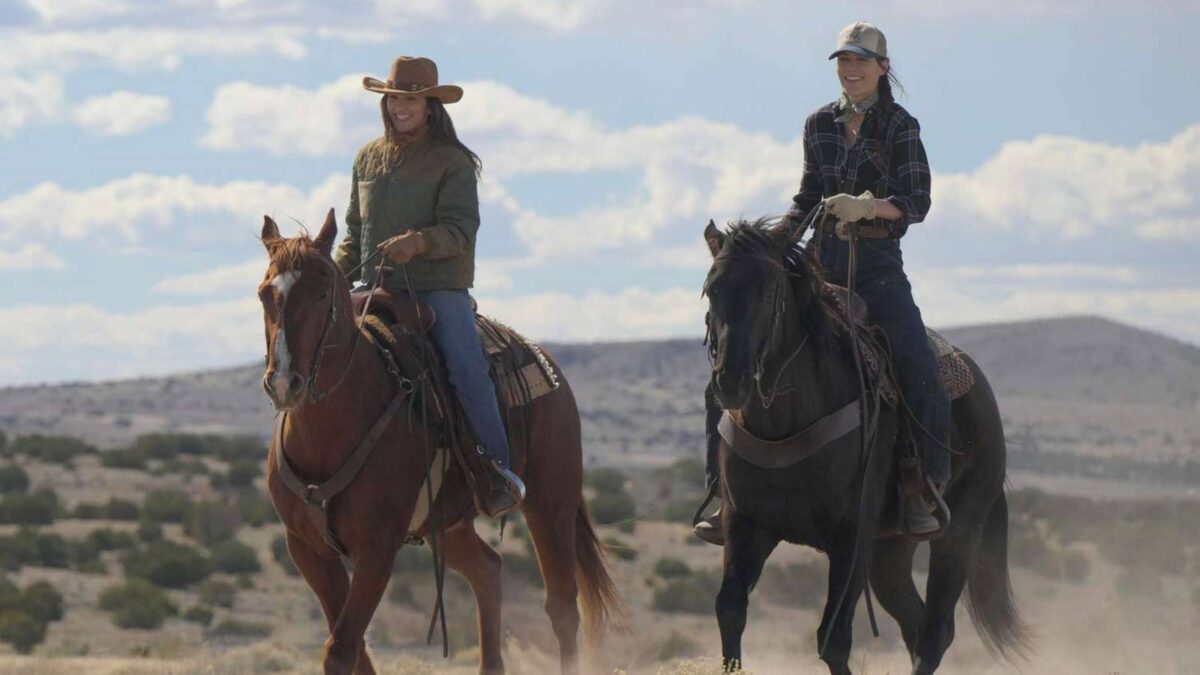
Netflix Officially Cancels Its 2-Part Taylor Sheridan Replacement Western
Netflix Published Sep 12, 2026, 10:30 AM EDT Omar is an experienced editor and writer who sees life and storytelling as one and the same — there’s always a story to tell. He’s helped shape features, headlines, and coverage across movies,…
Sep 13, 2026
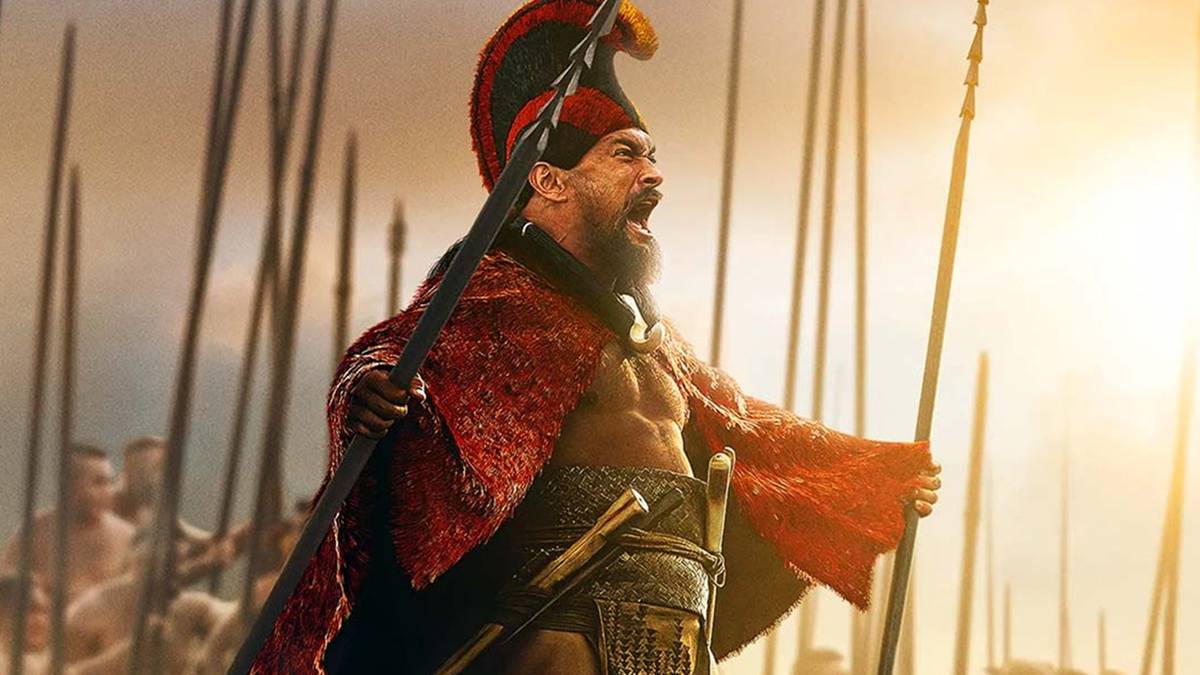
Jason Momoa’s Epic Historical Action Thriller Officially Getting New Release
Apple TV has established itself as a rising force in streaming entertainment. From Silo and Dark Matter to Pluribus and Ted Lasso, there is something for everyone, and not only that, but a ton of huge star power at the…
Sep 12, 2026