A Visually Striking Eco-Fable Set In Remote Landscapes Untouched by Urbanization [Berlin]
Feb 19, 2025
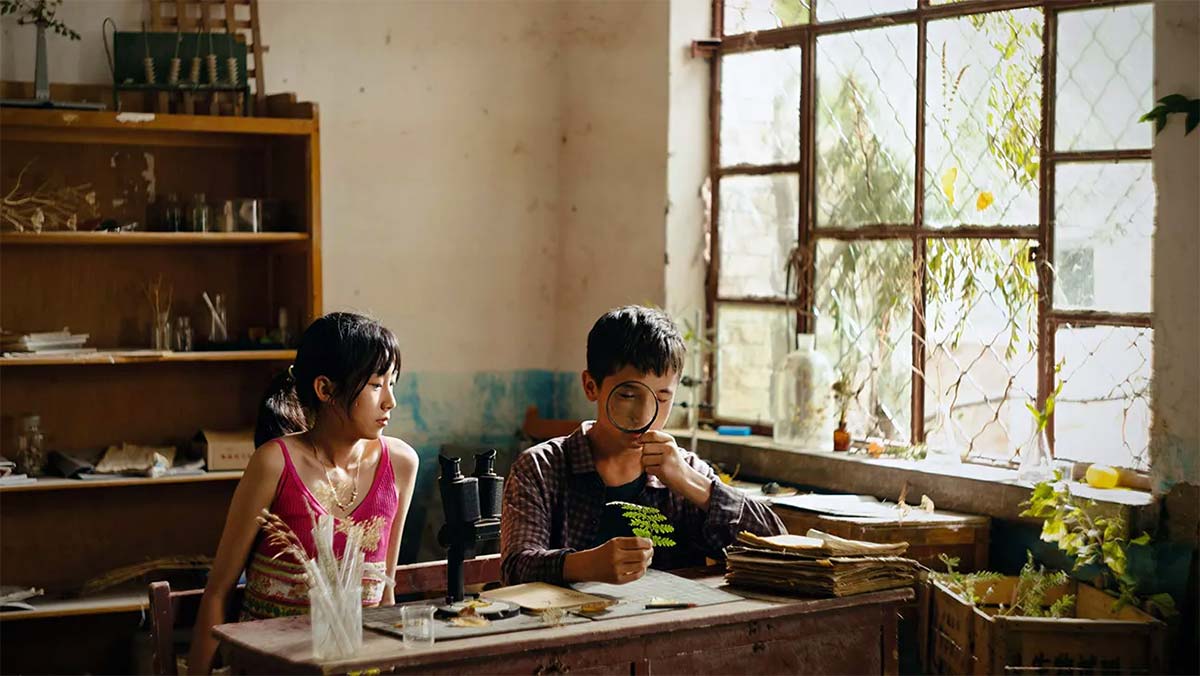
The detached, desensitized partygoers in Fellini’s “La Dolce Vita” experience wonderment at the sounds of birds and nature at an upscale Roman party. Cinegoers today often respond similarly when, instead of the flat, green-screened visuals produced by The Volume technology, they are confronted with images shot in real locations. That represents the primary charm of “The Botanist,” the debut film by Chinese filmmaker Jing Yi. “The Botanist” was shot in the remote north-western Xinjiang region of China & ably acquaints us with its vast landscapes, still untainted by urbanization.
READ MORE: ‘Mickey 17’ Review: Robert Pattinson and ensemble shine in Bong Joon-ho sci-fi late-stage capitalism riff [Berlin]
“The Botanist” premiered in the Generation Kplus section at the Berlin Film Festival, a sidebar focusing on films with children as protagonists. “The Botanist” thus focuses on the quotidian adventures of a lonely 13-year-old Kazakh boy, Arsin (Yesl Jahseleh), living in a remote village with his grandmother. He is the titular botanist, not a professional, obviously, but a budding young recreational dreamer. “The Botanist” isn’t quite a bildungsroman, though it is set up like one. It is more of an eco-fable about connecting with nature and being one with the vegetation and flora around you.
The opening narration recounts a myth about Arsin’s uncle’s mysterious disappearance years ago. The film traces Arsin’s attempt to find out what really happened. There’s also a young childhood romance with a Han girl, Meiyu (Ren Zihan). The bulk of the film primarily consists of Arsin and Meiyu hanging out and wandering around, studying the trees and their surroundings, and generally being curious, sensitive, and imaginative children. Life in the Xinjiang region is so remote and unlike anything viewers would be familiar with; “The Botanist” seems almost timeless, not a period piece, but not even contemporary or of this world. After 20 minutes, when an iPhone appears on-screen, it feels like a violating intrusion.
The iPhone belongs to Arsin’s older brother (Jalen Nurdaolet), who relocated to Shanghai but has moved back. We learn that Arson’s brother is also his uncle because of a remarkable traditional practice of giving the firstborn child to the grandparents as their offspring! “The Botanist” isn’t political in the slightest. Still, the thread of Arsin’s brother represents the one form of poignant commentary of a shrinking people, disappearing people, soon to be absorbed by the fledgling metropolises of a developing China. Arsin’s brother is also given a striking backstory where he had to flee his Shanghai job under such urgent circumstances that he had escaped by stuffing his suitcase with his still-wet, half-washed laundry from the washing machines. When the leaking suitcase later on appears on-screen, it carries weight as a metaphor.
Indeed, Jing fills “The Botanist” with symbols, motifs, allusions and allegories rather than plot points, story beats, or incidents. Without providing any scaffolding or a narrative spine for his film, “The Botanist” seems shapeless and unstructured—a collection of moments, vignettes of life with no motivating drive from scene to scene. If there is an order to the sequence of episodes, it isn’t readily discernible. Jing seeks to imbibe the film with the dream logic resplendent in his mentor Bi Gan’s “Long Day’s Journey into Night” but doesn’t quite muster up its hypnotic thrall.
It’s not for a lack of trying, though. “The Botanist” shows an eye for image-making and features striking academy-ratio cinematography from Li Vanon. Jing captures the remote surroundings well, although the aesthetic approach flattens the images slightly. Judicious use of the axial movement of the camera might have helped lend a greater sense of depth and create a greater appreciation for the vastness of these untouched places on Earth.
Jing doesn’t entirely avoid the greenness of a debut feature but shows talent, ambition and curiosity. It is commendable to capture forgotten, marginalized people and cultures and bring them to a diverse audience via festivals worldwide. It is incumbent upon filmmakers to document underrepresented people on-screen, and the novelty of the setting itself makes “The Botanist” striking. “The Botanist,” with a young protagonist, will hopefully find an audience of young people who will watch an unknown culture with fascination and take heed that there can be immense satisfaction found in nature beyond being glued to screens for the rest of their lives. [C+]
Follow along for all our coverage of the 2025 Berlin Film Festival.
Publisher: Source link
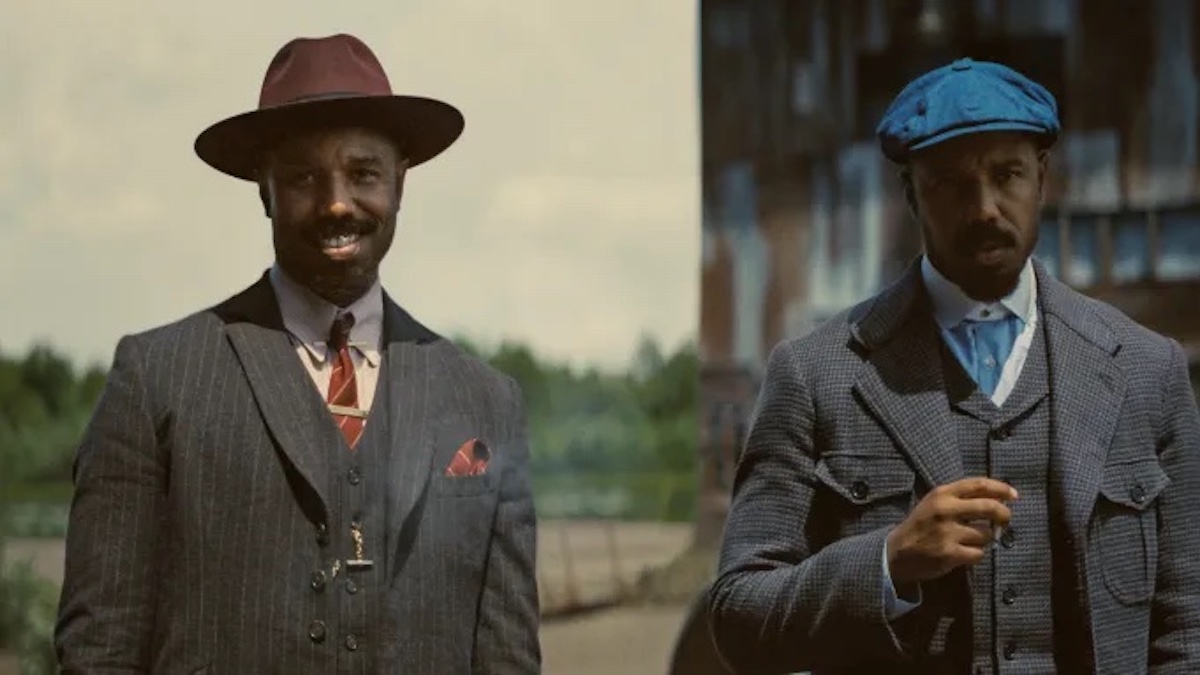



Born Again’ Showrunners Detail How the Media Ties into Season 2
Marvel is fast approaching the release of Daredevil: Born Again Season 2, marking its second live-action Disney+ show of 2026. Bringing back Charlie Cox's Matt Murdock and Vincent D'Onofrio's Wilson Fisk, this season picks up where Season 1 left off,…
Mar 23, 2026
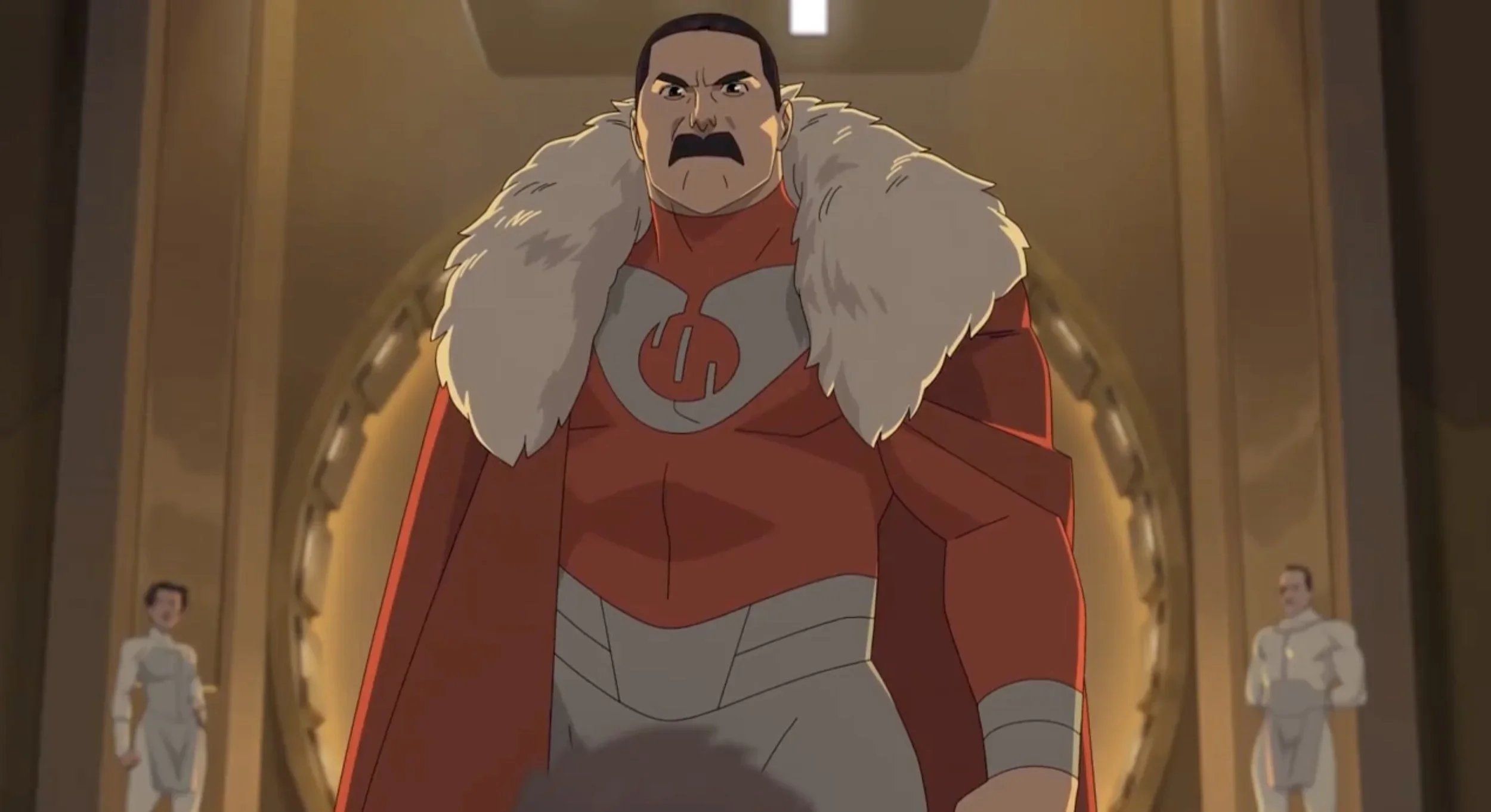
New ‘Wheel of Time’ Animated and Video Game Adaptations Are in the Works
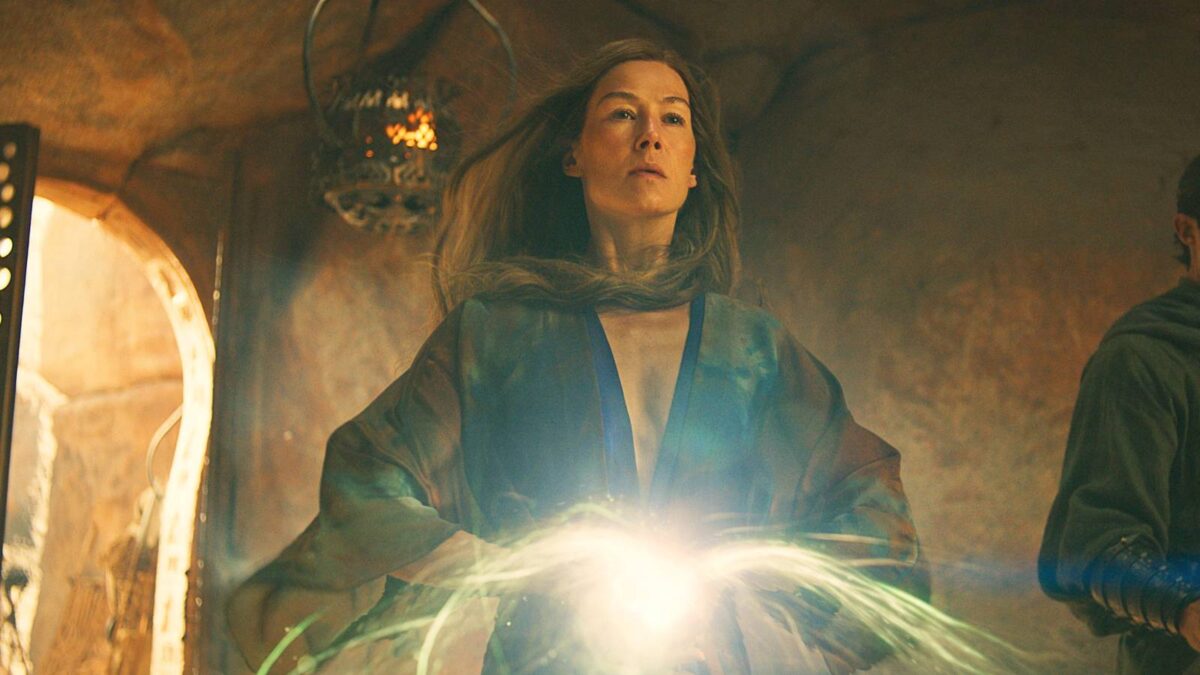
Amazon might be finished with The Wheel of Time, but we haven't seen the end of the story when it comes to adaptations of Robert Jordan's bestselling high fantasy saga. Fans were left blindsided when Amazon abruptly pulled the plug…
Mar 22, 2026
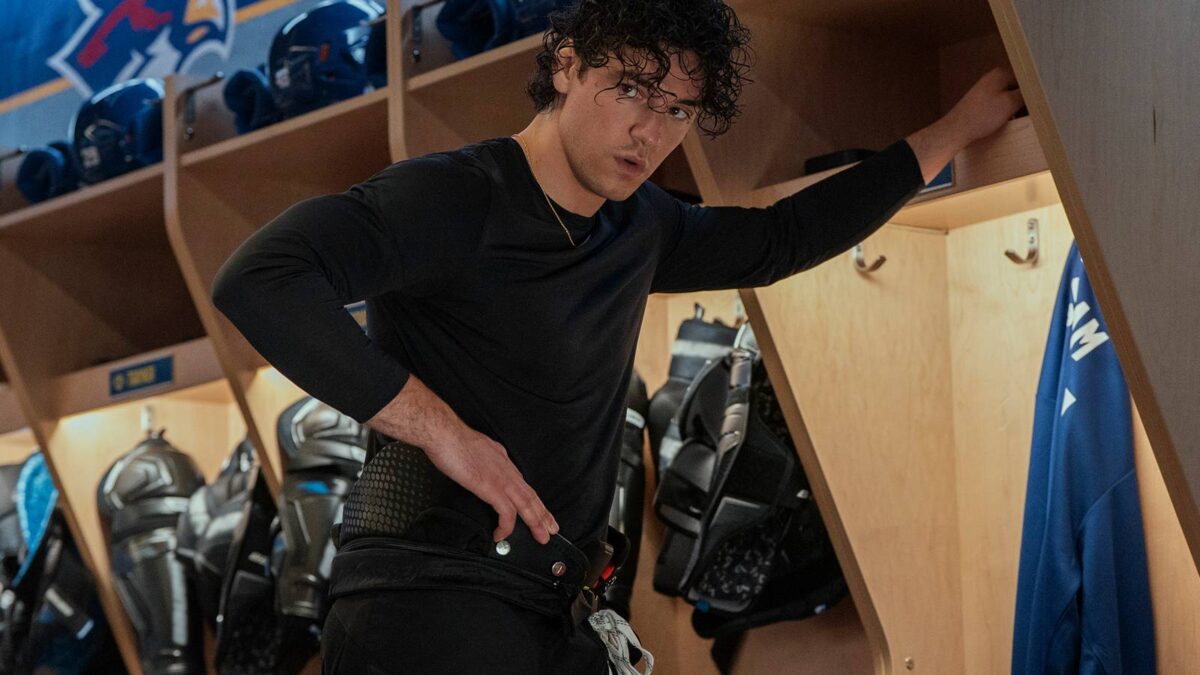
‘Off Campus’ Teaser and Release Date Revealed by Prime Video
No one expected a love story between rival hockey players to become one of the most talked-about TV shows of 2025, but there's a lot more where Heated Rivalry came from, as a new teaser for Prime Video's foray into…
Mar 21, 2026
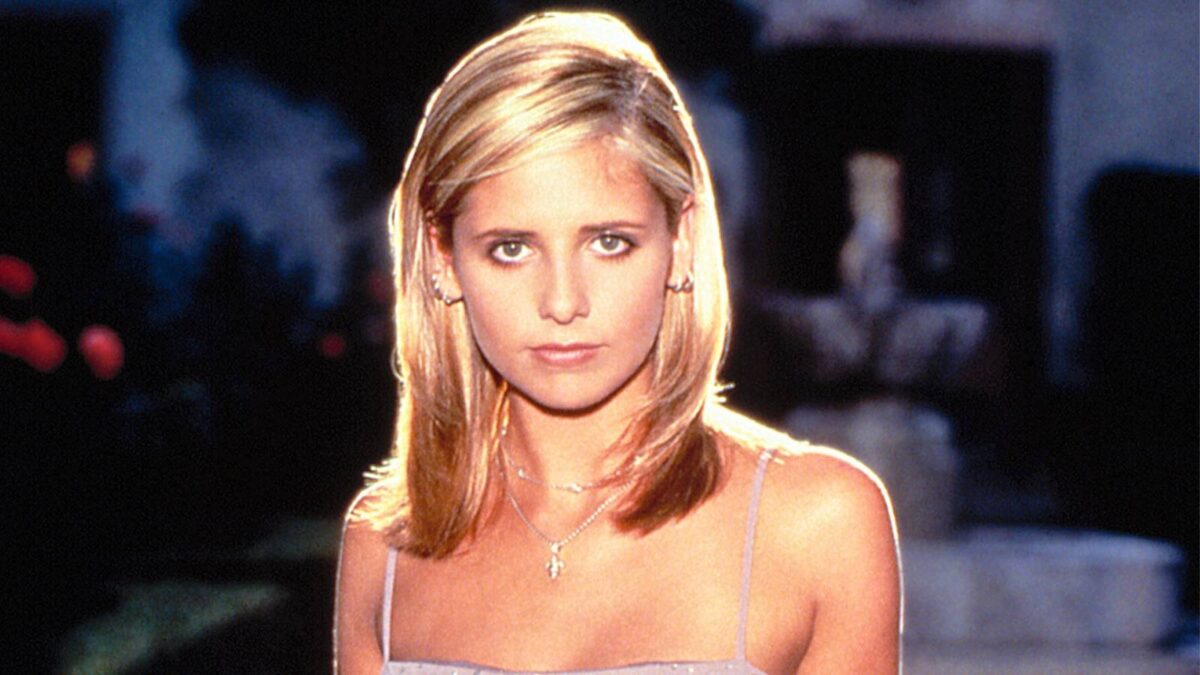
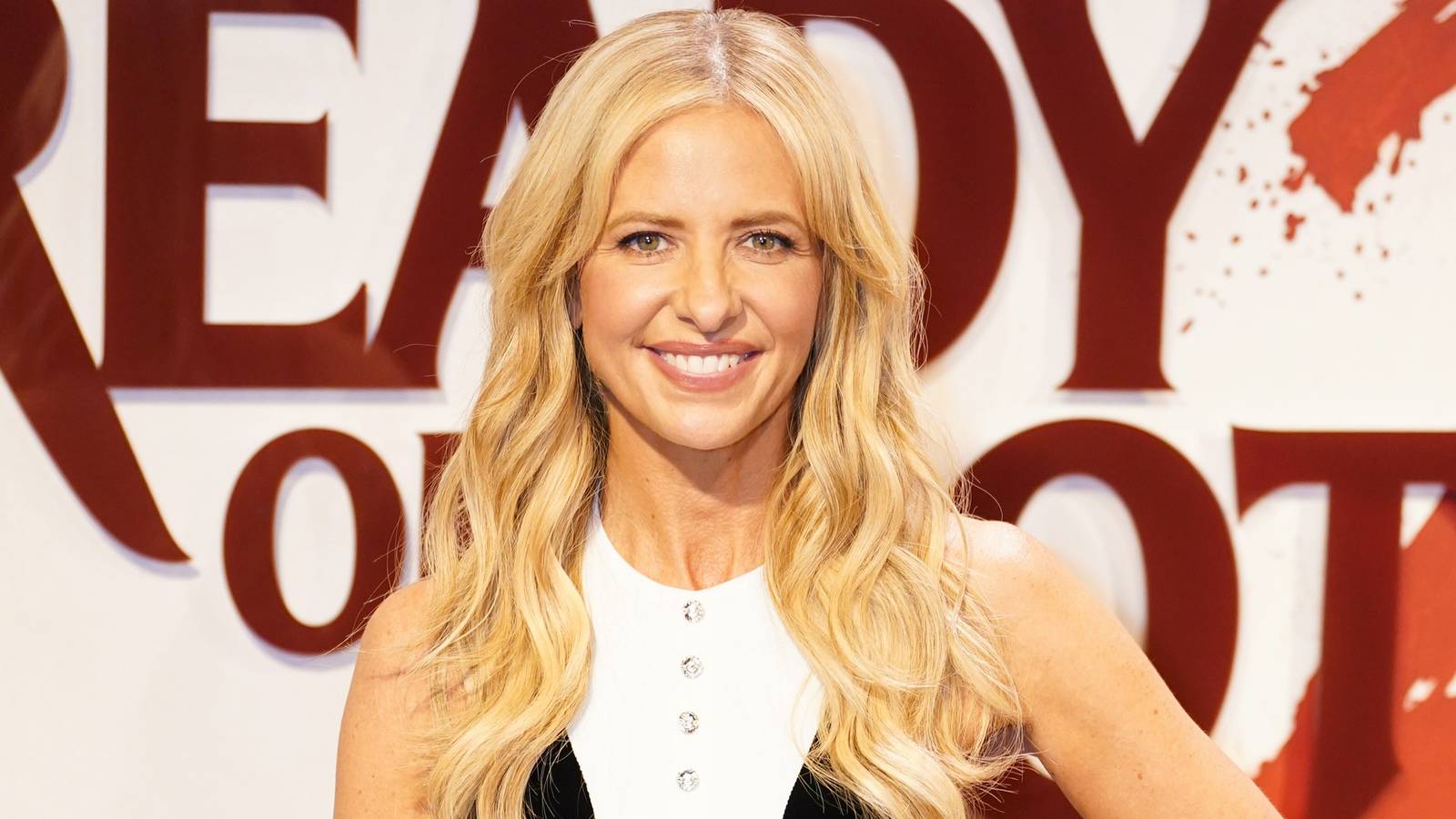
Sarah Michelle Gellar Urges ‘Buffy’ Fans to Avoid Reading Leaked Reboot Scripts
Buffy the Vampire Slayer fans have had a rough few days after Hulu officially pulled the plug on a revival of the series, which would have brought star Sarah Michelle Gellar back as the titular heroine. Described as a continuation…
Mar 20, 2026