
Anja Plaschg Shines In A Dour, Moody, 18th-Century Psychological Joyride
Jun 21, 2024
It’s Austria, circa 1750, and we open on a woman, devoid of emotion, as she quietly and chillingly casts her newborn over the side of a waterfall. This is how the creepy “The Devil’s Bath” begins.
Make it through such a scene, and the idea that Robert Eggers or Ari Aster-esque folk horror is to follow might start to take root. This is not the case; the occasional jump scare and disturbing imagery notwithstanding, “The Devil’s Bath” sits far more comfortably as a psychodrama analyzing a newlywed’s place in society when bearing children becomes impossible and an escape from the role her family views as nothing short of inevitable leads down a truly upsetting path. “Is this one of THOSE movies?” one might ask. That opening could find company in “The Witch,” and a dismembered, headless corpse seen a bit later could recall “Hereditary” to a degree. Even the film’s trailer couldn’t be more misleading. If you think you know where this is going, you’re likely incorrect.
READ MORE: The 50 Best Horror Movies Of The 21st Century So Far
The film centers on Agnes (Anja Plaschg, who also provided the film’s soundtrack), a remote Austrian region resident on the verge of marrying Wolf (David Scheid). Her immediate plans seem clearly laid out—a move to Wolf’s distant fishing village will soon follow, an act Agnes can’t help but dislike, not the least bit fueled further by Wolf’s desire to spend time with a friend or two as opposed to his bride. It’s a dismal wedding night and, thus far, reasonably boilerplate as directors Veronika Franz and Severin Fiala operate the storytelling pace car.
However, a wedding gift of a severed finger originating from the woman at the film’s onset produces a reaction in Agnes; she’s clearly taken by such a token, but any morale boost is a short-lived pause when her mother-in-law (Maria Hofstätter) decides now is the time to play an overbearing hand while Wolf seems content to purposely fail repeatedly in consummating his marriage. Could the aforementioned mutilated body Agnes stumble upon offer respite? By the way, the deceased is the same woman from the opening and sparks an affection of sorts within poor Agnes; what about such a horrific scene could motivate this woman? Religious overtones grace the film like a blanket, with that opening even showing our murderess confessing to her crime shortly after the act itself as a way to repent and avoid an eternity of purgatory.
It’s a fascinating look at a specific moment in time, inspired by actual historical accounts of the era and told throughout a gradual progression, never overwhelming the senses but choosing to find its way under the skin in a fashion as unpleasant as it is compelling. Have the film’s themes already been tackled prior? Franz and Fiala, in putting their own spin on such a tale, allow the film’s overall look and feel to operate in the background, as natural as any tight-knit community but yet somehow able to draw in the audience as we, for example, see the toils of village labor. It’s atmospheric without feeling as such.
There’s undeniable credit to be extended to all involved, but Plaschg deserves the lion’s share, not only in the ethereal hymns and orchestral spikes of the score but in an onscreen effort that recalls a filmmaking veteran, made more impressive by the fact that this is her first foray as an actress. The rapport between Plaschg and Hofstätter is an additional highlight; seeing the impact of her mother-in-law after she removes a series of skillets from the hooks on which they’re hung and the walking back of this action, or when the same domineering presence insists she contribute more in tasks such as fishing. By the film’s third act, Agnes finds herself committing sin after sin, leading to her inevitable spiral and an analysis of what “The Devil’s Bath” may refer to throughout the film. It may or may not have a proper explanation by the time we reach the end, even if its logical meaning leans towards gloom. Unable to conceive, Agnes is one of several contributors to her overwhelming sadness, and her search for meaning in a judgmental world sees Franz and Fiala framing it through an unusual lens. Is Wolf the co-villain? He’s certainly no model husband, early on heartlessly disposing of Agnes’ handmade trinkets and later offering seemingly little sympathy in the face of a screaming outburst, but this is one film that doesn’t need one. It’s an examination of something: one woman’s attempt to find her place as the world around her seems to erode. Such a premise is simple, with Franz and Fiala ratcheting up the complexity to a level before it becomes too much.
Previously, the filmmakers Franz and Fiala brought audiences into “The Lodge,” and 2014’s “Goodnight Mommy” and “The Devil’s Bath” is their finest, possibly most upsetting work yet. Walking the line between psychological distress and all that contributes to one woman’s journey in an 18th-century setting couldn’t have been easy, yet the two pull off an effortless film teeing up something next that could very well define a genre or three. Are we to believe God abandoned Agnes? Who’s to say, but it makes for an interesting film. [B+]
Publisher: Source link




Netflix’s ‘Jo Nesbo’s Detective Hole’ Debuts With Perfect Rotten Tomatoes Score
Anyone currently on the hunt for a new crime thriller to binge-watch may want to divert their attention to Jo Nesbo's Detective Hole, which is currently streaming on Netflix. The nine-part drama, adapting the fifth book in Jo Nesbø's bestselling…
Mar 29, 2026

Prime Video’s ‘God of War’ Casts ‘Lost’ Star Sonya Walger as Freya
Amazon's upcoming God of War series that is currently in production is also one of the most anticipated of the next couple of years. Film and television adaptations of popular video games have been on the rise, with creative teams…
Mar 28, 2026
Paramount+ Renews ‘Criminal Minds: Evolution’ for Season 19
The start of its new season is still weeks away, but fans of Criminal Minds: Evolution won't have to wait that long to learn the fate of the long-running hit crime procedural. Execs at Paramount+ have already decided what the…
Mar 27, 2026
‘A Tale of Two Cities’ First Look Reveals Kit Harington in MGM+ Series
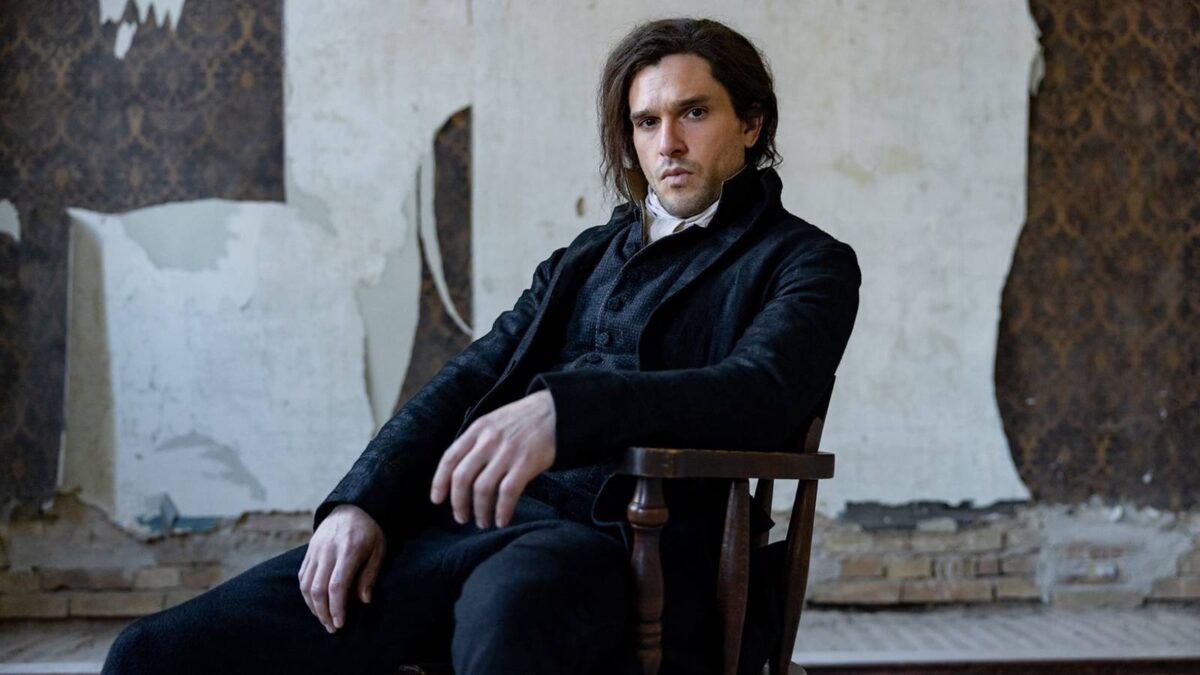
The BBC and MGM+ are teaming up with a new four-part limited series adaptation of Charles Dickens' classic 1859 novel A Tale of Two Cities. Game of Thrones veteran Kit Harington will play Sydney Carton, a cynical English lawyer who…
Mar 26, 2026