Ari Aster & Joaquin Phoenix Love Their Moms, Talk 3-Hour Length Consideration, Westerns & More [Interview]
Apr 22, 2023
Ari Aster has made a career out of the horror and twisted comedy of anxiety. Regardless of where each individual audience member is in their life or the experiences they’ve had, this is what makes films such as “Hereditary” and “Midsommar” universally loved and relatable. Making films that are more about the subject watching instead of an overarching set of themes or narratives is something that Aster has mastered and brings to his most recent film “Beau Is Afraid.”
READ MORE: ‘Beau Is Afraid’ Review: Joaquin Phoenix Guides Ari Aster’s Hilarious, Horrific, Despairing Nightmare, Hellish Mom Comedy
An epic nightmare comedy, almost three hours in length, “Beau Is Afraid” tells the story of an anxiety-ridden man named Beau as he confronts his darkest fears after the sudden death of his mother. The film, ten years in the making, was thought to maybe be Aster’s first feature film; however, that wasn’t meant to be. So now, long after his debut, we are finally getting a glimpse into the story that is so personal to him and resonates so much with its warped sense of humor and wild ambition.
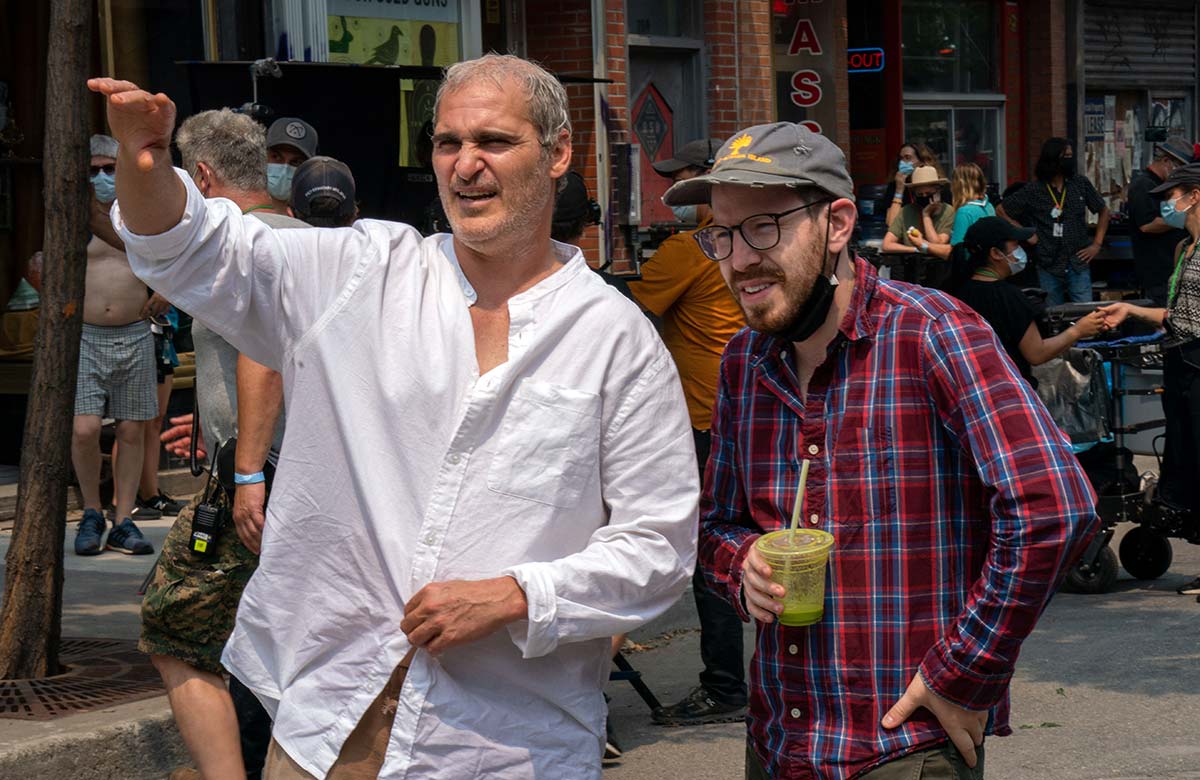
Our Editor-In-Chief, Rodrigo Perez, was able to catch up with Aster and the film’s star, Joaquin Phoenix, to talk about the film, which he described as a “dark, surreal, black comedy, nightmare odyssey,” and the creative process that makes the film what it is. Read our conversation below.
READ MORE: ‘Beau Is Afraid’ Review: Joaquin Phoenix Guides Ari Aster’s Hilarious, Horrific, Despairing Nightmare, Hellish Mom Comedy
I really loved your movie. I found it funny in a way that, maybe, I was laughing at points where other people were deeply uncomfortable, which made it even funnier to me [laughs]. I know this was something you started a long time ago, Ari, but tell me how this came together, the genesis of it, and how Joaquin came on board ten years later or however long it was.
Ari Aster: It began as a receptacle for a lot of ideas that made me laugh, and I wrote it very quickly. I actually thought it might be the first film I would make, which of course, it wasn’t, but it was always on my mind. I loved the character, and I really loved the world, so I went back to it after Midsummer and found that it still made me laugh. But, re-reading it, I found that I had all of these new ideas, and I wanted to sort of deepen them.
Let me ask you this, every screenwriter and filmmaker knows when you write something, it always evolves and transforms when talent and other people get involved. It’s just the nature of it, right? It evolves and grows. So, how did it change when Joaquin came on board?
Joaquin Phoenix: It got worse [laughs].
[Laughs] That’s not true!
Phoenix: This was an amazing movie before I got involved.
Aster: Yeah, I wish you could have seen what I thought it could have been before Joaquin. In seriousness, before we made the film, it was really just about us getting to know each other and just asking a lot of questions about Beau and just kind of investigating that. However, I’d been working on Beau for so long, and what it was, how things would play out, what a scene would look like, and what it would feel like was really set in my mind. So, the process of making the film with Joaquin was one of honoring what was there by constantly trying to break through what was there, if that makes sense.
You know what I mean? When a thing is too set or firm in your mind, in a way, it’s this dead thing; it’s already done. It’s already finished, right? So, if you just execute that, it could be great, but there’s always something on the table that you’re like leaving. So, the feeling, almost every day, was one of wrestling with what the thing was and what a moment was.
So, lots of discovery?
Aster: Yeah, I don’t know. How would you put it?
Phoenix: I mean, the process is always you go from a screenplay that describes an environment versus being in the actual environment that’s, that’s constructed so inevitably it changes or sparks ideas. But that’s just what you do, a deeper exploration, where you start discovering things that maybe you hadn’t anticipated. It doesn’t necessarily change the scene that much; rather just helps you discover new colors of the character and how they behave.
Aster: My favorite example of this is there’s a scene where Beau is supposed to be walking in a daze, and it makes sense for him to be walking in a daze after what has happened in the scene before it. I remember, though, as we’re going into the scene, you (Joaquin) were bumping on that because you were just like, “Look, I know it makes sense that he’s in a daze, but I feel like, haven’t we seen that before? Have we seen a person who’s in a daze after something like that happens? What else could this be?” And then we kind of spent ten minutes
Phoenix: That we didn’t have.
Aster: Right, that we did not have, but you have to take whatever time when something like this happens. That’s the most valuable thing you can do is stop and just reassess where you are; we came up with maybe seven different things you could do, and you did all of them, and every one of them was so great. I remember around like take five; it was like, “What if we tried this?” I don’t know if this interview is coming out before the movie or after, so I don’t want to spoil much, but there was this expression on your (Joaquin’s) face that I knew when we shot that, we’re gonna use it, and now it’s one of my favorite shots, not only in the movie but in any of my films. Anyway, just taking the time to stop and ask, “What is this moment, and what else can it be?”
Phoenix: Yeah. Sometimes you just go, “I don’t want to do that.” So, just first identify what the problem is or what feels wrong and then try to figure out what might be a solution and what actually captures what the person has just experienced. Sometimes that’s just the beginning.
Joaquin, I wanted to ask what your initial thoughts on the screenplay were and why you wanted to do it. What resonated with you the most in just the whole reading of it? I’m sure some of it has to do with just meeting Ari and vibing with him.
Phoenix: I’ve been saying that I don’t know why after reading ten pages, I didn’t just call him and say, “When do we start?” But, I needed to understand how I might function in this world, which just required a lot of conversations with Ari. I think one sequence, the play in the woods, was something that I always really loved, and felt like there was something really soulful about that. It was that sequence that I was always really excited to work on; there’s something just so beautiful and sad about it. To be honest, I don’t know why because I did not intend it, you know, but what ended up happening was surprising to us both in some ways.
Publisher: Source link





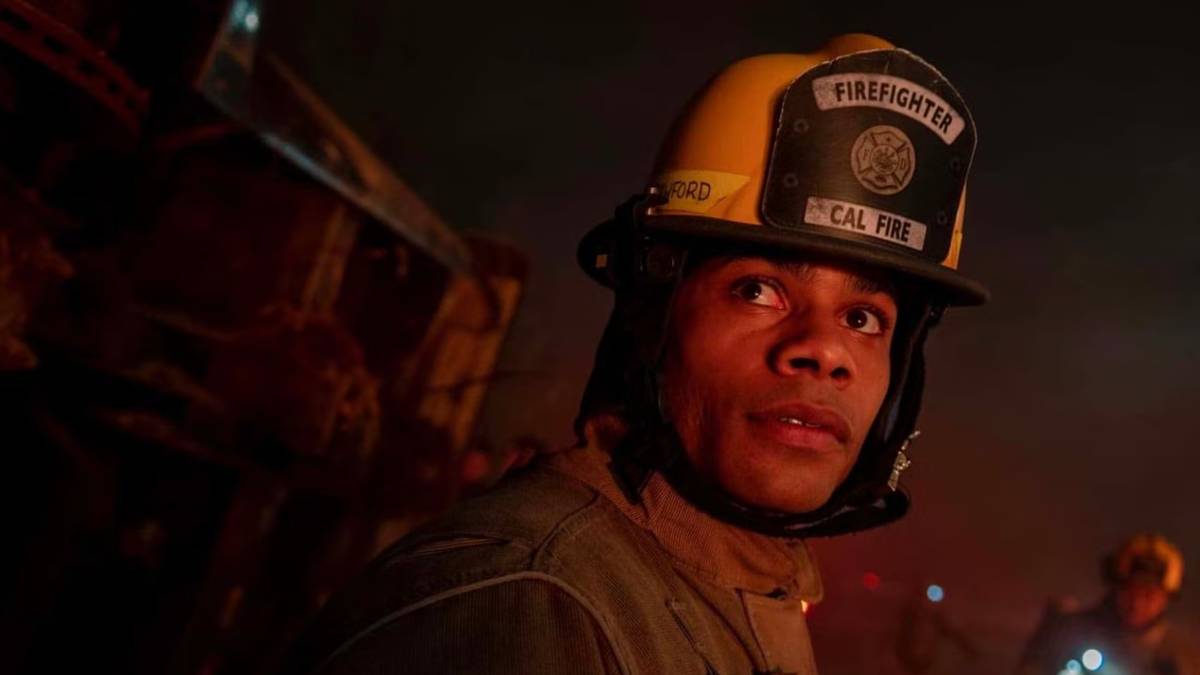
Paramount’s Action-Adventure Hit Blazes to Its Biggest Audience Ever With Over 10 Million Viewers
Fire Country premiered in October 2022, and four years later, the action drama remains a hit for CBS and Paramount+. The series’ fifth and latest season debuted on October 9, and within three days, it ranked as the seventh most…
Oct 26, 2026
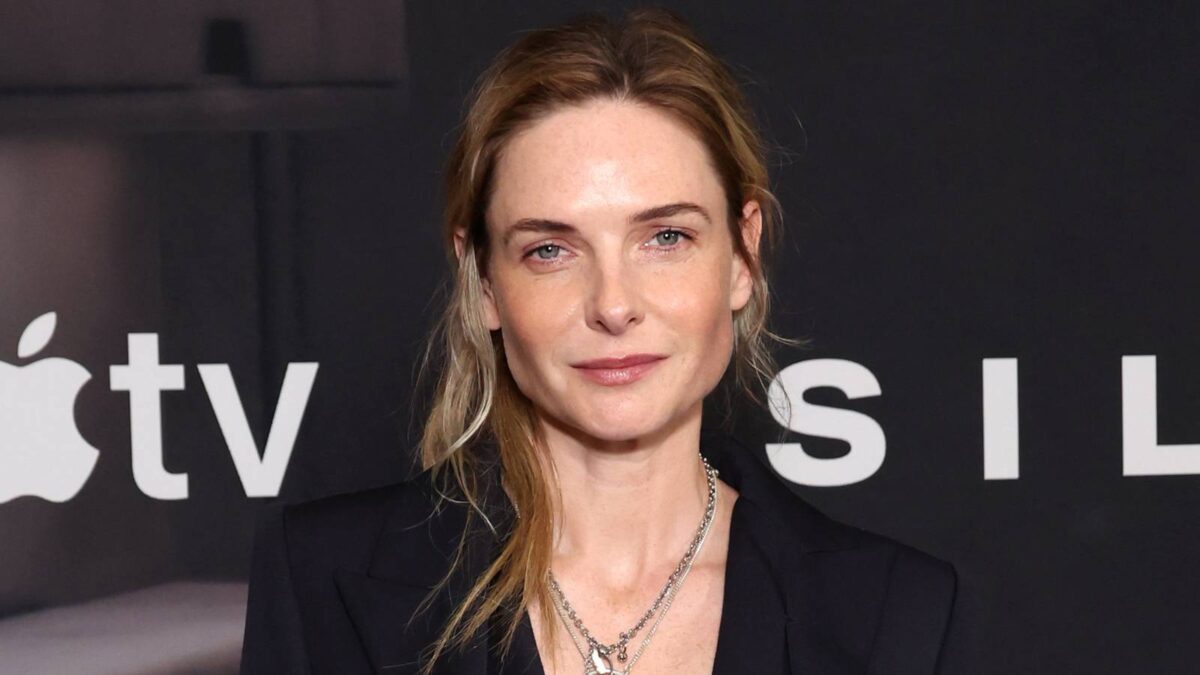
Rebecca Ferguson’s Near-Perfect Sci-Fi Thriller Is Officially a 600-Day Streaming Smash Hit
While it was the Mission: Impossible franchise that put Rebecca Ferguson on everyone's radar, it was her appearance as Rose the Hat in Doctor Sleep that cemented her as a superstar. It led to movies like Dune, Netflix's A House…
Oct 25, 2026

‘The Gentlemen’ Loses 2 Original Stars, Reunites ‘Lord of the Rings’ Icons in Big Season 3 Shake-Up
Guy Ritchie's signature blend of aristocratic elegance and gritty underworld chaos has officially solidified its place as a Netflix powerhouse. Originally launched as a television spin-off of his hit 2019 feature film, The Gentlemen captivated global audiences across its first…
Oct 24, 2026
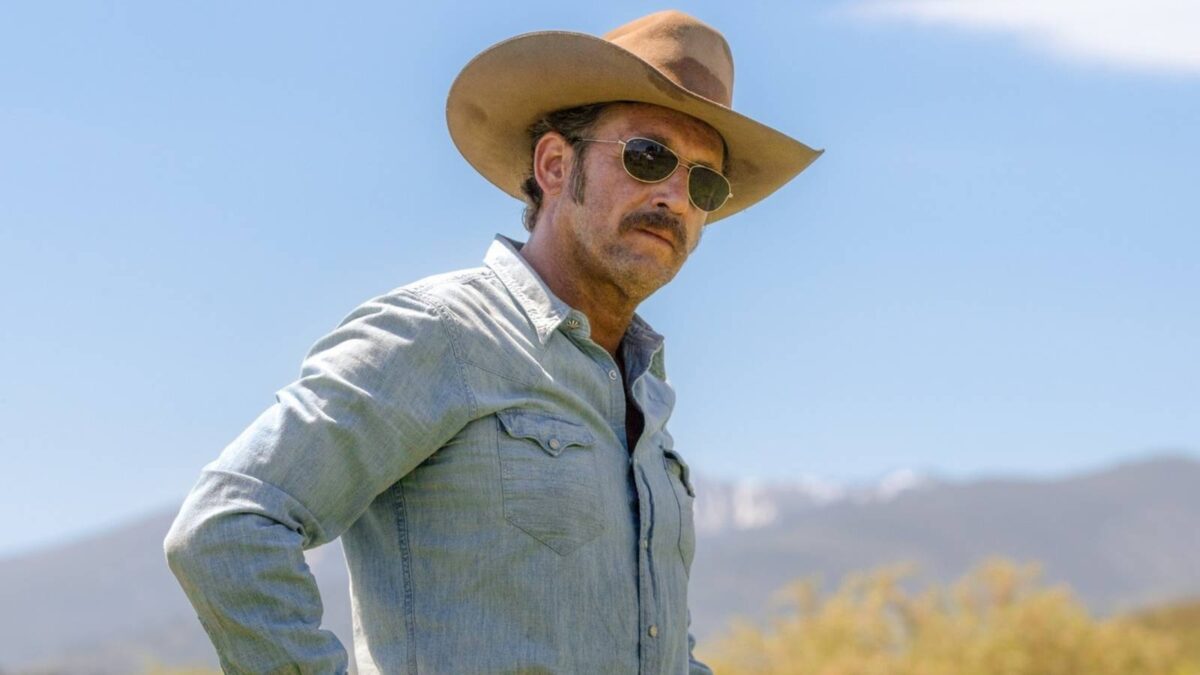
Taylor Sheridan’s ‘Yellowstone’ Sequel Hits Major Milestone Ahead of Streaming Return
The Yellowstone universe has grown so fast since the main series ended that it’s fair to wonder whether the franchise might be stretching itself a bit thin. That’s part of why Dutton Ranch came as something of a surprise. Beth…
Oct 23, 2026