Austin Abrams’ ‘Whalefall’ Is Much More Practical Than You Think It Is
Oct 17, 2026
Summary
Collider’s Steve Weintraub talks with Austin Abrams and Brian Duffield for Whalefall.
Duffield discusses the movie’s practical sets and effects, and innovative filmmaking techniques.
Abrams discusses the physically demanding role and the most challenging sequences, from Resident Evil to Whalefall.
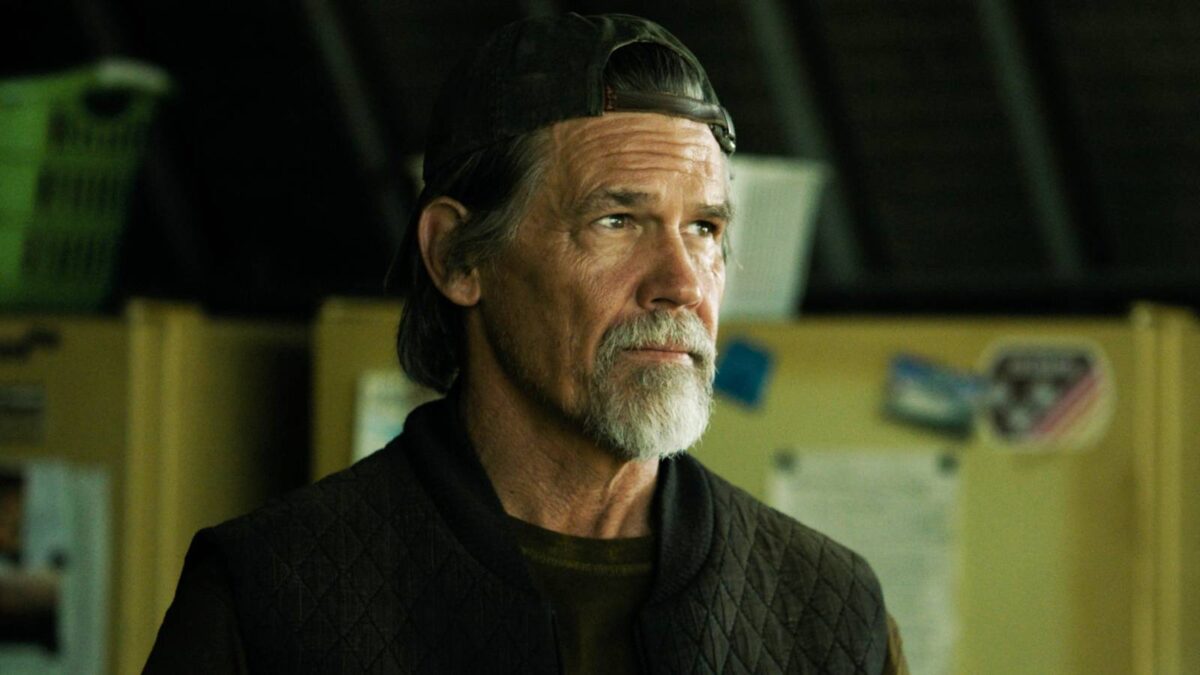
With movies like The Odyssey and Avengers: Doomsday set for release this year, Brian Duffield’s survival thriller, Whalefall, lurked just beneath the surface. Now, this leviathan of a feature, with an ensemble cast led by Austin Abrams and Josh Brolin, is ready to swallow audiences up in its breathtaking cinematography, practical effects, and unbelievable premise. Adapted from award-winning author Daniel Kraus’s 2023 novel, Whalefall is a father-son story that explores the depths of a strained relationship through Jay’s (Abrams) memories of his father (Brolin) as he desperately tries to escape the belly of a 45-ton sperm whale.
In this interview with Collider’s Steve Weintraub, Duffield gives insight into the practical filmmaking feats that made Whalefall possible. He discusses building a set Abrams could interact with, the innovative new technology used to capture it all, plus the decision to include Brolin’s actual heartbeat on set and in the film. Abrams also discusses the physically demanding role, which behind-the-scenes movie magic was most impressive to work with, and revisits the most challenging scenes from his recent slate of blockbusters. Don’t miss the full conversation in the video above, with a transcript provided below.
Josh Brolin’s Heartbeat Is Hidden Inside ‘Whalefall’
Brian Duffield also reveals other details you might miss.
© 2026 20th Century Studios. All Rights Reserved.
COLLIDER: I really want to start with my review. It’s two words: Fucking intense. BRIAN DUFFIELD: [Laughs] I’ll take it. You guys did such a great job with this. Austin, you’ve had a remarkable run. We got Weapons, Resident Evil, and now Whalefall. This might be a hard question, but what was the single hardest day between those three shoots? Because you’ve been pushed through the wringer in these three movies. AUSTIN ABRAMS: I don’t know, man. I mean, definitely the Jump Street was a challenging day. Doing the squid fight had its challenges, especially because that was our first time getting in the stomach, because we shot it in order. So, I feel like that was challenging for everyone, and took a little bit longer than we’d expected it to. Probably those. Yeah. Weapons, I felt it was a little bit lighter. I did not know this, but I read that you played Josh [Brolin]’s heartbeat in the whale. DUFFIELD: Yeah, and it’s in the movie. Where did this idea come from when you were filming? Because that could just be ADR afterwards. DUFFIELD: I think it was just always this important thing to us. When you’re in the office before you’re shooting, that’s the dream stage where you’re always trying to, “What are the little connections that we can make?” And the whale has similar scarring to Josh, which, again, no one would really notice, especially ‘cause their faces are very different. And then our heartbeats are also tied to our cinematography, where the bioluminescence gets brighter in conjunction with the heart, which is something that we were told could happen. So then we were like, “Okay, we should have a heartbeat sound for not just Austin to hear, but for our lighting team to hear so that they can kind of program their lights off of this heart.” And then you go, “Okay, well, we need a heartbeat. Where do we get a whale heartbeat?” Because we have to make one because there’s obviously not a lot of sperm whale heartbeat recordings. Then it just became, Josh was around a lot in pre-production working on the tattoos and everything, and it just popped into my head: We should just record Josh’s heart and then make that the whale heart. And he was very into that idea. And Chris Terhune, our sound guy, came and got some medical device to record Josh’s heart, and it’s all throughout the movie.
Related
Resident Evil: Austin Abrams Cracked His Tailbone on Set | Collider BTS
In this Collider interview, writer-director-producer Zach Cregger and star Austin Abrams reveal what went into making Resident Evil, from months of nocturnal filming to slippery stunt work and the logistical headache of maintaining snow between takes. Cregger explains why footprints alone could create major continuity problems and recalls having only a handful of attempts to capture a difficult cop-car rollover.
Brian Duffield Reveals How He Brought the Inside of a Whale to Life
“Practical just became the best way we thought of how to do it.”
© 2026 20th Century Studios. All Rights Reserved.
Austin, you are solo for a lot of this film. What is it like playing fear and exhaustion through a long shoot and maintaining that energy over a marathon, if you will? ABRAMS: I don’t know. I don’t really know. You just kind of do it, I feel like. And then also, I feel like any sort of exhaustion, especially because we did it in order, you welcome it because it helps you out, because that means that’s kind of less work that you have to do, in a way. You know what I mean? So I would say maybe, if there is an answer to your question, it would be kind of like welcoming the exhaustion. Oh, you’re using it for the performance. ABRAMS: I mean, you might as well. You know what I mean? Sure. 100%. I read that you invented some filmmaking techniques to film the inside of the whale. DUFFIELD: Probably true. Can you talk a little bit about the challenges that you had to overcome trying to do this practically? DUFFIELD: We couldn’t figure out how to do it not practically, to be candid. It’s not just a set; our entire filmmaking footprint is inside the set, as well. It’s also a character that Austin has to act opposite. There’s plenty of times in the movie where Austin is reacting to something that the stomach does, that is happening live on set. And so practical just became the best way we thought of how to do it. There’s a lot of amazing CG work in there. Guillaume Rocheron, our visual effects supervisor, who’s like a legend — he has a ton of Oscars — he was developing new code the whole time. He, with Hoyte [van Hoytema], developed the infrared camera stuff for Nope, and then he developed a new version of this, where we had a LiDAR camera and an infrared camera on top of our camera, so we were getting kind of like a 360 mapping of Austin in the stomach the whole time. Then when we took away our lighting rigs, he was putting the bioluminescence in using that. It was funny, he was creating a crazy new code for that, but then all the bioluminescence he shot practically with club soda and a blacklight while we were shooting on set. So he’s doing this insane technological, never-done-before thing, and then placing club soda patterns into that program that then gets placed inside the whale. So even the things that are fully CG are derived from practical elements. So I think the joy of this movie was, because we had never done it before, there wasn’t an easy, like, “Oh, we’ll just CG it,” kind of thing. We just tried to keep finding the best thing for the photography and the best thing that Austin’s able to act opposite.
‘Whalefall’ Combines Practical Effects With Never-Before-Seen Visual Effects
Duffield and Abrams share more behind-the-scenes techniques used on set.
© 2026 20th Century Studios. All Rights Reserved.
I love learning about the behind-the-scenes of movies and shows and shit you don’t read about in Wikipedia or in press notes, so for both of you, is there anything that you can share for soon-to-be fans of the movie that they might be surprised to learn, or anything really cool?
DUFFIELD: For me, there’s a sequence in the third act that I think most people would, again, think is fully CG, with the whale and the orcas. There’s a lot of practical shooting in cloud tanks in there. ABRAMS: I didn’t know that. That’s one for me. [Laughs] DUFFIELD: Yeah. So the sound that you see is all cloud tank work, which is what they usually do for science fiction movies when you would have, like, the aliens coming through the clouds. That would be cloud tank work. And so that’s that. And then almost all of the whale blood in the movie is a practical element of chemicals in water. Like Guillaume, I found an amazing cloud tank artist to practically film, and so I think that gives the scene this kind of otherworldly look where it’s a really strange mixture of almost, like, microscopic filmmaking and then big CG animals on top of it. You don’t want to top that story? ABRAMS: [Laughs] I was just trying to think of something, but nothing came to me. I don’t know, man. I mean, we filmed on the actual ocean and stuff like that, which we try to do everything as practically as possible. I’m trying to think of something that we did that we haven’t yet discussed. But even with the whale swallowing, that was a full head that we made that was in the water, fully filming that. But slime takes a lot of time to wash off. I don’t know. [Laughs] Whalefall is now in theaters.
Release Date
October 16, 2026
Runtime
98 minutes
Director
Brian Duffield
Writers
Brian Duffield, Daniel Krauss
Producers
Allan Mandelbaum, Brian Duffield, Brian Grazer, Jeb Brody
Publisher: Source link





Forget ‘Game of Thrones,’ Prime Video’s Epic New Fantasy Adaptation Moves Forward With Official Cast
Since Game of Thrones ended in 2019, every major streamer has tried to find its answer in high-fantasy series. From The Lord of the Rings: The Rings of Power to Apple's ambitious plans to adapt Brandon Sanderson's Mistborn series, the…
Oct 17, 2026

Netflix’s “Taylor Sheridan Meets Blade Runner” Action Western Shoots Onto Streaming Next Month
Netflix will add an all-new series to the historical list of science fiction-meets-western epics when it unleashes its new show to streaming next month. An explosive new trailer for the series has now been unleashed, smashing together tropes from both…
Oct 16, 2026

Netflix’s New 7-Part Western Epic With 87M Hours Viewed Remains a Global Streaming Smash
Netflix's near-perfect western adaptation remains one of the biggest shows on streaming right now. Netflix just added a lot of great shows to its streaming library. The original paranormal thriller, Below, recently dropped and is already taking over the streamer.…
Oct 15, 2026
The Bloodiest & Horniest TV Series in History Is Officially One of the Biggest Shows on Streaming
An incredibly raunchy and incredibly brutal historical series is making a comeback on streaming, 20 years after it was first released. The historical action genre is making a welcome return on TV. Spartacus (arguably the pinnacle of steamy historical shows)…
Oct 14, 2026