Blitz Review | Flickreel
Nov 5, 2024
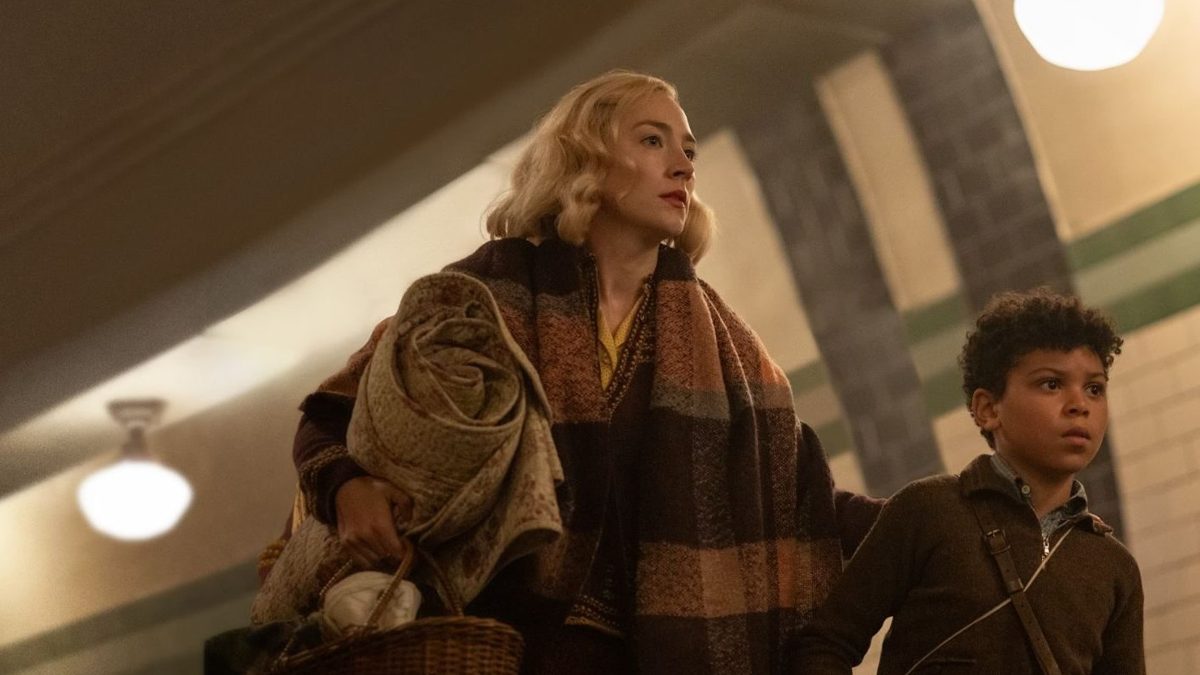
Blitz is a good war drama that had the potential for greatness. Almost every problem with the film stems from one moment early on. With bombs dropping amid World War II-torn London, the angelic Rita (Saoirse Ronan) puts her son George (Elliott Heffernan) on a train with several other children. In their first scene, we see Rita and George have a loving, playful relationship. It’s a sudden shock for Rita and the audience when George tells her at the train station, “I hate you.” A devastated Rita knocks on the train’s window, crying for George to at least acknowledge her before they’re separated. George continues to ignore his mother as the train departs, giving her the coldest of shoulders. From this moment on, it’s hard to get on board with George, as strong as Heffernan’s performance is.
We get why George would be upset that his mother is sending him away, but this nasty exchange is too abrupt. It sounds strange comparing the film to Finding Nemo, but that “children’s film” had a better grasp on parent-children dynamics and story structure. In just several minutes, it established the bond between Nemo and Marlin, as well as the frustration driving them apart. It kept building tension until Nemo dropped the “I hate you” bomb. We understand where Nemo and Marlin are coming from, making us want to see them reconcile. If Blitz wanted this blowout to feel warranted, the first act needed to spend more time developing Rita and George’s relationship. It may seem like I’m dwelling on one scene, but it’s arguably the most important moment in the movie.
Just when you think George can’t get more obnoxious, he stupidly jumps off the train and heads home with the Blitz in full swing. For all his faults, it’s hard not to empathize with a little boy in a perilous environment – no matter how bratty. The audience slowly warms up to George as he sets out on an Oliver Twist-esque adventure. He even gets mixed up with a band of thieves led by Stephen Graham, who’s creepy enough to be Bill Sikes. He’s not even the most daunting threat, as George dodges trains, floods, and explosions, all skillfully shot through cinematographer Yorick Le Saux’s lens.
Our young protagonist also embarks on a journey of self-discovery. George’s Black father was deported years ago following a racist encounter. His skin isn’t white like his mother’s, but George isn’t sure if he’s Black either. In the film’s best segment, George receives help from a Black soldier (Benjamin Clementine). For the first time, George sees someone who looks like him in a position of authority. While this officer has no doubt faced prejudice in his lifetime, the uniform he wears commands respect. Watching others listen to the soldier, George finally finds pride in being Black.
As powerful as these scenes are, you’re left wishing more time was spent between George and the soldier. The same can be said about a subplot involving Rita’s job at a factory where she works on the weapons that drove her to send George away. The film touches upon women being undervalued in the workforce, although this story thread is abandoned once Rita learns George is missing. Looking for each other, Rita and George both see the extent of the war that not only tore them apart, but has left countless others equally lost.
Blitz is expertly acted, and Steve McQueen’s direction is technically brilliant. The film has all the pieces for a deeply emotional story of a mother and her son. While the final scene sticks the landing, it would’ve left more of an impact if the beginning was more fleshed out. This all goes back to that one scene, which hits harder than any bomb in the movie. Blitz may bounce back by the end, but it’s not the easiest hurdle to overcome.
Publisher: Source link





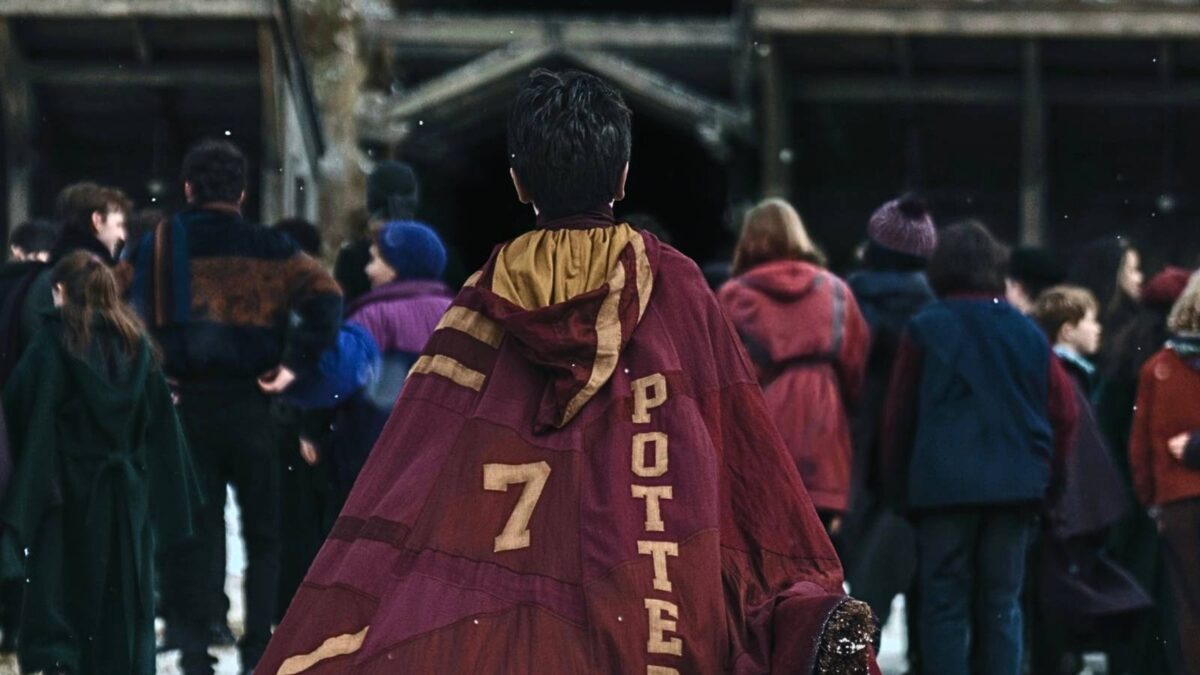
HBO ‘Harry Potter’ Series Image Reveals Dominic McLaughlin in Title Role
The first official look at HBO's upcoming reboot of Harry Potter has finally arrived, and it is already teasing a magical trailer release. As we inch closer to the show's expected 2027 release, the network has begun to reveal more…
Mar 25, 2026
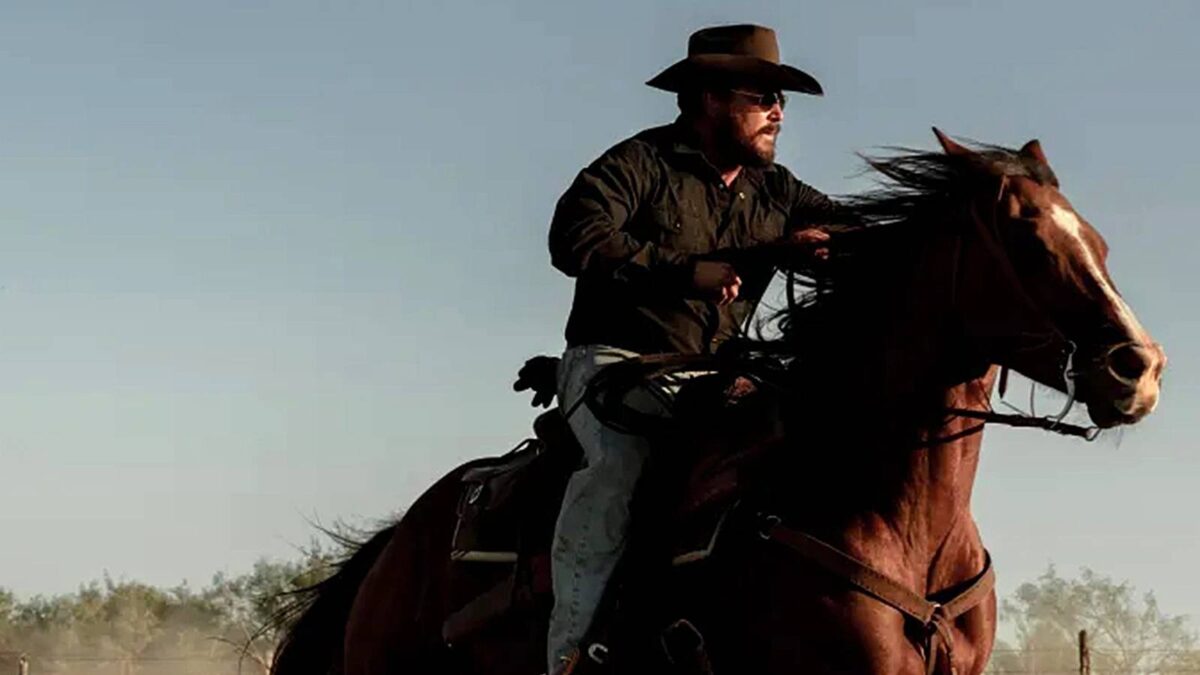
‘Dutton Ranch’ Trailer Reveals ‘Yellowstone’ Sequel Release Date
Rip Wheeler and Beth Dutton gamble everything on a new life in South Texas in the first trailer for the Yellowstone spin-off, Dutton Ranch. The footage reveals all manner of gun fights, fist fights, explosions, galloping horses, and even mysterious…
Mar 24, 2026
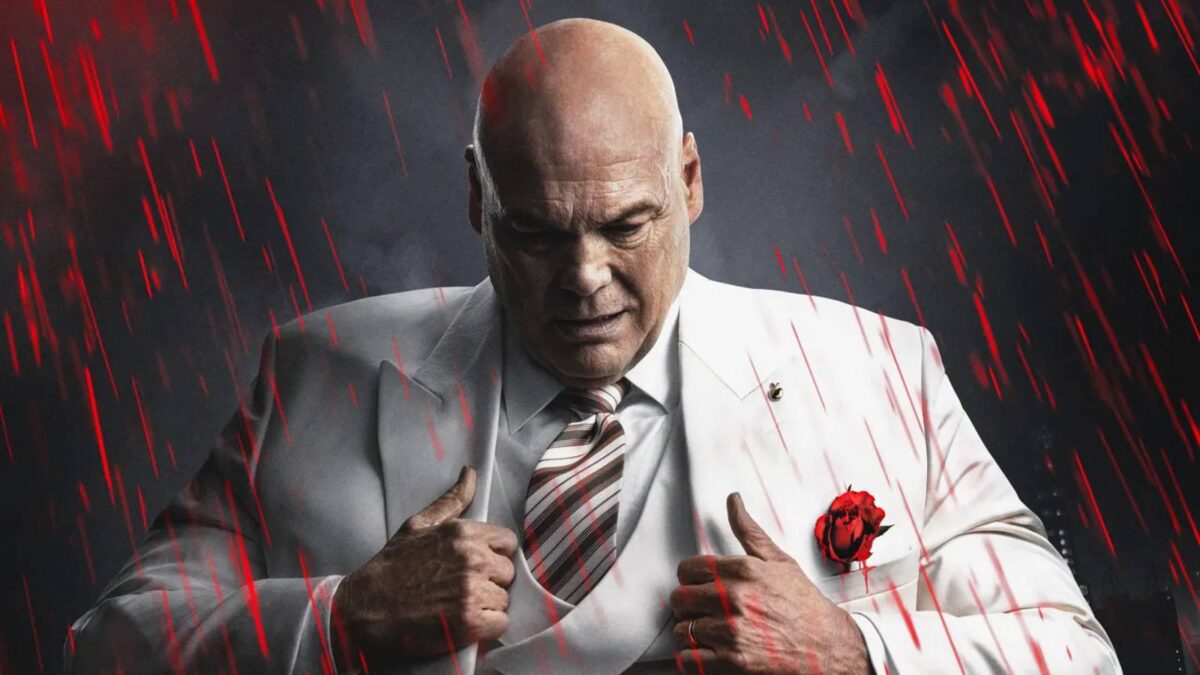
Born Again’ Showrunners Detail How the Media Ties into Season 2
Marvel is fast approaching the release of Daredevil: Born Again Season 2, marking its second live-action Disney+ show of 2026. Bringing back Charlie Cox's Matt Murdock and Vincent D'Onofrio's Wilson Fisk, this season picks up where Season 1 left off,…
Mar 23, 2026
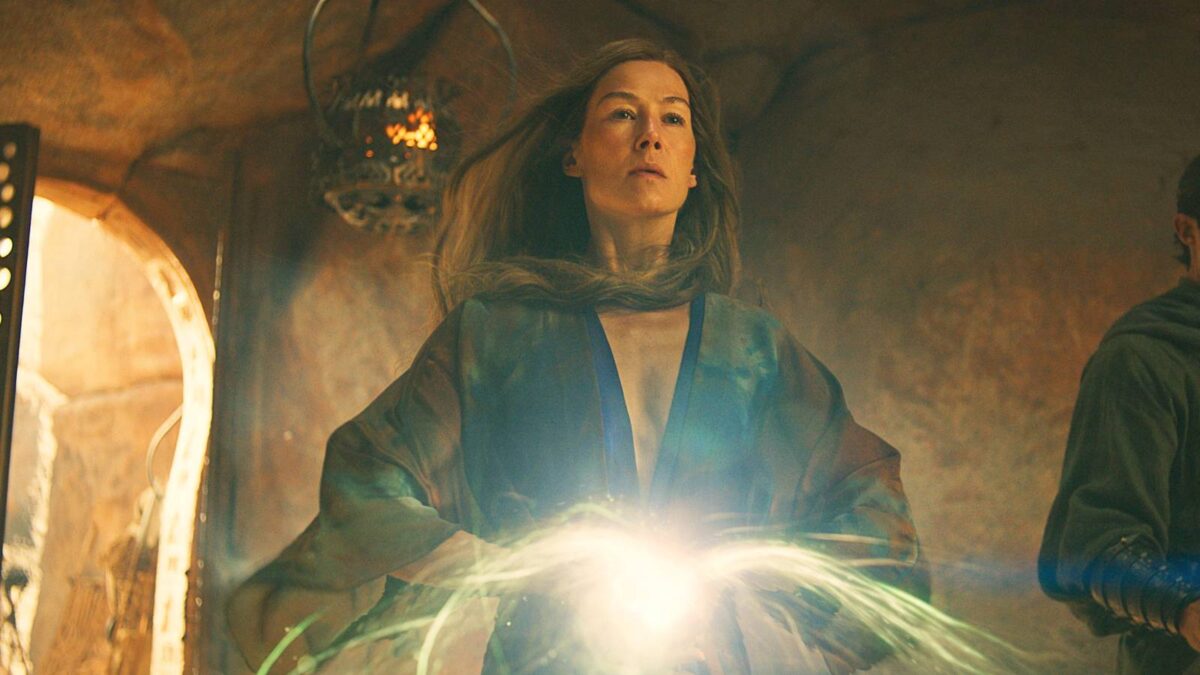
New ‘Wheel of Time’ Animated and Video Game Adaptations Are in the Works
Amazon might be finished with The Wheel of Time, but we haven't seen the end of the story when it comes to adaptations of Robert Jordan's bestselling high fantasy saga. Fans were left blindsided when Amazon abruptly pulled the plug…
Mar 22, 2026