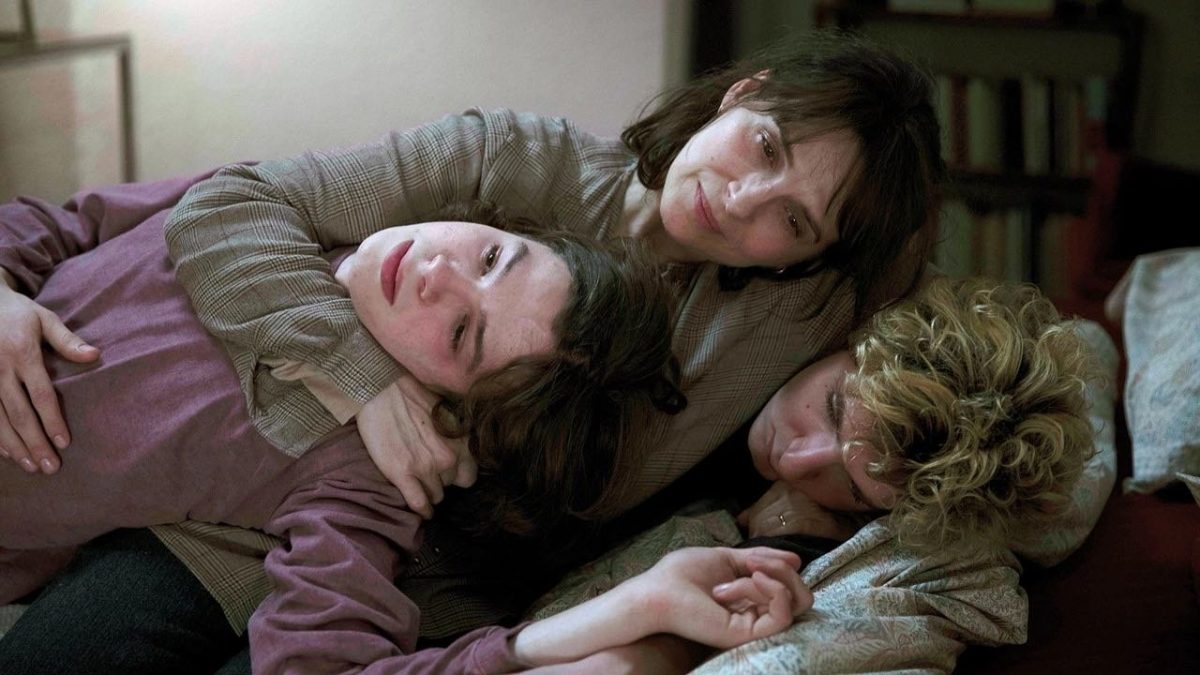
Christophe Honoré’s Latest With Juliette Binoche Is An Affecting & Occasionally Hackneyed Portrait Of Grief
Apr 29, 2023
A young boy comes of age after his father’s sudden death in Christophe Honoré’s “Winter Boy.” A bleak portrait of grief, the film may earn points for crafting an empathetic, subjective portrayal of one boy’s emotional spiral. Yet, the film also makes several odd formal and aesthetic choices that, ultimately, make Honoré’s film feel more hackneyed than resonant. The strangest of which is the decision to allow Lucas (Paul Kircher), an openly gay 17-year-old, to directly address the camera, explaining and contextualizing his feelings to an unseen audience. It’s a formal choice that, perhaps, allows Honoré to map Lucas’s interior, but it also comes across as cliched, reducing what is otherwise a subdued film to overt melodrama.
READ MORE: Juliette Binoche To Star In Director Lance Hammer’s First Film Since 2008
Without these interludes, however, “Winter Boy” could’ve been an affecting reflection on grief. The film begins with Lucas at a boarding school before he is eventually called back home after his father’s untimely death. There he encounters his despondent mother, Isabelle (Juliette Binoche), and his distant brother Quentin (Vincent Lacoste) as they attempt to sort through their emotions. The scenes with the entire family coming together feel the most lived-in. Eventually, Lucas ends up accompanying Quentin to Paris, having a series of sexual encounters while also growing closer to Quentin’s older roommate Lilio (Erwan Kepoe Falé).
Kircher, in particular, proves to be something of a revelation. His wanderings throughout London and his emotionally distant hook-ups speak volumes to the turmoil that he is barring. His face conveys the pain of a fracturing family, making it all the more strange when he interrupts these contemplative scenes with a voice-over. His relationship with Lilio also becomes increasingly complicated, as he both acts as something of a father figure to the wayward Lucas, but also a possible lover.
By casting himself as the father, Honoré hints at the metafictional quality of the story (Honoré’s father died when he was the same age as Lucas). Yet the film doesn’t really dwell on the father-son relationship, only briefly hinting at Lucas’s life before his death. This is a film almost completely attuned to one person’s struggle. Despite having Binoche, her character is sidelined for much of the film, only really providing short bookends.
Yet, such singular subjectivity is also refreshing. Lucas’s sexual identity is treated less as a site for dramatic interest than just a fact about himself. While he continually makes poor decisions about his lovers, “Winter Boy” never judges these decisions, showing them as part of a natural process of grief. In some ways, his identity is fully formed; in others, he’s still trying to figure out how to present himself. Further, the film occurs during the pandemic, although it’s more ingrained in the characters’ everyday lives than explicitly about COVID.
Somewhere hidden in this film is a more nuanced exploration of grief, yet Honoré seems a bit too interested in entirely unpacking Lucas, leaving little to the imagination about how and why he’s making these choices. It’s odd to have the main character essentially psychoanalyze his life as it plays out in front of us. This is further reflected by Yoshihiro Hanno’s overly sentimental piano score, which harps on the melodrama a bit too frequently.
Even with these affectations, “Winter Boy” is still incredibly focused, feeling more like a personal excavation of one’s own childhood than what could’ve been a generic exploration of the cycles of grief. But in digging up what seems to be his own personal history, Honoré doesn’t trust the audience fully to fill in those silences. [C+]
Publisher: Source link


The SpongeBob Movie: Search for SquarePants Review
It raised more than a few eyebrows when The SpongeBob Movie: Search for SquarePants was selected as a closing night film at AFI Fest. It made more sense within the screening’s first few minutes. Not because of the film itself, but the…
Feb 5, 2026
28 Years Later: The Bone Temple Review: An Evolving Chaos
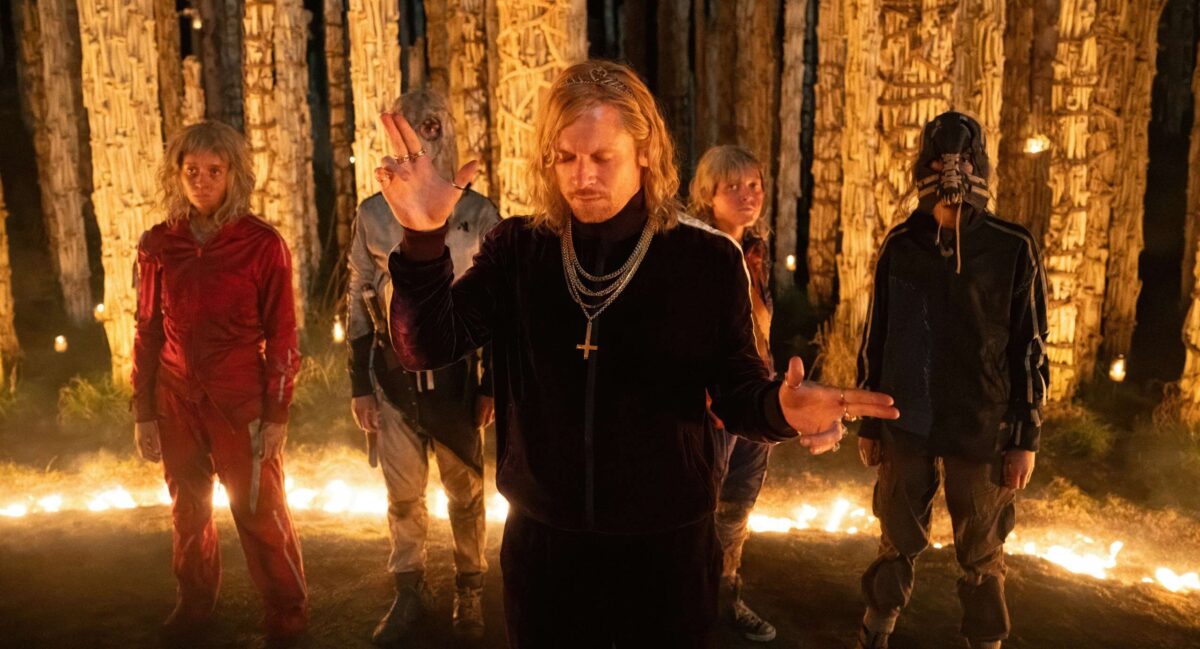
Although Danny Boyle started this franchise, director Nia DaCosta steps up to the plate to helm 28 Years Later: The Bone Temple, and the results are glorious. This is a bold, unsettling, and unexpectedly thoughtful continuation of one of modern…
Feb 5, 2026
Olivia Wilde’s Foursome Is an Expertly Crafted, Bitingly Hilarious Game of Marital Jenga
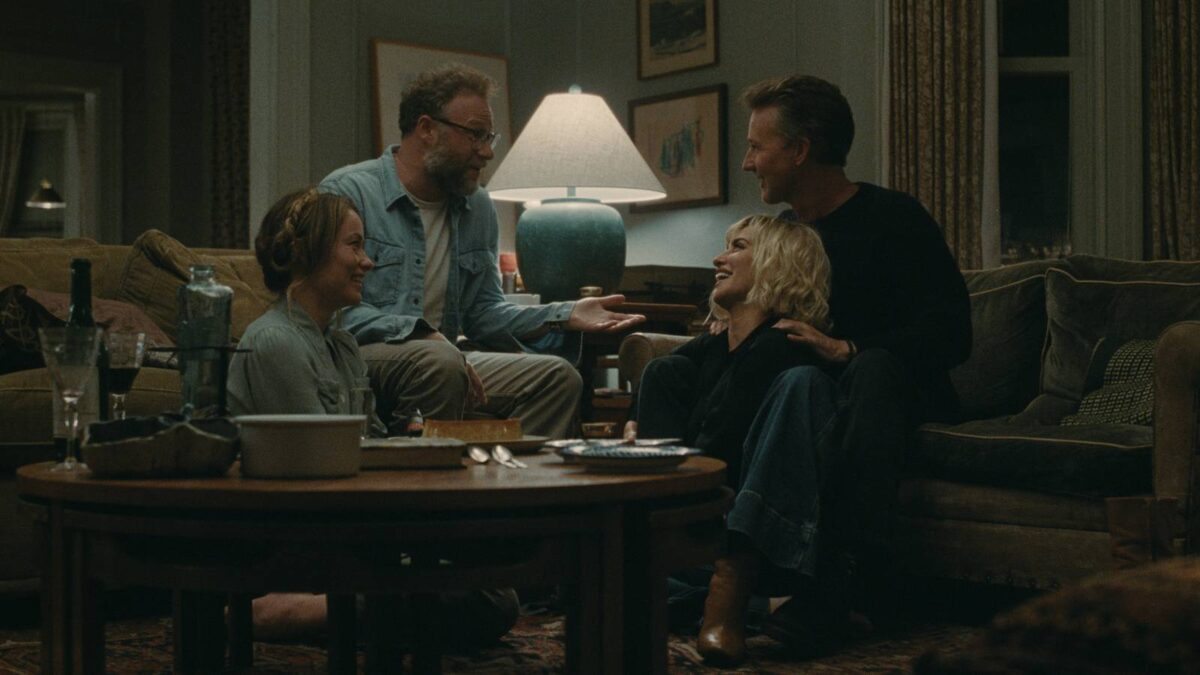
If you've lived in any city, anywhere, you've probably had the experience of hearing your neighbors have sex. Depending on how secure you are in your own relationship, you may end up wondering if you've ever had an orgasm quite…
Feb 3, 2026
Will Poulter Is Sensational In An Addiction Drama That Avoids Sensationalizing [Sundance]
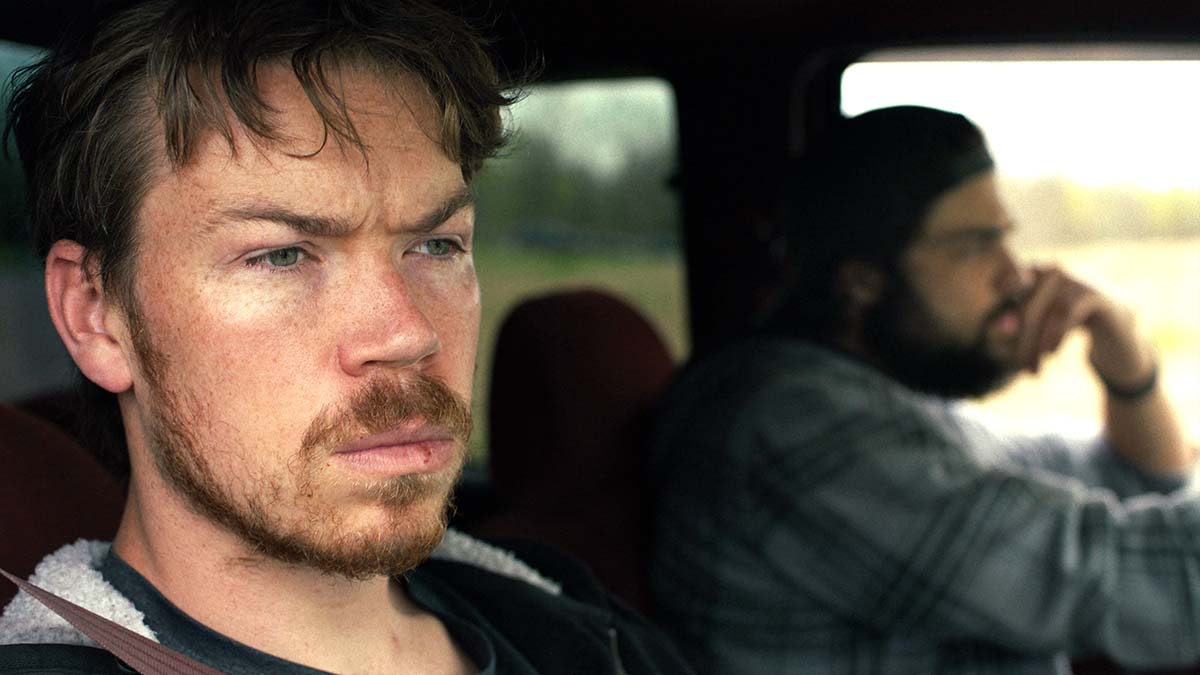
Despite all the movies made about addiction, the topic does not naturally lend itself to tidy cinematic narratives. (At least, when portrayed accurately.) While actors often visualize the condition of substance dependency through expressive physical outbursts, the reality of recovery…
Feb 3, 2026