David Chase’s Favorite Tony Episodes in ‘The Sopranos’ Aren’t About Tony
May 25, 2025
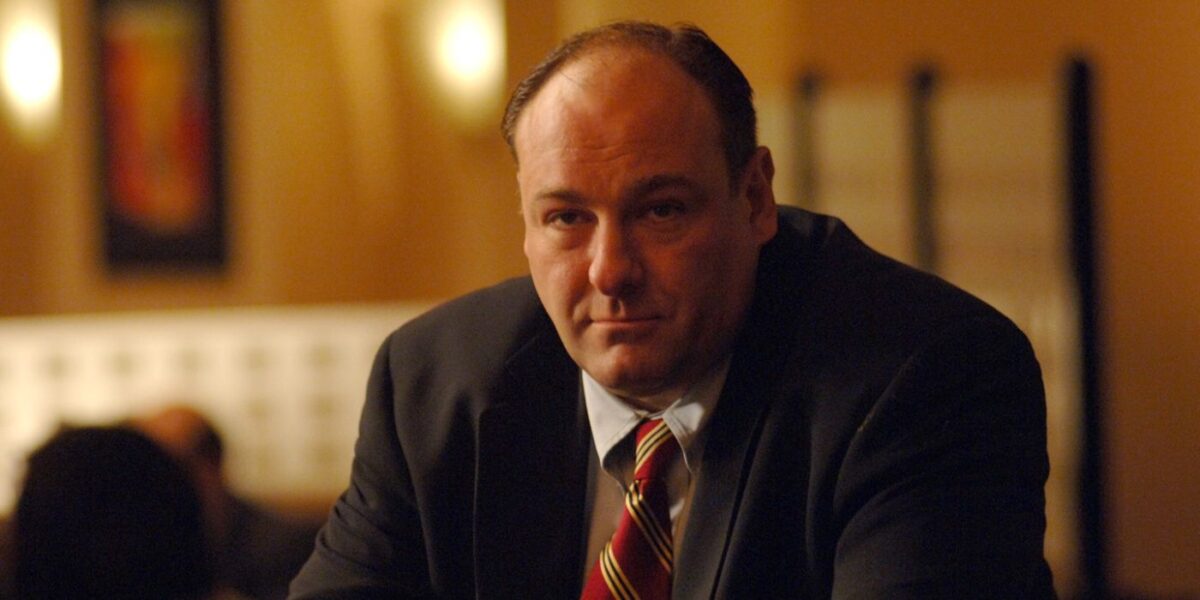
In the annals of TV history, few characters loom as large in the public imagination as Tony Soprano, the mob boss at the heart of HBO’s The Sopranos. Embodied by the late, great James Gandolfini, Tony occupies nearly every frame of the series’ 86 episodes, and even when he’s not on-screen, he still takes up space. As the towering figure at the center of such a sprawling crime saga, it would be hard for anyone to pick what they consider his best episode, but that’s just what creator David Chase did, and his answer is surprising.
In a 2017 interview with the Huffington Post to commemorate the series’ Blu-ray release, Chase was asked to pick his favorite episode for each of the show’s main characters. Since one episode wouldn’t suffice for such a central character like Tony, Chase picked two: Season 6’s “Join the Club” and “Mayham.” The funny thing is, those episodes aren’t even really about Tony, at least not in a conventional sense.
What Happens in ‘The Sopranos’ Season 6?
HBO
The Sopranos frequently liked to play around with the form of its storytelling, and the early episodes of Season 6 offer one of its strangest and most intriguing experiments. At the end of the season premiere “Members Only,” Tony is checking up on his Uncle Junior (Dominic Chianese), whose mind has been slipping further into dementia with each passing season. Mistaking him for a long-dead enemy, a confused Junior shoots Tony in the stomach, and he barely manages to call 911 before losing consciousness.
“Join the Club” shows the aftermath, where Tony is in the hospital in an induced coma as the doctors try to fend off the possibility of an infection that could easily claim his life. Carmela (Edie Falco) and Tony’s kids and mob associates all gather around him, hoping their presence and well-wishes might help him pull through. Meanwhile, Tony is off on a strange adventure all his own.
Related
10 Things ‘The Sopranos’ Gets Right About the Real American Mafia
So realistic is ‘The Sopranos’ that real Cosa Nostra members were convinced the show had “a guy on the inside.”
In his coma, Tony imagines himself in a sort of alternate reality, where he never became a mobster and instead has a lucrative job as a precision optics salesman. While at a conference in California, his briefcase is accidentally swapped with that of a man named Kevin Finnerty, who looks suspiciously similar to Tony. Stranded without the necessary ID to get into the conference, Tony tries to locate Finnerty, and begins to question his own identity the more time he spends living another man’s life.
It’s a peculiar storytelling choice, particularly at the start of the series’ final season. It’s even more peculiar hearing Gandolfini’s more precise diction after five seasons of a thick Jersey accent (it’s clear from interviews that this version of Tony’s voice is closer to Gandolfini’s own). While it perplexed some viewers upon first airing, these episodes speak to some of the series’ biggest themes as it moves into its endgame.
The Larger Forces of ‘The Sopranos’
HBO
One of the most impactful lines in Season 6 doesn’t come from any of the characters, but rather from an Ojibwe saying taped to the wall in Tony’s hospital room: “Sometimes I go about in pity for myself, and all the while, a great wind carries me across the sky.” It makes for an unlikely but apt thesis for the final season, as the show reckons with the choices the characters have made and where those choices clash with larger forces beyond their control.
Early in the series, Tony famously said that there are only two ways guys like him make it out of the mob life: dead or in jail. Tony and his fellow mobsters adopt a very fatalist point of view, where individual choices don’t really matter all that much because the end is basically already decided. As a young man, Tony felt like he didn’t have many other options besides following his dad into a life of crime, and that he’d essentially been following a predetermined path ever since.
Related
‘The Sopranos’ Season 6 Queer Storyline May Have Done More Harm Than Good
It wasn’t exactly a win for representation. So what was it?
Tony’s coma vision presents him with another path in life, one where he could have avoided the mafia, but it’s unclear if the Tony that the series spent the previous seasons building could ever have been truly satisfied doing anything else. It seems that this alternate Tony has had a great deal of success in his field, but something still nagged at him enough that he could take on the identity of another person.
The Sopranos made it clear that everyone is a product of their upbringing and their decisions in life, and that there isn’t a clear divide between nature vs. nurture. Tony was molded by his father’s criminal activities and his mother’s scorn, but he still made the choices that led him to that hospital room. It connects to the series’ deeply Catholic point of view that there are two options for the afterlife, Heaven or Hell, and the choices a person makes in life determine the outcome.
Out of the many great episodes Chase had to choose from, his pick for Tony’s best moment makes a lot of sense. Even if they don’t directly focus on the Tony that viewers know, “Join the Club” and “Mayham” dig deep into what makes Tony the person he is, and what parts of him are inherent or the product of his choices. It’s just one of the many examples of how The Sopranos changed TV storytelling forever.
Publisher: Source link



A Flame The Colour of Air – Film Threat
SLAMDANCE FILM FESTIVAL 2026 REVIEW! You will shimmer and shake, like you’re riding the snake while being wowed by the dynamite animated short A Flame The Colour of Air, written and directed by talented Canadian filmmaker Emily Pelstring. Jessica Mensch’s…
Mar 3, 2026

‘9-1-1’ Can’t Decide What It Wants To Focus On in a Lackluster Season 9
Editor's Note: The following contains spoilers for 9-1-1 Season 9, Episode 11.I was hoping that 9-1-1 would take advantage of its month-long hiatus and course-correct after its most recent episode, but while this week is certainly an improvement from last…
Mar 3, 2026
Good Luck, Have Fun, Don’t Die Review
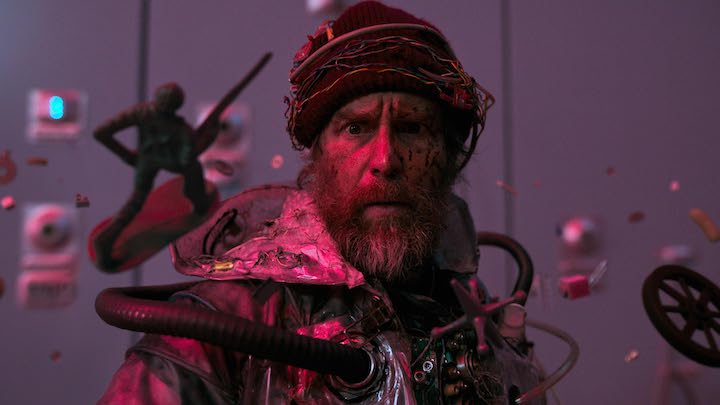
Mercy was a film about AI that AI could’ve written. Good Luck, Have Fun, Don’t Die also tackles AI, although it could only come from the mind of Gore Verbinski. As he did with his Pirates of the Caribbean trilogy…
Mar 1, 2026
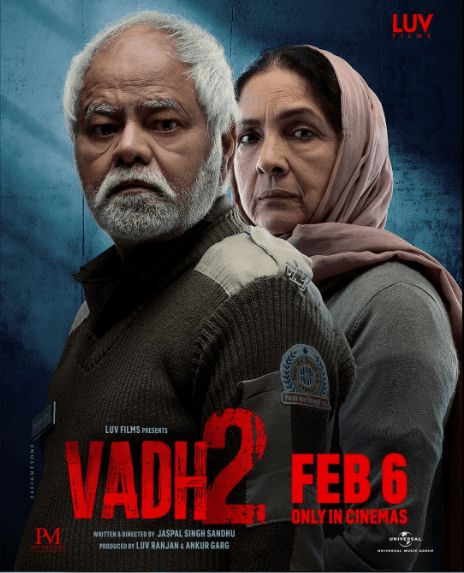
Investigative Screenplay Review: Suspenseful but Weak Antagonist
Vadh 2 (2026): When Murder Is Justified — Starring Sanjay Mishra as prison guard Shambhunath Mishra When evil tries to take control, its destruction becomes necessary. With this theme, Bollywood brings you a spiritual sequel to its 2022 crime-thriller “Vadh”.…
Mar 1, 2026