
Eva Victor Confronts Sexual Assault From A Different Perspective [Sundance]
Feb 2, 2025
PARK CITY – For more than four decades, the Sundance Film Festival has consistently been a platform for the introduction of new cinematic voices. Some of them fade away, and some of them have become an integral part of American pop culture. The jury is still out on how long Eva Victor will leave her mark (to be fair, it’s her first time out) but her directorial debut, “Sorry, Baby,” proves she’s a writer and director who deserves your attention.
READ MORE: “Twinless” Review: Dylan O’Brien is utterly fantastic in this funny and twisty drama [Sundance]
Divided into four chapters, the first portion of “Sorry” begins with Lydie (Naomie Ackie, fantastic) visiting her PhD program buddy Agnes (Victor) in a small college town somewhere on the coast of Massachusetts. Agnes is something of a recluse, living in the same old home she did in college. Lydia resides in New York City with her girlfriend and soon realizes that they will be staying in for most of the time. But that’s O.K., the duo has one of those friendships that just clicks no matter how long you’ve been apart.
The tranquil visit is unnerved by two seemingly inconsequential events. The first is a small reunion dinner hosted by former classmate Natasha (Kelly McCormack, spot on), who is showing off her expensive new digs (there’s lots of rich, dark wood). Both Agnes and Lydie have to hold their tongues through the experience, however, because Natasha is a character. And is Natasha still bitter that Agnes landed a teaching position at the college she also wanted? She snaps, “She’s the youngest in 50 years, that bitch.” Pausing to add, “Just kidding.” Yeah, sure seems like it. Separately, Lydie spills the good news that she’s pregnant, which will resonate later on as Agnes comes to terms with her own feelings about motherhood.
Before she returns home, Lydia tries to get serious with the almost incessantly flippant Agnes. She holds her hands and bluntly asks her not to die. Agnes glibly replies that if she were going to do that, she would have done it last year, or the year before, or the year before that. Lydia tries to hide her concern.
The movie then flashes back four years, to a chapter titled, “The Year With The Bad Thing.” Lydia, Agmes, and Natasha are all in a small class where Professor Decker (Louis Cancelmi, quite good) is mentoring their thesis projects. Much to Natasha’s often humorous frustration, Decker never seems to have an issue with Agnes’ writing. He even invites her to his office to encourage her. There is seemingly nothing clandestine about his request and he has to cut it short to pick up one of his kids. Often, the worst perpetrators are never who they seem.
Decker invites Agnes over to his home. She goes in beaming. She leaves with her jeans broken. Victor doesn’t show what happened. She doesn’t have to. Her performance and Agnes’ reaction to what occurred say everything. She’s in shock. and Lydie is there for her. She won’t be forever, though.
The most remarkable aspect of Victor’s accomplishment with “Sorry, Baby” isn’t her wry sense of humor and deft observations about the inherent awkwardness of human social interactions (although it consistently pops). Instead, it’s how she emphasizes the seriousness of the events while staying true to Agnes’ unique personality. Agnes is going to be awkward with the doctor examining her, which will be funny to some. Victor isn’t afraid to portray it that way. It is who Agnes is. In another instance, Agnes ends up randomly asking Gavin (Lucas Hedges, refreshing), a neighbor she’s never met before, to borrow oil lighting fluid. When he asks why, she says, on the fly, it’s for hot dogs. It’s really to burn down Decker’s office, but when Lydia offers to assist, she collapses in a chair and she keeps repeating, “I don’t want him to die.”
As Agnes grapples with new revelations about Decker, she has a consequential conversation with Pete (John Carroll Lynch, superb), a friendly sandwich shop owner, about the time needed to recover from something tragic. It seems like the first time Agnes has verbalized how she truly feels about what happened to her. And the guilt she feels some days when she forgets it happened. It’s a humane and startling moment that demonstrates Victor’s considerable talent. This is stellar screenwriting.
The only facet of “Sorry, Baby” holding it back from true greatness is the cinematography. Beyond a key scene outside of the professor’s home (which Victor says she visualized in the script), Mia Coffi Henry’s work is disappointingly flat. The movie is already occurring in a mostly dreary northeast winter. It could have benefited from even a subtle visual kick. But Victor’s voice? Her point of view? You won’t forget it. [A-/B+]
Check out the latest reviews from the 2025 Sundance Film Festival and The Playlist’s complete coverage from Park City here.
Publisher: Source link



Born Again’ Showrunners Detail How the Media Ties into Season 2
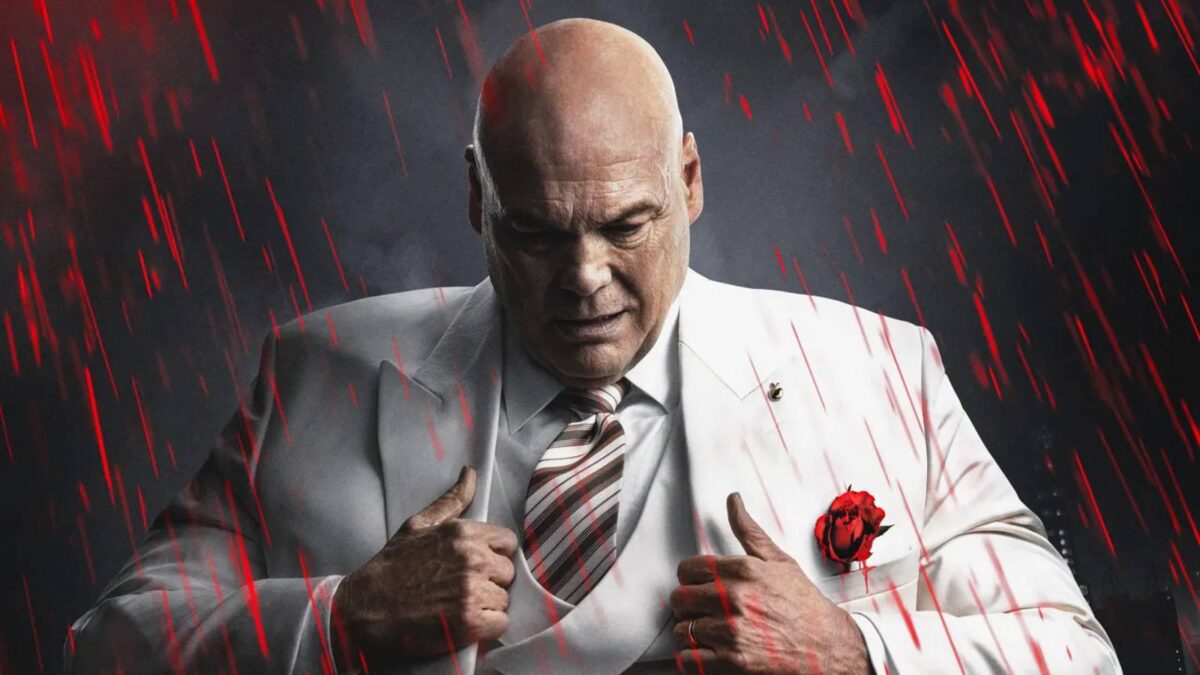
Marvel is fast approaching the release of Daredevil: Born Again Season 2, marking its second live-action Disney+ show of 2026. Bringing back Charlie Cox's Matt Murdock and Vincent D'Onofrio's Wilson Fisk, this season picks up where Season 1 left off,…
Mar 23, 2026

New ‘Wheel of Time’ Animated and Video Game Adaptations Are in the Works
Amazon might be finished with The Wheel of Time, but we haven't seen the end of the story when it comes to adaptations of Robert Jordan's bestselling high fantasy saga. Fans were left blindsided when Amazon abruptly pulled the plug…
Mar 22, 2026
‘Off Campus’ Teaser and Release Date Revealed by Prime Video
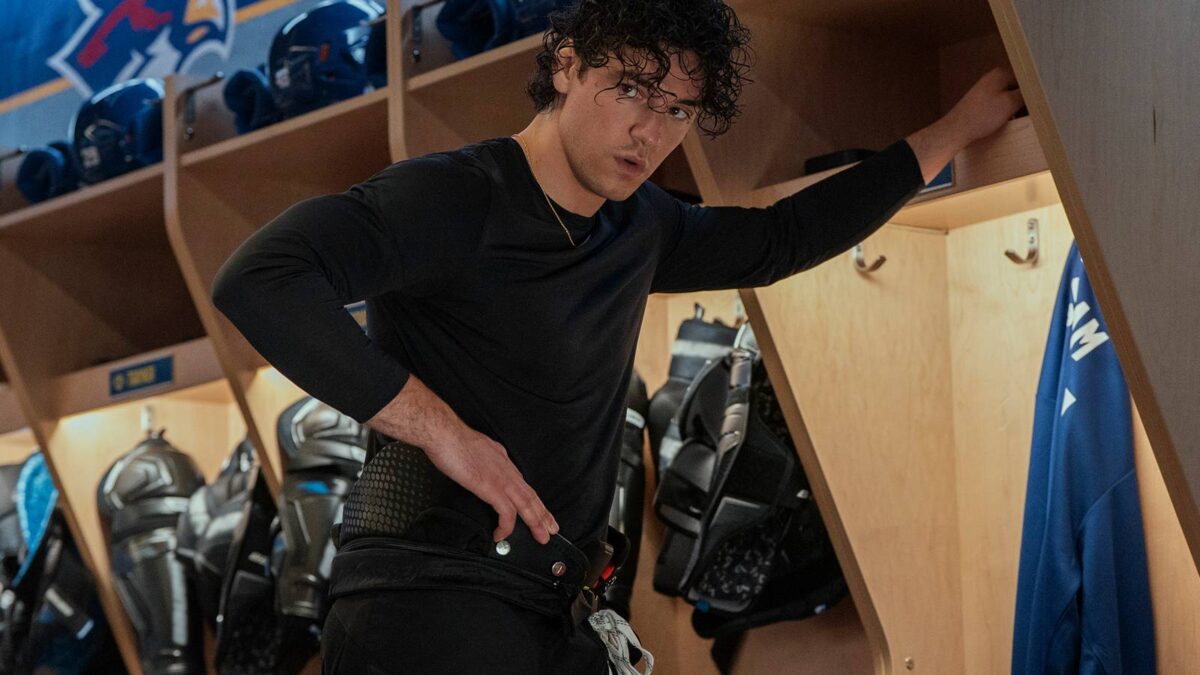
No one expected a love story between rival hockey players to become one of the most talked-about TV shows of 2025, but there's a lot more where Heated Rivalry came from, as a new teaser for Prime Video's foray into…
Mar 21, 2026

Sarah Michelle Gellar Urges ‘Buffy’ Fans to Avoid Reading Leaked Reboot Scripts
Buffy the Vampire Slayer fans have had a rough few days after Hulu officially pulled the plug on a revival of the series, which would have brought star Sarah Michelle Gellar back as the titular heroine. Described as a continuation…
Mar 20, 2026