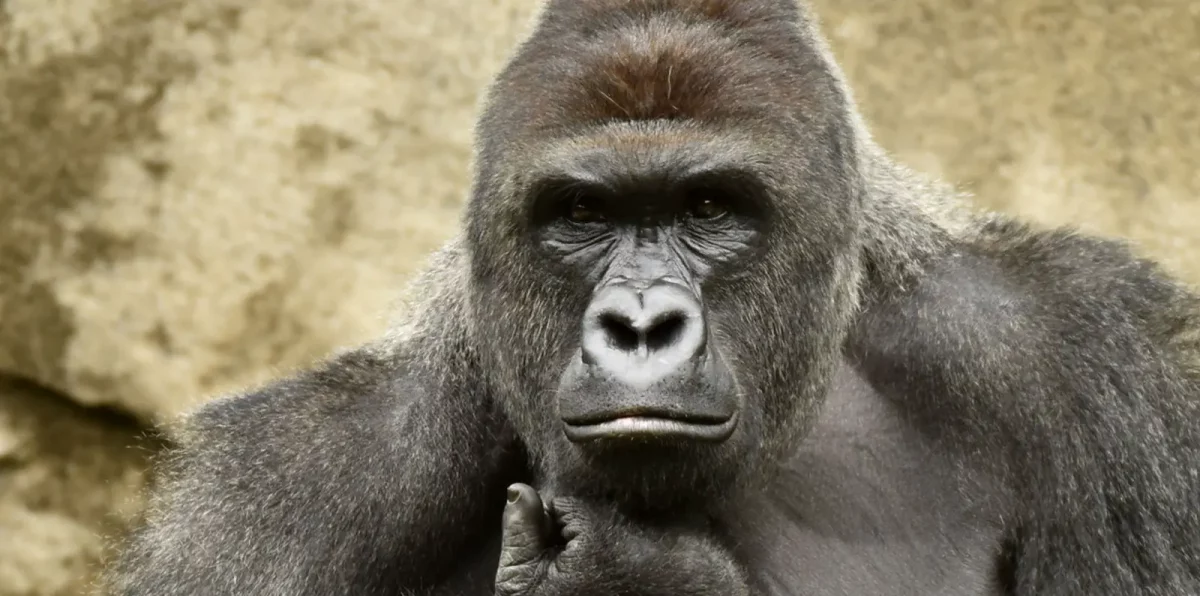
Harambe Featured, Reviews Film Threat
Nov 2, 2023
I’ll admit. I love zoos, and I might say I’m somewhat pro-zoo as zoos, aquariums, and preserves give us access to nature and animals in ways that the internet simply can’t. When Erik E. Crown’s documentary, Harambe, came around, it challenged my views on zoos or the “captivity industry.” Sometimes, we need our views challenged.
Harambe refers to the infamous western lowland silverback gorilla displayed at the Cincinnati Zoo. You may have heard the story…you’ve undoubtedly seen the memes, but in 2016, a young boy climbed into the gorilla enclosure, and Harambe was seen protecting, though officials would say harming, the child.
Viral video footage shows Harambe dragging the child through the water, grabbing him by the shorts, and engaging in other behaviors that would question the supposed “violent” actions of the gorilla. Believing they had no other choice, the zoo officials and law enforcement killed Harambe for the boy’s safety.
Harambe’s death sparked a massive debate that went far beyond the mainstream news media. The slain silverback became the face of thousands of memes and short videos regarding injustice and unjustified death. Harambe’s death resonated with the world.
The questions quickly mounted. Was the boy in any real danger? Whose was at fault…the parents…the zoo? Why did Harambe have to be killed instead of tranquilized? Should animals be caged up for the rest of their lives? Does the lack of freedom and do tight enclosed spaces do permanent damage to animals? Should we even have zoos in the first place?
“Was the boy in any real danger? Whose was at fault…the parents…the zoo?…Should we even have zoos in the first place?”
It’s best to start by saying that Harambe is solidly anti-zoo. Yes, the other side is not represented fairly, but I’d suppose the pro-zoo arguments have been well-represented for the past century or two. Harambe‘s strength is that it represents its case in an interesting and engaging way.
One of the most potent arguments is the condition known as Zoochosis. Just how do cages, enclosures, and man-made habitats affect these animals? Gorillas are considered nature’s gardeners, but what effect does not engaging in one’s natural behaviors have? Zoochosis can be seen in repetitive tick-like behaviors and noticeable depression in the animals.
Harambe may not push the limits of documentary filmmaking in any way, but it decides just present its case without any flashy cinematic flare. Documentarian Crown interviews animal rights activists such as Dame Virginia McKenna and Will Travers from the Born Free Foundation and personalities such as the film’s narrator actor, Peter Egan, Dan Van Coppenolle, and Ian Redmond OBE.
The film also follows Harambe’s personal photographer, Jeff McCurry. Before the incident, McCurry produced some of the most beautiful and iconic photos of Harambe. His death had a profound effect on him, and McCurry began questioning and investigating the decisions made surrounding Harambe’s death. McCurry’s action led to a permanent ban from the zoo that benefitted from McCurry’s photos.
Harambe is a very no-frills documentary, and I like it that way. I tend to take its arguments more seriously when it is simply people expressing their opinions while not backed by the over-produced HBO documentary machine. It’s also much more even-toned than, say, a film like Blackfish. Some might criticize the film for not going darker. Instead, filmmaker Crown appeals to our intellect to make his case, and now it’s up to us to make a decision or at least see zoos in a different light.
For screening information, visit the Harambe documentary’s official website.
Publisher: Source link





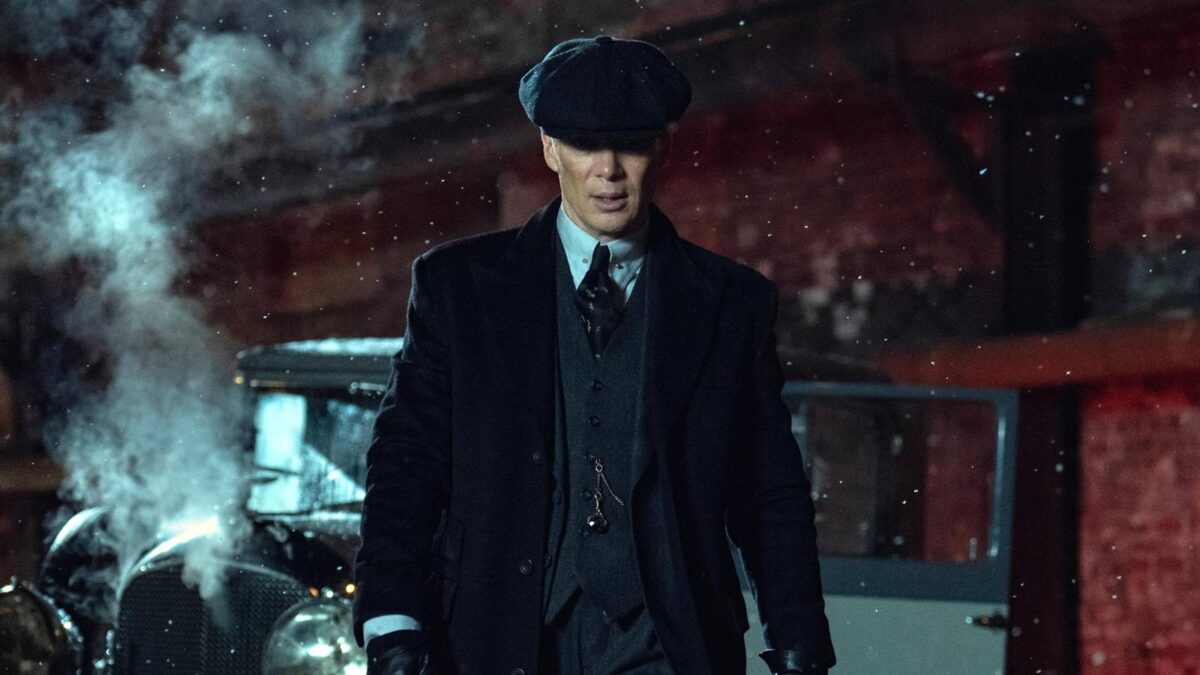
‘Peaky Blinders’ Sequel Series First Look Image Reveals Jamie Bell as Duke Shelby
A new era of Peaky Blinders begins. Following the hugely successful release of the final chapter in the Tommy Shelby saga in Peaky Blinders: The Immortal Man, Netflixhas now revealed our first look at the upcoming sequel series, confirming that…
Apr 4, 2026
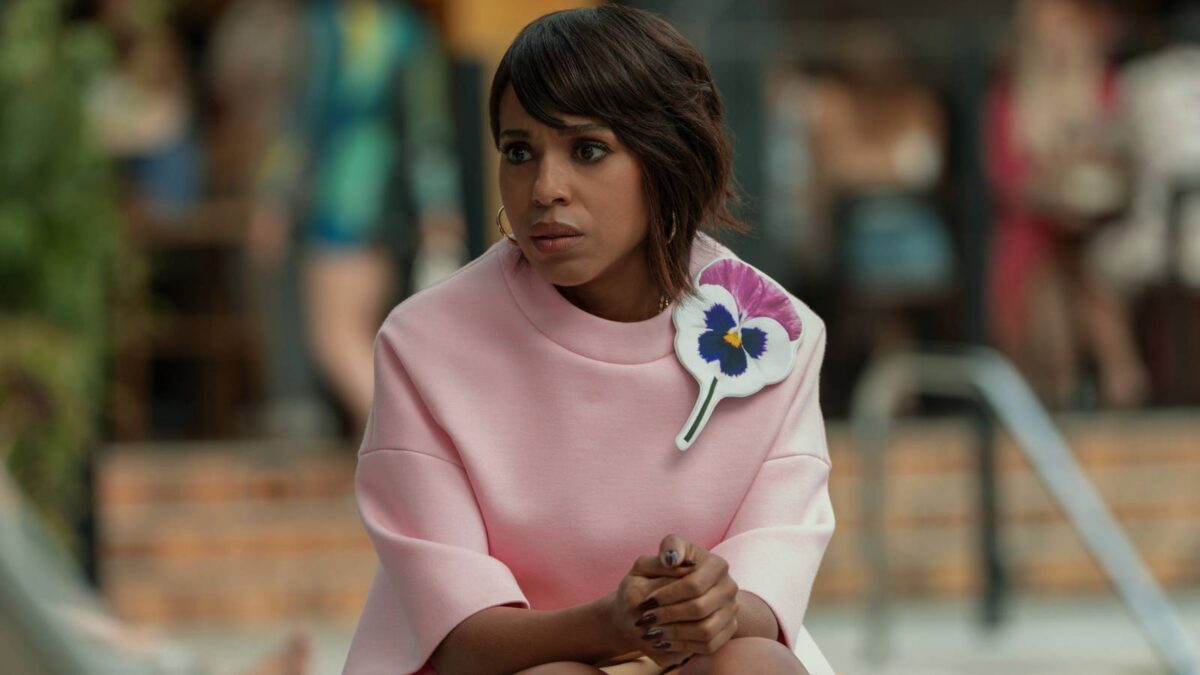
Apple TV’s ‘Imperfect Women’ Is Silently Taking Over Streaming
Apple TV's newest series is quietly taking over streaming following its debut last month, as the psychological thriller has risen to become the second most popular show on the streaming platform. Apple has always been home to great thrillers like…
Apr 3, 2026
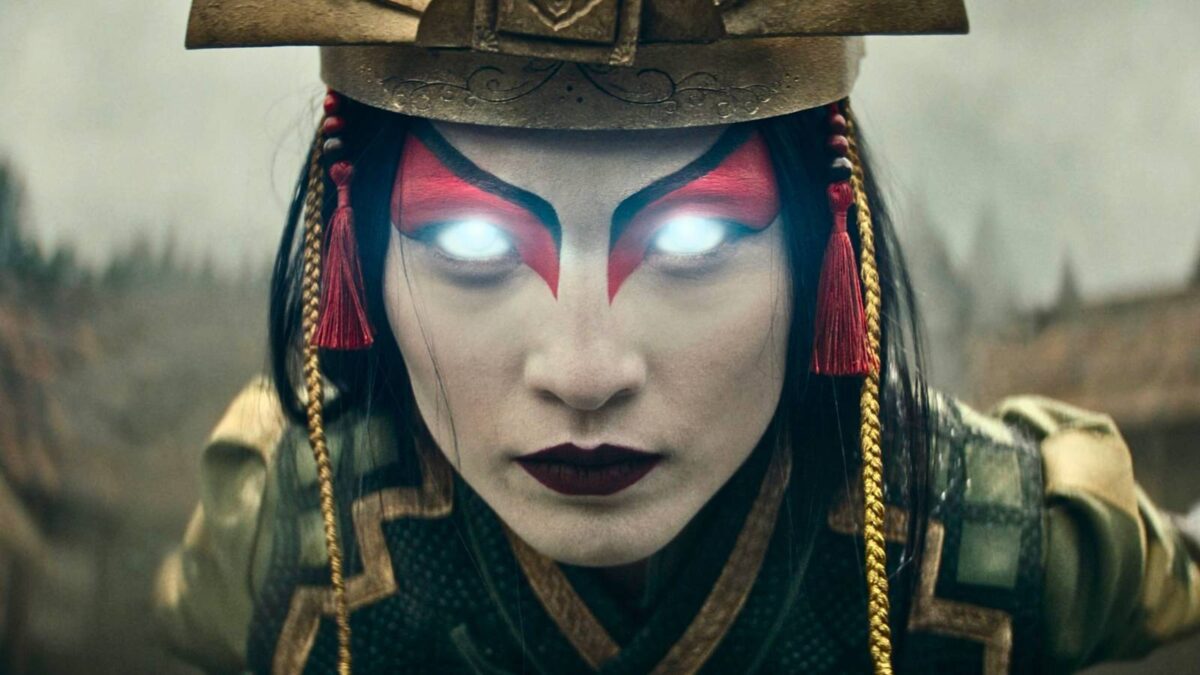
The Last Airbender’ Season 2 Release Date Announced by Netflix
In February 2024, Avatar: The Last Airbender got its first chance to shine in a live-action format, as a live-action reboot debuted on Netflix after years of utilizing an animated setting. Starring Gordon Cormier as the titular Avatar Aang, next…
Apr 2, 2026
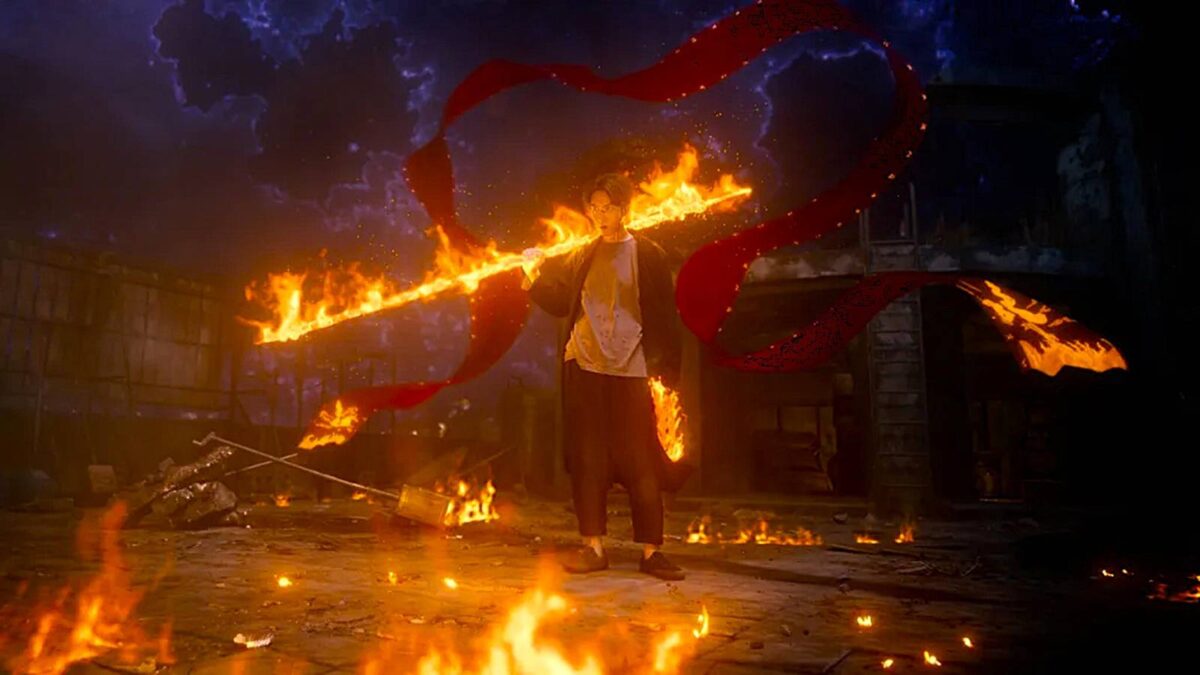
‘Agent From Above’ Images Tease This Week’s Release of Netflix Action Fantasy Series
In anticipation of its long-awaited debut this week, Netflix has revealed several new images from the streamer’s most ambitious action fantasy epic series. Nearly a decade after it was first announced, the popular streaming platform is hoping all that effort…
Apr 1, 2026