Heartbroken Hipsters Try & Heal In Shallow Music Time Travel Movie [SXSW]
Mar 22, 2024
When is a collection of dreamy, romantic, forlorn, and crestfallen moods just that and not actually much of a movie other than a series of sequences that sum up those big melancholy feelings with achingly dreamy music? Oooh, ooh! “The Greatest Hits,” filmmaker Ned Benson’s latest feature-length effort, would like to field this one. Built one too many many groan-worthy romantic clichés like the relationship breakup phrase, “it’s time to move on,” taken to an implausibly silly genre and literal level, Benson uses a flimsy neurological time travel conceit to tentatively move forward and heal his hopelessly heartbroken protagonist’s heart.
READ MORE: SXSW 2024 Preview: 21 Films & Shows To Watch
“You know how a song can transport you back into a moment in time?” one character essentially says to another. And yeah, the misguided film is basically that prosaic and literal-minded concept stretched out into a rather painful 90 minutes of the atmospheric, music-laden tale of heartbreak, grief, recovery, and maybe, just maybe, another chance at love.
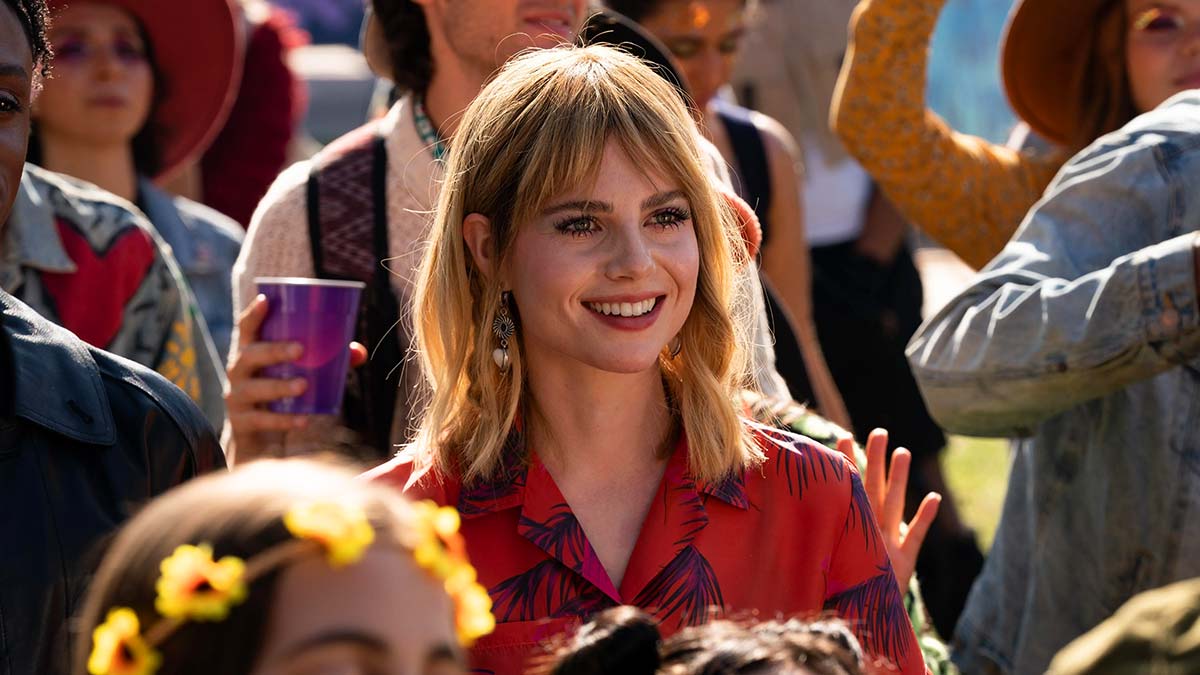
Overly earnest to a fault, “The Greatest Hits” begins with Harriet (wounded little bird Lucy Boynton), a lovelorn woman recovering from the death of her boyfriend (scruffy David Corenswet). She discovers she has a strange medical/neurological condition— triggered by a traumatic head injury from an accident that put her in a coma for a week—where specific songs have the power to transport her back in time. Yes, she’s been to doctors, and nothing has worked.
So, she uses this surreal experience and connection between art and reality to relive various special moments with her ex-boyfriend and then concocts an obsessive plan to try and save him. See, the cocky, hipster boyfriend (who is essentially playing the one note of “hot” and “into music”) died in a car accident with Harriet in the vehicle. She believes—and so does the movie—that if she can find the exact right song in time, she can convince her ex to either not drive on that day or at least make a right instead of a left and rescue him from his intended fate.
Isolating from society and wearing headphones at all times other than when she is in control of the music—so it doesn’t trigger an episode and throw her back in time—he carefully constructs a rigid world defined by these rules, taking a job at a library where music isn’t allowed. Two years on from her boyfriend’s death, she attends grief counseling. Still, she doesn’t seem as if she’s remotely ready to let go, despite the insistence of her hipster, very gay bestie (Austin Crute, playing the one note of obnoxious sassy quipster).
But as rom-com narratives are wont to do, life seems to serve up the possibility of not just holding on and trying to fix the past when a cute new hipster boy, who also loves music (Justin H. Min), appears in her grief counseling sessions, himself still reeling from the death of his parents.
The rules of time travel are always convoluted, but they suspend disbelief with their own set of rules. Based on the music and certain songs, the regulations in “The Greatest Hits” aren’t really convincing, and maybe it’s because the movie feels contrived and cloying from minute one.
While “The Greatest Hits” does feature a great soundtrack—The The, 10CC, Roxy Music, and other classic songs, though many of them recycled too often in movies lately, diluting their power—the movie doesn’t really employ them to any significant use other than making everything feel like the equivalent of an overtly weepy emo Phoebe Bridgers song, or a fist-pumping Taylor Swift jubilation. There’s very little nuance within.
Worse, as you might expect, the movie is just slathered in wall-to-wall movie sequences, and it’s easy to tune out. This music abuse seems like a collection of starry-eyed music video sequences or a series of “Oh, I know who I would use this song cinematically” vignettes that often feel affected, hokey, and mawkish. Some of the meet-cutes are painful, too, full of outdated references to Silverlake in L.A. as a hipster spot and seemingly ripped from the age when lazy “The O.C.” music supervisors injudiciously applied Death Cab For Cutie and The Postal Service on top of every scene when a sadsack, dejected and angst-ridden teenager faced a lump in their throat heartache. So much of the movie feels ripped out of a very particular moment circa 2005.
Throughout her journey, grappling with her ex and fixing the past or trying to summon up the courage to be in the present moment with this new boy (who is basically playing the character of, ooh, cute new boy with a great haircut), Harriet has to face some difficult choices eventually. Is altering the past a choice worth making? Or is it time to move on? Cue a wistful, exuberant, or pensive pop song, all within the same flavors of heartache, sorrowful dolor, or the exciting rush of potential new love (ugh).
Suffice it to say, “The Greatest Hits” itself— ironically and fittingly often a derogatory term used to define musical cliches and unimaginative musicality— never convincingly transports the viewer anywhere other than a place of well-worn romantic platitudes. Musicologists with any sense of ’00s pop, indie-rock, or dance-pop may find some of the jejune and guilelessly naive moments—akin to the cringeworthy infamous Natalie Portman moment with The Shins in “Garden State”— hard to tolerate. It may also lead to other knowledgeable music heads running for the door to find embarrassing covers.
Music can be a memory muscle, and a special song can transport you back in time, “The Greatest Hits” says artlessly. Certain songs can pull you back into the past, literally! While Benson’s film’s one insightful thought makes a knowing link between the fine line between love and suffering, other than that, the film is riddled with insipid ideas and banal observations.
Further frustrating is that the film, filled with universalities about love, grief, recovery, and healing, could be genuinely poignant if handled well but instead is oversentimentally corny.
Picture a hackneyed, inexperienced Stereogum writer whose musical knowledge is far too limited for his post who tried to write a love story about loss—a haunted past!— and learning to open their heart again after years of keeping it shut. Maybe that gives you all “The Greatest Hits” picture you need. Benson delivered a similarly toned but more affecting heartbreak story in the two-part “The Disappearance of Eleanor Rigby” in 2014. But ten years later, as his first follow-up in all that time, “The Greatest Hits” is way worse than just a sophomore slump, more accurately, a long-the-works opus that should have just stayed in the vaults. [D+]
Publisher: Source link



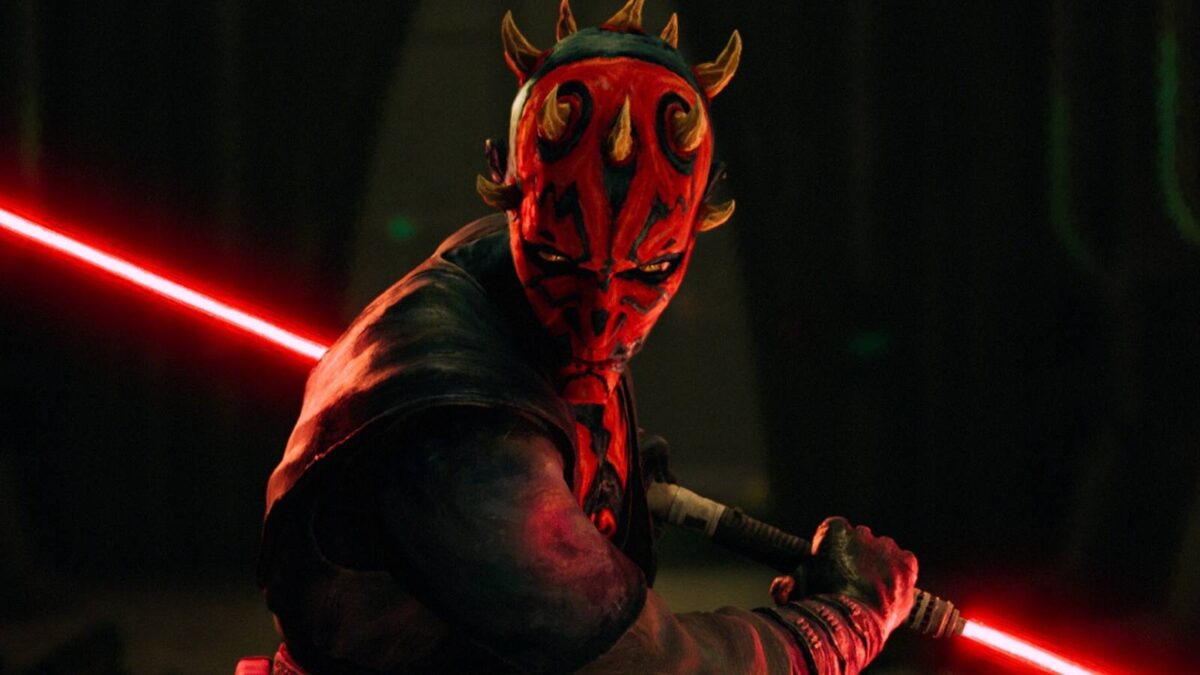
Maul – Shadow Lord’ Will Use Draw From George Lucas’ Original Plans for the Character
It sounds like Star Wars: Maul — Shadow Lord will revisit some of George Lucas' original ideas for Darth Maul before he sold Lucasfilm to Disney. Introduced in 1999's The Phantom Menace, Maul became an instantly iconic and recognizable character…
Mar 31, 2026
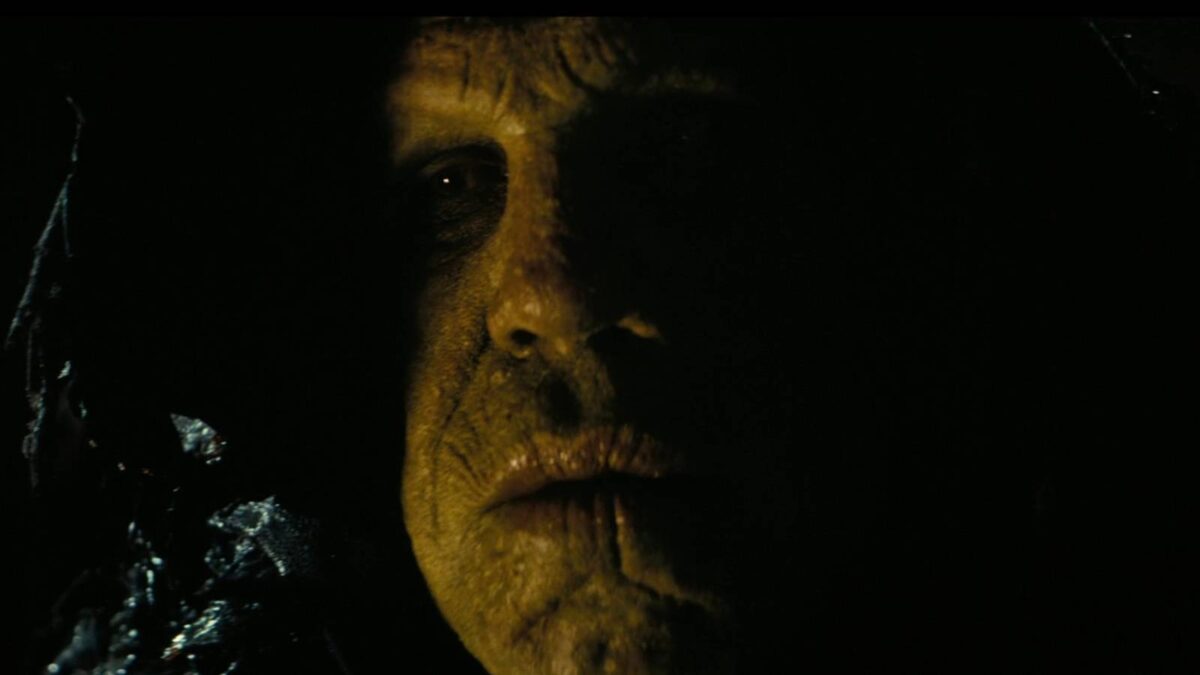
Ron Perlman Explains How His Role as Super Mutant in ‘Fallout’ Came to Be
Ron Perlman has a long list of impressive credits on his resume, including his fan-favorite portrayal of Hellboy in a pair of movies from 2004 and 2008. He also has a long history in video games, thanks to his work…
Mar 30, 2026
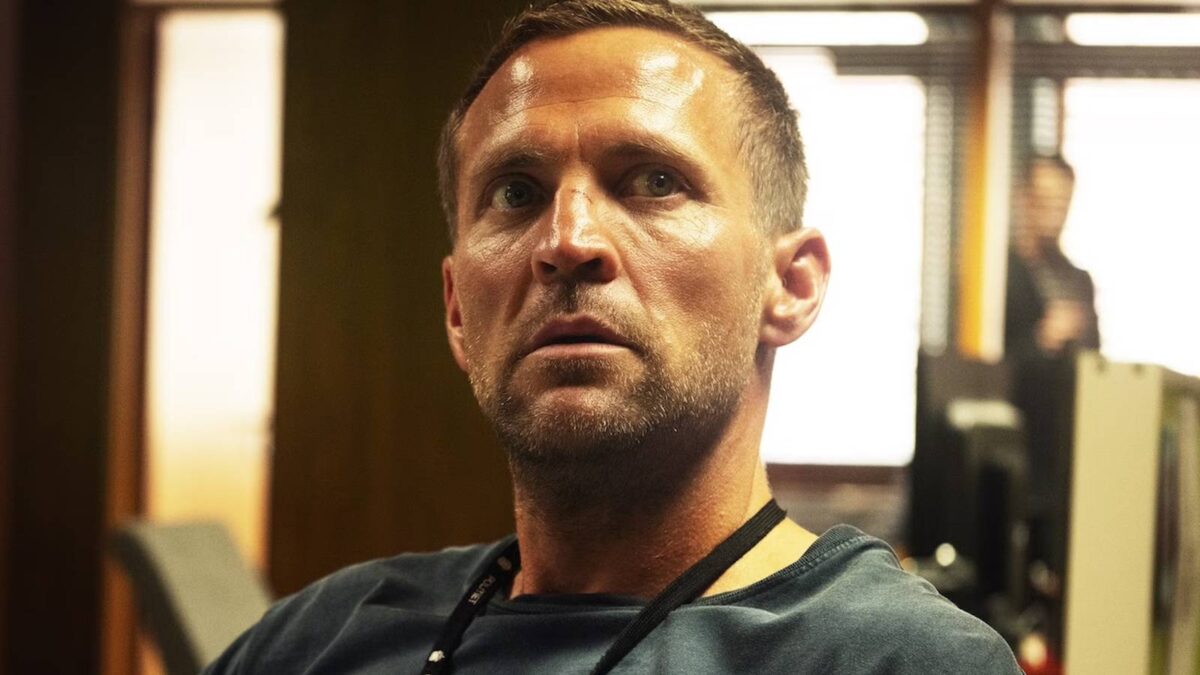
Netflix’s ‘Jo Nesbo’s Detective Hole’ Debuts With Perfect Rotten Tomatoes Score
Anyone currently on the hunt for a new crime thriller to binge-watch may want to divert their attention to Jo Nesbo's Detective Hole, which is currently streaming on Netflix. The nine-part drama, adapting the fifth book in Jo Nesbø's bestselling…
Mar 29, 2026
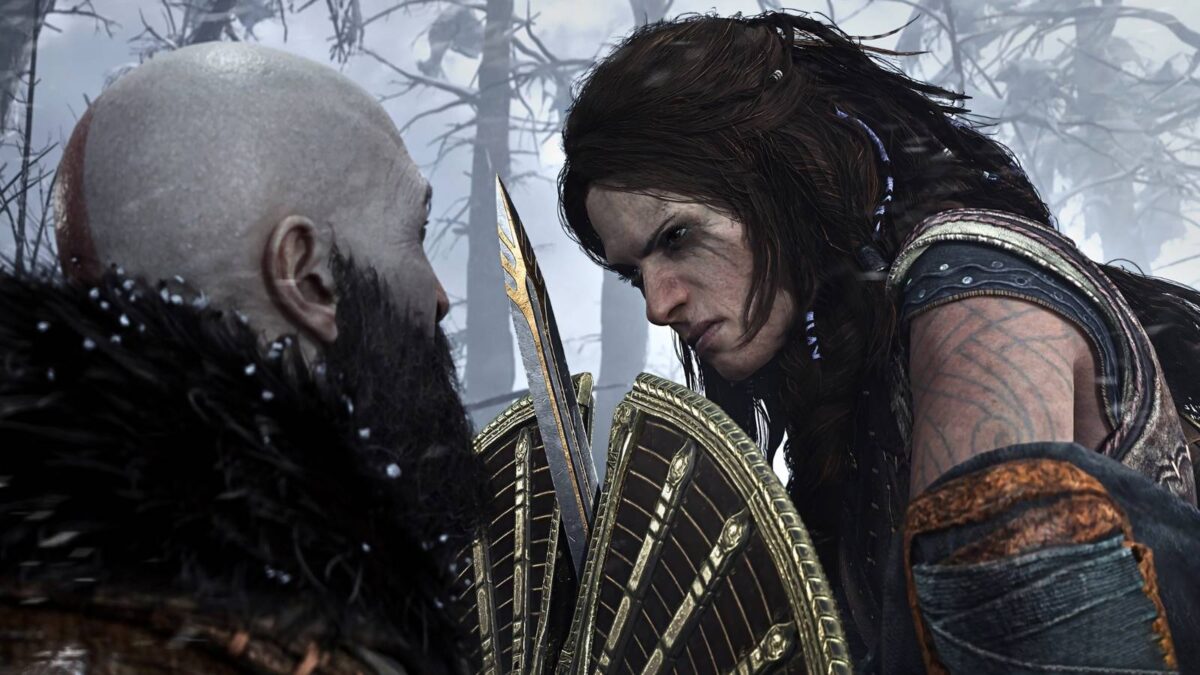
Prime Video’s ‘God of War’ Casts ‘Lost’ Star Sonya Walger as Freya
Amazon's upcoming God of War series that is currently in production is also one of the most anticipated of the next couple of years. Film and television adaptations of popular video games have been on the rise, with creative teams…
Mar 28, 2026