“I ‘Write’ My Films in the Editing Room”: Editor Jules Rosskam on Desire Lines
Jan 22, 2024
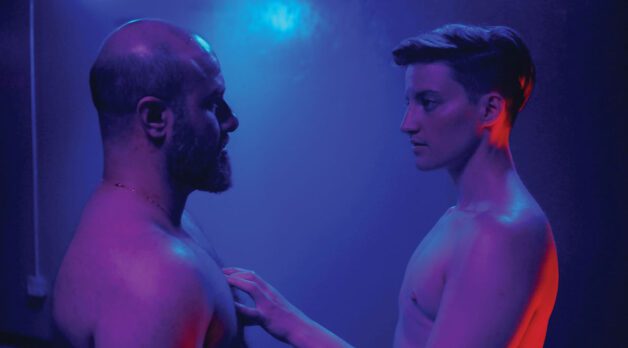
Desire Lines, courtesy of Sundance Institute.
Premiering in the NEXT section of the 2024 Sundance Film Festival, Desire Lines presents the time-traveling journey of an Iranian-American trans man, utilizing a vast archive of queer images in order to transport him between time and space.
Filmmaker and queer scholar Jules Rosskam also served as the film’s co-writer, producer and editor. Below, he describes why he always opts to edit his own work, the various artists that inspire him and a reoccurring motif the film contains that revealed itself during the edit.
See all responses to our annual Sundance editor questionnaire here.
Filmmaker: How and why did you wind up being the editor of your film? What were the factors and attributes that led to your being hired for this job?
Rosskam: I always edit my own films. This is in large part due to the fact that I “write” my films in the editing room. Up until then, exactly how they come together remains somewhat of a mystery, even to myself. But I have been doing this long enough that I trust my intuition as I’m in production, in order to set myself up with the right “pieces” so that I can build out a rhizomatic web through the editing process. One of the things I enjoy most about the filmmaking process, and which I excel at as an editor, is “finding story” in all of the footage. My films tend to work through a collage-like methodology where I am placing disparate people, places, and ideas next to one another in order to create new connections.
Filmmaker: In terms of advancing your film from its earliest assembly to your final cut, what were goals as an editor? What elements of the film did you want to enhance, or preserve, or tease out or totally reshape?
Rosskam: As is true with so many documentaries, the biggest struggle here was taking over 50 hours of interview footage and cutting it down to twenty five minutes. Additionally, these interviews had to connect to, advance, and complicate both the archival materials we were working with and the scripted narrative. So my main goal here was to find and then pull out a few conceptual and thematic threads that tied all of the footage together. The interviewees are discussing deeply personal and intimate aspects of their lives and since this film emphasizes the collective over the individual we also had to find the right balance of pulling exemplary moments from the individual interviews without overly compressing the nuanced conversations that were taking place within each.
Filmmaker: How did you achieve these goals? What types of editing techniques, or processes, or feedback screenings allowed this work to occur?
Rosskam: Time is key. And, of course, there never seems to be enough of it. But my process would include intense days or weeks of editing non-stop and then several days away from the edit. You need time to sit with each version of the edit to see what resonates and emerges in the spaces of rest. I have a small group of trusted interlocutors—in addition to some team members—that I showed rough cuts to along the way, but mostly it’s an internal process. Another technique I find useful is giving yourself a few days, or a week if you can spare it, to walk away from the script (if there is one) or let go of what you think you’re trying to do, and just start from scratch with a scene or larger section of the film. Make it as weird as you can. Sometimes it sticks and if you hadn’t given yourself permission to just get weird with it, you may have never gotten to this new place. And sometimes you throw it all out and it’s just an affirmation that the path you were already on is the right one.
Filmmaker: As an editor, how did you come up in the business, and what influences have affected your work?
Rosskam: I initially started out working for an amazing queer cable-access TV show where I edited short segments for the show, while also freelancing for other industry players. I left that work for a while to focus on directing and editing my own films, and now I have come back to working as an editor on other indie documentaries. My influences are so wide (extending well outside of film) that I’m not even sure how to create a list, but here is a random assortment: the films of Andrei Tarkovsky, Isaac Julien, and Lynne Ramsey; the literature of Maggie Nelson, Claudia Rankine, and Justin Torres; and the artistry of Félix Gonzáles-Torres, Gerhard Richter, and Cassils.
Filmmaker: What editing system did you use, and why?
Rosskam: I currently use Adobe Premiere. It’s a solid system though I was a diehard Final Cut Pro user until the software shifted more toward consumers some years back.
Filmmaker: What was the most difficult scene to cut and why? And how did you do it?
Rosskam: There were a number of scenes in the scripted part of the film that were difficult to cut because I didn’t have all the shots I really needed. This was, in part, a product of our incredibly tight shooting schedule combined with the strikes, which meant we couldn’t shoot pickups. I did it by looking at all of the footage over and over and over again, searching for moments when the camera was still rolling after I called “cut” and was able to find some unplanned shots that allowed me to cover over some of these holes. In other instances, it required rewriting the scene in the edit. This is not to say that I think these scenes are perfectly edited, but we I did the best I could with what we had to work with.
Filmmaker: What role did VFX work, or compositing, or other post-production techniques play in terms of the final edit?
Rosskam: There is a small amount of VFX work and composting in the film, but most of what you see was captured in production.
Filmmaker: Finally, now that the process is over, what new meanings has the film taken on for you? What did you discover in the footage that you might not have seen initially, and how does your final understanding of the film differ from the understanding that you began with?
Rosskam: My understanding of the film now based on where it started hasn’t changed all that much, despite the fact that project is, in some ways, dramatically different than what I set out to make. I still understand it to be an unprecedented look at transmasculine sexuality, especially as it intersects with the histories of gay male cruising cultures. There wasn’t a whole lot that revealed itself in the footage that I didn’t initially see or understand to be there, except that there was a recurring theme of lights/light bulbs. I didn’t realize when we were shooting how many times we decided to feature a light, light fixture, or light bulb. It was through the process of editing that this emerged as an unconscious motif.
Publisher: Source link


‘A Tale of Two Cities’ First Look Reveals Kit Harington in MGM+ Series
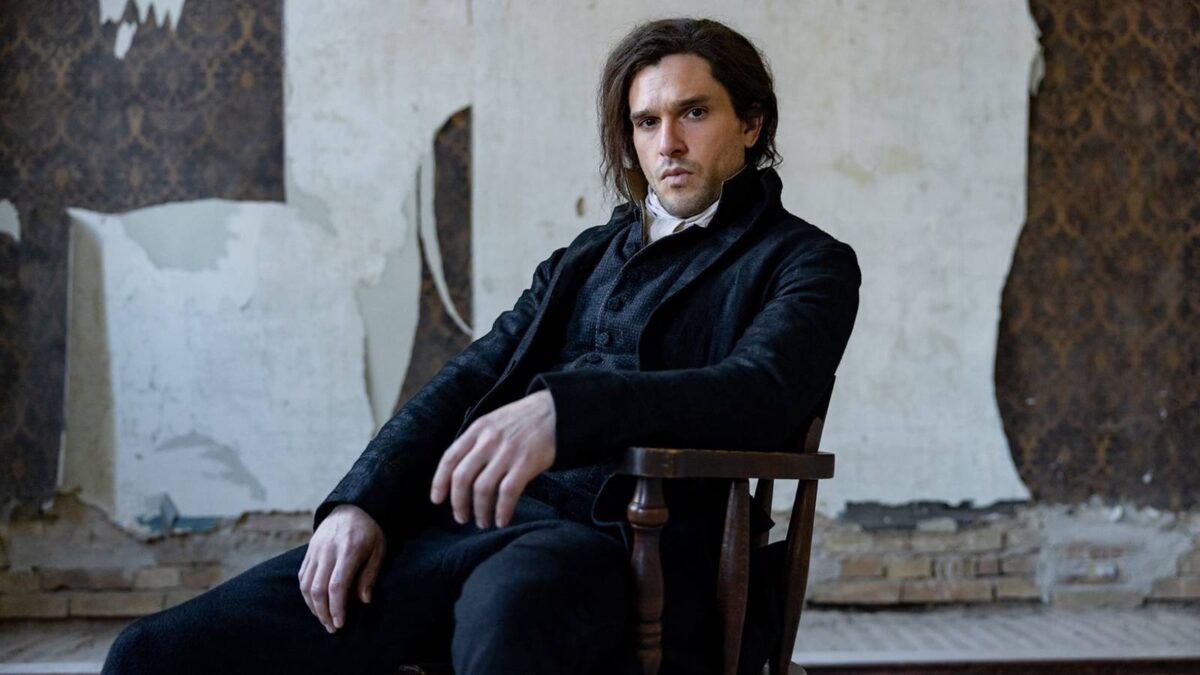
The BBC and MGM+ are teaming up with a new four-part limited series adaptation of Charles Dickens' classic 1859 novel A Tale of Two Cities. Game of Thrones veteran Kit Harington will play Sydney Carton, a cynical English lawyer who…
Mar 26, 2026
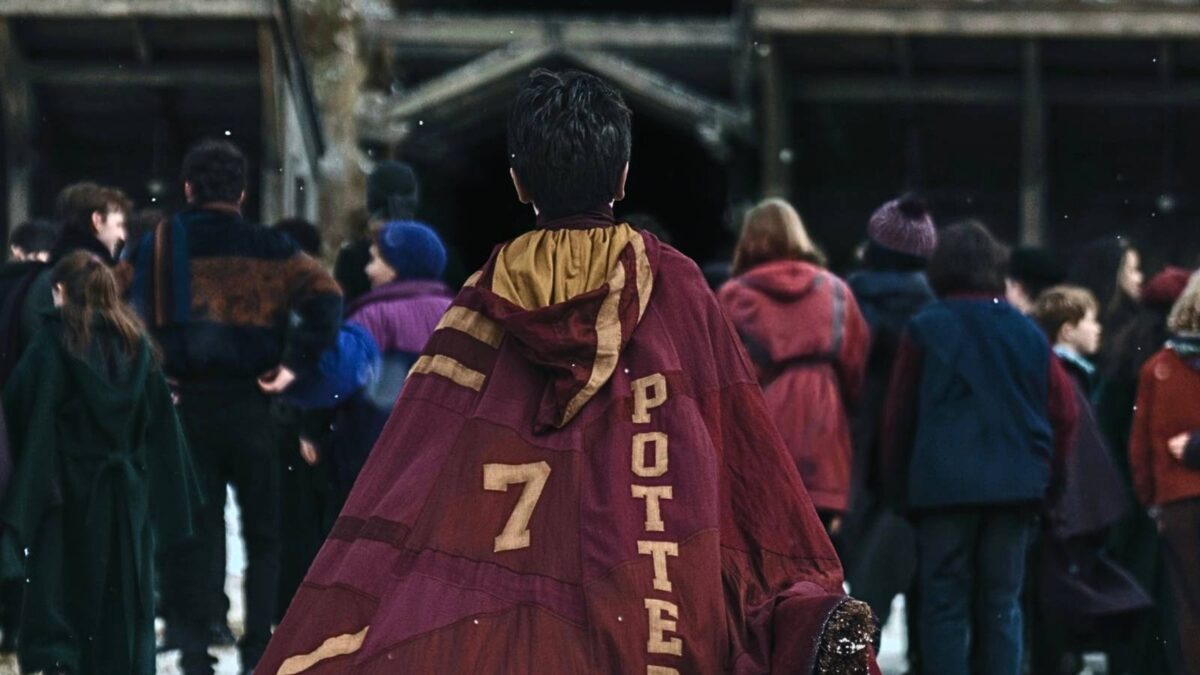
HBO ‘Harry Potter’ Series Image Reveals Dominic McLaughlin in Title Role
The first official look at HBO's upcoming reboot of Harry Potter has finally arrived, and it is already teasing a magical trailer release. As we inch closer to the show's expected 2027 release, the network has begun to reveal more…
Mar 25, 2026
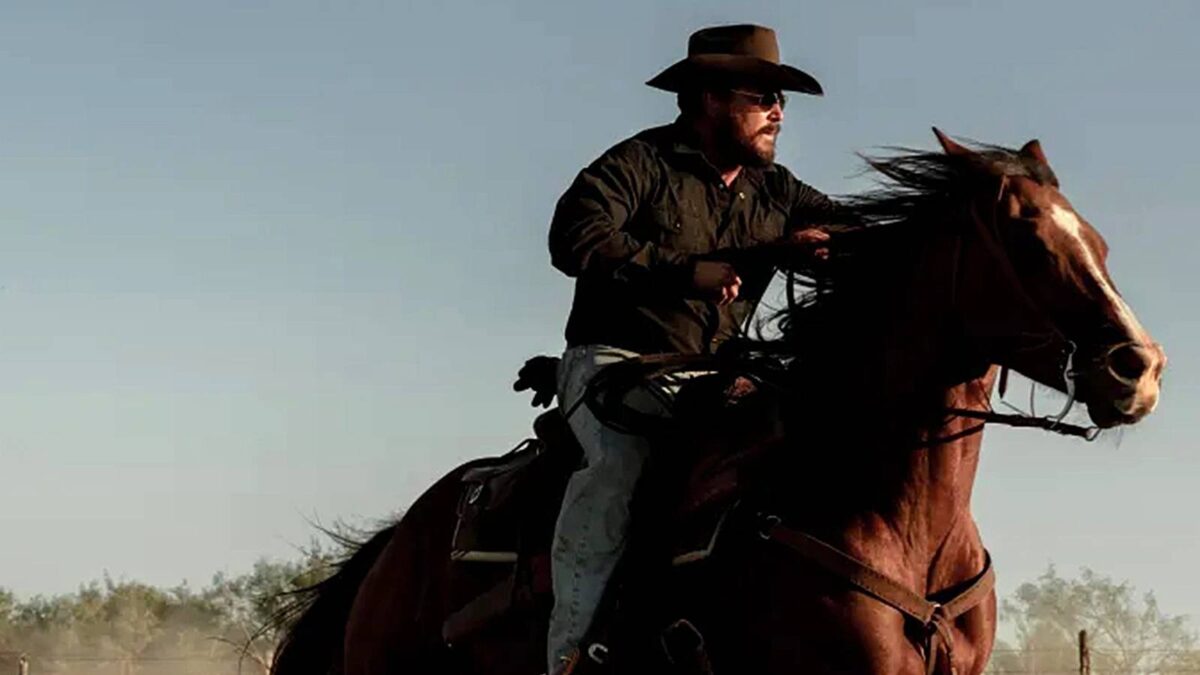
‘Dutton Ranch’ Trailer Reveals ‘Yellowstone’ Sequel Release Date
Rip Wheeler and Beth Dutton gamble everything on a new life in South Texas in the first trailer for the Yellowstone spin-off, Dutton Ranch. The footage reveals all manner of gun fights, fist fights, explosions, galloping horses, and even mysterious…
Mar 24, 2026
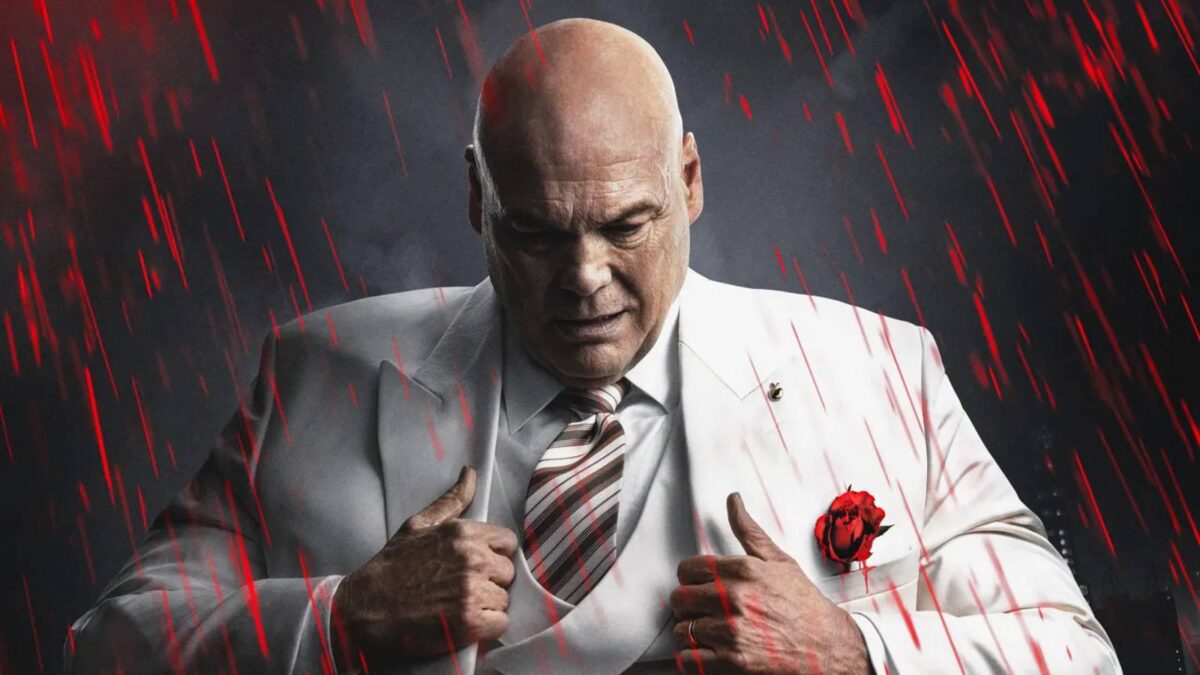
Born Again’ Showrunners Detail How the Media Ties into Season 2
Marvel is fast approaching the release of Daredevil: Born Again Season 2, marking its second live-action Disney+ show of 2026. Bringing back Charlie Cox's Matt Murdock and Vincent D'Onofrio's Wilson Fisk, this season picks up where Season 1 left off,…
Mar 23, 2026