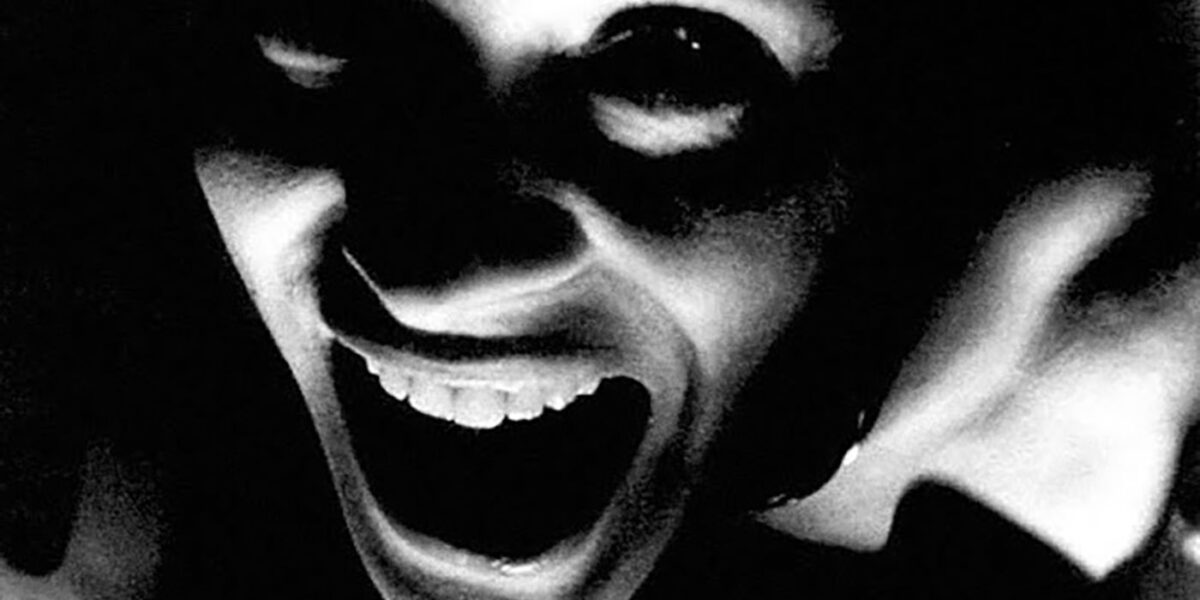
Ingmar Bergman’s Only Horror Movie Is a Chilling Gothic Folk Fantasy About the Monster Within Every Man
Feb 4, 2025
While Swedish classic Ingmar Bergman is known for his psychological dramas that explore the intricacies of human behavior, he also made a bunch of comedies, musical films, and one horror movie. Titled Hour of the Wolf, the 1968 film is simultaneously a Gothic tale, a psychological examination of a tortured mind, and a grim story of a relationship in trouble. The story revolves around Johan (Max von Sydow), an artist, and his wife Alma (Liv Ullmann), whose life deteriorates after Johan begins having visions of strange figures whom he becomes so familiar with, he gives them names and sketches them. What follows can be interpreted in many ways, including as a cautionary tale about literal monsters or an allegory about demons residing inside an artistic mind. But at its core, Hour of the Wolf is also a strangely realistic depiction of a dysfunctional relationship.
Ingmar Bergman Digs Into a Couple’s Disturbing Dynamic
While Sydow’s Johan might come across as the protagonist, the narrative is actually led by Alma (played by Ullmann, who was in a real-life troubled relationship with Bergman at the time). The story is structured in such a way that the events are shown through her perspective. At the start of the film, Johan is missing, and Alma agrees to speak with an unnamed director interested in the story. As Alma looks straight into the camera, she actually confides in the audience, and her very first description of their family dynamic is already troublesome. Johan, she claims, liked to come to this remote island because he didn’t enjoy being around people. And he liked her, Alma says, because she tended not to talk much.
The narrative then unfolds through an extended flashback. Tension is in the air throughout the story, but, at first, it’s not supernatural in origin — it’s thanks to the cracks in the couple’s union. In his first major scene, Johan appears mostly bored with Alma, only getting somewhat excited when he decides to sketch her. The pose he has her to sit in is later revealed to mimic the pose of his past lover and muse, Veronica, whom he keeps reminiscing about. In the next scene, Alma greets Johan with a brilliant smile when he returns from one of his drawing sessions, but he walks past her without saying anything. The reason for his foul mood is revealed soon: Johan keeps seeing some mysterious, terrifying looking figures he describes to Alma in vivid detail. While he presents Alma with the sketches he made of the creepy strangers, the camera avoids showing us the actual images, focusing instead on Alma’s reaction. Judging by Ullmann’s stellar performance, it is not only implied that those strangers aren’t real, but that Alma is also growing increasingly concerned by her partner’s mental state.
Related
The 10 Most Underrated Gothic Horror Movies, Ranked
“During afternoon tea, there’s a shift in the air, a bone-trembling chill that tells you she’s there.”
Leaving Most of Its Horrors to the Imagination Helps ‘Hour of the Wolf’ Set Up Its Gruesome Ending
Today, we would call Hour of the Wolf a slow-burn horror film, as the movie avoids obvious scares at first, opting for the psychological. One of the most disturbing episodes in the film doesn’t really feature monsters. At the invitation of Baron von Merkens, who claims to be Johan’s fan, the pair visit him in his castle for dinner. The scene is shot like a kaleidoscope of chaotic, almost sickening closeups (a trademark for Bergman), with the Baron and his friends talking over each other and laughing manically, Johan looking lost, and Alma feeling helpless. Here’s where their dynamic is fully revealed. Johan is an artist, Baron and his pals are self-proclaimed art consumers (in more ways than one), and Alma is basically an outsider who has no interest in the artistic world, beyond her investment in Johan. Up until this sequence, she also doesn’t realize the full extent to which Johan being tortured by his artistic aspirations and expectations is tied to his obsession with his previous lover.
Like many women in horror before and after her, Alma isn’t deterred. She devotes herself to keeping Johan safe and keeps vigil during the “hour of the wolf” — the time of night when weird things usually happen. This is where the relationship reaches its critical point, with Johan sharing two formative events with Alma: a childhood story of abuse and then a tale of his confrontation with a young boy, for which we actually get a flashback which features the first act of violence in the film. It’s a short but devastating episode where a vicious thing happens in broad daylight, captured by Bergman’s favorite cinematographer, Sven Nykvist. It’s fast and brutal, like in another one of Bergman’s classics that would inspire Wes Craven’s The Last House on the Left. And as Alma voices her concerns for the first time on screen, Johan refuses to communicate and is quick to turn the violence on her.
Hour of the Wolf effectively blurs the line between reality and illusion, making it even more captivating for contemporary audiences and inspiring modern classics like The Lighthouse. Its gory resolution, filled with surrealistic imagery, not only serves as the conclusion to Johan’s fate, but also to his doomed relationship with Alma. As she tries to save Johan from himself, she is suddenly able to see his personal demons with her own eyes. Throughout the film, she desperately seeks to establish a connection with Johan and wonders if it’s true that a woman sharing a life with a man starts to adopt his worldview. Alma does inherit her partner’s trauma in the movie’s scarily insightful ending, demonstrating, much like modern horrors It Follows and Smile, that fears and mental anguish can be shared indeed.
Hour of the Wolf
Release Date
February 19, 1968
Runtime
88 minutes
Director
Ingmar Bergman
Writers
Ingmar Bergman
Producers
Lars-Owe Carlberg
Gertrud Fridh
Corinne von Merkens
Publisher: Source link


A Flame The Colour of Air – Film Threat
SLAMDANCE FILM FESTIVAL 2026 REVIEW! You will shimmer and shake, like you’re riding the snake while being wowed by the dynamite animated short A Flame The Colour of Air, written and directed by talented Canadian filmmaker Emily Pelstring. Jessica Mensch’s…
Mar 3, 2026

‘9-1-1’ Can’t Decide What It Wants To Focus On in a Lackluster Season 9
Editor's Note: The following contains spoilers for 9-1-1 Season 9, Episode 11.I was hoping that 9-1-1 would take advantage of its month-long hiatus and course-correct after its most recent episode, but while this week is certainly an improvement from last…
Mar 3, 2026
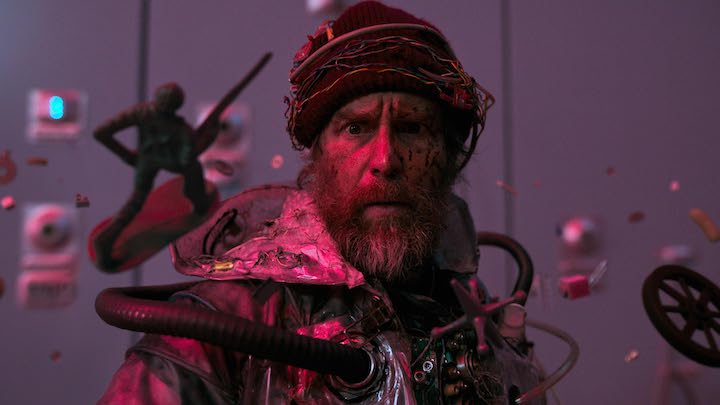
Good Luck, Have Fun, Don’t Die Review
Mercy was a film about AI that AI could’ve written. Good Luck, Have Fun, Don’t Die also tackles AI, although it could only come from the mind of Gore Verbinski. As he did with his Pirates of the Caribbean trilogy…
Mar 1, 2026
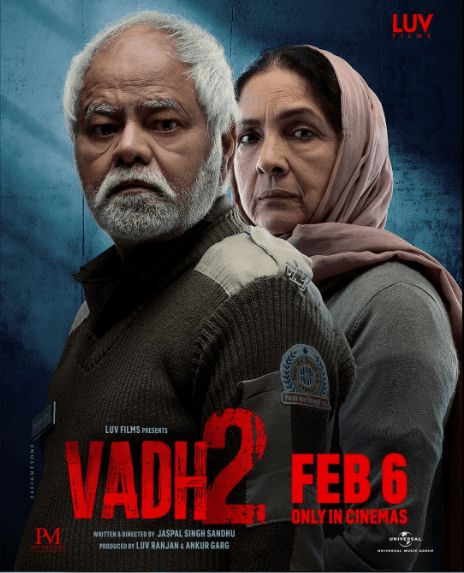
Investigative Screenplay Review: Suspenseful but Weak Antagonist
Vadh 2 (2026): When Murder Is Justified — Starring Sanjay Mishra as prison guard Shambhunath Mishra When evil tries to take control, its destruction becomes necessary. With this theme, Bollywood brings you a spiritual sequel to its 2022 crime-thriller “Vadh”.…
Mar 1, 2026