Inside Out 2 Review: Fun…. Enough
Jun 15, 2024
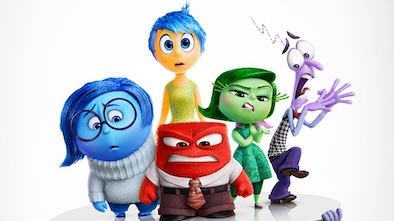
The white-hot intensity of adolescent feeling, that deeply felt churn of emotion, was of course the narrative fuel which powered 2015’s Inside Out, an imaginative animated coming-of-age film that presented five dominant personified emotions — Joy, Anger, Sadness, Fear and Disgust — alternately competing and collaborating as they contributed to the moods, thoughts and actions of its young protagonist. It was a fun and lively concept, well executed.
The follow-up to that Academy Award-winning effort, which also pulled in nearly $860 million at the worldwide box office, arrives in theaters this summer, against the backdrop of a very different commercial landscape. Exhibitors have both their fingers and toes crossed, hoping for a multi-generational audience mix, particularly Stateside, that could deliver the first $100 million-plus opening weekend since Barbie last summer. The good news for Pixar and corporate parent Disney is that the film itself, while not without its flaws, checks enough of the boxes that it will likely prove to be a huge hit.
Director Kelsey Mann, taking over for originating director Pete Docter, picks things up one year after the end of the first movie, and roughly two years after most of its events. Riley Anderson (voiced by Kensington Tallman), the hockey-loving girl at the center of Inside Out, is now 13 years old, still the only child of her doting mom and dad (voiced by Diane Lane and Kyle MacLachlan, respectively).
Joy (voiced by Amy Poehler), Sadness (voiced by Phyllis Smith), Fear (voiced by Tony Hale, replacing Bill Hader from the original), Anger (voiced by Lewis Black) and Disgust (voiced by Liza Lapira, replacing Mindy Kaling from the original) still collectively man the headquarters in Riley’s mind. But with the onset of puberty, a new group of emotions arrive, led by Anxiety (voiced by Maya Hawke).
While Joy and her familiar cohorts attempt to keep things steady and maintain the status quo, Riley is thrust into a pressure-packed new experience — a hockey skills camp with older girls whom she wants to impress. This situation tests Riley’s behavioral balance, and when her “sense of self,” the core of Riley’s identity, is upended and jettisoned into deep storage, Joy and the other four main emotions set out on a journey to retrieve and restore it.
Once again at the core of this franchise’s pulsing engagement is a fun, involving visual package, and some highly appealing character design. The look of all the returning figures is of course well-established, but Anxiety in particular, overseen by character art director Keiko Murayama, is nicely conceived and drawn with an electric mix of mania and needy energy.
The movie also has a lot of fun with several sidebar characters who assist Joy and company on their journey: Bloofy (voiced by Ron Fuches), a 2D-illustrated, fourth wall-breaking character from Riley’s favorite childhood TV show; Pouchy (voiced by James Austin Johnson), a talking fanny-pack and sidekick to Bloofy; and Lance Slashblade (voiced by Yong Yea), a crush-worthy character from a Final Fantasy-type videogame that Riley used to play.
There are some demerits here, though none truly disqualifying. Certain comedic riffs (making literal a “brainstorm,” sarcasm being represented as a chasm, i.e., “sar-chasm”) feel incorporated in only inch-deep fashion. The central mission itself is a bit slapdash and haphazardly defined, as if the makers couldn’t quite decide to make it overly broad and simple (and therefore for a younger audience) or something more defined, for adults.
The biggest letdown is probably that the movie falls short in terms of the inclusion and integration of its new, additional feelings. (One can get a sense of this from just the poster, with its tagline, “Make room for new emotions.”) It’s true that, just as with maturation in real life, more complex and nuanced feelings make for a higher degree of difficulty within the context of a narrative.
But screenwriters Meg LeFauve and Dave Holstein, working from a story credited to LeFauve and Mann, don’t quite figure out super-compelling ways to use their new characters. Envy (voiced by Ayo Edebiri) is wildly underdeveloped, and saddled with a cutesy, dewey-eyed character design that makes little sense. Embarrassment (voiced by Paul Walter Hauser) has some moments of nice physical comedy, but after a scene in which he connects with and silently assists Sadness (which makes wonderful sense, given the frequently commingled nature of those two emotions), the movie can’t quite deliver on the promise of that hinted-at pairing. Ennui (voiced by French actress Adèle Exarchopoulos), meanwhile, is basically a one-note joke.
Also, while the original film did a fantastic job, on both a surface and deeper thematic level, of exploring the intertwined nature of memories and emotions, here the action unfolds in somewhat of a jumble. Connections and motivations feel disorderly and irregular, and executed actions occasionally result in moments that don’t feel true to the characters. It doesn’t track and make sense, for example, that when Joy concocts an on-the-fly scheme to surf an exploding wave of bad memories back to headquarters, Fear wouldn’t be opposed to the idea.
Pondering some of these “shortfall” moments in Inside Out 2 can feel a little bittersweet at times, arriving on the heels of a quarterly earnings call with Disney CEO Robert Iger that admitted Pixar would be “leaning on established franchises versus investment in new IP” in the near future. (There’s also a Disney+ spinoff series, called Dream Productions and set in the world of Riley’s dreams, in the works.) Paired with additional comments that the company would be pivoting away from director-driven, semi-autobiographical fare like Luca, Turning Red, and Elemental feels like a classic Hollywood case of learning the wrong lesson from what worked and what didn’t in those movies. It was the visionary creativity and imagination of the story.
Our Rating
Summary
Inside Out 2 is fun — or fun enough, certainly, for most viewers. The music from composer Andrea Datzman, occasionally using and expanding upon themes established by Michael Giacchino from the original movie, conjures a nice blend of wonder and wistfulness. And in reconnecting with these characters — and a few other moments, as with the representation of an actual anxiety attack — there are some flashes of genuine catharsis. Just don’t expect that older and more developed always equals better.
Publisher: Source link



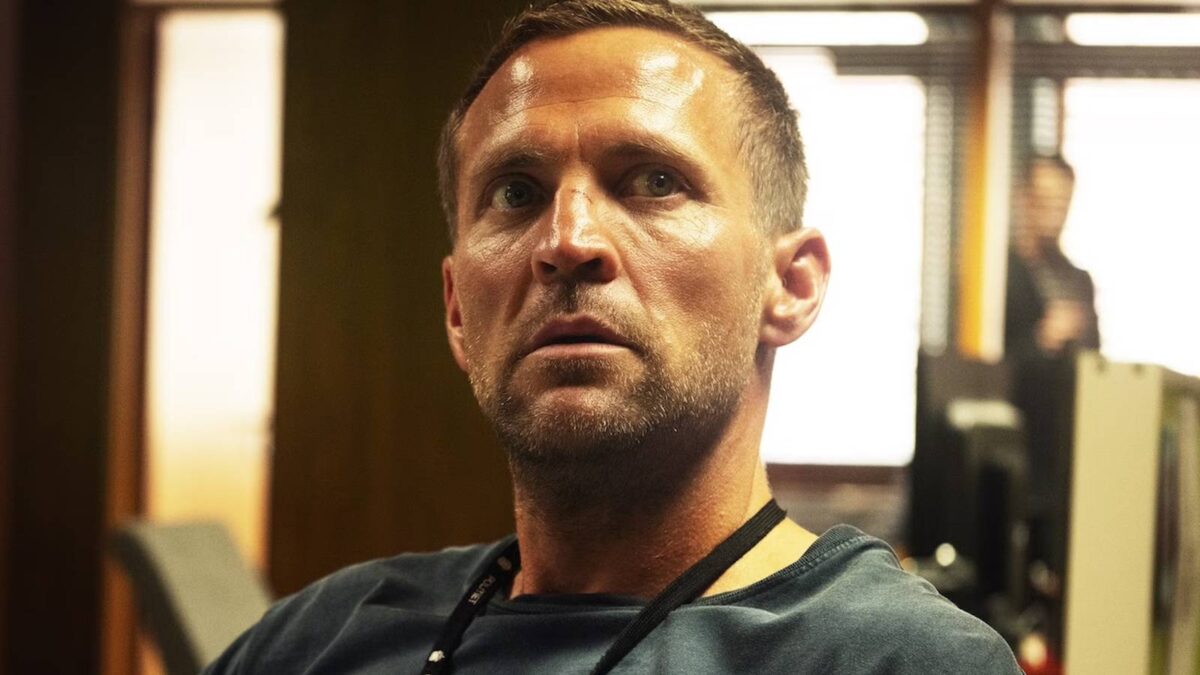
Netflix’s ‘Jo Nesbo’s Detective Hole’ Debuts With Perfect Rotten Tomatoes Score
Anyone currently on the hunt for a new crime thriller to binge-watch may want to divert their attention to Jo Nesbo's Detective Hole, which is currently streaming on Netflix. The nine-part drama, adapting the fifth book in Jo Nesbø's bestselling…
Mar 29, 2026
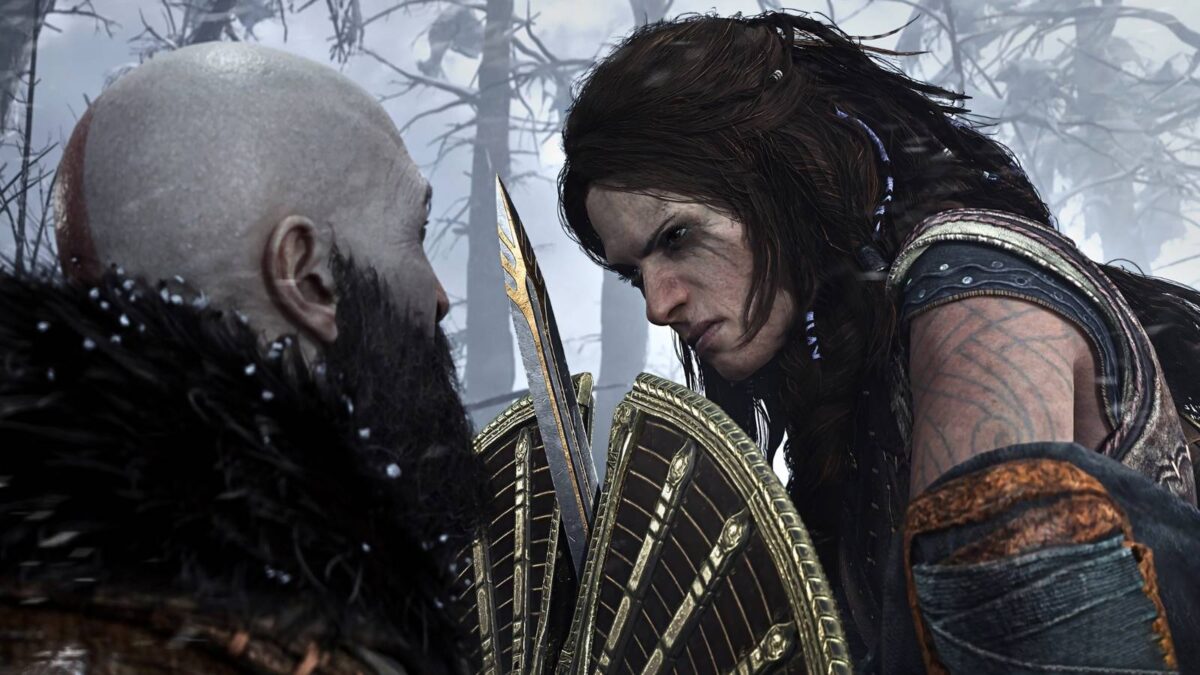
Prime Video’s ‘God of War’ Casts ‘Lost’ Star Sonya Walger as Freya
Amazon's upcoming God of War series that is currently in production is also one of the most anticipated of the next couple of years. Film and television adaptations of popular video games have been on the rise, with creative teams…
Mar 28, 2026
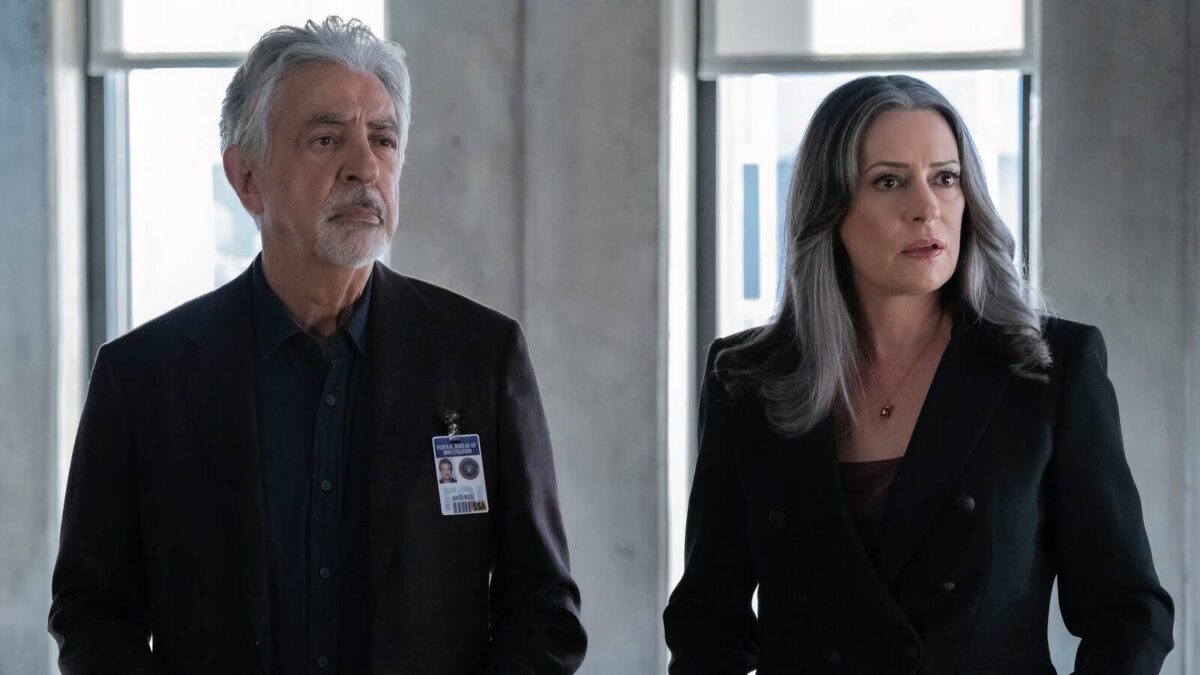
Paramount+ Renews ‘Criminal Minds: Evolution’ for Season 19
The start of its new season is still weeks away, but fans of Criminal Minds: Evolution won't have to wait that long to learn the fate of the long-running hit crime procedural. Execs at Paramount+ have already decided what the…
Mar 27, 2026
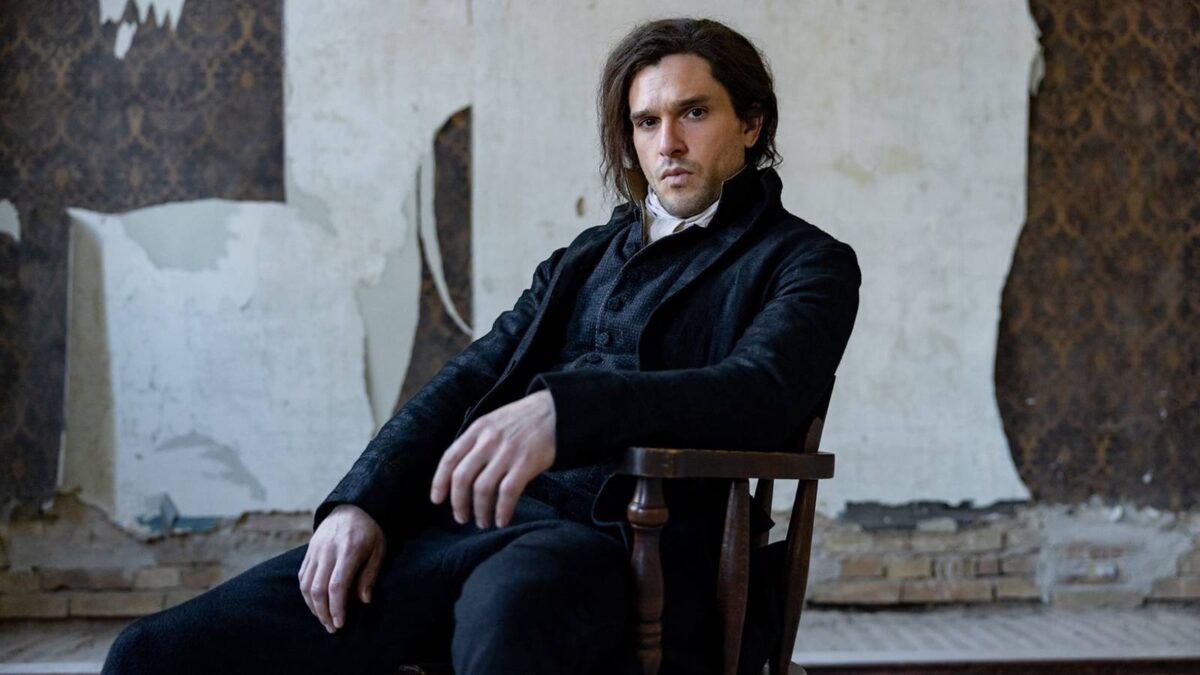
‘A Tale of Two Cities’ First Look Reveals Kit Harington in MGM+ Series
The BBC and MGM+ are teaming up with a new four-part limited series adaptation of Charles Dickens' classic 1859 novel A Tale of Two Cities. Game of Thrones veteran Kit Harington will play Sydney Carton, a cynical English lawyer who…
Mar 26, 2026