Is the Story of the Vietnam War’s Most Famous Photo a Lie?
Feb 10, 2026
On June 8, 1972, the U.S.-backed South Vietnamese Air Force dropped napalm on the village of Trang Bang, burning innocent victims who included 9-year-old Phan Thị Kim Phuc. Ever since, she has been known as the girl in the picture, and the picture has been known as The Terror of War, or more simply Napalm Girl. It was credited to young Associated Press photographer Nick Ut, who received a Pulitzer Prize for taking it.
But the new documentary The Stringer asks if Ut really took the picture — or if an AP photo editor, perhaps out of guilt, misattributed it to him. The film explains that the editor, Horst Faas, had given Ut’s older brother a photo assignment that led to his death, and suggests that Faas may have hoped the photo could help their family.
The photo made Ut’s career. He eventually went on to work at The Associated Press in Los Angeles, where I worked with him for three years. He was popular within the bureau and among his fellow photographers — regarded as a veteran with a key news sense, a sharp eye, and good-natured humility. If accurate, the documentary dismantles the widely accepted narrative of his life.
The Stringer gives voice to another photographer, Nguyen Thanh Nghe, who says he is the one who actually took the shot. He came forward after journalist Gary Knight, who is featured in The Stringer, began following up on allegations from former AP editor Carl Robinson that Ut was not the photo’s true author.
The film, now streaming on Netflix, premiered at the Sundance Film Festival this past January.
When the accusations of misattribution arose, The Associated Press spent roughly a year investigating the authorship of the photo, and concluded in May that there was “no definitive evidence” that someone other than Ut took it. World Press Photo, however, conducted another investigation and decided to suspend attribution of authorship, finding that two other photographers, Nghệ or Huỳnh Công Phúc, may have been better positioned to take the shot.
Ut said in a Facebook post in February: “I took the photo of Kim Phuc, I took the other photos from that day that show her family and the devastation the war caused. No one else has the right to claim that I did not take that specific or any other photo attributed to me because I am the creator of all the work I’ve done since day one. My career spans more than 50 years and, although I am now retired from the AP, I continue to create impacting images for the world to see.”
Phuc told The AP that while she has no memories of the attack, her uncle, who was an eyewitness to the events on that day, confirmed that Ut took the photograph. She credits Ut with saving her life by rushing her to a hospital after taking the photo. She went on to become a global advocate for child victims of war.
I sent several questions about the film to Bao Nguyen, director of The Stringer, and received the following responses from him and The Stringer producer Fiona Turner. Here they are.
The Stringer Team on Nick Ut, Nguyen Thanh Nghe, and The Terror of War
Tim Molloy: I should start by disclosing that I worked for the AP for 11 years, from 1997 to 2008, including with Nick Ut in the Los Angeles office for three years. I liked him and never had any reason to question his integrity. In fact, thinking back, I never had reason to question the professional integrity of anyone at AP — they were rigorously ethical and fact-focused. So this film was sad for me. Do you find Ut and the AP sympathetic in this story? It seems like Nick Ut never asked for the photo credit, and that the current AP administration inherited this situation from a photo chief, Horst Faas, who covered Vietnam a generation ago and died in 2012.
Fiona Turner: As with any investigation it was unclear where the story would lead. The team worked hard to listen to everybody we could find who was either on the road or, in the AP office the day the photograph was made, in order to fully explore the allegations from Carl Robinson, the former AP photo editor. Nick Ut, in 1972 was a fairly inexperienced photographer [who had] only just turned 21 years old. The film is clear that we believe Nick was “victim” in the story.
The Stringer team was very cognizant of the fact that we were examining a media culture of fifty years ago, that none of the current AP staff nor senior management were responsible nor active in these events, and the film make no assertions as such.
Tim Molloy: The film makes a compelling case that the photo chief, Horst Faas, gave Nick Ut the photo credit because he felt guilty about sending Nick’s brother, Huynh Thanh My, on an assignment on which he was killed. Do you think he was trying to make sure their family was cared for when he gave Nick Ut the photo credit? Or was he just trying to get AP accolades? Could he have known the photo would change Nick Ut’s life as it did?
Fiona Turner: As you are probably aware, Horst Faas is a complex character. The film highlights his sometime bombastic nature and the rigorous discipline that he displayed within the AP office in the relentless pursuit of the most powerful images. At the same time, he had a sensitivity and empathy for the Vietnamese people that more than one witness will attest to. We will never know the true reasons he made the decisions he did.
Could he have known the impact this would have on Nick Ut’s life? Horst recognized immediately that photograph to be a winning image, multiple witnesses confirm this on the day, and he communicated that to his boss in NY, Hal Buell.
Tim Molloy: Do you know if Nick Ut has seen the film? I’ve reached out to him, as I know you did. Did you have mixed feelings about potentially dismantling a myth?
Fiona Turner: We don’t know if Nick Ut has watched or not, just that the opportunity was given. Nick Ut’s lawyers were given access to the film around its Sundance premiere. Our attitude is that the alternative to asking the questions we do in the film, is to not ask them, which would put us in the position where we are ignoring accusations about potential wrongdoing in journalism, which we would not contemplate if the same questions were asked about the government, or the church or a corporation. Journalism cannot demand exceptionalism when it holds everyone else in society to account.
Tim Molloy: Does your work on this film shake your faith in AP’s journalism in general? It’s won 59 Pulitzers, covers and calls elections all over the world, and is used or cited by thousands of news operations worldwide. Having seen its inner workings, I have strong faith in its commitment to fairness and accuracy. But it’s always fair to ask — if a news outlet gets one thing wrong without correcting it, what else has it gotten wrong?
Fiona Turner: This is not a story about AP. It does not shake our faith in their journalism in general. AP have produced some very, very fine journalism, and continue to do so — but winning 59 Pulitzers doesn’t mean you cannot and should not be held to account, and continue to be held to high standards. It is important that journalists and news organizations are brave enough to embrace accountablity, because if they can’t do that, they can’t hold anyone else to account, or ask the public to trust their work.
Tim Molloy: When did you come aboard this film? How far along was Gary Knight in his investigation before you joined the project?
Bao Nguyen: Carl Robinson first contacted Gary Knight directly, and Gary began looking into the allegation soon after. At that stage, the plan was for him to pursue a written piece. As the early reporting progressed, it became clear that the material was more complex than initially anticipated, and Fiona felt the story warranted a documentary film approach.
A few months into that initial phase, [producer] Terri [Lichstein] reached out through a mutual contact to bring me onto the project. From that point, we broadened Gary’s early reporting into a full documentary investigation, expanding the research, interviews, and archival work into a more comprehensive examination of the story.
Tim Molloy: Nick Ut’s team has threatened to sue. Has that lawsuit materialized?
Fiona Turner: Neither the film team nor our lawyers have received any notice that a lawsuit has been filed.
Tim Molloy: Nick Ut’s lawyer, James Hornstein, told Variety that Nguyen Thanh Nghe, the titular stringer who says he took the picture, was serving as a driver for NBC and “was not there as a photographer nor am I aware of any images he claims to have taken that day or any other day close in time.” And Kim Phúc has called the film an “outrageous and false attack on Nick Ut,” whom she credits with saving her life. What’s your response to their criticisms?
Fiona Turner: Nguyen Thanh Nghe had a day job within U.S. Embassy communications. He had a long career as a military cinematographer and had been to film school. He supplemented his income by working as a cinematographer/ photographer mainly for the South Vietnamese press. He did not bring any images with him when he left with one suitcase as a refugee.
The film team have complete respect for Kim Phuc’s understanding of those events which forever changed her life. She declined to speak with us so we were never able to ask her directly about the events. We therefore had to rely on the statements she has given previously, including in her own autobiography Fire Road, in which she states, “Uncle Nick’s memories have become my own.”
Tim Molloy: In the film, we see Nghe and the people who take Nghe’s side, on camera. But we don’t see anyone arguing Nick Ut’s side, in part because he and the AP declined to participate. You mostly give their side in a series of written messages on-screen near the end of the film. What effort did you make to look for any holes in Nghe’s account? Do you think AP and Nick Ut erred by not speaking up for themselves on camera?
Fiona Turner: We were fastidious in not making assumptions about Nghe, and we interviewed him extensively, The journalist team spent the first five months of the project researching identifying and approaching all surviving characters who were present on the road at Trang Bang or in the AP office, and inviting them for interview, without prejudice. No one was able to say they saw Nick Ut take the photo.
We did find a witness who told us he saw the moment that Nghe pressed the shutter on the advancing group of children.
Regarding AP, initially we were optimistic that they would be interested in engaging with us to explore Carl Robinson’s allegations. We believe it would have been in the spirit of responsible journalism for both AP and any/all of those who disapproved of the investigation to have been open to participating in an on the record interview.
The Stringer is now streaming on Netflix.
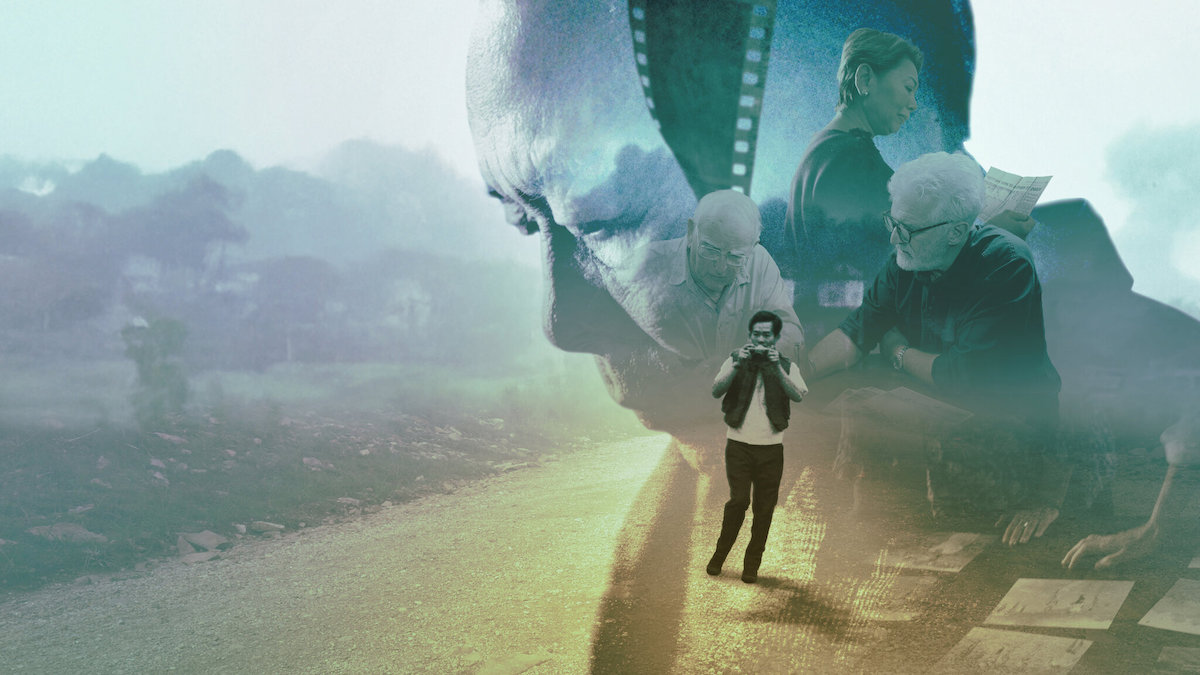
Main image: The Stringer. Netflix.
Publisher: Source link



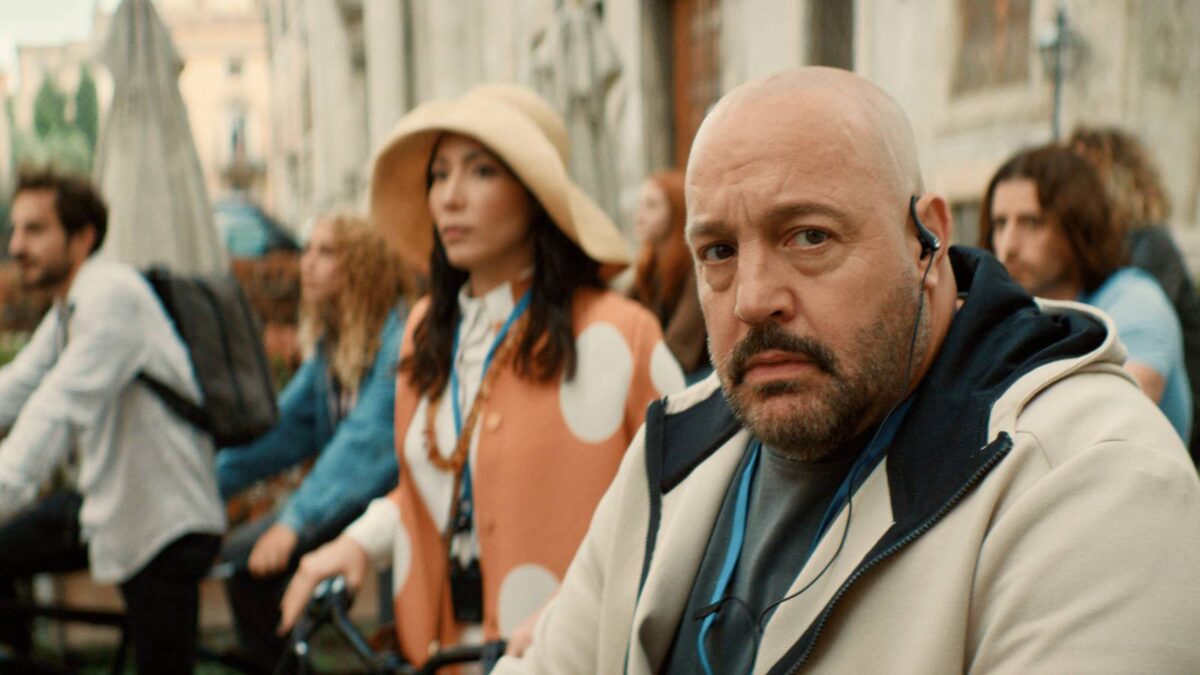
Kevin James’ Romantic Comedy Lacks Depth and Sincerity
Kevin James strikes a new, softer chord in Solo Mio, the romantic comedy from the Christian faith-based Angel Studios. It's an Eat Pray Love riff which sees the usually boisterous comedian moping around Rome after his fiancée leaves him at…
Feb 9, 2026
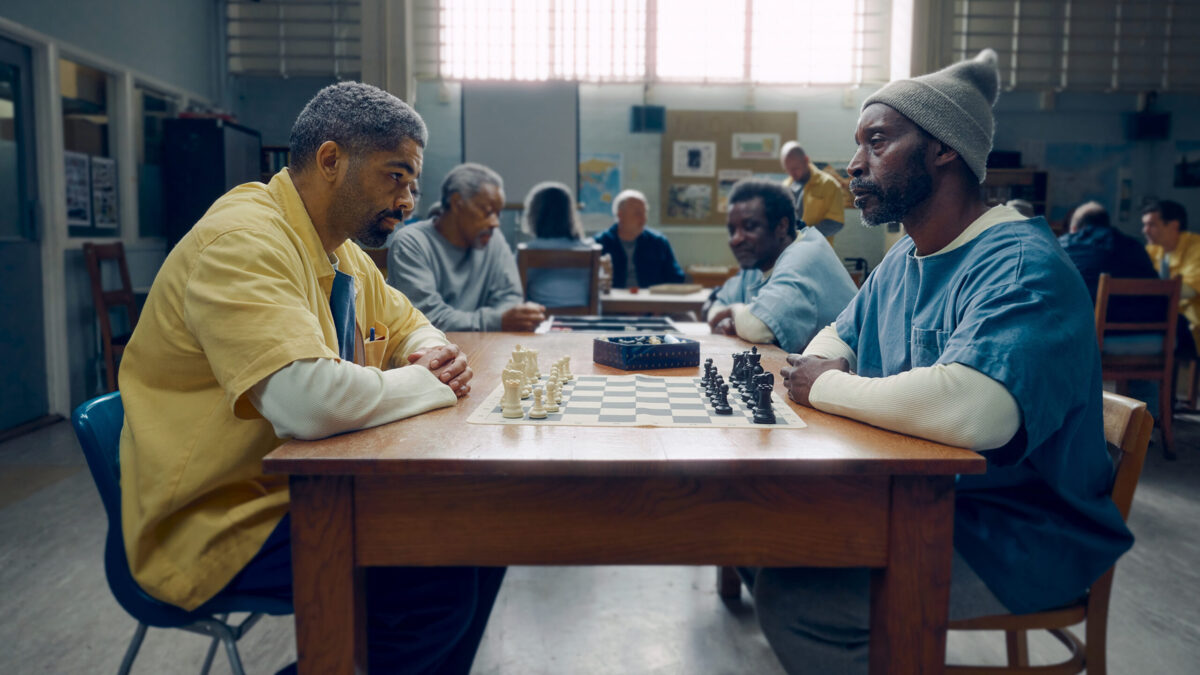
Kingsley Ben-Adir & Rob Morgan Are Solid In An Unremarkable Prison Drama [Sundance]
As if responding to a dare to see if she has the range, Swiss director Pietra Biondina Volpe follows up her heart-stopping emergency room thriller “Late Shift” with about as quiet a film as possible in “Frank & Louis.” This…
Feb 9, 2026
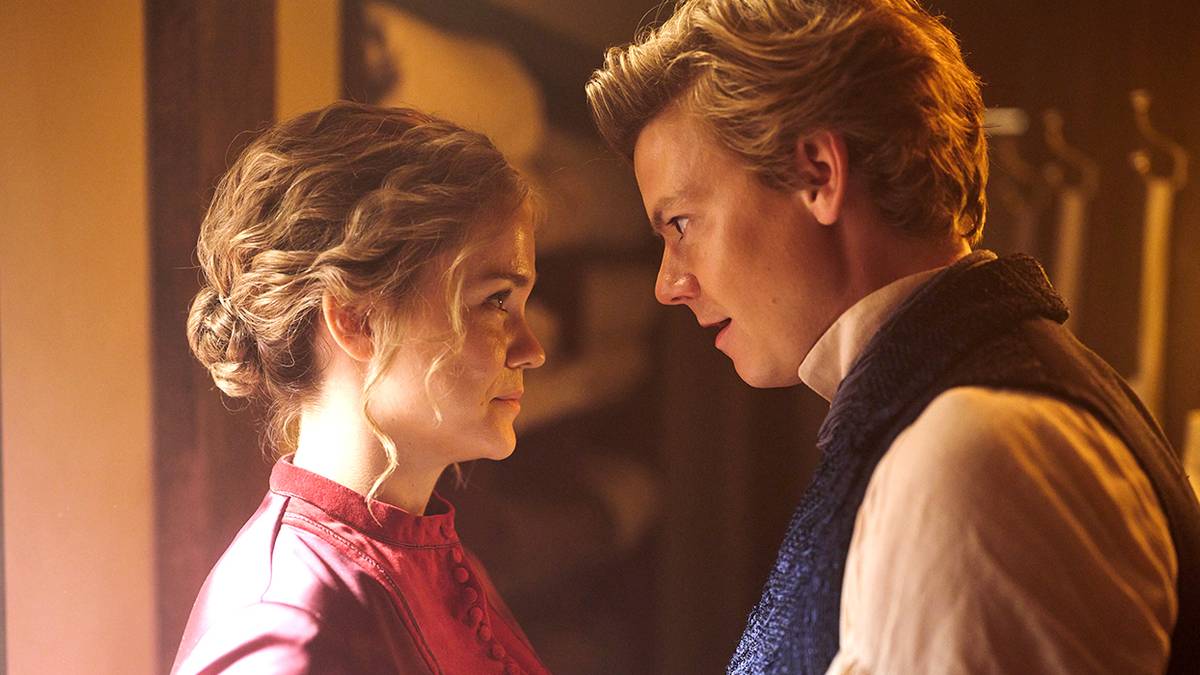
Over 2 Years Later, Hulu’s Historical Romance Feels Like a Completely New Show
In 2023, Hulu quietly released The Artful Dodger over the holiday season. The series presented itself as an inventive twist on Charles Dickens’ Victorian masterpiece, Oliver Twist. But rather than focusing on Dickens’ titular orphan, the series took the eponymous…
Feb 7, 2026
Mickey Haller Faces the Ultimate Test in His Own Murder Trial
There’s an old legal adage that says, “A man who represents himself has a fool for a client,” but not every man is Mickey Haller (Manuel Garcia-Rulfo). If you’ve watched the previous three seasons of the Netflix series The Lincoln…
Feb 7, 2026