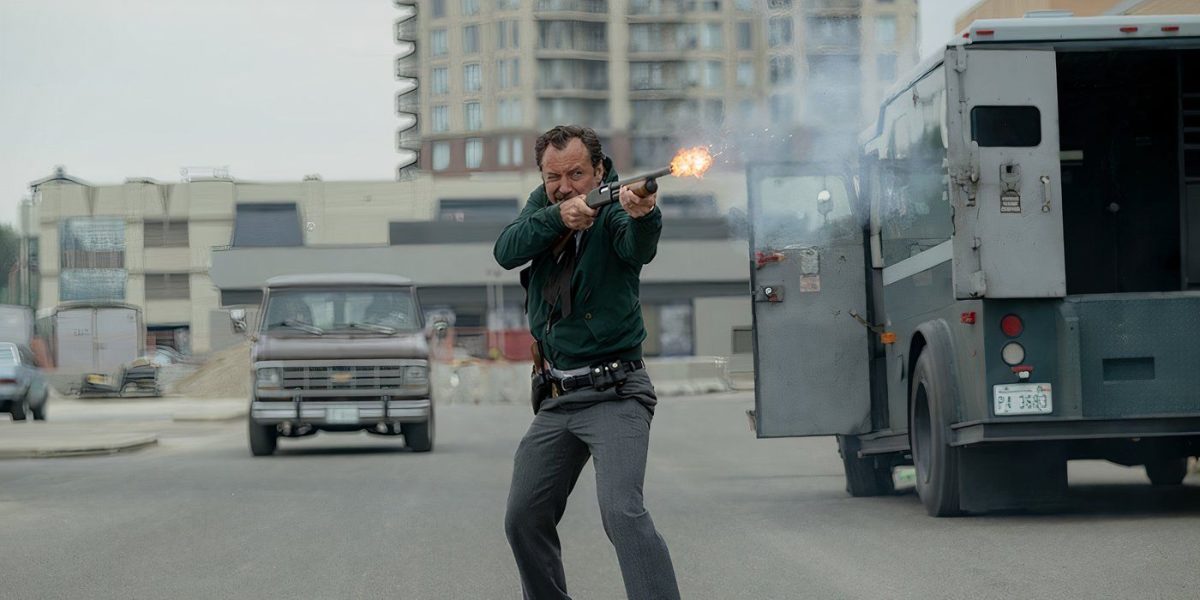
Jude Law & Nicholas Hoult Explore The Evils Of Hatred In Gripping Crime Thriller
Sep 2, 2024
The Order is about hate, though not quite in the way you’d expect. It seems an obvious theme, given the story follows a white supremacist terrorist cell and the FBI’s effort to stop them, and some space is given to the hateful doctrine they live by. But the movie is less interested in hate ideologically as it is in the feeling. And director Justin Kurzel is less interested in explaining that feeling than he is in observing it and its effects. Surround that goal with across-the-board quality, and you have a consistently tense crime thriller that leaves a lasting mark.
The Order Twins Jude Law’s Hero & Nicholas Hoult’s Villain
And That Opens Up The Movie’s Most Important Ideas
We meet our main characters in opposing ways; the first steps of a spiral that will bring them ever closer in our minds. Our protagonist, FBI Agent Terry Husk (Jude Law), appears first as a man. He arrives in the Pacific Northwest, ostensibly for a bit of quiet, and immediately nudges his way toward investigating the Aryan Nations, the neo-nazi group with its primary compound just a few minutes drive away. We get to see, in subtle ways, his intelligence, and his recklessness.
Our antagonist is at first just a name: Bob. He’s invoked with near-reverence in the opening scene, in which his power is witnessed without him even having to be there. When we do see Robert Matthews (Nicholas Hoult) in the flesh, he’s perhaps not what we expected. He’s composed and observant. He talks people into following him by speaking to them almost compassionately, dropping racial slurs into his speech with the same gentle tone. A sharp contrast to the scruffy, temperamental, often disagreeable Husk.
The Order
is constantly drawing parallels, large and small, between these two, and between their organizations.
The lives of both men are defined by hate. Bob has adopted hate as his ethos and used it to build a community, albeit a destructive one. He has a family (an abundance of it, considering his pregnant mistress) and friends; he is trusted to lead. Husk, who spent his career fighting organized crime, has been consumed by his pursuit of the hateful. His family won’t return his calls. He has one strained friendship with another Agent (Jurnee Smollett), and we gather from their conversations that he was once, but is no longer, in charge.
The Order is constantly drawing parallels, large and small, between these two, and between their organizations. There are also lines alluding to the fact that the government and police aren’t always ‘good guys,’ something that made me notice the absence of justice in this film. There exists no pathway to make things right. When Husk abandons protocol to chase down his enemy, it doesn’t feel like a heroic effort in service of the greater good, even though it may be. It feels like revenge.
In a movie this well-crafted, that can be no accident. The unrelentingly tense atmosphere, a product of script, direction, editing, and score working in unison, feeds into the nature of this world we’ve been dropped into. ‘Good’ has its representatives, most notably Jamie Bowen (Tye Sheridan), the local cop who first sniffed out the threat. But what is truly good can’t survive all this hate. Over time, we understand that he stands where Husk may once have been. We also understand that to become Husk would be, for him, a tragic fate.
While It Entertains, The Order Is Also Sending Us A Message
Two Key Scenes Keep Us On Edge Even After It Ends
In thinking of what this thriller accomplishes, and how it stands out from others like it, I am drawn to two moments. One is an image: Husk has taken to the wilderness with a hunting rifle, and is crouched down with a stag in his sights. Unbeknownst to him, Bob is just behind him, looking through his own scope at the FBI Agent on his trail. Though neither pull the trigger, the implication is clear. Hunter and prey aren’t mutually exclusive; to be a hunter, in this world, is to be hunted.
Kurzel’s film can be watched at face value, and anyone inclined to like this type of movie will enjoy it. But as it chugs along, it also shows us what hate can look like and what it can do.
The other is an exchange, partway through the film, between Husk and Bowen. In a moment familiar to the crime genre, the elder FBI agent opens up about a horrific happening from his past with the Italian-American mafia. He recounts that he turned a young nanny into an informant, that she died violently when she was discovered, and that he never caught the culprits. Bowen then asks why Husk is telling him this, but receives no answer.
Stories like the ones Husk tells are typically used to flesh out a haunted character (and give the actor playing them a nice monologue), but the script doesn’t let us blindly accept this trope. We must ask ourselves, what purpose does this story serve? I consider it a warning about the scars that hatred leaves behind. Enter into a world of violence, regardless of which side of the law you’re on, and what you experience could condemn you to a hateful existence.
Both moments work to deny us relief, something that is ultimately crucial to how The Order is designed, and to what it has to say. Kurzel’s film can be watched at face value, and anyone inclined to like this type of movie will enjoy it. But as it chugs along, it also shows us what hate can look like and what it can do. Like Husk’s story, it is a warning, and it leaves us with the chilling sense that the events depicted haven’t, or maybe can’t, come to an end.
The Order premiered at the Venice Film Festival. The film is 114 minutes long and will be released in US theaters on December 6.
Publisher: Source link


Paramount+ Renews ‘Criminal Minds: Evolution’ for Season 19
The start of its new season is still weeks away, but fans of Criminal Minds: Evolution won't have to wait that long to learn the fate of the long-running hit crime procedural. Execs at Paramount+ have already decided what the…
Mar 27, 2026
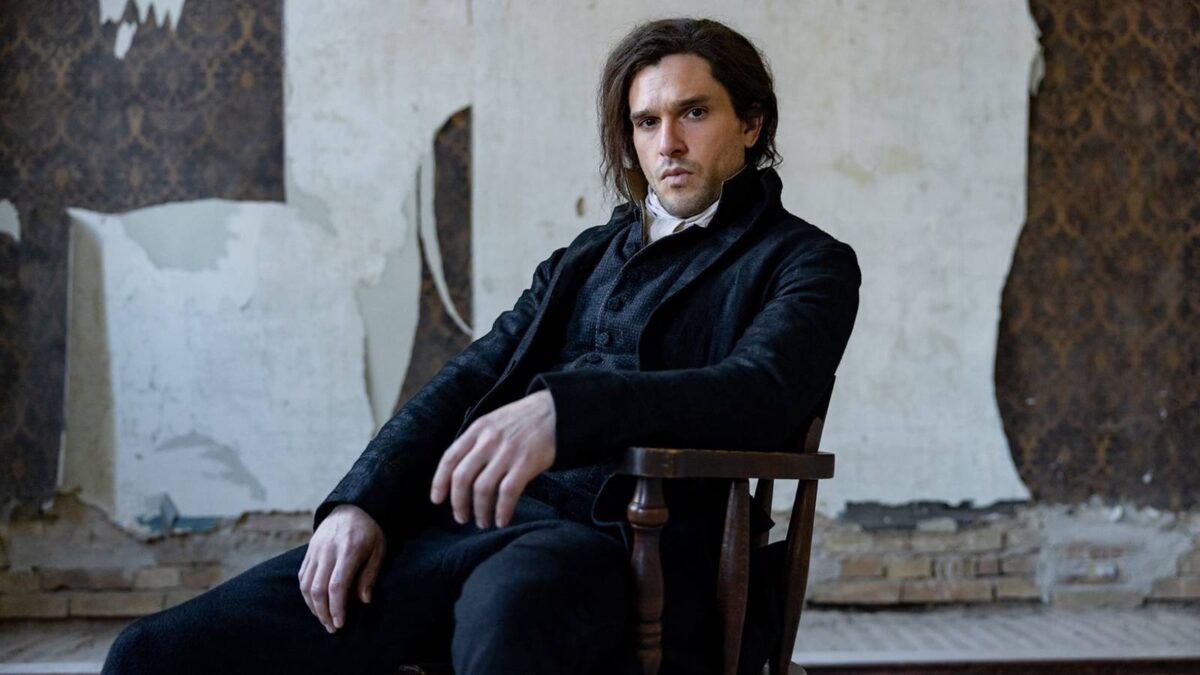
‘A Tale of Two Cities’ First Look Reveals Kit Harington in MGM+ Series
The BBC and MGM+ are teaming up with a new four-part limited series adaptation of Charles Dickens' classic 1859 novel A Tale of Two Cities. Game of Thrones veteran Kit Harington will play Sydney Carton, a cynical English lawyer who…
Mar 26, 2026
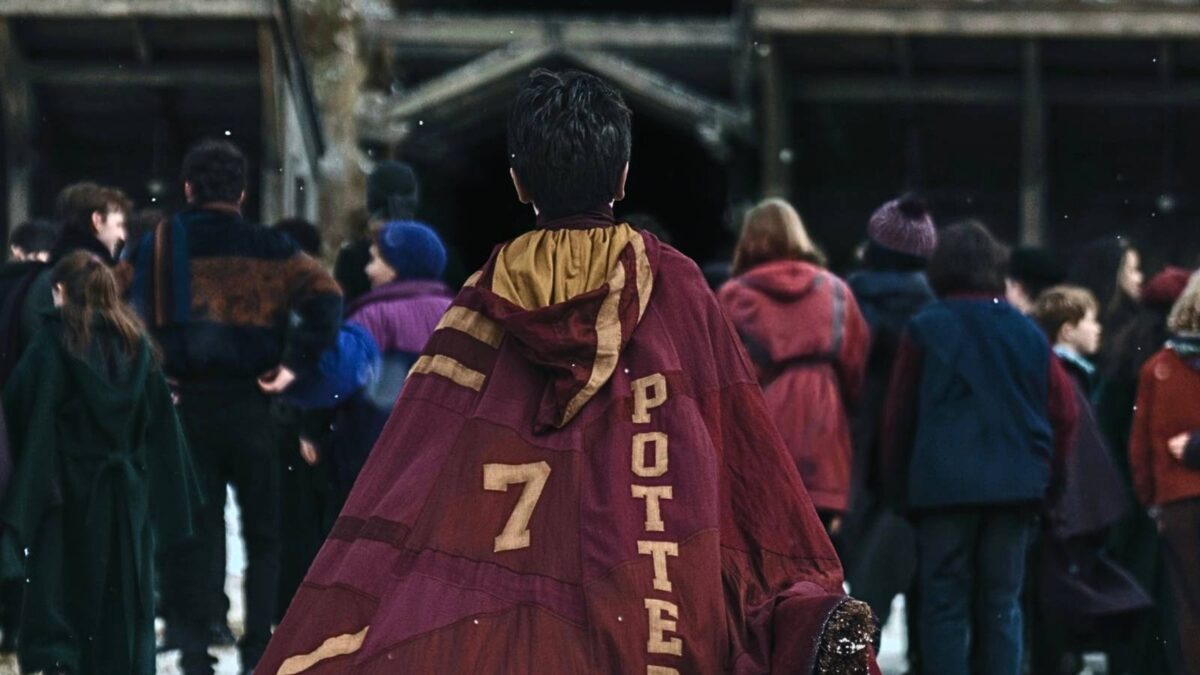
HBO ‘Harry Potter’ Series Image Reveals Dominic McLaughlin in Title Role
The first official look at HBO's upcoming reboot of Harry Potter has finally arrived, and it is already teasing a magical trailer release. As we inch closer to the show's expected 2027 release, the network has begun to reveal more…
Mar 25, 2026
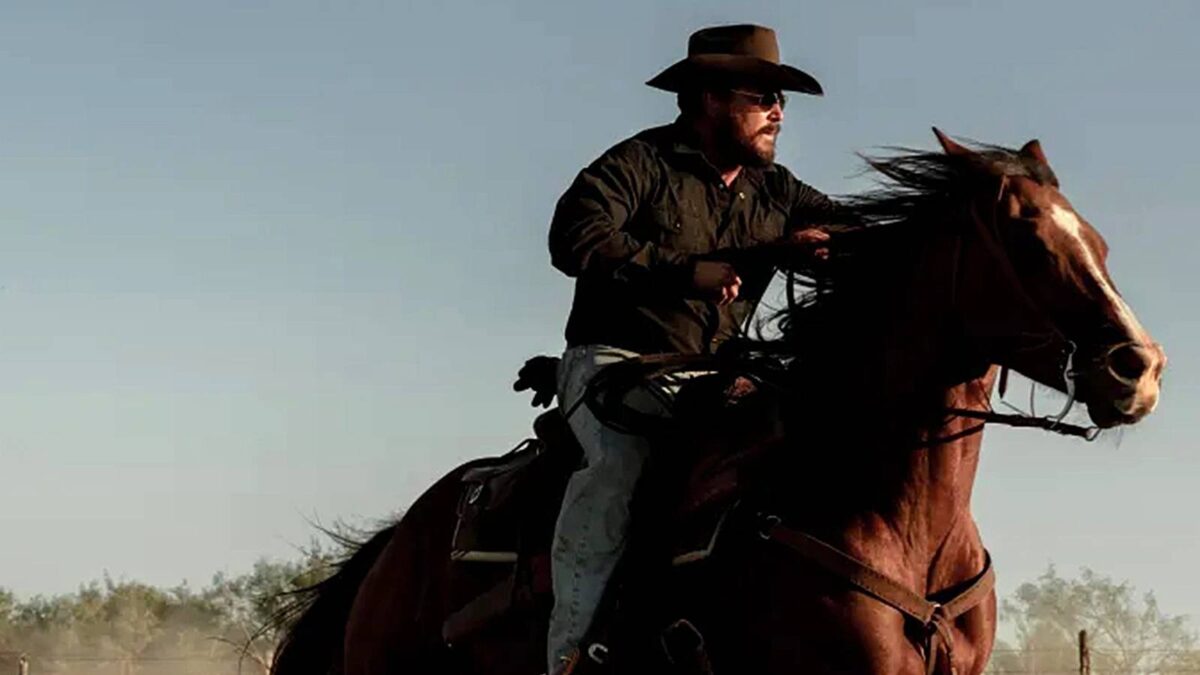
‘Dutton Ranch’ Trailer Reveals ‘Yellowstone’ Sequel Release Date
Rip Wheeler and Beth Dutton gamble everything on a new life in South Texas in the first trailer for the Yellowstone spin-off, Dutton Ranch. The footage reveals all manner of gun fights, fist fights, explosions, galloping horses, and even mysterious…
Mar 24, 2026