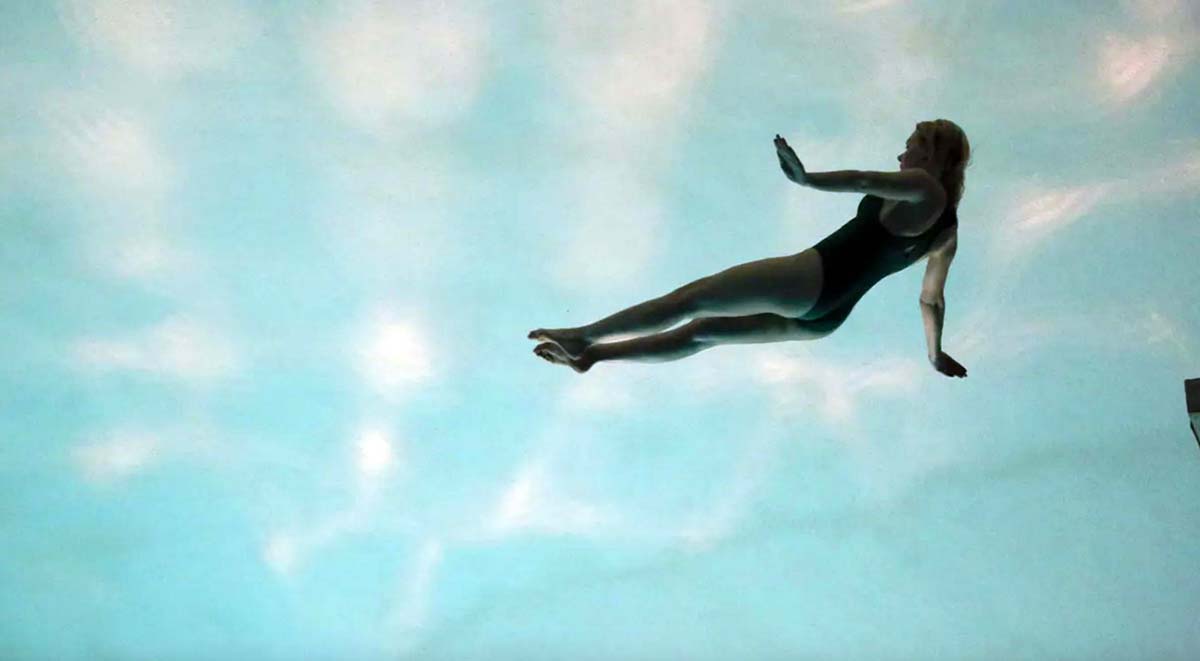
Leos Carax’s Film Essay Into His Own Cinematic Oeuvre Is A Little Batsh*t But Never Boring
Dec 11, 2024
Coming off the heels of his most mainstream film, the bonkers Sparks-penned Adam Driver starring rock opera “Annette,” which, in case you forgot, is about a puppet baby who becomes a star, Leos Carax returns with a self-excavating and reflective short. Yet while “It’s Not Me” is being billed as a film, it is much more essayistic and free-associative. Initially produced as an exhibition piece for Paris’ Centre Pompidou (though the exhibition never took place), the film essay was then screened at this year’s Cannes before its current rollout in NYC and LA, in addition to its release on the Criterion Channel.
READ MORE: The 100 Most Anticipated Films Of 2025
Created in response to a prompt from the museum — “Where are you at, Leos Carax? — the essay begins with a typically Carax-like answer: “I don’t know.” From there, the essay accounts for Carax’s contemporary thoughts, incorporating film history, his own oeuvre, the state of the world, his family, and anything else that interests him at a particular moment. From scene to scene, the film is difficult to track, often resembling dream-logic. We move quickly from, say, Carax’s daughter to his thoughts on the multiple personas of Roman Polanski. Those looking for clear through-lines, or even those unfamiliar with Carax’s films and the importance of, say, Denis Lavant, will be lost.
But, also, who goes into a Carax film looking for logic? Carax has always been an auteur who operated on his own wavelength, fusing surrealism, camp, and dark comedy into a heady mixture that, while not attuned to the mainstream, nevertheless always found its audience. This short continues that tradition.
It’s also a piece that feels most in conversation with the critical and commercial responses to his films. At one point, he moves backward to look at Hitchcock’s use of POV shots in “Vertigo,” noting that while he’s been inspired by Hitchcock, he’s never used one in his own work. But, even then, he’s eventually forced to admit that he actually did use point-of-view in his 1986 film “Mauvais Sang.” This doubling back, stream-of-consciousness approach punctuates his approach here, where it feels like he’s working out material in real-time.
Does it sometimes feel like an undergrad essay that needs an edit or two? Sure, but the connections are nevertheless salient, even if missing details often obfuscate them. Carax takes on a lot here, discussing the Holocaust, political protests, and filmmakers while also giving himself time to reflect on the artistry of his daughter and run around Paris with Lavant dressed up as his “Holy Motors” character, Monsieur Merde. It’s all a little batshit but never boring.
Support independent movie journalism to keep it alive. Sign up for The Playlist Newsletter. All the content you want and, oh, right, it’s free.
Does he answer the inciting question? To a degree, yes. By looking at this, we can see a restless filmmaker contending with both his artistic and personal legacy while also looking ahead to the political moments that will define film discourse in the near future. At one point, he talks about films as “like a memory from the present.” It’s here that we, perhaps, get the clearest articulation of why Carax makes films and why he is so decidedly uninterested in standard narrative.
But it’s also hard not to feel like “It’s Not Me” is the doodling of a great auteur with too many unrealized ideas. It’s the type of work that one might find as a bonus feature of a Criterion edition, more interesting as ancillary than primary material. The inclusion of the puppet Annette in a post-credit scene underlines this. Yet, with its short runtime and heady mix of styles, scenes, and ruminations, it’s still a fascinating refraction of one of the most interesting filmmakers working today. [B-]
Publisher: Source link





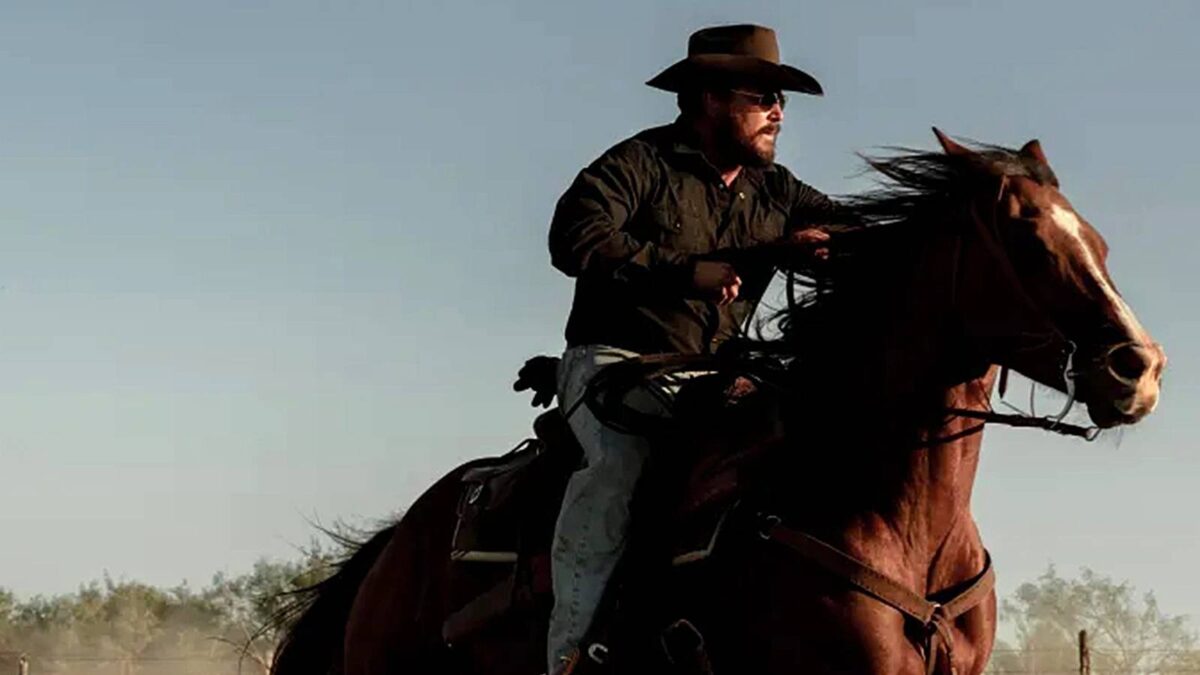
‘Dutton Ranch’ Trailer Reveals ‘Yellowstone’ Sequel Release Date
Rip Wheeler and Beth Dutton gamble everything on a new life in South Texas in the first trailer for the Yellowstone spin-off, Dutton Ranch. The footage reveals all manner of gun fights, fist fights, explosions, galloping horses, and even mysterious…
Mar 24, 2026
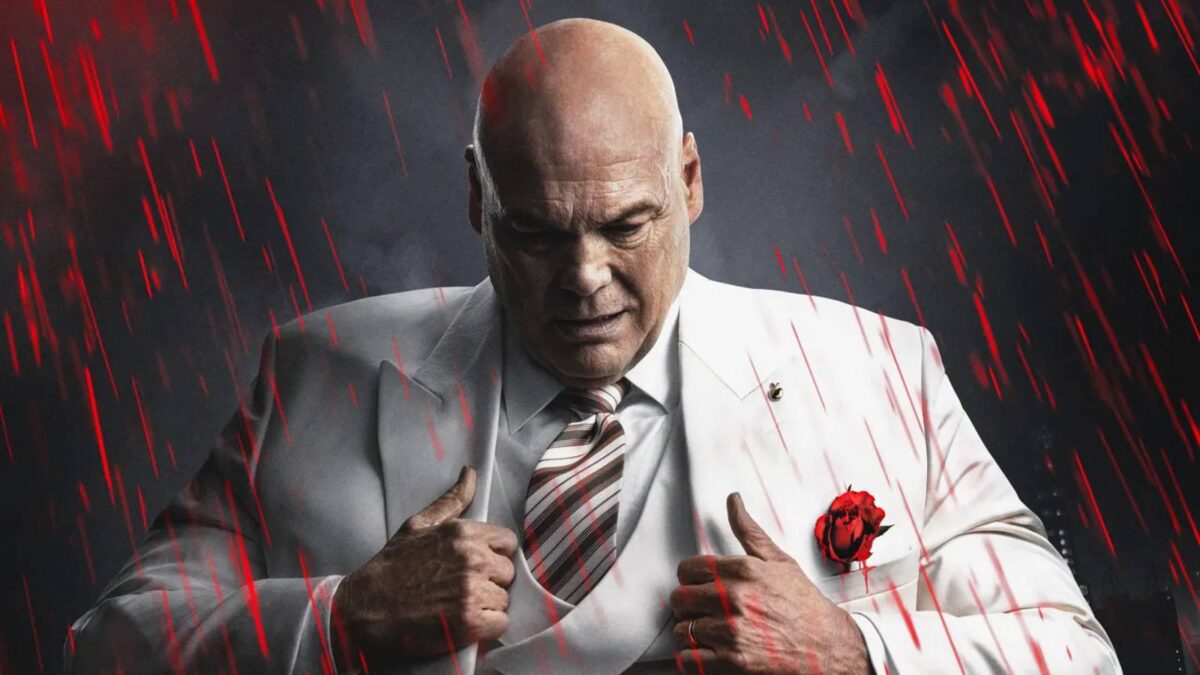
Born Again’ Showrunners Detail How the Media Ties into Season 2
Marvel is fast approaching the release of Daredevil: Born Again Season 2, marking its second live-action Disney+ show of 2026. Bringing back Charlie Cox's Matt Murdock and Vincent D'Onofrio's Wilson Fisk, this season picks up where Season 1 left off,…
Mar 23, 2026
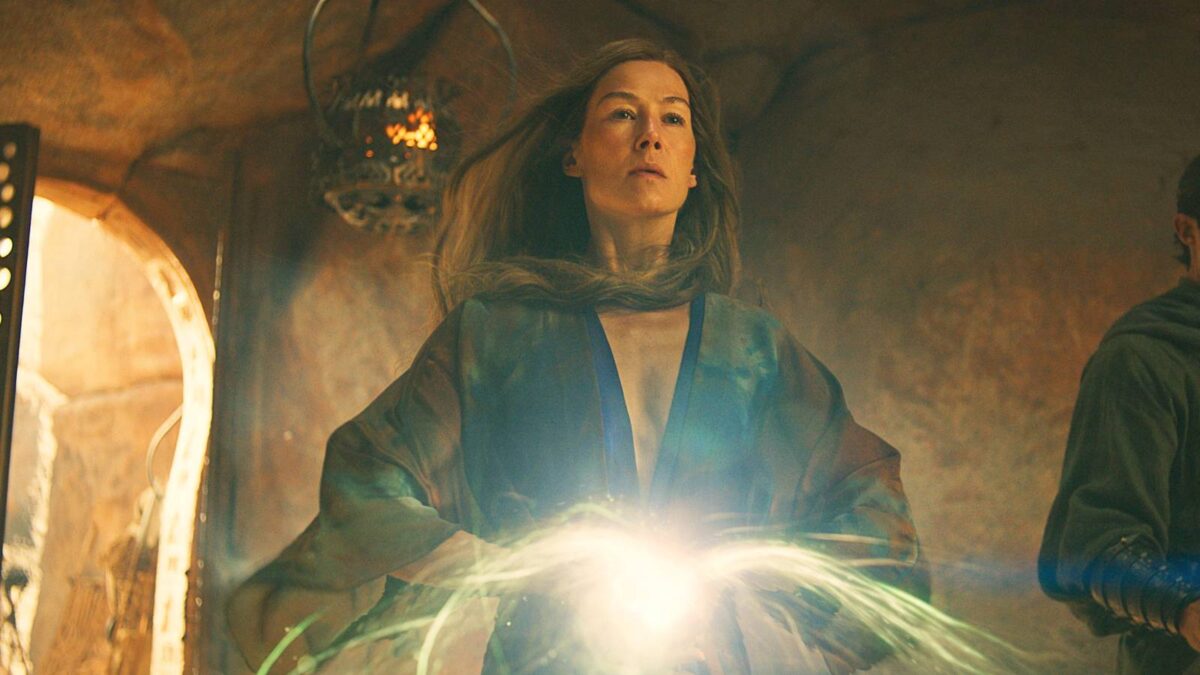
New ‘Wheel of Time’ Animated and Video Game Adaptations Are in the Works
Amazon might be finished with The Wheel of Time, but we haven't seen the end of the story when it comes to adaptations of Robert Jordan's bestselling high fantasy saga. Fans were left blindsided when Amazon abruptly pulled the plug…
Mar 22, 2026
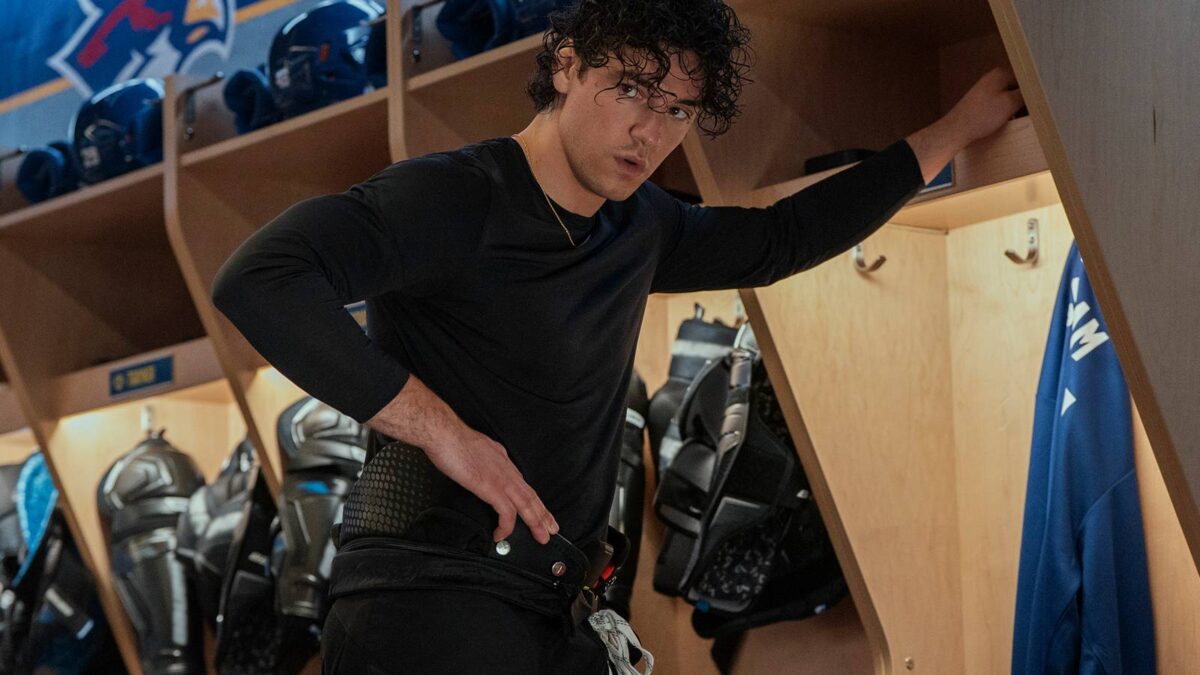
‘Off Campus’ Teaser and Release Date Revealed by Prime Video
No one expected a love story between rival hockey players to become one of the most talked-about TV shows of 2025, but there's a lot more where Heated Rivalry came from, as a new teaser for Prime Video's foray into…
Mar 21, 2026