LGBTQ Radicalism Meets Jewish Tradition In This Well-Meaning, But Overstuffed Documentary [Tribeca]
Jun 19, 2024
There exists a moment, perhaps several, in director Sandi DuBowki’s documentary “Sabbath Queen” where shaky attempts to solidify focus on one subject as numerous struggles for screentime become blindingly apparent and the project threatens to spiral out of control. That’s not to say there isn’t a compelling narrative throughout, only that there are too many, and in such a chaotic effort, topics become somewhat diluted to varying degrees, and meaningful quotes from any of the frequent talking heads start to lose their impact. It’s truly a shame, as the center of this doc finds one of the more engaging, fascinating individuals holding court as the rest of this heavily-layered film unfolds around him, in addition to the people in his life and the many, many stories he has to tell, each nonetheless important but all in a fight for the podium that can’t help but leave viewers with something akin to exhaustion by film’s end.
READ MORE: ‘She Loved Blossoms More’ Review: Grief Takes Audaciously Bizarro Shape In Greek Weird Wave Horror Oddity [Tribeca]
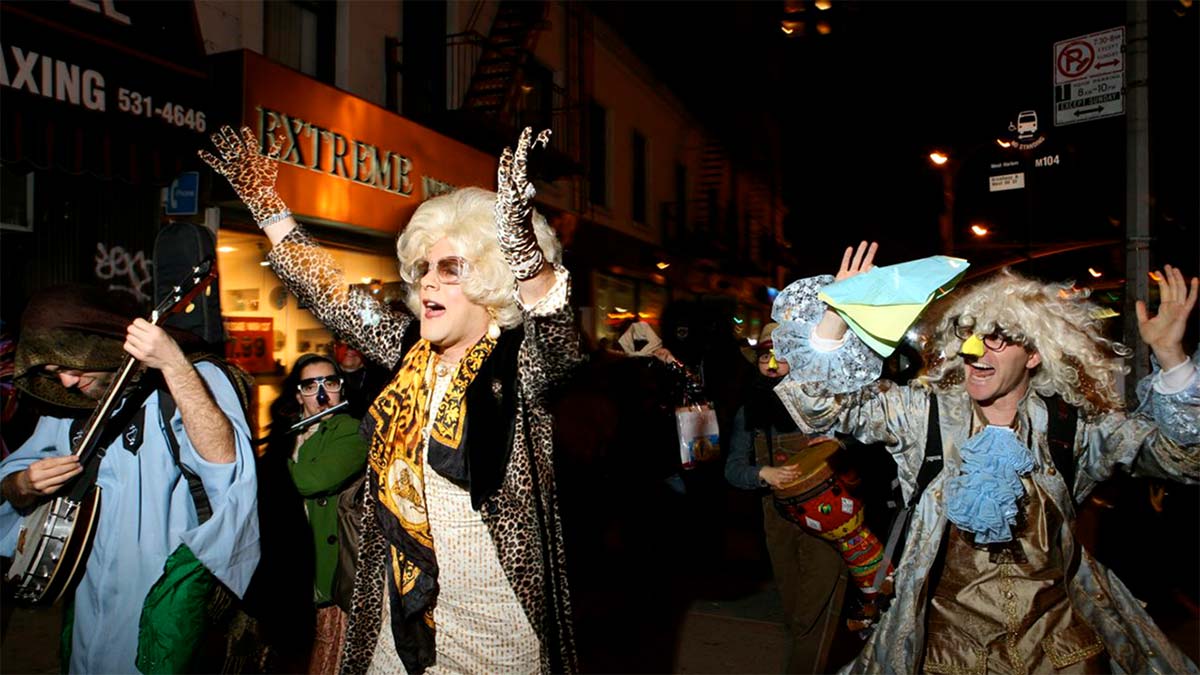
Amichai Lau-Lavie is this centerpiece, an outspoken member of the LGBTQ community and one purposely ensconced in a battle between the traditions of his Jewish faith and a desire for aggressive change. Lau-Lavie certainly has plenty to say, whether in a drag persona modeled after a Hungarian widow or his repeated thoughts on where he believes Judaism is heading over the next several decades as the film itself covers multiple years following Lau-Lavie’s arrival in New York City after his outing back home in Israel. That said, it’s made clear that his backstory couldn’t be any more steeped in tradition, especially when his brother Binyamin “Benny” Lau, a rabbi with his own montage of news clips showcasing his media prominence and overall authority, questions Lau-Lavie’s actions alongside his equally old school grandfather Naphati. Their love of Lau-Lavie is never in question, which is fortunate, but their wish that he remain in his lane starts to sound like a broken record every time their face occupies the screen.
Veering outside that lane involves Lau-Lavie’s plans to attend school to become a rabbi himself, an act the fellow leaders of the pop-up synagogue Lab/Shul he founded see as highly hypocritical. This particular aspect of Lau-Lavie’s CV, alongside his performance piece Storahtelling, comes off more as unintentional art installations as opposed to genuine religious experiences meant to open an eye or a traditionalist’s heart; sadly, whether through DuBowski’s framing or how Lau-Lavie is shown running both projects, the progressiveness sits on full display while the messages feel like an afterthought. Even when the film periodically returns to the “God-optional” mentality fueling Lau-Lavie, it begins to feel trapped under the avalanche of components clogging the pipes of what could have been a handful of genuinely memorable docs instead of one.
The lengthy passage of time shown does make sense, and in a way, serves to benefit the overstuffed nature of the film; there’s no examination of Lau-Lavie’s day-to-day, but rather pivots into the same-sex/interfaith weddings he officiates and the ire of his community these ceremonies draw, leading to a scathing New York Times diatribe that itself leads to a removal of several privileges he’s able to perform as a rabbi. When paired with the third-act look at the co-parenting he’s been doing with a lesbian couple and the wonderful children he’s helping to raise, it frustratingly shows additional aspects I’d hoped would be explored further, especially when Lau-Lavie arrives at the site of a protest in opposition of the Israeli-Palestinian conflict and finds his way into more than one argumentative face. Despite his well-spoken knowledge, we still see vulnerability, as demonstrated in one moment when an exhausted Lau-Lavie breaks down and departs the interview chair and when the film turns the attention towards Lau-Lavie’s grandfather Naphati and his great uncle Yisrael Meir Lau does emotion take center stage when their horrific experience behind the walls of Buchenwald is recalled in vivid detail.
By now, curiosity over the film’s well-meaning message might be in full effect; are there questions DuBowski is trying to ask and answer simultaneously? The end credits seem to arrive before such an act concludes, thus labeling such a project as a snapshot primarily looking at the undeniably compelling, undoubtedly fascinating backstory of Amichai Lau-Lavie and the history he’s trying to upend. Though this breaking free from tradition could hardly be seen as trailblazing when it comes to the whole of human experience, to be made aware of this microcosm of a divide in the world of modern-day Judaism can’t be seen as anything less than eye-opening and at just around 100 minutes does the film hardly feel like a slog. DuBowski previously explored similar themes in 2001’s “Trembling Before G-d,” and it would be near-impossible to imagine a future effort presumably nailing the messages seen here, but in trying to pack in far too much does “Sabbath Queen” begin to burst at the seams. There’s too much good here that doesn’t deserve to be overlooked, and this is where the film misses the mark. [B-]
Publisher: Source link



Netflix’s ‘Jo Nesbo’s Detective Hole’ Debuts With Perfect Rotten Tomatoes Score
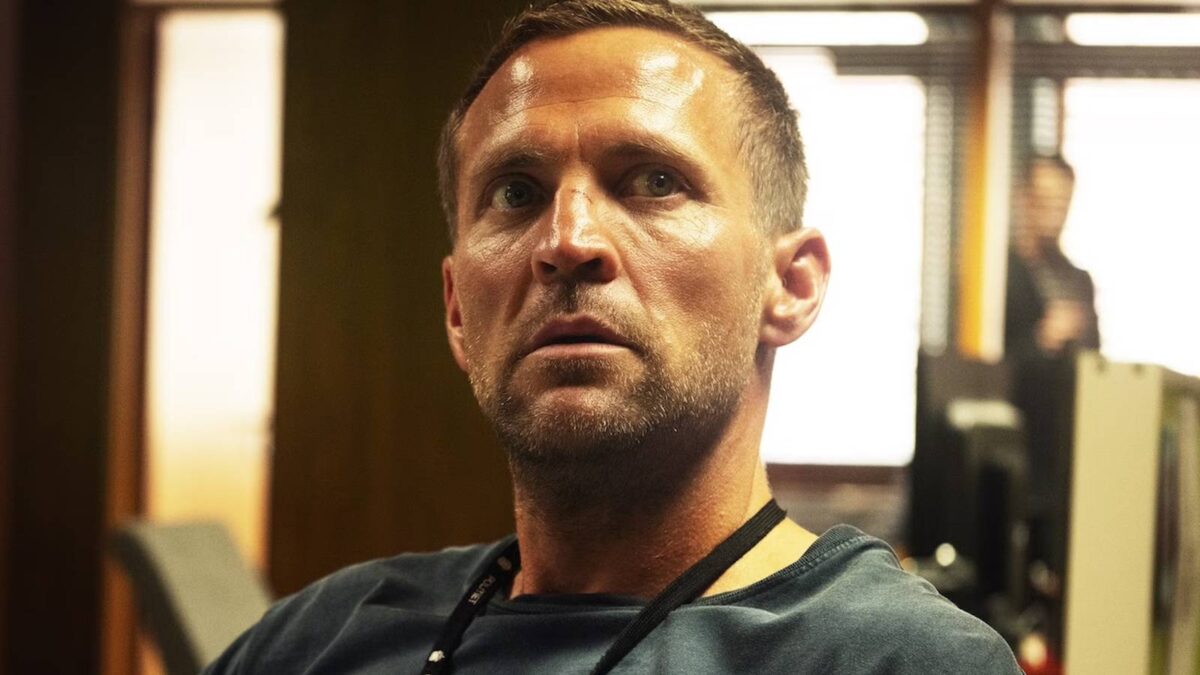
Anyone currently on the hunt for a new crime thriller to binge-watch may want to divert their attention to Jo Nesbo's Detective Hole, which is currently streaming on Netflix. The nine-part drama, adapting the fifth book in Jo Nesbø's bestselling…
Mar 29, 2026
Prime Video’s ‘God of War’ Casts ‘Lost’ Star Sonya Walger as Freya
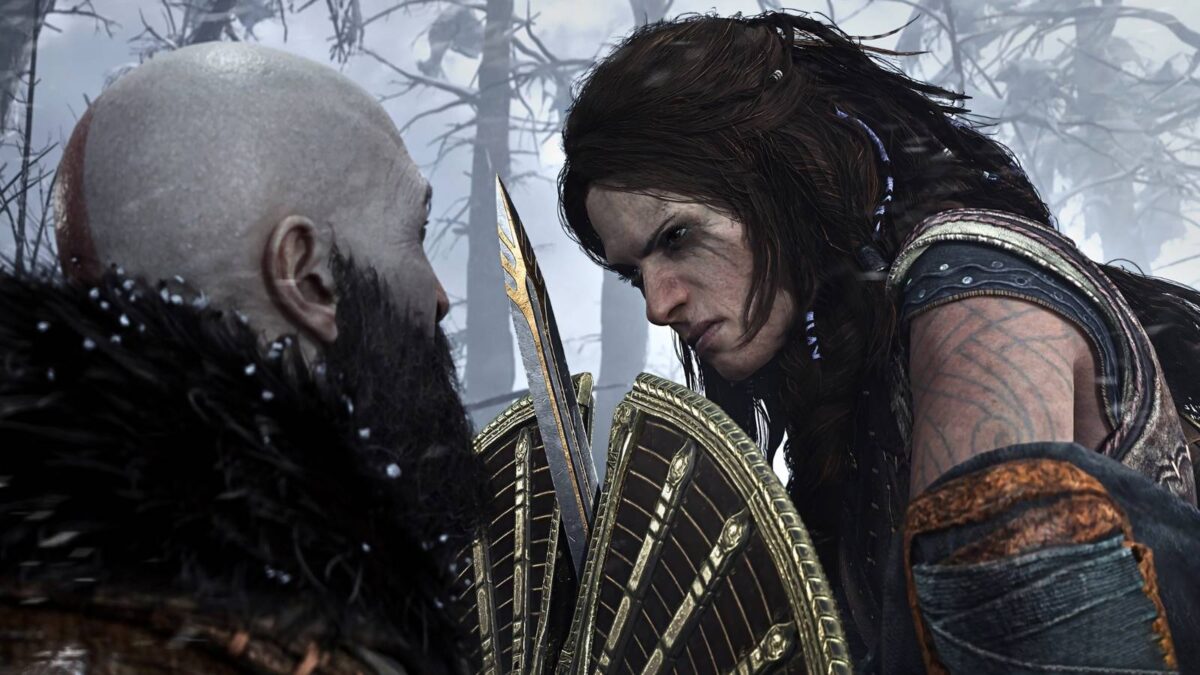
Amazon's upcoming God of War series that is currently in production is also one of the most anticipated of the next couple of years. Film and television adaptations of popular video games have been on the rise, with creative teams…
Mar 28, 2026
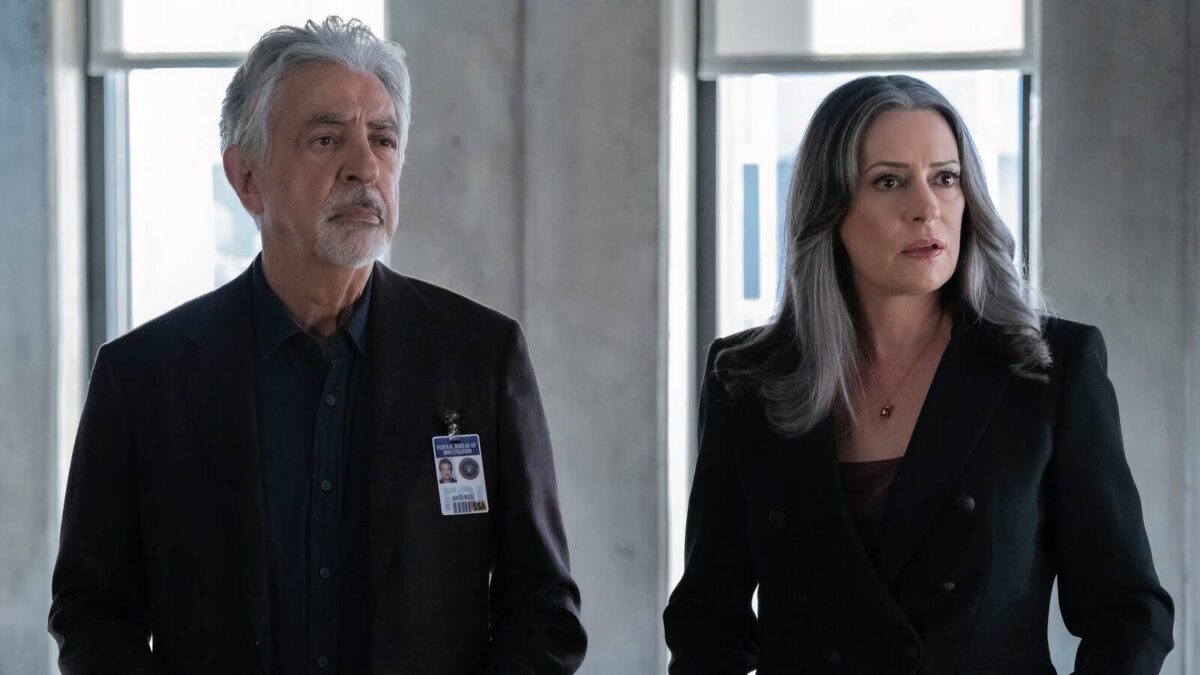
Paramount+ Renews ‘Criminal Minds: Evolution’ for Season 19
The start of its new season is still weeks away, but fans of Criminal Minds: Evolution won't have to wait that long to learn the fate of the long-running hit crime procedural. Execs at Paramount+ have already decided what the…
Mar 27, 2026
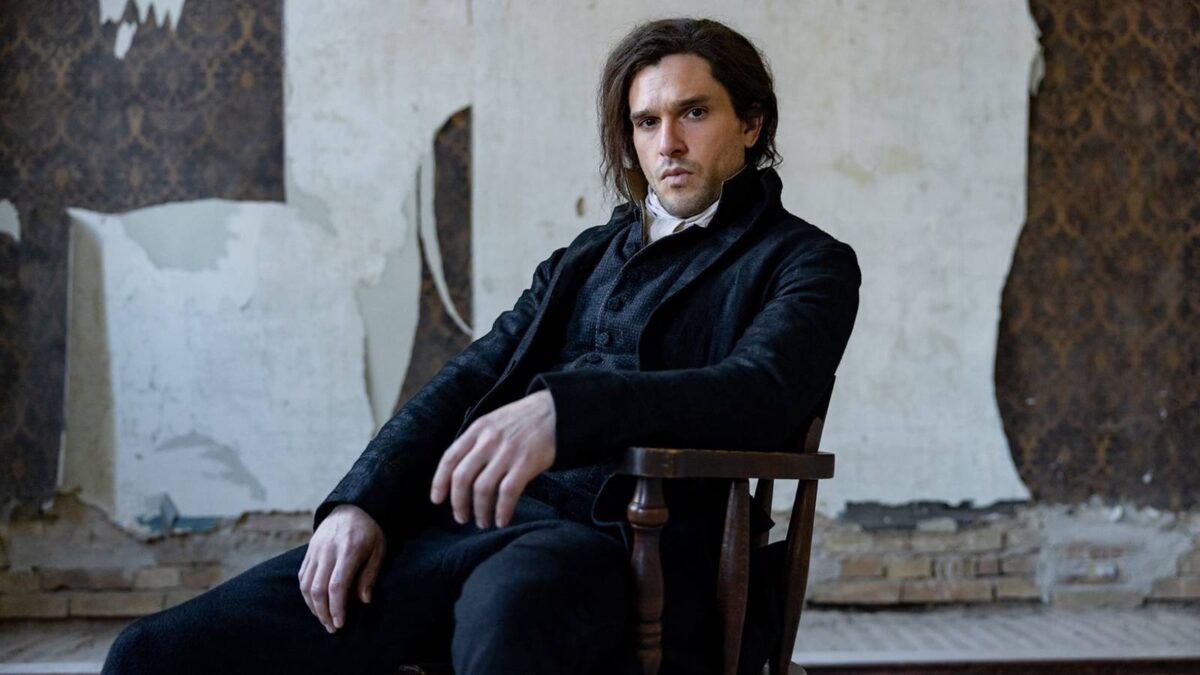
‘A Tale of Two Cities’ First Look Reveals Kit Harington in MGM+ Series
The BBC and MGM+ are teaming up with a new four-part limited series adaptation of Charles Dickens' classic 1859 novel A Tale of Two Cities. Game of Thrones veteran Kit Harington will play Sydney Carton, a cynical English lawyer who…
Mar 26, 2026