Lost Dolls Featured, Reviews Film Threat
Jul 11, 2024
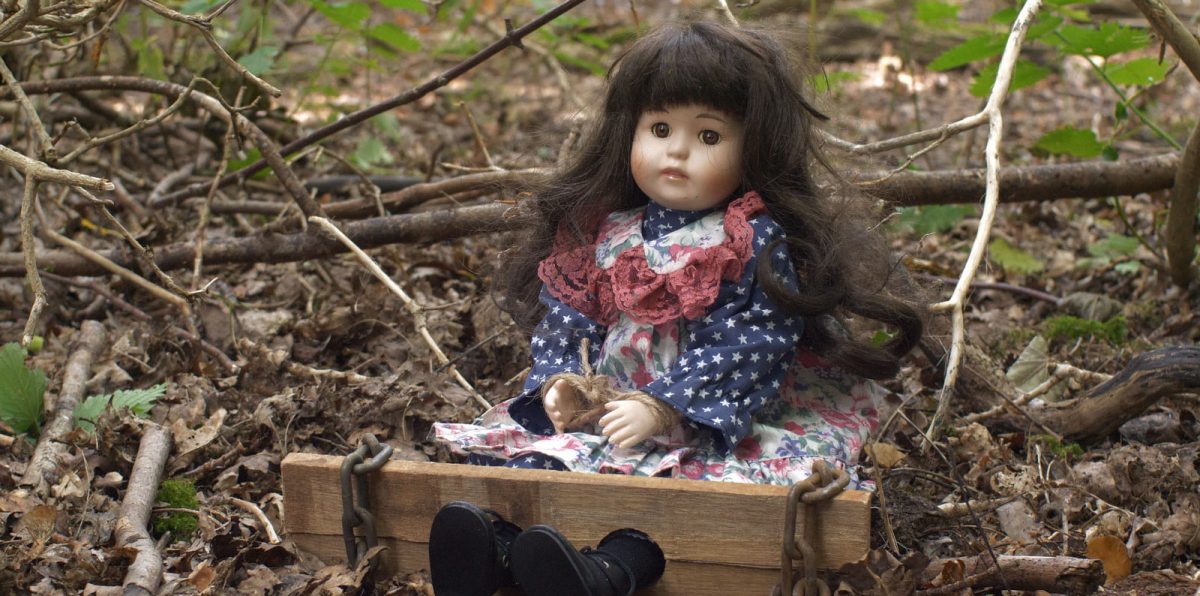
There are some films where the term WTF doesn’t even scratch the surface, as seen in the spectacular misfit toy feature Lost Dolls by writer/director Jaroslaw Gogolin. It opens with a tree and the quote, “And into the forest I go, to lose my mind and find my soul.” Living in the woods, a lost doll of a little girl has adventures, wandering through the woods in her dress that has been repurposed with pieces of camouflage.
In the city, a fancy little girl doll in a new dress is taken out to the curb in a box of discarded clutter. She wanders the streets, eventually finding her way into the forest. She runs into some other dolls like herself, who are also lost. Meanwhile, the feral doll keeps discovering deeper mysteries between the trees. Deep in the woods is an enchantress doll with a magic staff who wears a necklace of the Shambhala Tree.
There is also a doll of a spooky old hag that appears at times. There are also scary dolls with pale skin and black veins all over their faces, some with wings. Then there are the evil clown dolls, so watch out. Also, there is a doll of Death, all garbed in black, playing chess with itself on a stump. What paths will these lost dolls find, and where will they lead?
There are a thousand ways you will be astonished by Lost Dolls. The first is suppressing your disbelief that Gogolin went out and made a full-length feature by waving a bunch of dolls around in nature. Well, he did, and here it is, staring you right in the eye. Yes, the dolls are hand-animated, meaning a hand is holding the doll off-camera to make it move. The movements and angles of the camera bring the static toys to life, as they are shot like real subjects to great effect.
“…eventually finding her way into the forest. She runs into some other dolls like herself, who are also lost.”
There is a tangible resonance in the frozen faces of the toys to the point where you can imagine them to have feelings. Gogolin’s excellent storytelling easily fills up the nearly two-hour running time, as he keeps conflicts cropping up throughout and upping the cosmic ante in the right places. I was never bored and was left wanting even more. And this was from a movie with no character names, dialogue, or established context. Instead of being hampered by the lack of these elements, the narrative is liberated to fly much higher than you would expect.
In Lost Dolls, Gogolin applies many of the methods that famed director Tarkovsky developed in the last century. This includes very deliberate, languid shots showing the small details in the fabric of the imagery. That the central focal point of the composition is a toy doll actually enhances the potency of this slow-cook stylization. It also makes you wonder how much Stalker would kick a*s more if it were reshot with action figures.
You will also find Bergman references, which are not too shabby. To seal the deal, Gogolin uses a plethora of mesmerizing electronic ambient songs. This sonic blanket wraps around the playtime visions, setting the atmosphere to ethereal settings. Where Gogolin truly triumphs is the air of mystery that he maintains by not over-defining the story elements.
It’s like the lyrics Robert Hunter wrote for the Grateful Dead: it gives you striking specifics while leaving the general idea in the dark. This also means that Lost Dolls is a perfect movie to get high on. You have not truly lived until you get stoned watching baby dolls frolic for two hours. Also, in case you think this is rather superficial, there are warnings on these tracks for sections of deep spirituality. I may not totally understand the meaning, but I totally get where it is coming from.
Lost Dolls is a weird wonder that could only have risen from the wilds of indie cinema. Wind this movie up for a cinema experience not to be toyed with.
Publisher: Source link



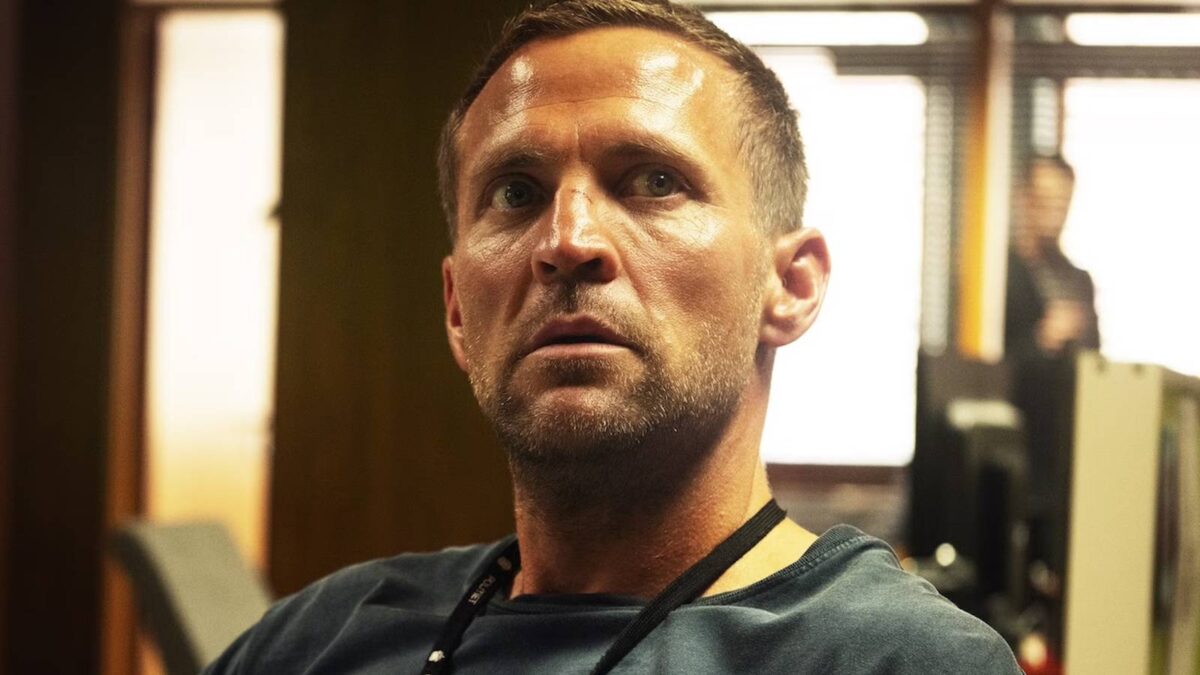
Netflix’s ‘Jo Nesbo’s Detective Hole’ Debuts With Perfect Rotten Tomatoes Score
Anyone currently on the hunt for a new crime thriller to binge-watch may want to divert their attention to Jo Nesbo's Detective Hole, which is currently streaming on Netflix. The nine-part drama, adapting the fifth book in Jo Nesbø's bestselling…
Mar 29, 2026
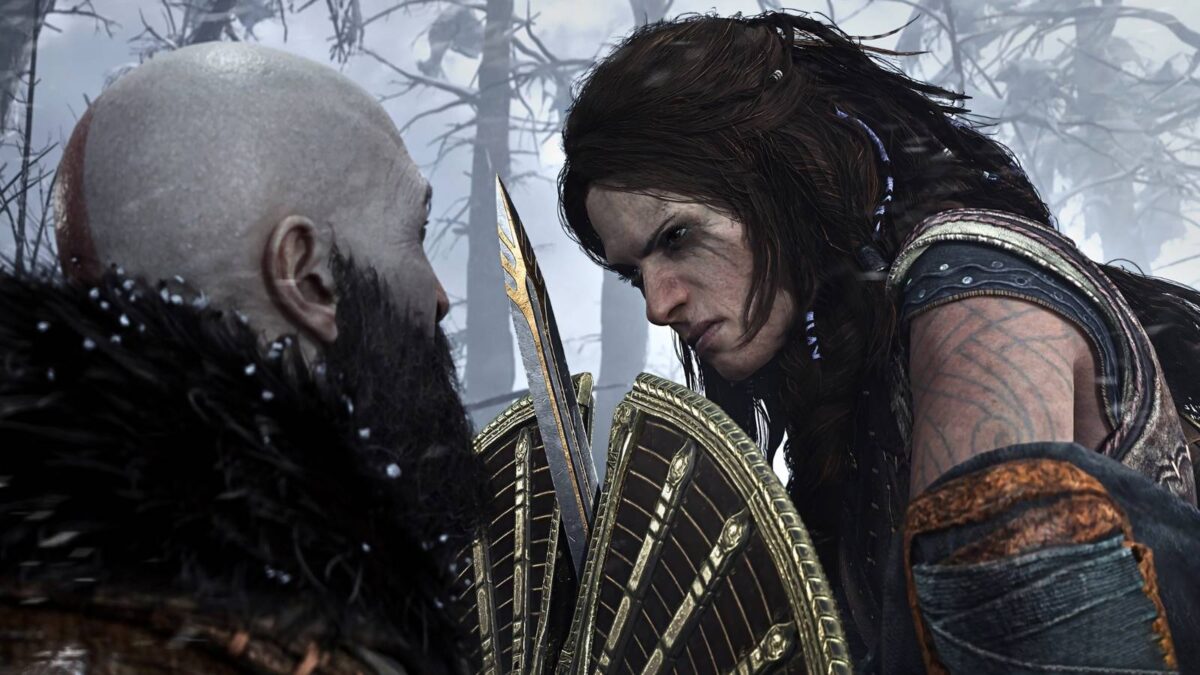
Prime Video’s ‘God of War’ Casts ‘Lost’ Star Sonya Walger as Freya
Amazon's upcoming God of War series that is currently in production is also one of the most anticipated of the next couple of years. Film and television adaptations of popular video games have been on the rise, with creative teams…
Mar 28, 2026
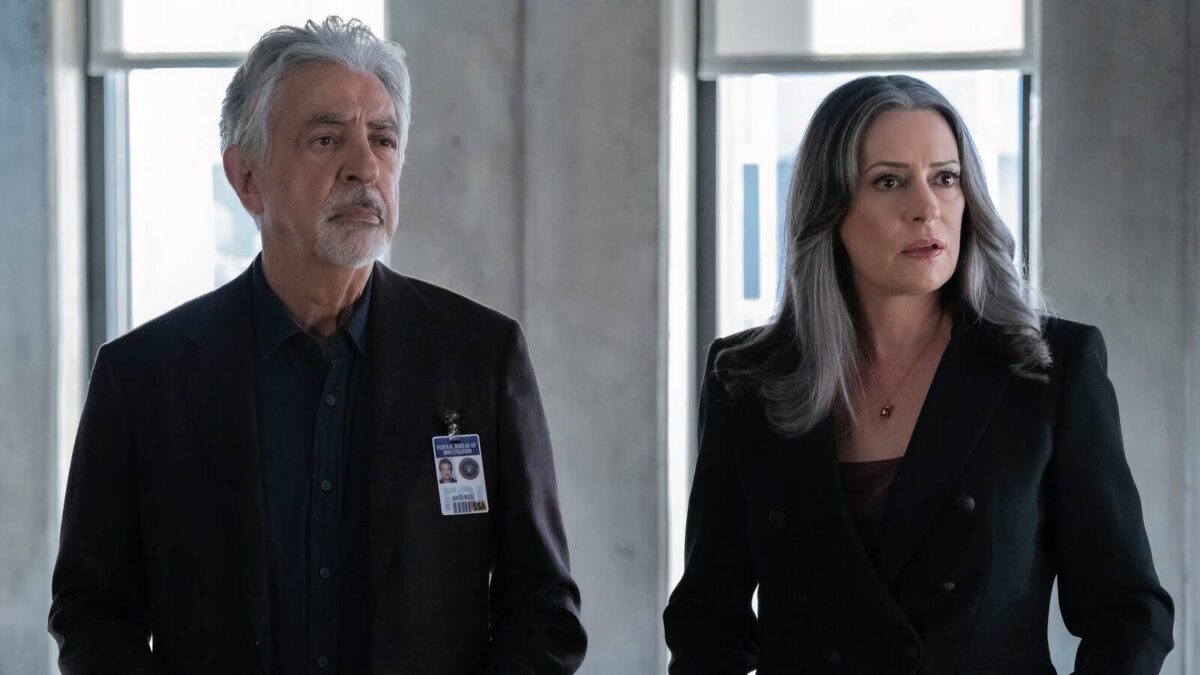
Paramount+ Renews ‘Criminal Minds: Evolution’ for Season 19
The start of its new season is still weeks away, but fans of Criminal Minds: Evolution won't have to wait that long to learn the fate of the long-running hit crime procedural. Execs at Paramount+ have already decided what the…
Mar 27, 2026
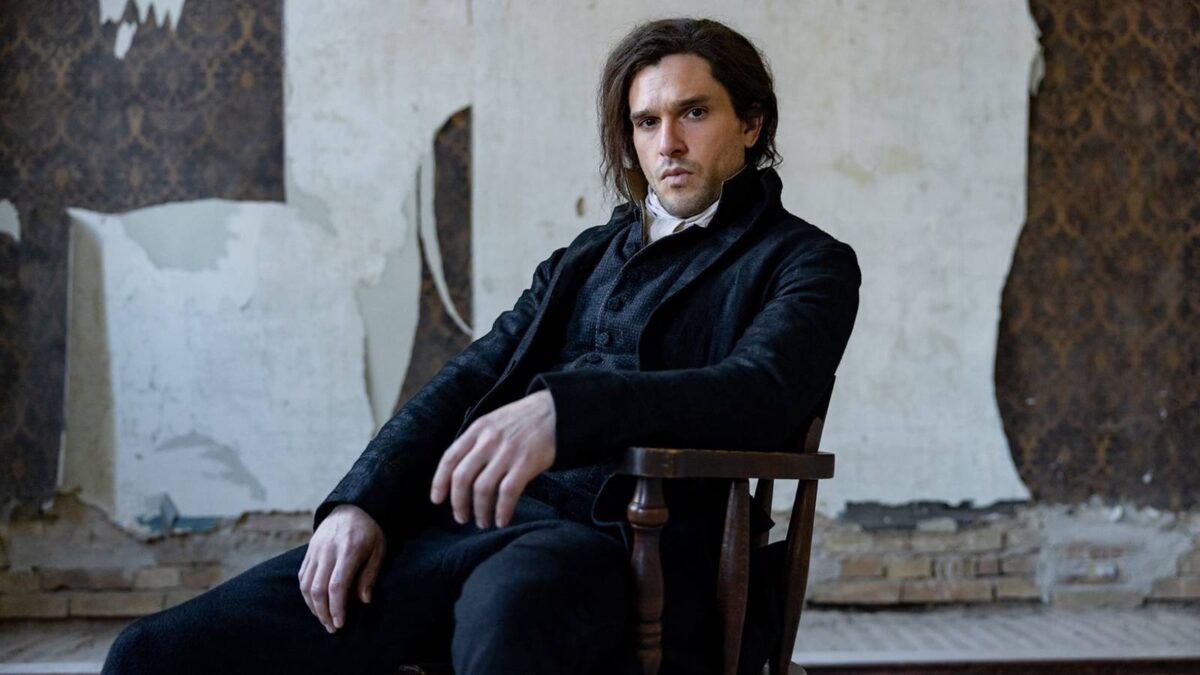
‘A Tale of Two Cities’ First Look Reveals Kit Harington in MGM+ Series
The BBC and MGM+ are teaming up with a new four-part limited series adaptation of Charles Dickens' classic 1859 novel A Tale of Two Cities. Game of Thrones veteran Kit Harington will play Sydney Carton, a cynical English lawyer who…
Mar 26, 2026