Mary Elizabeth Winestead Struggles With A Lackluster Script
Jan 4, 2026
What makes “The Hand that Rocks the Cradle” such an unforgiving miss is the abundance of small wins that work in its favor. From a typically strong cast and a filmmaker whose previous work had already dabbled in similar thematic elements, to a well-timed, psychosexual horror plot, there’s plenty of promise. On paper, at least. But it takes only a few minutes into the film to realize that, while it’s hardly a catastrophic mess, the adaptation – based on the 1992 film of the same name – is a lackluster, at times aggravating, mess.
READ MORE: Fall Film 2025 Preview: 61 Movies To Watch
Director Michelle Garza Cervera has already toiled with the throes of motherhood and the sinister underbelly of societal pressure on domestic “bliss” in the 2022 film, “Huesera: The Bone Woman.” Written by Micah Bloomberg (“Sanctuary”), and based on the original work by Amanda Silver, “The Hand That Rocks the Cradle” in turn fails to find itself a cutting edge to lean on. Despite the darker elements and the third-act deliverance of trauma, there’s no bite or sense of danger or sex in the meandering, cyclical downward spiral as the characters try to one-up each other clumsily.
The film, at the very least, refuses subtlety. The first shot of the film is of a house engulfed in flames as a family cries in terror in the distance. There’s a running bit about the installation of a stop sign that proves almost unfathomably obvious. But at the very least, it allows for a sense of silliness and fun in a film that otherwise wants to escape that sensation.
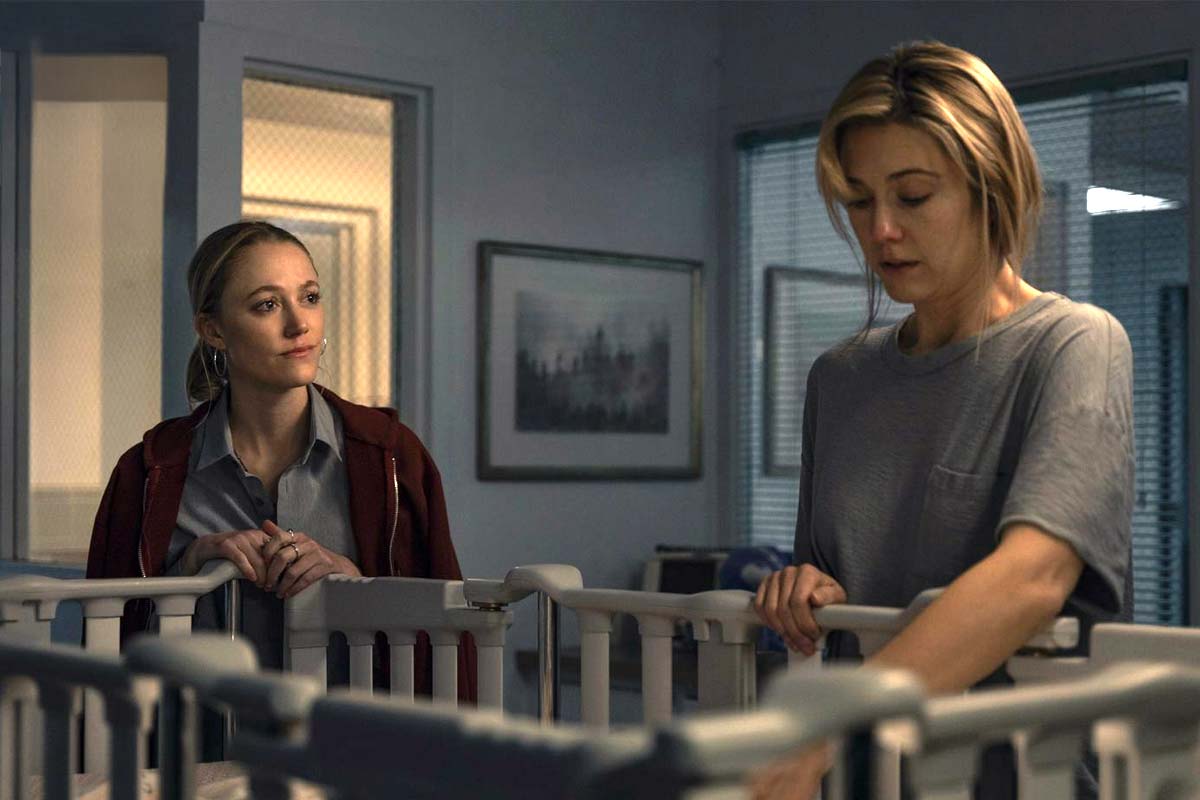
That distinct lack of playfulness erodes any real characterization as we first meet pregnant Caitlyn (Mary Elizabeth Winstead) and Polly (Maika Monroe) in a fateful meeting before jumping ahead in time. We watch as the mysterious Polly infiltrates Caitlyn’s life, which includes her two young daughters and her husband, Miguel (Raúl Castillo). The couple hires Polly to be their live-in nanny, though Caitlyn soon begins to realize that Polly isn’t who she claims to be.
A lot is happening in the film’s setup as Caitlyn and Polly interact, with Polly growing closer to her and her family. The film briefly touches on the false narrative of suburban life, featuring no sugar intake, weekly trips to the farmers market, and local town meetings to keep the neighborhood safe (that damned stop sign), before letting it go. And there’s a similar thread regarding sexuality, with Polly openly attracted to women, prompting Caitlyn to share that, before Miguel, she was with a woman as well.
And there might’ve been a greater intrigue if they’d leaned harder on those areas of the narrative about how perfectly constructed houses, lavish backyards, expensive organic meals, and well-trimmed Anne Taylor ensembles can make us overlook the monsters haunting our self-written narrative. However, the film never focuses long or hard enough on any individual thread to the point where a major reveal receives a muted response.
From Caitlyn’s mental health and history of post-partum depression, to her clinical, sexual interest in Polly (which is essentially without heat or steam), and her husband’s quick dismissal of her consistent concerns as Polly becomes more manipulative, culminate in a frustrating study of a character mid-breakdown. At most, it offers a little ambiguity because Caitlyn is such an unlikable character at times that we have to wonder if the script is actually deceiving us about who the victim is.
With each character harboring dark secrets and trauma that have built them into who they are today, the answer to that question isn’t clear-cut. Still, the script from Bloomberg does the reveal no favors by tagging it onto the last 15 minutes, making it feel like an afterthought—a cheap gotcha moment, even—as opposed to a piece of the puzzle that both must explain one character’s rage and absolve the other of misdeeds. It’s a tricky balance that “The Hand that Rocks the Cradle” fails to maintain.
Winestead is typically a formidable performer when working with scripts that utilize her talents, but she struggles in the more subdued, observant sequences or during outbursts of anger. In her character’s despair, she excels, her world crumbling around her in heartbreaking ways. But as she rants and rages, it all comes across as stuttered and stiff. Monroe fares better, though there’s a similar distance in her performance that isn’t just an example of the character’s aloofness. She, too, works best when her emotions spill over. Otherwise, the stagnant dialogue and clumsy attempts at playing a misguided role as a seductress result in messy characterization and delivery.
Castillo is the only performer who comes out unscathed, though he doesn’t have much to do aside from react to those around him. However, no one fares so poorly as the wildly miscast Martin Starr. Starr’s clipped, didactic delivery is customary for the performer, but it fails to work here. Playing Caitlyn’s best friend, he provides a lukewarm comedic effect that is palatable. However, when asked to stage one of the film’s more pivotal moments, he falls flat, his delivery shifting from lightly humorous and dry to apathetic when there should be some affectation or emotion. It’s a bizarre choice both in front of and behind the camera, as it relinquishes any sense of tension or dread immediately.
There are pieces of “The Hand that Rocks the Cradle” that promise some intrigue, and Cervera clearly has an eye for stories about women dealing with the monotonous dread of domesticity. And she revels in the moments of actual horror and bloodshed, with some cringe-inducing bouts of violence punctuating the most revealing moments in the film. However, it all amounts to little, given a script that is disinterested in exploring the interiority of these characters beyond surface-level insights. Like so many straight-to-streaming releases, there are sparks of life here, but it all feels like a yawning afterthought that any strengths won’t so much be overlooked due to the flaws, but forgotten altogether because there’s simply not enough here to latch onto, good or bad. [C-/D]
“The Hand That Rocks The Cradle” premieres October 22 on Hulu.
Publisher: Source link





![Born Again’ Stars Explain Why Bullseye Is So Dangerous in Season 2 [Exclusive]](https://www.filmibee.com/wp-content/uploads/2026/03/Born-Again-Stars-Explain-Why-Bullseye-Is-So-Dangerous-in-1200x675.jpg)
Born Again’ Stars Explain Why Bullseye Is So Dangerous in Season 2 [Exclusive]
Along with Charlie Cox's Matt Murdock and Vincent D'Ofnorio's Wilson Fisk, Daredevil: Born Again Season 1 brought back one of The Man Without Fear's most notorious villains: Wilson Bethel's Benjamin Poindexter, better known as Bullseye. Not only was he back…
Mar 19, 2026
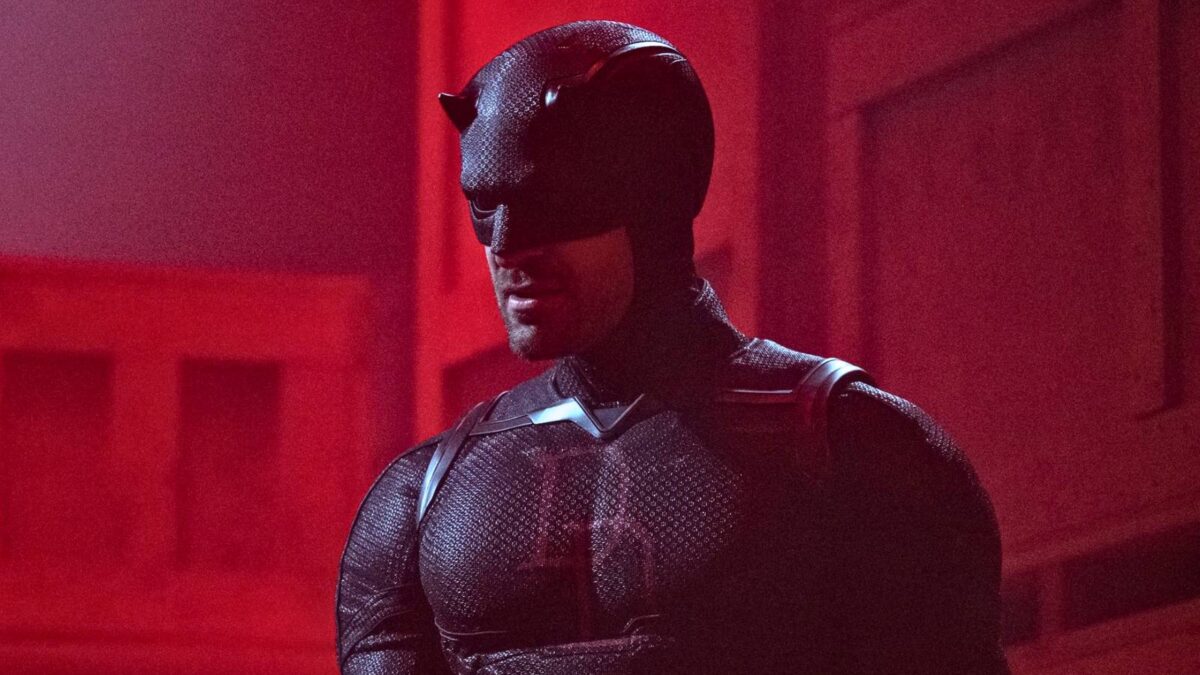
Born Again’ Showrunner Confirms ‘Avengers’ Character Is Key to Street Level MCU [Exclusive]
Ahead of the Avengers' return to the big screen later this year, Marvel Studios will return to street-level storytelling with the second season of Daredevil: Born Again on Disney+. Along with making the show canon to everything that happened in…
Mar 18, 2026

Taylor Sheridan’s Underrated Action Thriller Series Roars to Streaming Success
It’s now been two years since we last saw anything from the underrated action thriller series created by Yellowstone’s Taylor Sheridan, but having finally had some promising word about the new season, the show has now shot up the streaming…
Mar 17, 2026
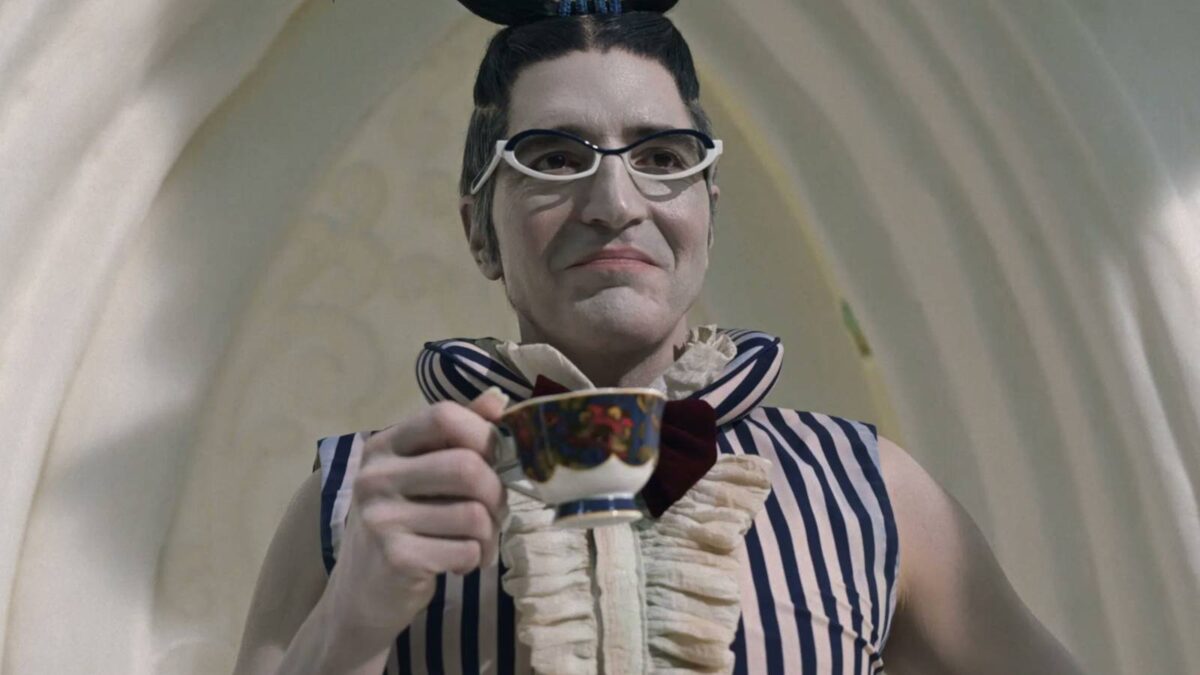
Netflix’s ‘One Piece’ Fails To Replicate Success of Season 1 on Streaming
It's been a little over two months since Stranger Things came to an epic conclusion on Netflix that left a massive hole in our hearts in more ways than one. However, the show's biggest replacement in terms of sheer production…
Mar 16, 2026