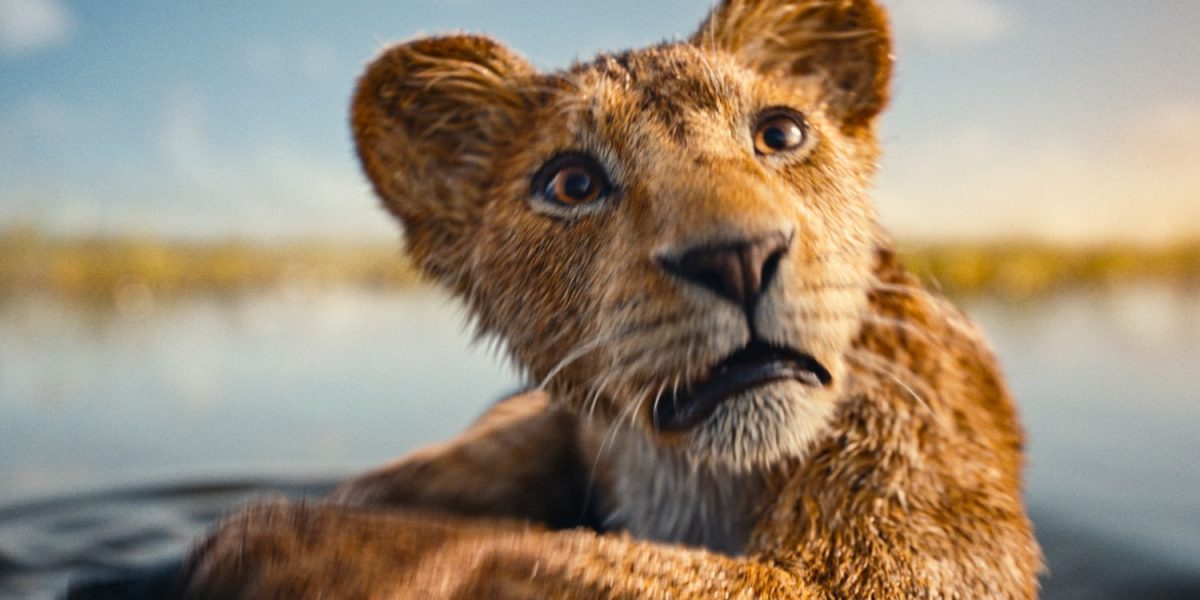
Mufasa’s New CGI “Aesthetic” Leaves VFX Artists Mixed Compared To Live-Action Lion King
Sep 30, 2024
VFX artists share their mixed reactions to the CGI in Mufasa: The Lion King. The 2019 live-action Lion King was a massive box office hit that earned more than $1.6 billion worldwide, inevitably leading to the story of Mufasa: The Lion King, which acts as both a prequel and a sequel to its predecessor. While it had tremendous box office success, the 2019 movie was criticized for the photorealistic CGI used to depict the animals, especially in contrast with The Lion King’s beloved animated origins.
In a new video, Corridor Crew watches a Mufasa: The Lion King trailer and breaks down how the CGI looks different from the 2019 Lion King. Check out the video below:
They explain why there was a largely negative response to the photorealistic CGI in the previous movie and how Mufasa: The Lion King has responded to this by changing the overall visual aesthetic. While they have mixed feelings about this change, they all acknowledge that the distinction between the two approaches is noticeable. Read their comments below:
It’s gorgeous. It’s really, really pretty. But an issue that a lot of people had with it is that the original animation had so much character and life to it because these are expressive beings, whereas if you’re rooting it entirely in realism, you don’t have that same character, you can’t do those same things, so they weren’t able to relate or connect to these characters in the same way. They are now doing The Lion King: Mufasa, and they have received all this critique for characters lacking expression.
They have added the cartoony nature back into photorealistic renders. The interesting debate is whether it’s working better now. Now there’s a lot more life in the faces, and it seems like people appreciate that, but then what is the point of doing it in live-action?
There’s a huge difference between this one and the original Lion King movie, because in the original live-action CG Lion King movie, everything looked like it was a picture taken out in the wilderness and that these are real animals they’re taking pictures of. Outside of the facial animation that the animals have in this one, the overlook of it looks less realistic.
The first film takes a look out of cues from nature documentaries and how you would practically film animals in the wild. Not every single shot is exactly to that, but if you watch the shots, you see that there is a lot less camera movements at times, and they’re all very rooted in reality.
I have no problem with all the animals being more animated in their faces, being able to have more expression, that was something the original Lion King movie kind of lacked because they were trying to ground everything so hard in photorealism and in how animals actually work. I don’t have a problem pushing that further.
It’s interesting that in the same universe they’ve made such a strong pivot in terms of their approach.
What This Means For Mufasa: The Lion King
The New Aesthetic May Become The Standard For Future Live-Action Disney Movies
Disney has built off the success of the 2019 Lion King by delivering a followup story, but has also responded to the CGI criticism by making the animals appear slightly more expressive and cartoonish. The overall photorealistic approach remains the same, although the animals are more visually emotive, which may make it easier to emotionally connect with these versions of the iconic characters. Just as the shift leads to varying opinions from these VFX artists, the general audience reception will likely be wide-ranging as well.
If Mufasa: The Lion King proves to be a box office success, more live-action Lion King movies will likely follow. The aesthetic of these potential movies could continue in the footsteps of Mufasa: The Lion King depending on how it is received once the full movie is released in theaters. If it is well-received, it could influence other upcoming live-action Disney remakes that feature talking animal characters, and eliminate a common piece of criticism.
Mufasa: The Lion King Is More Exciting Than The 2019 Lion King
The new CGI looks visually stunning and seems like a more optimal balance between photorealism and making the characters expressive. This is one of the most exciting elements of Mufasa: The Lion King, along with the fact that a new version of Mufasa and Scar’s origin story is being told, and it is not just a remake as was the case with the 2019 movie. These changes are making Mufasa: The Lion King more exciting than its 2019 predecessor, which could result in it making it more than a just a potential box office hit.
Source: Corridor Crew
Publisher: Source link


HBO ‘Harry Potter’ Series Image Reveals Dominic McLaughlin in Title Role
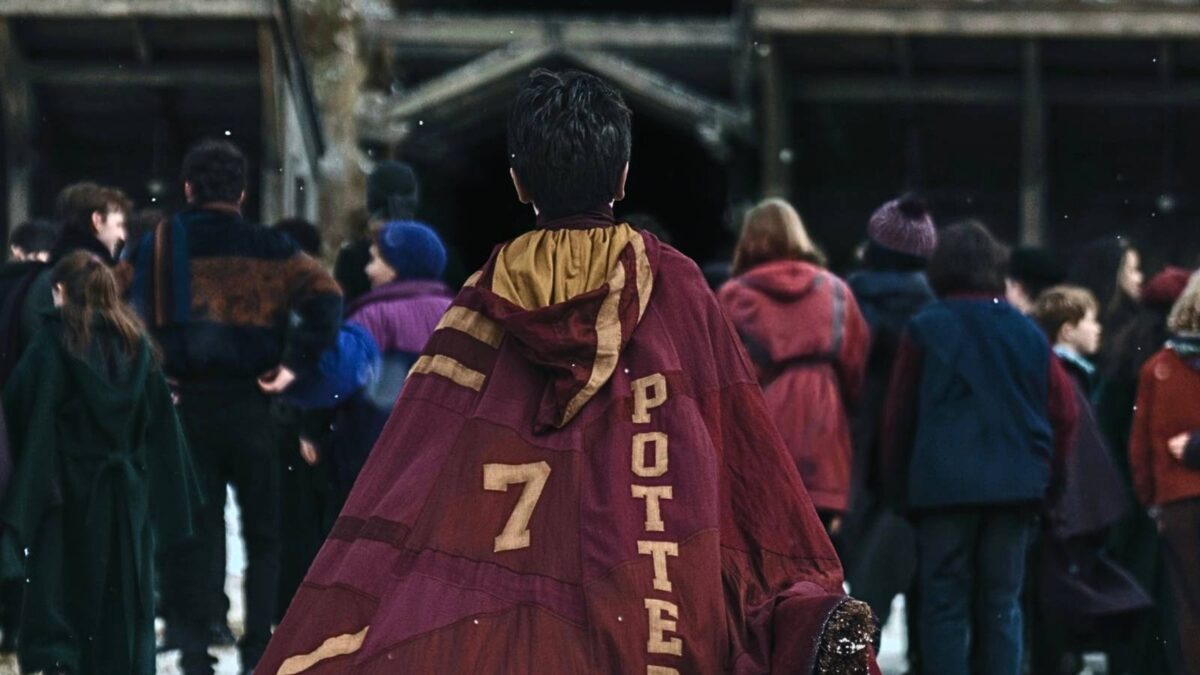
The first official look at HBO's upcoming reboot of Harry Potter has finally arrived, and it is already teasing a magical trailer release. As we inch closer to the show's expected 2027 release, the network has begun to reveal more…
Mar 25, 2026
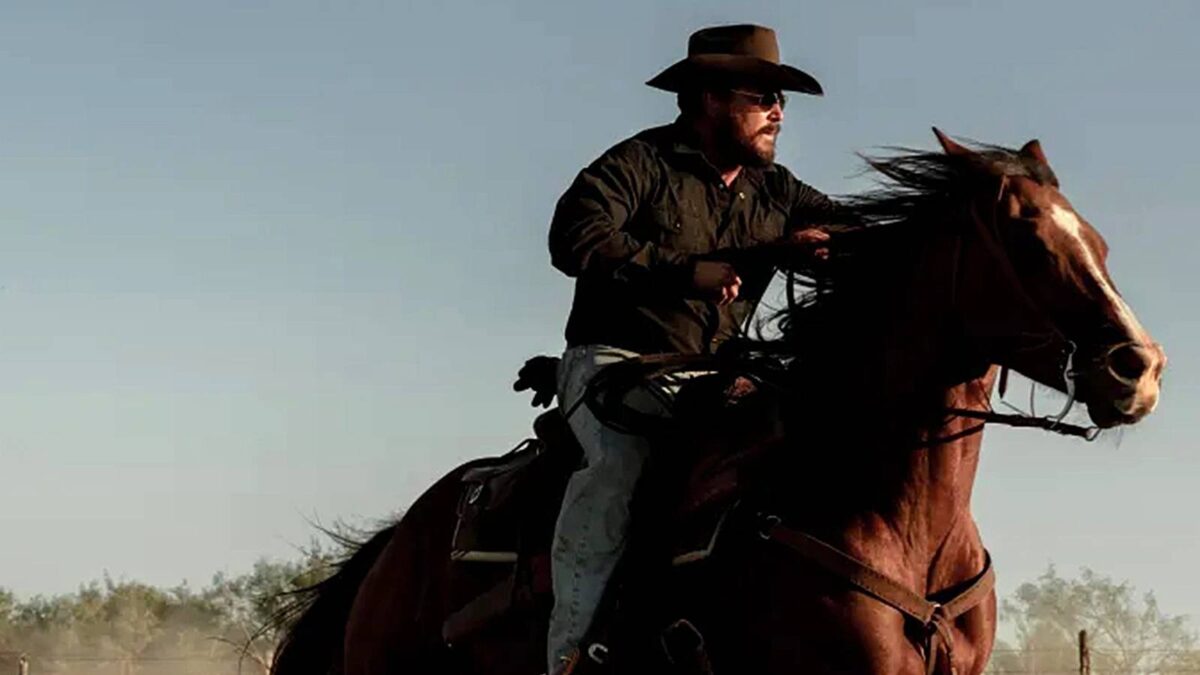
‘Dutton Ranch’ Trailer Reveals ‘Yellowstone’ Sequel Release Date
Rip Wheeler and Beth Dutton gamble everything on a new life in South Texas in the first trailer for the Yellowstone spin-off, Dutton Ranch. The footage reveals all manner of gun fights, fist fights, explosions, galloping horses, and even mysterious…
Mar 24, 2026
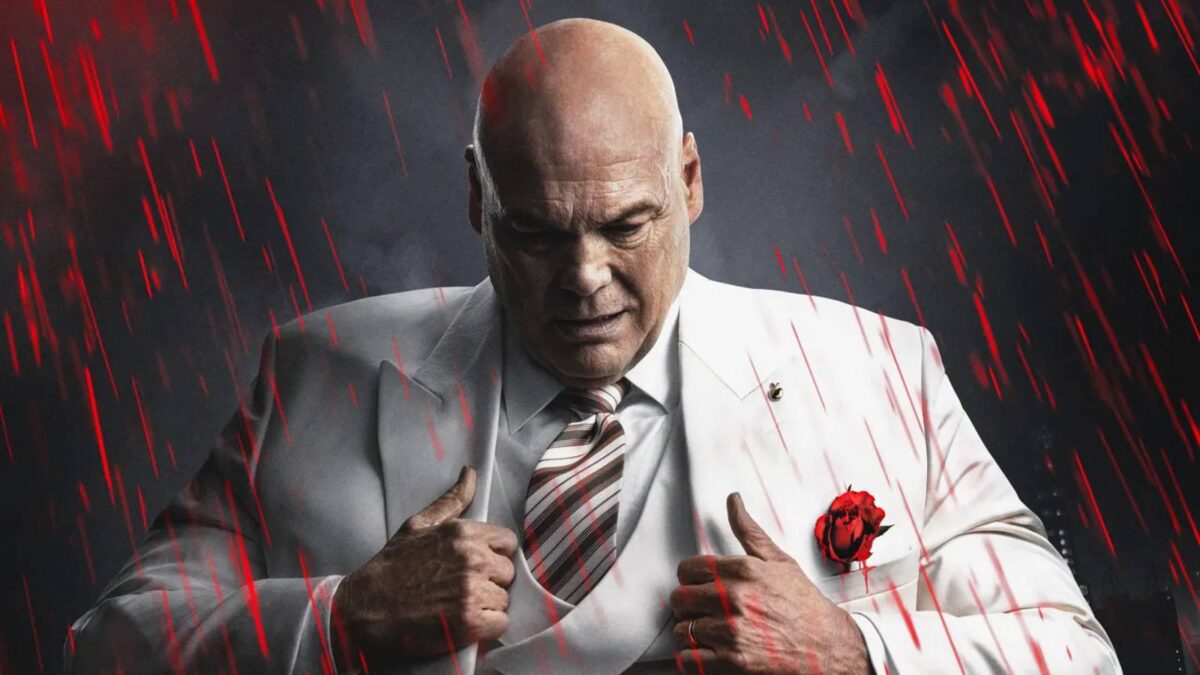
Born Again’ Showrunners Detail How the Media Ties into Season 2
Marvel is fast approaching the release of Daredevil: Born Again Season 2, marking its second live-action Disney+ show of 2026. Bringing back Charlie Cox's Matt Murdock and Vincent D'Onofrio's Wilson Fisk, this season picks up where Season 1 left off,…
Mar 23, 2026
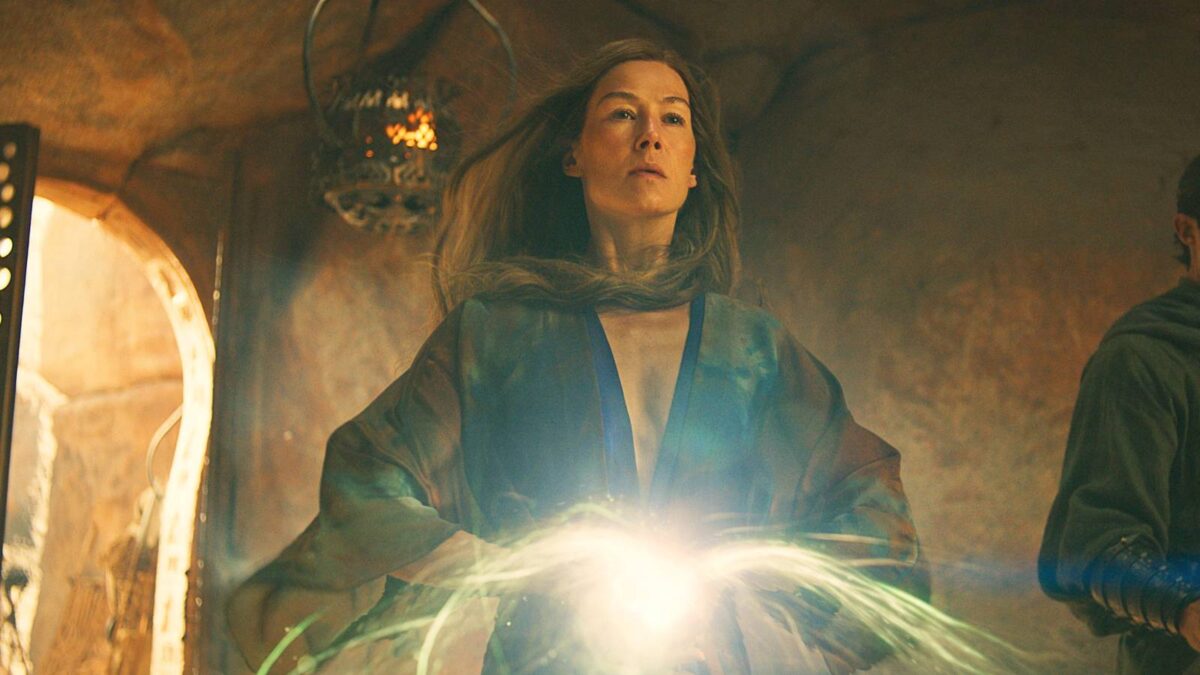
New ‘Wheel of Time’ Animated and Video Game Adaptations Are in the Works
Amazon might be finished with The Wheel of Time, but we haven't seen the end of the story when it comes to adaptations of Robert Jordan's bestselling high fantasy saga. Fans were left blindsided when Amazon abruptly pulled the plug…
Mar 22, 2026