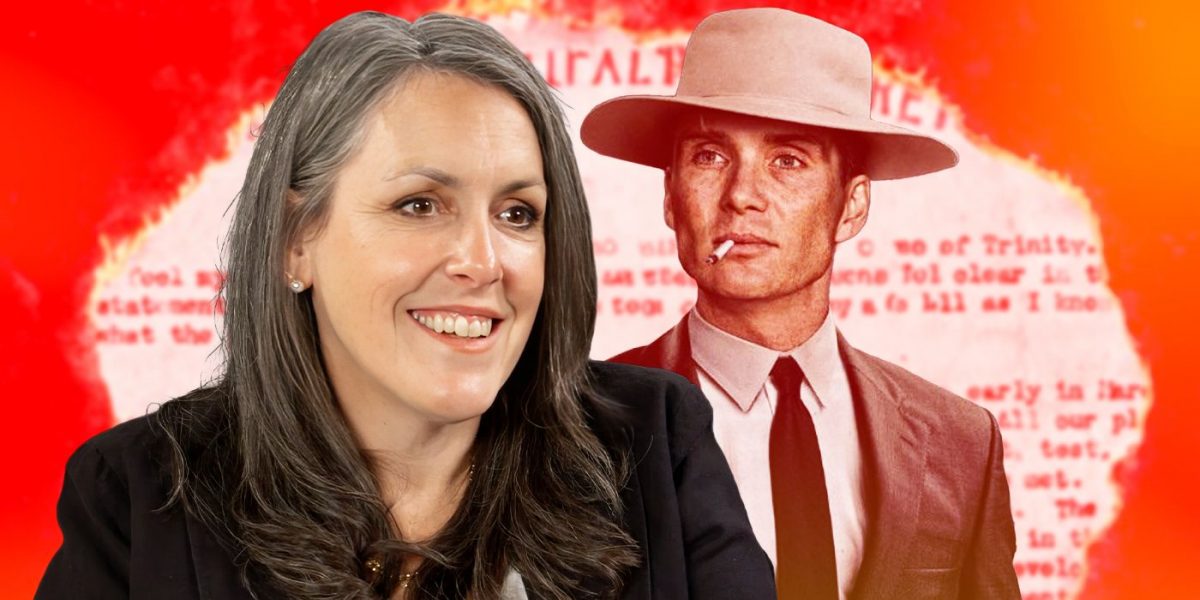
‘Oppenheimer’ Was Filmed on a Much Shorter Schedule Than You’d Think
Jan 2, 2024
The Big Picture
Perri Nemiroff sits down with Oppenheimer producer Emma Thomas to discuss the making of the film. During their conversation, Thomas explains why a shorter shooting schedule best suited the film, and how they went about making it possible. Thomas also discusses how she, Christopher Nolan, and the rest of the Oppenheimer team ensure that there are no bad days on set.
Powerhouse Hollywood Christopher Nolan and Emma Thomas have honed their filmmaking process to the point that, even a big movie like Oppenheimer, can feel as though it’s made in a very intimate way.
In an interview with Collider’s Perri Nemiroff for Oppenheimer’s home release, Thomas discusses precisely how they managed to accomplish that and ensure that “every dollar [they] spend is on the screen.” On top of that, Thomas also pinpoints the scene they feared would be the most difficult to pull off and why that wound up not being the case. She also emphasizes the importance of not trimming the edit below three hours.
To tell the story of J. Robert Oppenheimer, the “father of the atomic bomb,” not only did they enlist the talent of Cillian Murphy, Robert Downey Jr., Emily Blunt, and a massive ensemble of amazing actors, Nolan and Thomas also worked with masters of their crafts like frequent collaborators editor Jennifer Lame and cinematographer Hoyte Van Hoytema. During their conversation
Check out Perri’s conversation with Thomas in the video at the top of this article or in the interview transcript below.
Oppenheimer The story of American scientist, J. Robert Oppenheimer, and his role in the development of the atomic bomb. Release Date July 21, 2023 Rating R Runtime 181 Main Genre Biography
PERRI NEMIROFF: For your producing process, what is something that has stayed the same from Following to now, but then on the other hand, what is something that has changed based on the way the industry, filmmaking technology, and maybe even audience viewing habits have evolved?
EMMA THOMAS: Do you know what? I think we’ve pretty much stayed the same. It’s interesting, every film is different, which is what I love about the job. No year is the same from one year to another. No day is the same, one day to another. Every movie that we make, we’ve learned something about what we should do, what we shouldn’t do, and we’ve evolved our process over time. But ultimately, at its core, it’s kind of the same. It’s interesting. I feel like although we make pretty large-scale films, I think that most people would agree, who work on them, they feel like smaller movies. We keep it pretty small, the core group. We don’t have video village. The actors are mostly on set the whole time. It kind of feels a little bit indie even though we’re also doing crazy special effects and things like that. But then, in terms of the broader industry question, I actually feel that we’ve been very lucky that our films have been as successful as they have because we’ve been able to kind of stick to our guns in terms of what we believe.
Stay the same. We don’t get these classically beautiful blockbuster films — you two are kind of leading the charge with that right now.
THOMAS: Yeah, we’ve been incredibly lucky because if the films had not been as successful, I don’t think we would have been able to dictate our terms in that way. One of the things that I’m really pleased about with Oppenheimer’s success is that we’ve been hearing from the business that theatrical is over, kids don’t have attention spans, they’re not gonna go to the theater, you know, all of that – all nonsense. And Oppenheimer has proved, this summer has proved, that that’s not the case at all. People are absolutely just as interested in theaters, in seeing movies in theaters as they always have been. We just have to make the movies that they want to see.
How ‘Oppenheimer’ Was Made on a Mere 57-Day Filming Schedule
Image via Universal Pictures
So you brought up that this production, yeah, it’s a big-budget movie, but it’s got a more intimate feel to it. Is there anything that you see a lot of big-budget, maybe franchise movies doing in terms of overspending, where you would say, “If you pare it down and have less, it’s actually gonna wind up being more in the finished product?”
THOMAS: Well, I don’t know because I haven’t worked on those films, so I don’t know exactly how they do it, but I will say that when we map out how we’re gonna make the film, what we’re trying to do is make sure that every dollar we spend is on the screen. And also, sometimes the parameters that you are set or set for yourselves in terms of the way you’re gonna shoot the film leads to a certain magic when people have to sit down and say, “Okay, well, we don’t have X, but maybe we can do it in a different way, and then we’ll come up with Y.” And I think that sometimes that’s where true innovation happens is when you’re not just following the usual way of doing things just because that’s the way it’s done. You are having to be inventive, and that leads to magic.
Like making a movie this big on a 57-day shooting schedule. When I heard that, I was like, “No way!”
THOMAS: It was crazy.
For another production out there that might be sitting there thinking, “I want more days, I want more time,” why would you recommend a tighter schedule to get such a big movie done?
THOMAS: I think that the nice thing about making this film in 57 days was that the energy stayed high the whole way through. We’ve done movies that we had 128-day schedules on; it gets really old. People get really tired. The nice thing about a fast schedule is that it keeps it fresh. Everyone was excited to be there. But I also wouldn’t recommend a 57-day schedule unless you really have a plan for how you’re gonna do it, and we were very lucky that we had worked with Hoyte [Van Hoytema], our DP, before, and when Chris went to him and said, “Look, do you think we could do this?” Hoyte really thought hard, and then he sort of adjusted his working methodology in order to make it work. We only had one camera. He did much of it handheld, which is crazy, by the way, when you’re talking about an IMAX camera. So yeah, that was great. And also, our actors don’t spend much of their time in their trailers because we don’t give them big trailers. We give them crappy little trailers, and so they tend to then want to be on set because there’s no reason to be back at base camp. That also lends itself to a fast shoot.
‘Oppenheimer’ Producer Pinpoints the Key to Successful Filmmaking
Going into filming, which scene did you think would be most challenging to pull off, and then ultimately, was that indeed the case or did a different scene wind up catching you all by surprise?
THOMAS: Oh, gosh. [Laughs] You never see the one that’s gonna get you. Ever. I’ve made enough films at this point that I know that. I think that the scene that I thought was gonna be the hardest probably was the Trinity test. I was really nervous about how that was gonna be because we were shooting it out in the desert in this vast area, and, you know, night [is] never fun. But because we all were so focused on the difficulties of that, it went very well. You know, there were really no scenes that were bad, though, on this. Everything went so great. We got so lucky.
Not lucky! That’s what happens when you’re well-planned, and you surround yourself with the right people who are there for the right reasons.
THOMAS: And who are also willing to shift if they have to. You can’t be so locked in on doing things a certain way because life will serve you up a whole different scenario and then you have to throw it all up in the air and do something different. And I think that that’s the key to successful filmmaking is having a plan for every scenario, but also being willing to improvise on the day if you have to.
Why ‘Oppenheimer’ Couldn’t Be Shorter Than 3 Hours
Image via Universal Pictures
We’ve been talking a lot about the “big” of this movie, but I know that you and Chris are also very detail-oriented. Can you pinpoint a tiny detail in this movie that isn’t spoken about or front-and-center in a frame that you knew was important to include? Something that we don’t necessarily identify, but we can feel informing the movie and building atmosphere?
THOMAS: For me, there are many, many performance aspects actually that fit that bill. We knew it couldn’t be longer than three hours because we wanted to put the film out on IMAX.
Meanwhile, I have a feeling a lot of people out there are sitting there thinking, “Three hours sounded long, but now I could have watched more!” [Laughs]
THOMAS: Yes, three hours is long, and I wasn’t very happy about that when I first read the script, let me tell you, but we knew that it had to be three hours because of the IMAX platter. We couldn’t go any longer or it wouldn’t have fit. I think the first time we watched the film it was probably about three-and-a-half hours and from that point on, they just had to pull stuff out. They didn’t cut whole scenes. They just trimmed and trimmed and trimmed. When we got to around three hours, I’m sure that we could have gone further. I’m sure that Chris and Jen [Lame] could have cut probably another five or 10 minutes out, but I’m really glad that they didn’t because I think that there are – I’m not gonna call out any specific ones – but there are so many tiny performance details, like looks. Downey does some amazing looks, particularly in that last sequence where you can just see everything that’s going on in his head. Yeah, it’s just incredible, and I think any tighter and we would have lost those depths.
Looking for more Oppenheimer conversations? Catch Perri’s interview with Christopher Nolan below:
Oppenheimer is available to buy or rent on digital platforms.
Watch Here
Publisher: Source link




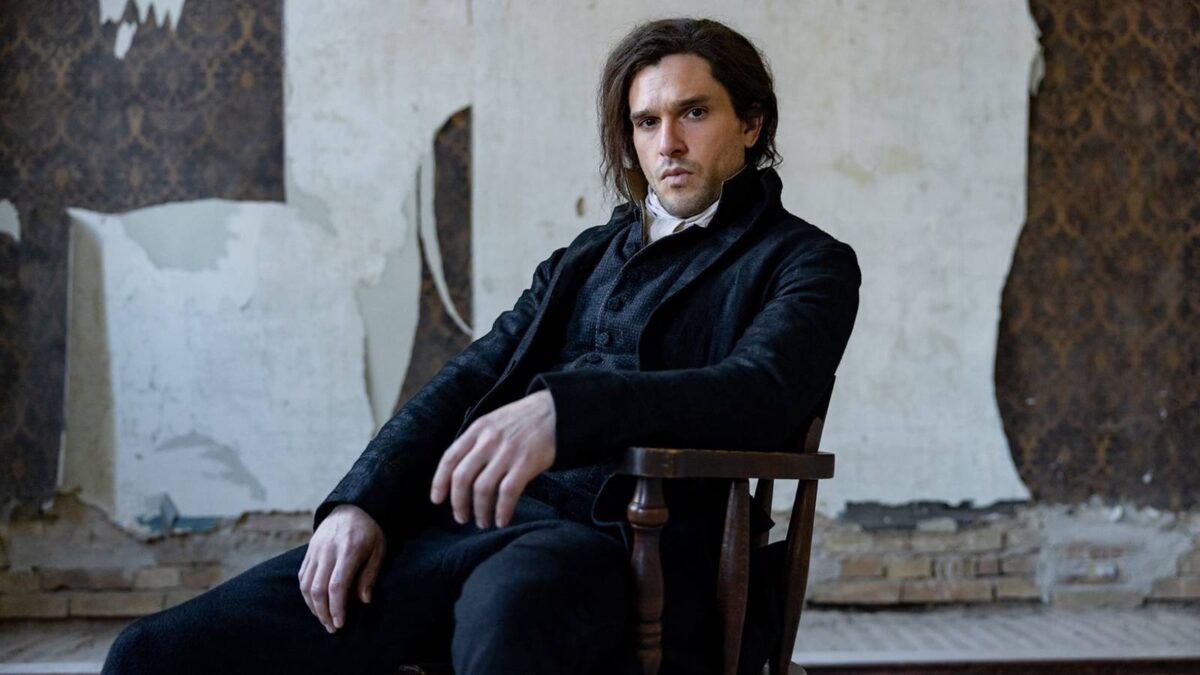
‘A Tale of Two Cities’ First Look Reveals Kit Harington in MGM+ Series
The BBC and MGM+ are teaming up with a new four-part limited series adaptation of Charles Dickens' classic 1859 novel A Tale of Two Cities. Game of Thrones veteran Kit Harington will play Sydney Carton, a cynical English lawyer who…
Mar 26, 2026
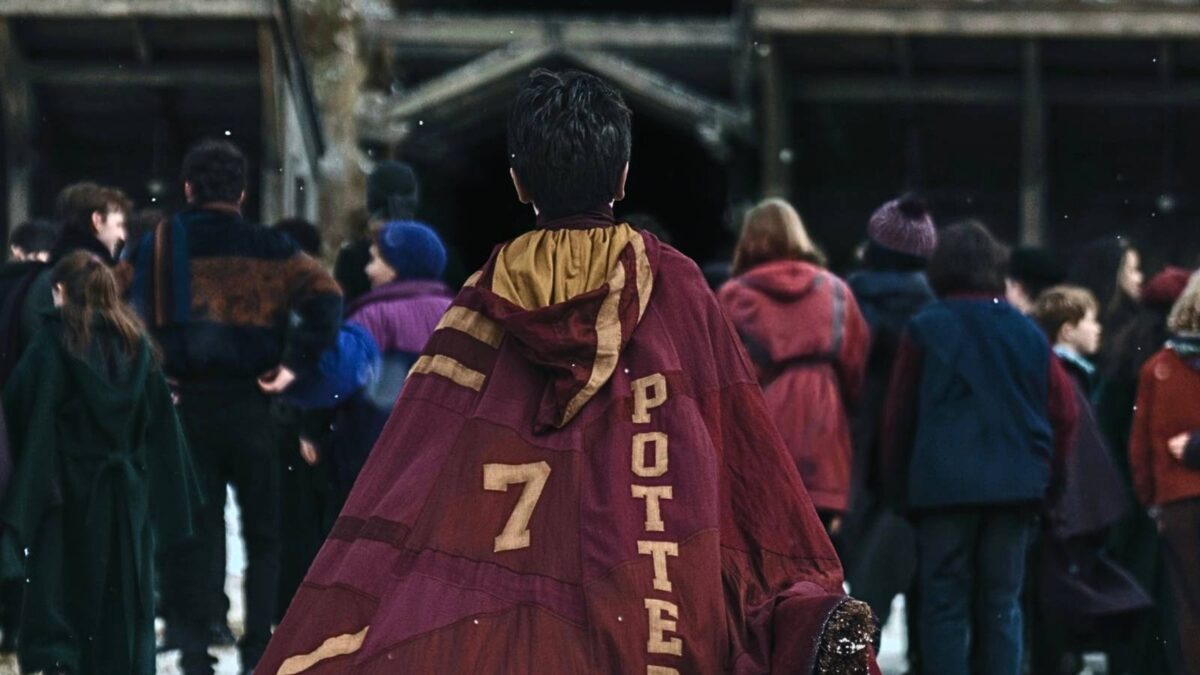
HBO ‘Harry Potter’ Series Image Reveals Dominic McLaughlin in Title Role
The first official look at HBO's upcoming reboot of Harry Potter has finally arrived, and it is already teasing a magical trailer release. As we inch closer to the show's expected 2027 release, the network has begun to reveal more…
Mar 25, 2026
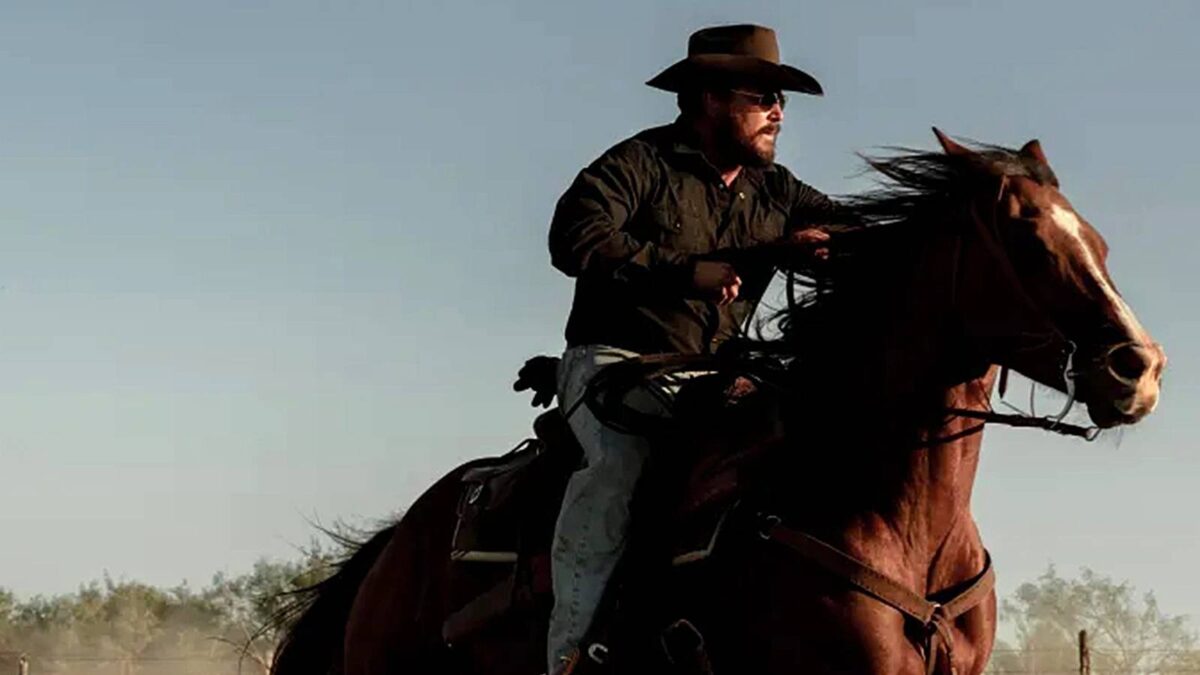
‘Dutton Ranch’ Trailer Reveals ‘Yellowstone’ Sequel Release Date
Rip Wheeler and Beth Dutton gamble everything on a new life in South Texas in the first trailer for the Yellowstone spin-off, Dutton Ranch. The footage reveals all manner of gun fights, fist fights, explosions, galloping horses, and even mysterious…
Mar 24, 2026
Born Again’ Showrunners Detail How the Media Ties into Season 2
Marvel is fast approaching the release of Daredevil: Born Again Season 2, marking its second live-action Disney+ show of 2026. Bringing back Charlie Cox's Matt Murdock and Vincent D'Onofrio's Wilson Fisk, this season picks up where Season 1 left off,…
Mar 23, 2026