Orlando Bloom Takes A Hit In A Physically & Psychologically Taxing Sports Drama
Sep 9, 2024
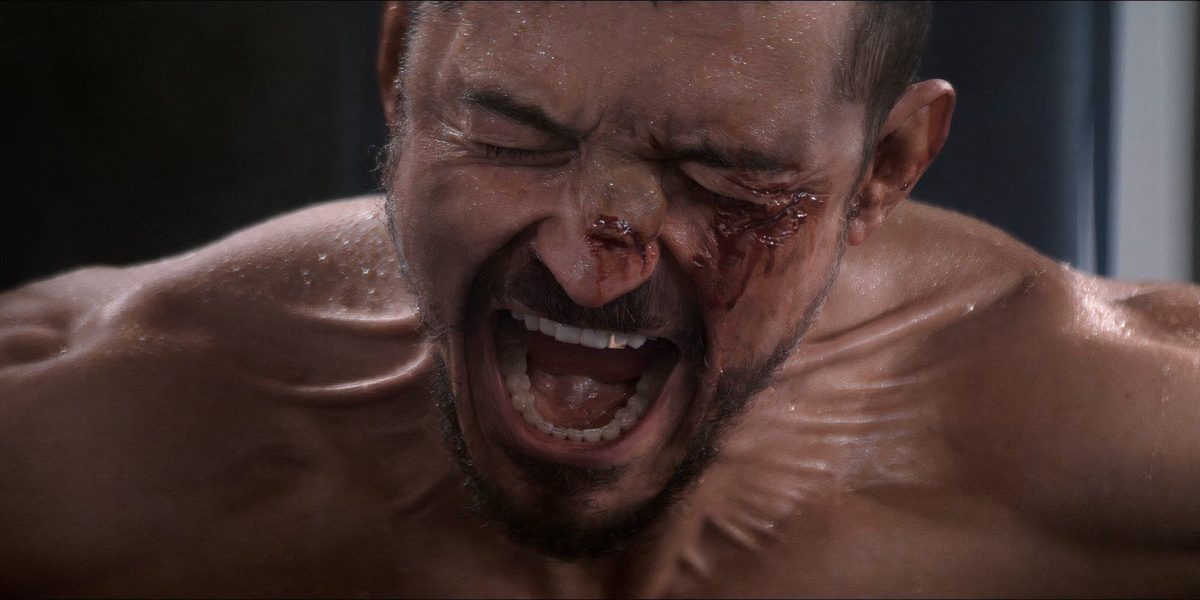
The Cut is a heavy film. From the opening scene, which sees the Boxer (Orlando Bloom) in a brutal boxing match, the film is already layered with intensity. He loses the fight after a devastating cut to his eye and director Sean Ellis fast-forwards to ten years later. With that one scene setting the stage, it was only a matter of time before Boxer’s trauma would come around, gripping The Cut so hard without easing up. This overreliance on Boxer’s trauma — aided by multiple flashbacks to his childhood and relationship with his mother (Clare Dunne) — was taxing.
Written by Justin Bull from a story by Mark Lane, it’s a gut-wrenching look at a destructive boxer who can’t let go of his shot at the ring one last time, even if that means pushing himself to the edge. The film focuses on Boxer’s psychological and physical struggle to get to 154 pounds, a struggle only a week before his match in Las Vegas. Aided by his tough yet patient wife/coach Caitlin (Caitriona Balfe), and new coach Boz (John Turturro), The Cut is not your average sports drama and, despite some of its low points, gets in a few good punches.
The Cut’s Biggest Strength Is Its Focus On The Boxer’s Destructive Behavior
The cast’s performances are top-notch, elevating that sense of destruction
The Cut is not about winning, and Ellis smartly doesn’t show Boxer’s match at the end, instead focusing on the hurt Boxer has caused. The story is the opposite of the feel-good sports drama that is fixated on the athlete’s journey to win after a major setback early on. When Caitlin, knowing how stubborn and emotionally withholding her partner can be, asks Boxer why he’s so set on making weight, he says that it’s a hunger he can’t shake. What he also can’t shake is his traumatic past; it weighs on him like heavy metal that’s unwilling to bend.
Bull’s script even goes to show how abusive and vicious behavior from a hard-to-please coach like Boz is not something to be praised. Every time Turturro’s character lays into Boxer — calling him weak and putting him through one grueling exercise after another (sometimes aided by drug use) — I winced. Boxer’s willingness to do everything, including the act that gives the film its title, is not applauded by Ellis’ directorial choices. We’re meant to want to internally shout at Boxer to stop the torturous cycle he’s got going with Boz.
When
The Cut
is focused on [Boxer’s] downward spiral, the drama is effective.
Caitlin is the voice of reason, and her treatment by Boz is nothing short of atrocious and disrespectful. They’re opposites, too, and The Cut underscores how support and knowing when to stop are good things. We’re often taught that quitters are losers, a word Boz throws at Boxer multiple times, and the film highlights how unhealthy that is. We should know when to quit and when to stop pushing our bodies beyond what they can handle. It’s a lesson Boxer learns the hard way, as he’s fueled by a warped desire to prove himself over acknowledging physical and mental boundaries.
When The Cut is focused on his downward spiral, the drama is effective. Every decision he makes is another step-down, and the physical stress he allows Boz to put him through is often horrifying to watch. Bloom’s role is physically driven, and he puts in solid effort to showcase the bodily exhaustion he feels and the cycle of trauma he’s trapped in mentally.
Turturro plays Boz with a savagery that effectively conveys his uncaring nature. He’s driven by winning the same way Boxer is, though he’s much more openly aggressive and cruel in the way he handles his clients. Balfe is fierce as Caitlin. She’s simultaneously supportive and a fighter. Her verbal spats with Boz are a treat, and she’s honestly the character who best balances strength and emotional maturity.
The Cut’s Central Point Is Undermined By The Amount Of Trauma
While the point of the film is excellent, The Cut has a bit too much trauma. It’s like the writers wanted to throw everything at Boxer and see if he could survive it, but it’s a lot. There are far too many flashbacks. After a while, their only purpose becomes to pile onto Boxer, as though having an abusive mother wasn’t enough. There’s also a subplot involving Lupe (Mohammed Mansaray), another of Boz’s clients, that gets really dark. I’m not sure if its conclusion was a part of Boxer’s hallucination or not, but I suppose that is the point.
The film is ultimately filled with so much pain that even I felt like caving under its pressure. And while some of the directorial choices and cinematography are nothing to write home about, I liked what The Cut was trying to say and, for much of it, the way it said it. Its subversion of what we’ve come to expect a sports drama to be is great, and the ending is powerful. Its excessive flashbacks and need to keep adding to Boxer’s hopeless backstory are unnecessary. He’s a sympathetic and frustrating character regardless.
The Cut had its premiere at the 2024 Toronto International Film Festival. The film is 99 minutes long and not yet rated.
Publisher: Source link



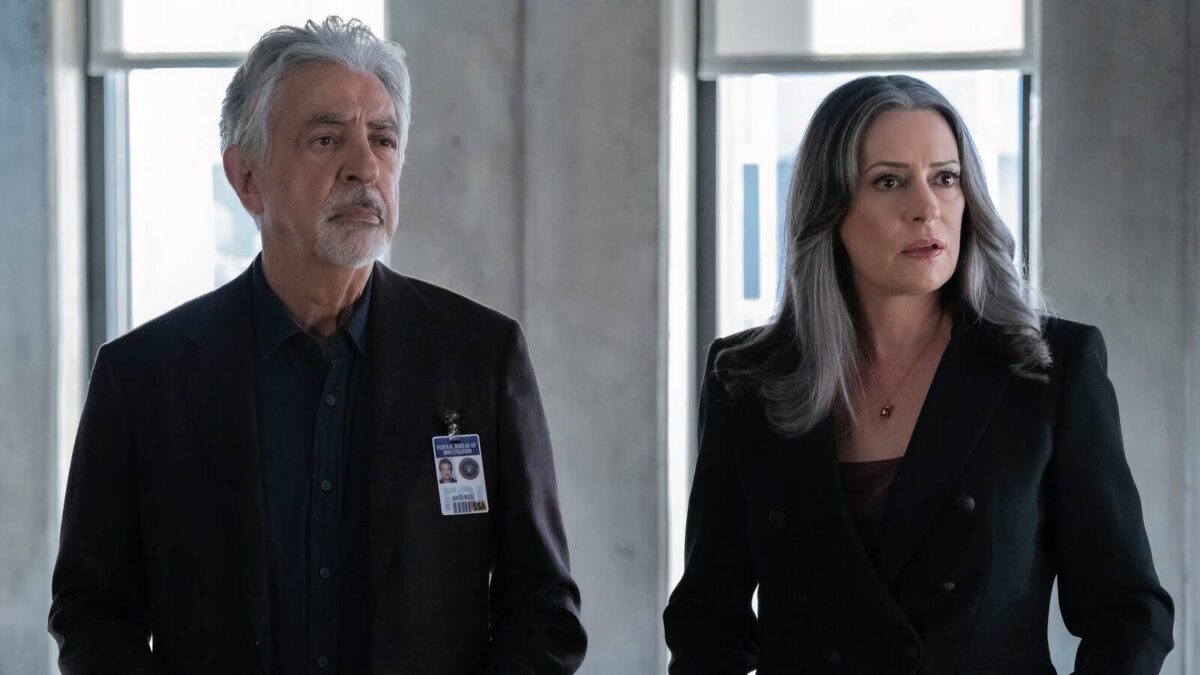
Paramount+ Renews ‘Criminal Minds: Evolution’ for Season 19
The start of its new season is still weeks away, but fans of Criminal Minds: Evolution won't have to wait that long to learn the fate of the long-running hit crime procedural. Execs at Paramount+ have already decided what the…
Mar 27, 2026
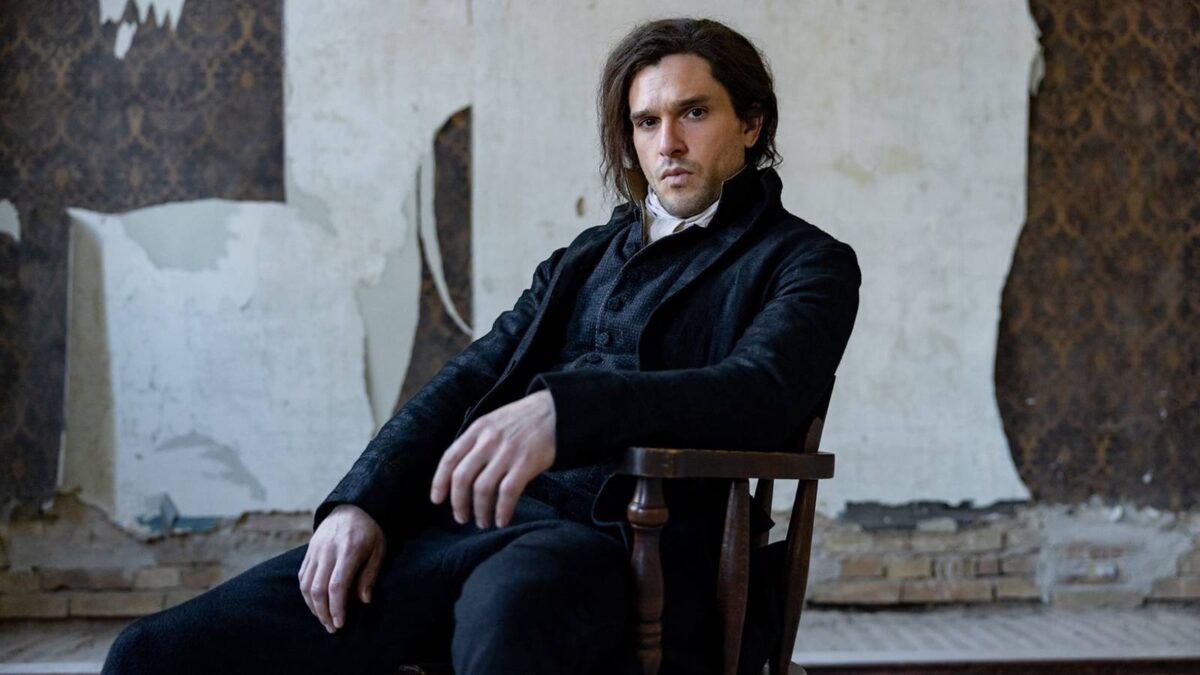
‘A Tale of Two Cities’ First Look Reveals Kit Harington in MGM+ Series
The BBC and MGM+ are teaming up with a new four-part limited series adaptation of Charles Dickens' classic 1859 novel A Tale of Two Cities. Game of Thrones veteran Kit Harington will play Sydney Carton, a cynical English lawyer who…
Mar 26, 2026

HBO ‘Harry Potter’ Series Image Reveals Dominic McLaughlin in Title Role
The first official look at HBO's upcoming reboot of Harry Potter has finally arrived, and it is already teasing a magical trailer release. As we inch closer to the show's expected 2027 release, the network has begun to reveal more…
Mar 25, 2026
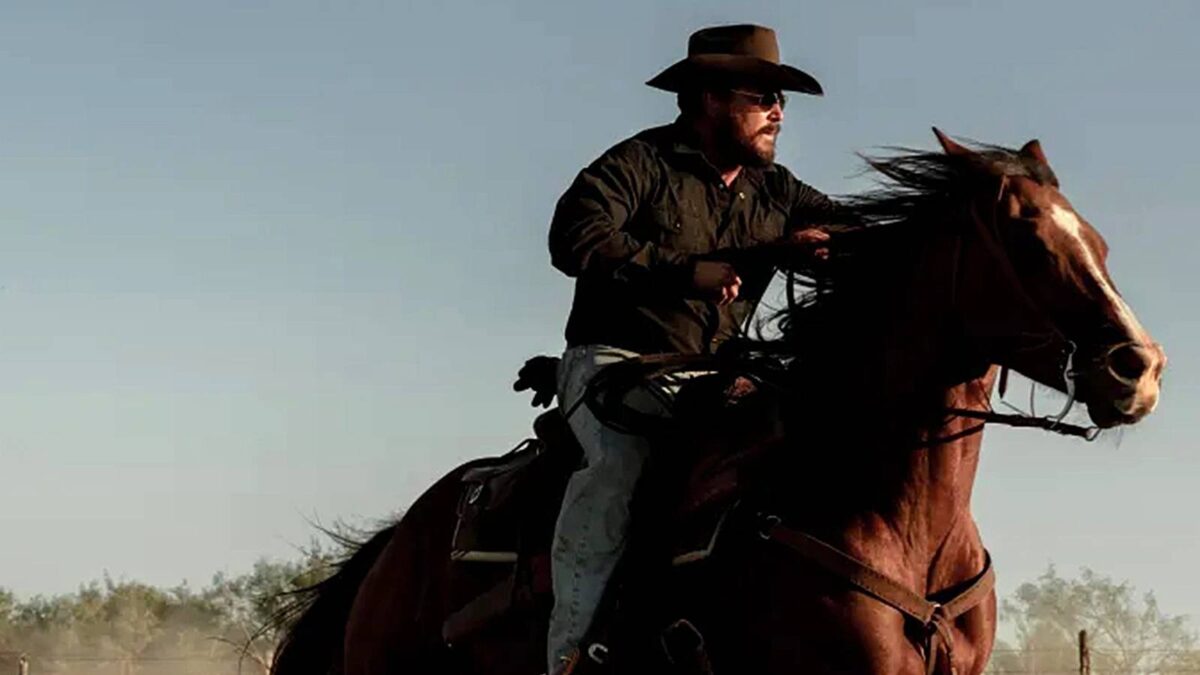
‘Dutton Ranch’ Trailer Reveals ‘Yellowstone’ Sequel Release Date
Rip Wheeler and Beth Dutton gamble everything on a new life in South Texas in the first trailer for the Yellowstone spin-off, Dutton Ranch. The footage reveals all manner of gun fights, fist fights, explosions, galloping horses, and even mysterious…
Mar 24, 2026