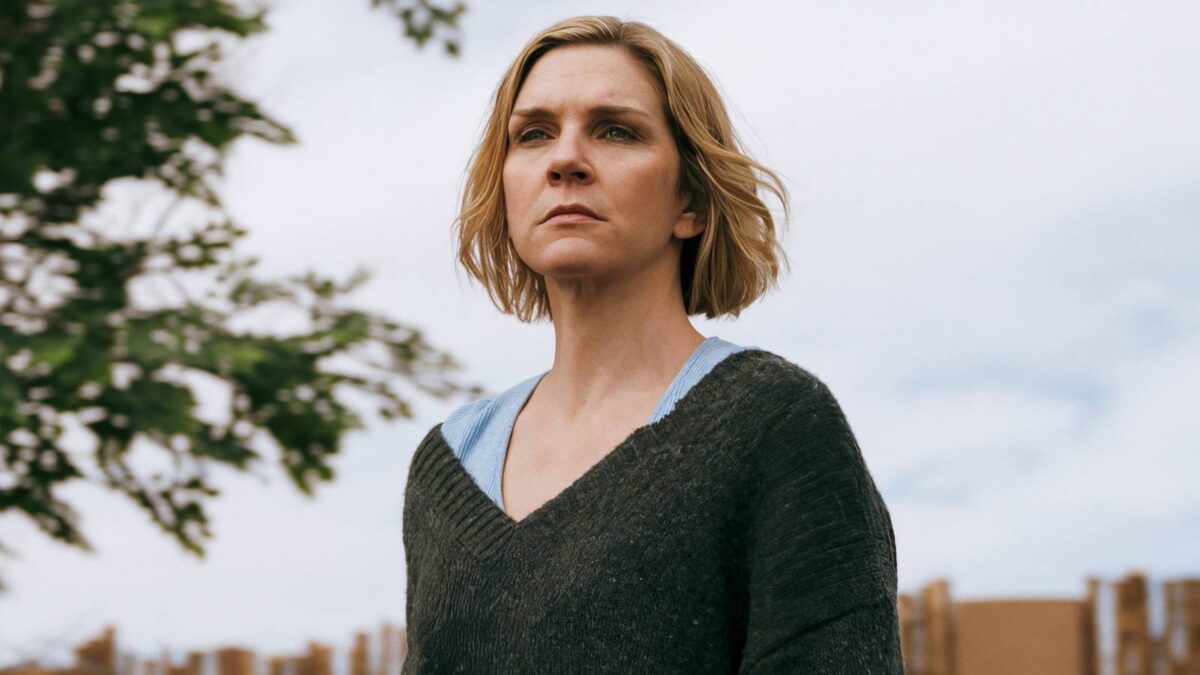
‘Pluribus’ Star Rhea Seehorn Reflects on Filming the Premiere’s Terrifying Night Sequence With “Over 300 People”
Nov 9, 2025
Editor’s note: The below interview contains spoilers for Pluribus Episodes 1 & 2. When it was first announced that Better Call Saul co-creator Vince Gilligan would be reuniting with one of his stars, Rhea Seehorn, on a new series for Apple TV, no other details felt necessary. Now that the first two episodes of Pluribus have dropped, it’s beyond evident that Gilligan and Seehorn have made magic once again — only this time, it’s in a completely different genre. It doesn’t take long for Pluribus to reveal its main premise over the course of its two-episode premiere; after discovering that a strange, recurring deep-space signal contains an RNA sequence, the military’s attempts to recreate it lead to unexpected contamination that spreads quickly — linking every surviving person on Earth together with a “psychic glue” that allows everyone to access each other’s memories, knowledge, and skills. Carol, however, finds herself immune to this “joining,” along with 12 other people across the globe, and struggles to understand what makes her different in a world where everyone seems happier than they were before. Ahead of Pluribus’ premiere, Collider spoke with Seehorn about the show’s first two episodes, the experience of filming that terrifying night sequence, Carol’s complicated feelings for Zosia (Karolina Wydra), and more. COLLIDER: I’ll confess that I did my best not to look into too much about what the show was about before I started watching, because I was like, “In Vince we trust. I’m here for whatever ride he’s going to take us on.” RHEA SEEHORN: He would love that. Did you have a similar response when he came to you with the idea for this show? Were you on board regardless of what the premise or the role was? SEEHORN: As soon as he said, “I wrote something for you, if you’re interested,” I was like, “First of all, obviously I’m interested,” and “Second of all, yes!” He said, “Well, I’m not ready to give you the script yet. I’ll send it to you soon,” which was a month or so later. He said, “You can wait and read it and then think about it and have some time.” I was like, “No. The answer is yes.” Whatever car he’s building, I’m getting in. I don’t care where we’re going.
Rhea Seehorn Was “Blown Away” After Reading the First ‘Pluribus’ Script
“Holy smokes, what a ride.”
Rhea Seehorn’s Carol looking seriously over her shoulder in Pluribus
Did he give you an elevator pitch at all? SEEHORN: No. I didn’t even get the tagline that you guys get now. I had nothing. He said there was a psychological, sci-fi element to it, which I was like, “Oh, that’s cool.” Because he did X-Files, which I loved and was obsessed with. I haven’t gotten to do much sci-fi, but I love sci-fi, so that piqued my interest. Then, when I read it, I was just blown away. It’s just so, so utterly unique and crazy and bonkers, and all these tropes he’s playing with, and then turning them on their heads a little bit, and these wild swings in tone, from, funny to dramatic, like gut-punch, wrenchingly upsetting, psychological, suspenseful, scary sometimes, a very physical show, and then back to hilariously funny, all in the pilot. I was just like, “Holy smokes, what a ride.” Starting with the first episode, we see the mysterious origins of this whole phenomenon, and it also unfolds for Carol and Helen in real time. Do you recall how many nights it took to shoot that whole sequence? SEEHORN: I know it was more than other episodes, because of the many, many demands on it, including you constantly see exterior nights in that. When you see exterior nights, that’s a night shoot, which limits the number of hours that you’re going to be able to shoot, sundown to right before dawn, when it starts changing the light in the sky. Then you’ve also got all of these tremendous background people from Albuquerque and different parts of New Mexico. Instead of using any CGI, where Vince could duplicate people in post-production and have this movement be synchronized, he had this incredible choreographer named Nito [Larioza] who had separate rehearsals with these people to decide with Vince, “What do the convulsions look like? What do the seizures look like?” Somebody said to me the other day, one of the journalists who watched that tavern scene, they were like, “It’s extraordinarily unsettling.” And I said, “I wonder if part of the unsettling thing that Vince intended for is that it is not totally sleek.” It is not computerized. It is not exactly synced, because these people stay in their regular physical bodies. It’s just the mental part that changes. So, if the person had a limp before, or a strange way of walking, or if this person is more limber than that person, their convulsions and the way they’re experiencing this are different. They’re not synced. So, that also takes a tremendous amount of time, take after take after take. Now we’ve got to figure out where to get the cameras, because they need to capture all of this, sometimes in very tight spaces. You’ve got stunts going on and a truck wrecking, and the brilliant Miriam Shor playing Helen. She’s doing the convulsing, and then her awesome stunt double has got to come in and do the fall back. There was just a lot going on at all times. The driving night of hell, going up to the hospital, where we got snowed out one night — not safe to drive vehicles at all. We had to trash the whole night. It takes a while. It was very physical. It was quite the rocket ship into, “Hi! Welcome to production. We’re getting started now.” But I’ve seen the pilot, and I’m so proud. I’m proud of myself, but I’m so proud of what the crew did. I watch it and I go, “Oh my God.” Over 300 people were making that every night.
‘Pluribus’ Star Rhea Seehorn Explains Carol’s Complicated Feelings for Zosia
“She’s got this real push-pull attraction and repulsion going on…”
Rhea Seehorn and Karolina Wydra in Pluribus Episode 2Image via Apple TV
One of the relationships in the show that is so fascinating to me is Carol and Zosia, who’s played by the terrific Karolina [Wydra]. Why do you think Carol feels this pull to her? There’s obviously that resemblance to Raban, but do you think Carol can even articulate why she’s drawn towards this individual over others? SEEHORN: I’m not sure she’s digging very deep in the beginning. She’s barely getting one foot in front of the other. So much is just being thrown at her, and she’s having to grasp at straws and guess at what the hell is going on. Karolina Wydra is brilliant in a deceptively difficult role. I watched her have to dig deep to dial in with Vince and other writers and directors, as well, of, “What do the others behave like? This smile of contentment cannot be a creepy smile. It also can’t be, ‘I’m on Valium,’ the whole time.” But she’s not a robot. She is listening. She is a sentient being. She cannot reciprocate or mirror my emotions because they live on this higher plane of not feeling this misery or pain, and yet they have compassion for me, so what does that look like? Not only as a human, but as an actor, that’s our biggest tool in our bag, usually, is to listen and react and to follow the scene where it’s going, and she couldn’t, and she had to navigate that. She did it so beautifully with all these little nuances. You’ve got to squish the dynamics of what you’re allowed to show. I think there are some very practical things Carol’s having a real push-pull with. Even though all of them collectively would have her wife’s memories in their head, what Carol’s being presented with in the moment is this woman representing that, this Zosia person, [and] that’s infuriating, that they have sent to her on purpose. At once, any thought that she might have had that she still has any privacy is gone in a moment, because as soon as she knows that they know that she originally wrote Raban as a woman and that she is gay, when she was professionally not out, it leads her to all these other feelings of, like, “Everything you ever hoped was private, unless you did it literally alone your entire life and never, ever told a soul, they all know it.” They have everybody’s memories, which to her sounds like being in hell, that you couldn’t hide things you’ve done that you hope nobody finds out about. And then your loved one, that they would be saying, “Do you want us to tell you how much she loved you?” What’s so painful in that moment is secretly, “Yes. Yes, but not out of your mouth.” She’s got this real push-pull attraction and repulsion going on, in addition to them purposely sending this phenomenally gorgeous woman in the package of Karolina Wydra, who’s one of the most beautiful women I’ve ever seen in my life. It’s got all that going on, but then she keeps getting put in positions where the other 12 people that she thought would rally with her want nothing to do with her. To get on that plane and go back, I think part of her is like, “I refuse to let Diabaté collect women like they’re playthings. How dare you?” And another part is like, “I know she’s not a totally individually conscious friend of mine, she’s not really my ally, but I’ve got nothing. I’ve got nothing. I’m going to go back to being not only utterly alone emotionally.” I don’t think Carol is ready to admit how scary that is. It’s also, “How am I going to get information? At least this woman was able to get me the plane and tell me that there were 12 others like me. I don’t know how else I’m going to get any information.” Even though she does represent the all, she’s the only person that Carol is like, “I have to talk to somebody. I have to trust somebody. I don’t know what else to do.” Then, I think probably the third part of that is — let’s face it, I know I have grieved someone close to me, and if you ever have, it’s this state of temporary insanity where, often, you’d rather be doing anything else. So I think if they had told her, like, “You need to learn how to be a brick mason and build a building,” she’d be like, “Yes. Thank you. Yes, please. Somebody give me a job, because I definitely don’t want to go sit with these feelings.”
Publisher: Source link




Wuthering Heights Review | Flickreel
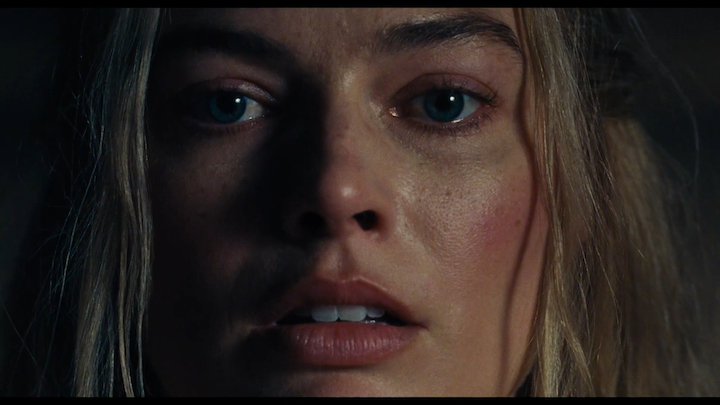
As far as adaptations go, I’ve never viewed any source material as sacred, including The Bible. While a faithful adaptation is always welcome, I’m open to a filmmaker leaving their signature on a classic story, especially one that’s been told…
Mar 17, 2026

Amy Adams Sinks In Vapid, Misguided Alcoholism Drama By ‘Pieces of a Woman’ Director [Berlin]
For a solid decade, starting in the late 2000s with Disney’s charming fairytale comedy “Enchanted” all the way to Denis Villeneuve’s melancholy sci-fi “Arrival,” it was easy to trust Amy Adams, a six-time Academy Award nominee. Then, somewhere around Ron…
Mar 17, 2026
Mason Gooding & James Van Der Beek’s Bad Night Is Aggressively Dull
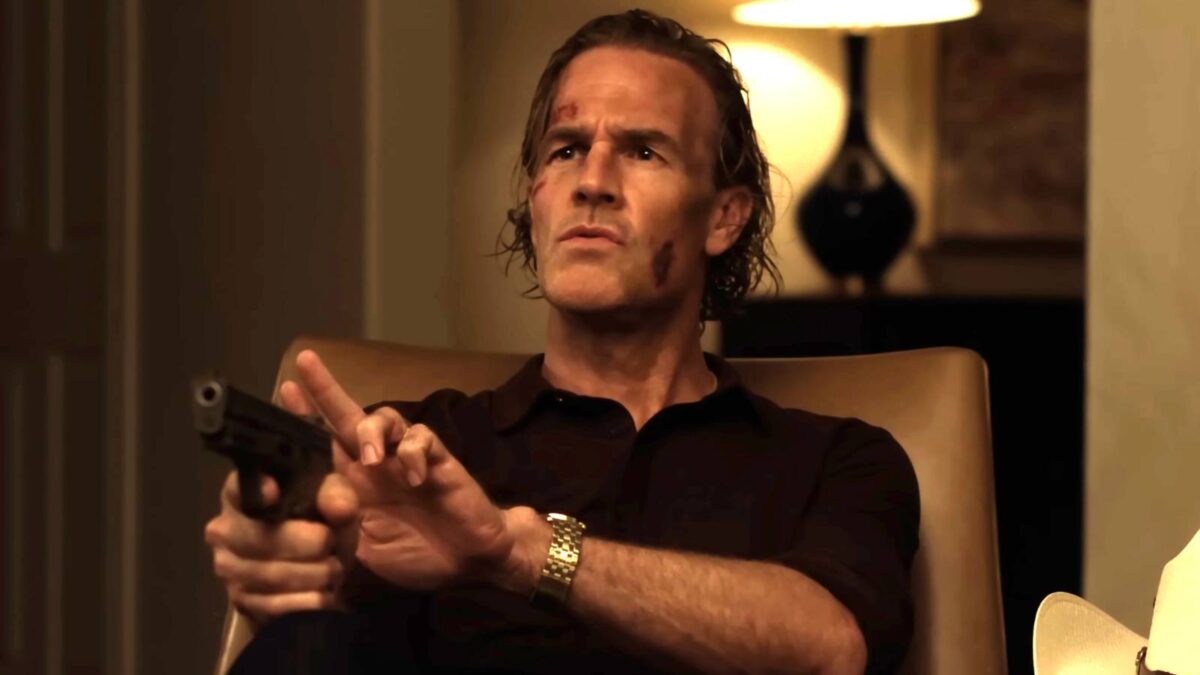
Ever since the Scream franchise helped put him on the map, Mason Gooding has been a great talent to watch. The genre-bending slasher Heart Eyes is still his best non-franchise role yet, but he's also branched outside of horror in…
Mar 15, 2026
A Grumpy Nick Offerman Keeps This Fish Tale Swimming Along
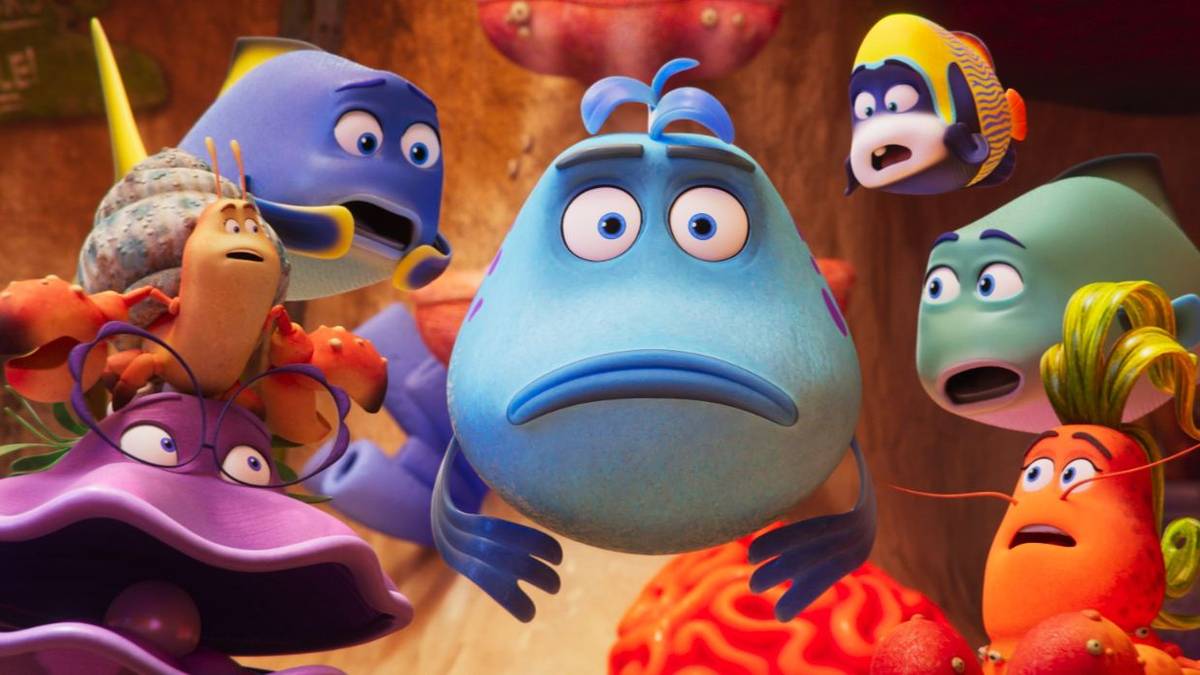
Animated fish films have been done. Finding Nemo. Shark Tale. Ponyo. So to hear about another doesn't feel like anything new. However, The Pout-Pout Fish, starring Nick Offerman as a grumpy ocean pout named Mr. Fish, is a little different.…
Mar 15, 2026