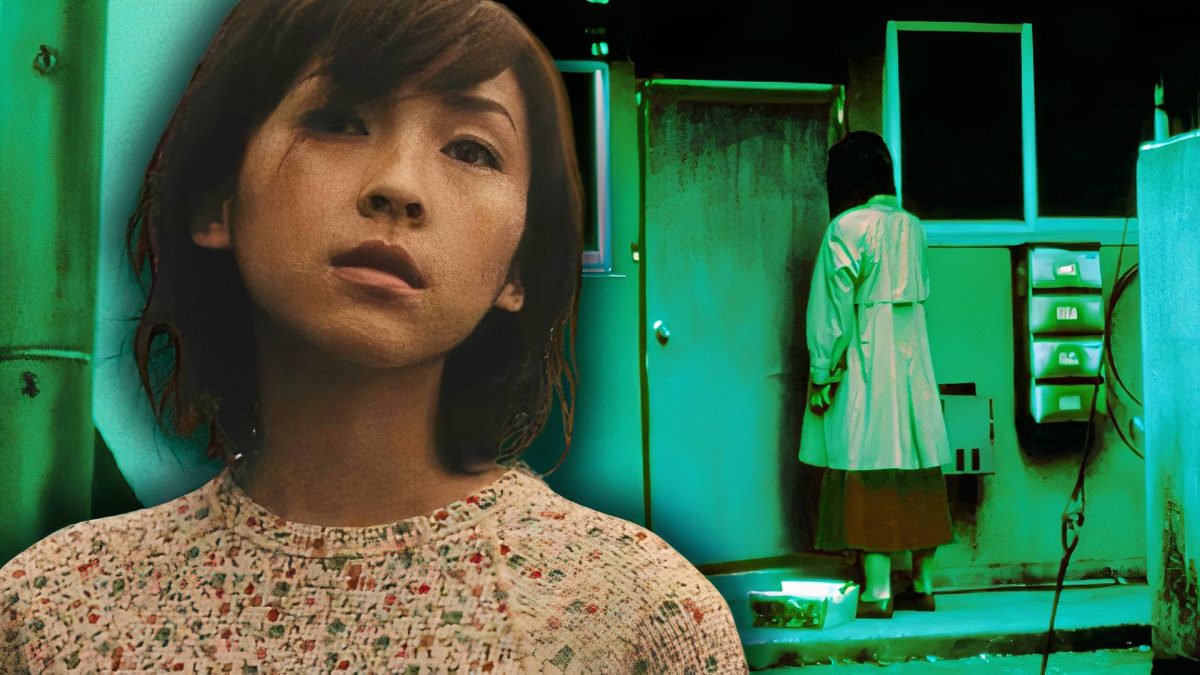
Pulse Is the Loneliest Horror Movie of All Time & It’s Streaming on Max
Sep 15, 2024
Quick LinksPulse (Kairo) Plot and Cast Why You Should Watch Pulse
In the world of streaming, many equate Max with the utmost quality programming, with the history of HBO behind their catalog offering some of the most revolutionary television. This has extended to their movie selection. This makes the recent addition of Pulse (Kairo) a pleasant yet not unexpected addition to their catalog. The horror movie is exemplary of the best and most sophisticated the country has on offer, exploring themes of loneliness and isolation to push terror into uncomfortable yet familiar territory.
We will look at the landmark Japanese horror movie, the mand behind the work, and how it brilliantly dwells on uncomfortable themes and emotions to make a lasting impact. For those who are uncomfortable with the discussion of suicide and depression, please proceed with caution or check out another article.
Pulse (Kairo) Plot and Cast
While the plot of Pulse is complex and open to interpretation, it largely focuses on two parallel storylines of college-age students coming across a malevolent entity that is transmitting disturbing imagery through computer screens, appearing in real life, and affecting their emotions. One group of college students is investigating the mysterious disappearance of a colleague. At the same time, one student who is not-so-tech-savvy seeks out help when his computer starts showing him disturbing imagery of others. As the movie progresses, various people end up encountering a force that haunts them which pushes them to suicide.
“Ghosts won’t kill people… because that would just make more ghosts. Isn’t that right? Instead, they’ll try to make people immortal by quietly trapping them in their own loneliness.” Harue Karasawa in
Pulse (Kairo)
The main Japanese cast consists of Haruhiko Katô, Kumiko Asô, Koyuki, Kurume Arisaka, Masatoshi Matsuo, and Shinji Takeda. All of whom have gone on to have modest careers in the Japanese film industry, but Pulse still exists as their most notable role to date, specifically to a Western audience; though some may recognize Koyuki for her roles in The Last Samurai, and Netflix’s Sanctuary.
Director Kiyoshi Kurosawa has been working since the ’70s, starting with a series of short films. Pulse ended up being Kurosawa’s major breakthrough to a Western audience and remains his most well-known work, though he has seen acclaim for other works in both horror and drama, including Seance, Doppleganger, Cure, Tokyo Sonata, Creepy and Journey to the Shore, to name a few.
The Loneliness of Pulse
Capturing the essence of loneliness is key to the horror of Pulse, and the production does this in various ways. The most obvious is in how much of the horror takes place in smaller spaces, apartments of users, with the dim screen being their portal into another world. This shocking imagery is particularly notable in the story of student Ryosuke who, from his confined bedroom, is unwillingly shown visions of many around Japan living an isolated and depressing existence. The world is visually bleak, and the bustling cityscape of Japan is hardly ever shown. Instead, we see the country through a series of smaller rooms, school classes crowded with computers, and social spaces largely vacant; the very world that the film takes place in feels lonely with its lack of life.
Images of suicide (hanging, jumping from great heights) are as, if not more, shocking than the appearance of ghostly apparitions. Every character introduced in the film is capable of falling into an inescapable despair in their already confined existence with only a few friends by their side. This is also heightened by the existence of an ‘online culture’ feeding the sensation of loneliness by showing the somber existence of others rotting away in their homes due to mental malaise. While Pulse is now outdated in the technology it shows, its themes around the potentially isolating relationship with technology still resonate decades later, maybe even more so than on its initial release.
“The spirit, or consciousness, the soul, whatever you want to call it, it turns out the realm they inhabit has a finite capacity. Whether that capacity accommodates billions or trillions, eventually it will run out of space. Once it’s overflowed to the brim, it’s got to overflow somehow, somewhere, but where?” Yoshizaki in
Pulse (Kairo)
There are also some less pronounced elements that exemplify feelings of loneliness. Culturally, Pulse can be seen as a reflection on the “hikikomori” culture (you can read more on it It’s Your Japan), which became a prominent issue in the ’90s and largely recognized by the government in the 2000s. In short, it is withdrawal from society, and Pulse certainly seems to draw inspiration from the youths affected by the syndrome and relegating themselves to a lonely existence with the computer as their only outlet to the world.
Finally, the score by Takefumi Haketa has often been an understated element in building the cold, empty atmosphere. At times, the score is barely noticeable, an ambient buzz almost like a dull buzz of a computer. Yet, it can also make a statement, often with a voice wailing out that feels like a guttural cry from the darkness. It is a highly expressive score, and it pulls at those same emotions of helplessness and dread experienced by the various characters in Pulse.
Why You Should Watch Pulse
Pulse has seen ample praise (currently sitting at 76% critic score on Rotten Tomatoes with 55 reviews), it is, undeniably, one of the best J-horror movies ever. At the same time, it is slightly different from the long-haired ghost stories of Ring or Ju-on (though there are still some of those) and audiences that thrive on jump scares are likely to be disappointed. The atmosphere and the larger themes explored are the key to the dread and horror of Pulse; it won’t necessarily resonate with everyone.
Still, Pulse is considered a classic for a good reason, and those willing to open themselves up to soak up the doom and gloom that Kiyoshi Kurosawa throws down will find the film utterly terrifying. The movie was certainly popular enough for a remake in 2006, and while it boasts the talented Kristen Bell in the lead, it is best to completely ignore it and stick to the original. The addition of Pulse to Max is certainly welcome, giving its subscribers a chance to experience this seminal horror movie. Those who don’t have Max can stream Pulse on Plex or Hoopla.
Publisher: Source link







‘Yellowstone’ Spin-Off ‘Marshals’ Premieres With a Tragic Fate for One Fan-Favorite Character
Editor's note: The below recap contains spoilers for Marshals Episode 1. It's been over a year since Taylor Sheridan concluded his Paramount Network drama Yellowstone, but that doesn't mean that we're quite done with the Dutton family just yet. Off…
Mar 5, 2026
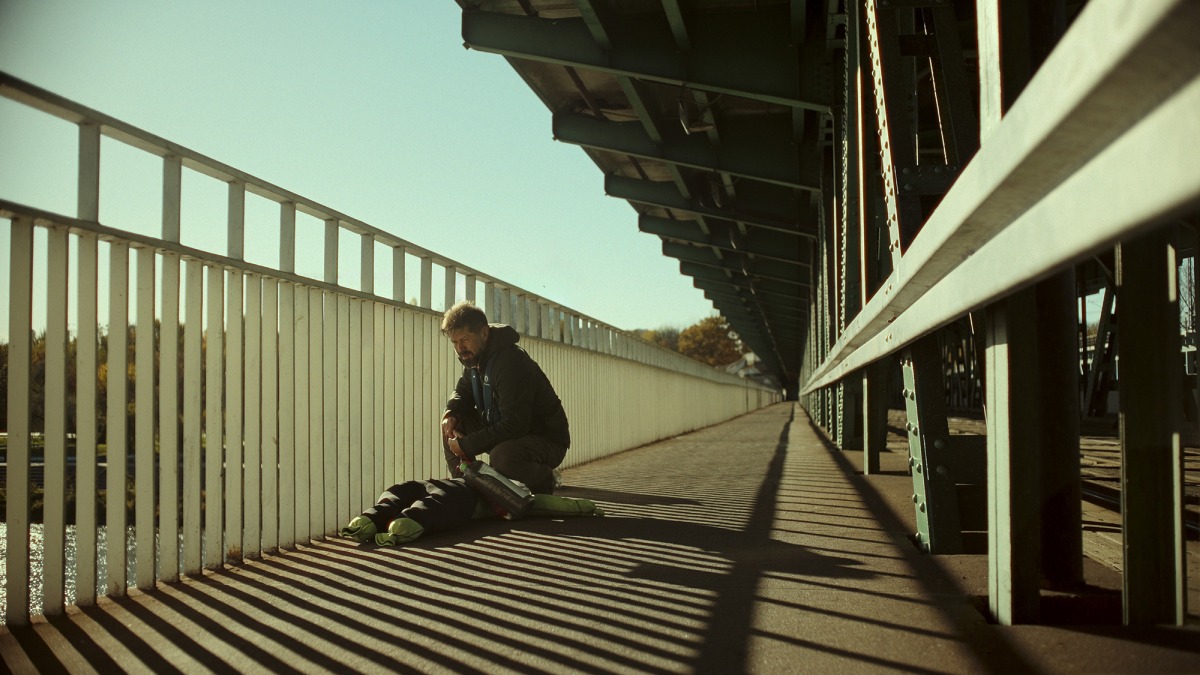
A Sad, Compelling Look At One Father’s Quest For Answers [Sundance]
It’s something anyone dealing with loss, be it unexpected or otherwise, may very well seek. Some want nothing more than the release that is closure, especially when questions outweigh answers as to the circumstances surrounding the event. Some simply want…
Mar 5, 2026
A Flame The Colour of Air – Film Threat
SLAMDANCE FILM FESTIVAL 2026 REVIEW! You will shimmer and shake, like you’re riding the snake while being wowed by the dynamite animated short A Flame The Colour of Air, written and directed by talented Canadian filmmaker Emily Pelstring. Jessica Mensch’s…
Mar 3, 2026

‘9-1-1’ Can’t Decide What It Wants To Focus On in a Lackluster Season 9
Editor's Note: The following contains spoilers for 9-1-1 Season 9, Episode 11.I was hoping that 9-1-1 would take advantage of its month-long hiatus and course-correct after its most recent episode, but while this week is certainly an improvement from last…
Mar 3, 2026