Quentin Tarantino’s Most Ambitious Project Still Kicks Ass Two Decades Later
Dec 9, 2025
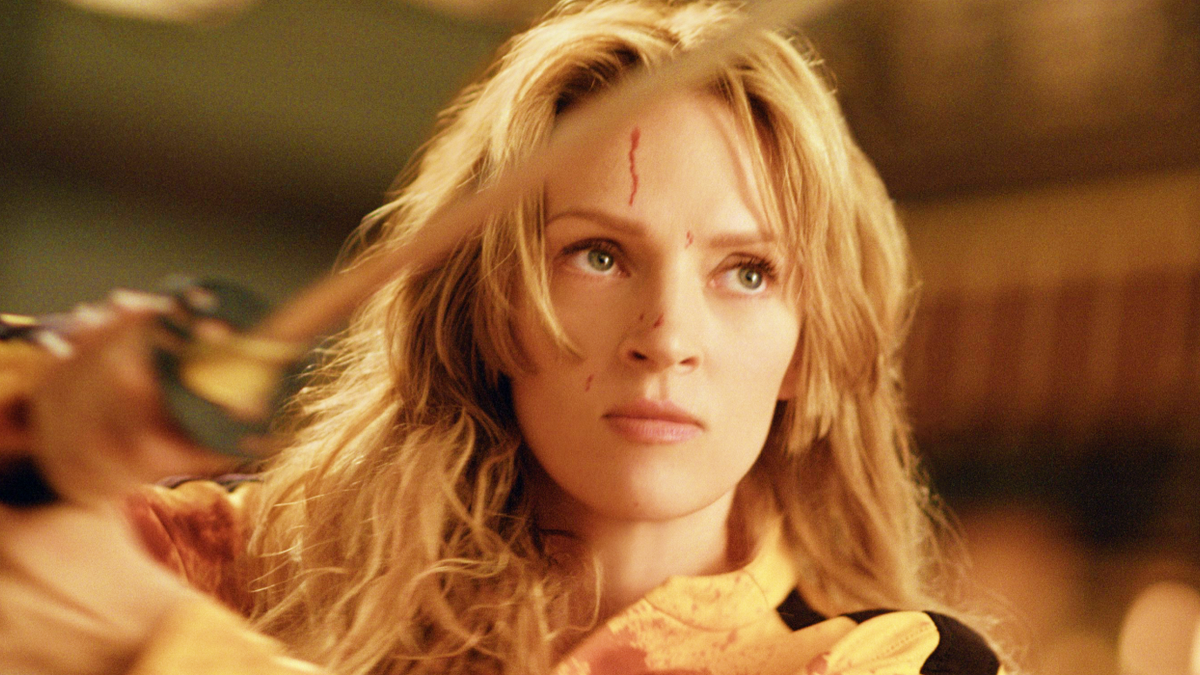
In 2003, Quentin Tarantino hadn’t made a film in six years. After the films Reservoir Dogs and Pulp Fiction, 1997’s Jackie Brown showed the restraint of Tarantino, in the only film he’s ever directed based on existing material, and with a relative quietness that his films haven’t had in quite the same way. But his fourth film would be the polar opposite: it would be an explosion of excess, ambition, and playfulness. It was a film so big that it had to be cut into two parts. Kill Bill Vol. 1 was a wild, blood-soaked martial arts film, while Kill Bill Vol. 2, released six months later, remained a revenge film, yet one that was more focused on the dialogue that Tarantino does so well. Maybe more than any other film, Kill Bill, in both its parts, was Tarantino leaning into the genres he loved and doing his own take on them. Splitting Kill Bill into two parts allowed more breathing room for Tarantino to add bits and pieces of this story that flesh out this world. Tarantino has said that had it originally been released as one film, Kill Bill wouldn’t have been four hours, and that segments such as the Pai Mei sequence in Vol. 2 and the anime sequence in Vol. 1 would’ve been cut significantly. However, a cut bringing the two entries together, entitled Kill Bill: The Whole Bloody Affair, has screened here and there over the years, most frequently at Tarantino’s own L.A. theater, the New Beverly Cinema. Now, The Whole Bloody Affair is receiving a full-blown, 4+ hour cut in all its glory, and it’s a sight to behold — as one would expect. Over 20 years after both volumes were released, The Whole Bloody Affair isn’t just an incredible way to experience Tarantino’s most bombastic film; it’s also a great reminder of just how much QT has grown as a filmmaker over the last two decades.
Quentin Tarantino’s ‘Kill Bill: The Whole Bloody Affair’ Is The Bride’s Story We Know and Love, With Slight Differences
For those unfamiliar with Tarantino’s fourth film, Kill Bill tells the story of The Bride (Uma Thurman), a former assassin who runs away from her lover and the leader of the Deadly Vipers Assassination Squad, Bill (David Carradine). A while later, at her wedding rehearsal, a now-pregnant Bride is gunned down in church by the Deadly Vipers. Yet it’s not that easy to kill The Bride, formerly known by the codename “Black Mamba,” and four years later, she wakes up from a coma, no longer pregnant, and ready for revenge against those who shot her down. The Bride makes a kill list and makes her way through the squad. There’s O-Ren Ishii (Lucy Liu), who has become a yakuza leader in Tokyo over the last four years; Vernita Green (Vivica A. Fox), who is now a mother and wife in suburbia; Budd (Michael Madsen), Bill’s drunk brother who lives in a trailer in the desert; and Elle Driver (Daryl Hannah), a one-eyed assassin who hates The Bride more than any of the rest. Once The Bride has taken out her four former squad members, she will set out to finally, as the title implies, kill Bill.
Related
Tarantino’s 4-Hour Version of ‘Kill Bill’ Is Finally Coming to Theaters — Here’s What Changed
When Tarantino’s four-hour epic hits theaters, it will be notable for both what’s added and what’s missing.
The Whole Bloody Affair’s changes are relatively minor, but they do change the momentum of the story. While Vol. 1 ended with a jarring moment that put the audience on the edge of their seats waiting for Vol. 2 to be released, The Whole Bloody Affair no longer includes this moment, since it’s not needed to bring the audience back to theaters. By getting rid of this scene at the end of Vol. 1, it makes the finale of Vol. 2 even more impactful, a shot in the chest that hadn’t been hinted at two hours prior. It’s not necessarily a game-changing shift; however, for fans of Kill Bill, it is a noticeable shift in how this story is told. Also absent, understandably, is The Bride’s introduction to Vol. 2, catching up the audience on what happened in the first volume. The only major addition to this cut is that the anime chapter, Chapter 3: The Origin of O-Ren, is slightly longer with an extra scene, in which O-Ren seeks revenge on the associate of yakuza boss Matsumo, named Pretty Riki. All in all, it’s a relatively unnecessary addition, despite it being fun for what it is, but it makes sense why it was ultimately cut in the first place. The biggest new element, unfortunately, is the post-credits addition of The Lost Chapter: Yuki’s Revenge, another scene that Tarantino originally wrote decades ago, but now, has been created in Fortnite. Regardless of the nightmarishly awful way this story is told through Fortnite, this extra sequence adds nothing to the story, introducing a new character that we never needed to meet with an uninteresting action scene. There’s a good reason why this addition was saved as a little bonus after the credits, and not integrated into the film itself — it’s just not good.
‘Kill Bill: The Whole Bloody Affair’ Is a Fascinating Look at How Much Tarantino Has Changed as a Filmmaker
The Whole Bloody Affair, however, is most compelling as a look at a master filmmaker at the height of his experimentation. Tarantino has grown significantly in the two decades since Kill Bill, yet this film is an example of QT at his most maximalist, as he throws everything into the mix to see what sticks. This is a filmmaker who has made three of the defining films of the ‘90s, making whatever the hell he wants, and gleefully doing so. Tarantino has always worn his inspirations on his blood-soaked sleeve, but Kill Bill is him completely being taken over by the films he loves, and it’s a joy to watch him play in this sandbox. Because of this, Kill Bill still feels like Tarantino’s most ambitious project. For example, the fight with The Crazy 88s is almost as if he’s proving to himself he could make a massive samurai action sequence, and not only does he nail it, but you can almost hear him giggling behind the camera as he does it. He throws in an anime origin story, seemingly just because it’s cool as hell. And while the second half shows Tarantino reining in the wildness a bit, his love for Westerns and Japanese cinema is brazen in almost every frame. At this point in his career, Tarantino is a kid in a candy store with what he’s able to do, and Kill Bill is just about the most fun sugar rush one could imagine him making. In the years since Kill Bill, Tarantino has made five films, and while they all have grandiose moments of absurdity, from killing Hitler in Inglourious Basterds, to Leonardo DiCaprio taking a flamethrower to Mikey Madison in Once Upon a Time in Hollywood, Tarantino has been more acutely aware of pulling back and allowing for the ridiculousness as almost a bit of catharsis within his films. Looking back at Kill Bill, it can’t help but seem like a filmmaker who has proven himself and having a blast, and it almost feels as though it’s from a different storyteller than who Tarantino is now.
Quentin Tarantino’s ‘The Whole Bloody Affair’ Reminds Us What Made ‘Kill Bill’ So Great
Image via Miramax Films
After all these years, Kill Bill is still a remarkable piece of work, one that’s essential to who Tarantino would become with his next five films. Naturally, the key to what makes Kill Bill great isn’t just Tarantino, it’s, of course, Uma Thurman. Thurman has never been better than she is here, and it’s an absolute wonder to watch her shift, change, and absolutely nail everything each chapter individually asks of her. In one scene, she might be killing an entire restaurant full of assassins, and in another, she’s asked to make her heart break at realizing everything Bill has truly taken from her. Thurman is tremendous in every scene, and she certainly deserved an Oscar nomination for this defining role. And while Thurman truly kicks ass, sheds blood, and claims other people’s limbs as her own throughout Kill Bill, it’s the moments of true overwhelming emotion that make this performance work so well. The moment when The Bride wakes up and discovers she is no longer carrying her baby is one of the most heartbreaking and emotional scenes Tarantino has ever directed. Even though Kill Bill is packed with great fight scenes, the most impactful of both volumes remains The Bride’s ultimate showdown with Bill, a conversation that covers everything from the nature of their relationship to the secret identities of superheroes. It’s moments like these where Thurman’s acting prowess shines, and shows that some of the best moments Tarantino has had in his career are tied more to his incredible dialogue than any sort of violence or gore. Kill Bill: The Whole Bloody Affair isn’t necessarily the definitive version of this story — it’s just different and intriguing in its slight shifts and changes. At its core, it’s also just a great reminder of Tarantino at his coolest and most playful, and how far he’s come since making this film originally. And it’s always wonderful to watch Thurman’s The Bride cut down someone with Tarantino’s dialogue as handily as she can with a Hattori Hanzō sword. Kill Bill: The Whole Bloody Affair might not be Tarantino’s masterpiece, but it’s a brilliant example of a filmmaker with a deep-seated love of movies fully embracing his inspirations and passions in grand fashion. Kill Bill: The Whole Bloody Affair is now playing in theaters.
Release Date
December 5, 2025
Runtime
281 Minutes
Producers
Bob Weinstein, E. Bennett Walsh, Harvey Weinstein, Lawrence Bender
Pros & Cons
Kill Bill remains Tarantino’s most maximalist and ambitious project he’s ever made.
Uma Thurman gives an all-timer performance that is just as effective in the quieter moments as in the fight scenes.
Watching these two films together makes slight, yet intriguing changes to this story.
The new additions, especially the Fortnite-made short, don’t add much new to the story.
Publisher: Source link



![Born Again’ Stars Explain Why Bullseye Is So Dangerous in Season 2 [Exclusive]](https://www.filmibee.com/wp-content/uploads/2026/03/Born-Again-Stars-Explain-Why-Bullseye-Is-So-Dangerous-in-1200x675.jpg)
Born Again’ Stars Explain Why Bullseye Is So Dangerous in Season 2 [Exclusive]
Along with Charlie Cox's Matt Murdock and Vincent D'Ofnorio's Wilson Fisk, Daredevil: Born Again Season 1 brought back one of The Man Without Fear's most notorious villains: Wilson Bethel's Benjamin Poindexter, better known as Bullseye. Not only was he back…
Mar 19, 2026
Born Again’ Showrunner Confirms ‘Avengers’ Character Is Key to Street Level MCU [Exclusive]
Ahead of the Avengers' return to the big screen later this year, Marvel Studios will return to street-level storytelling with the second season of Daredevil: Born Again on Disney+. Along with making the show canon to everything that happened in…
Mar 18, 2026
Taylor Sheridan’s Underrated Action Thriller Series Roars to Streaming Success
It’s now been two years since we last saw anything from the underrated action thriller series created by Yellowstone’s Taylor Sheridan, but having finally had some promising word about the new season, the show has now shot up the streaming…
Mar 17, 2026
Netflix’s ‘One Piece’ Fails To Replicate Success of Season 1 on Streaming
It's been a little over two months since Stranger Things came to an epic conclusion on Netflix that left a massive hole in our hearts in more ways than one. However, the show's biggest replacement in terms of sheer production…
Mar 16, 2026