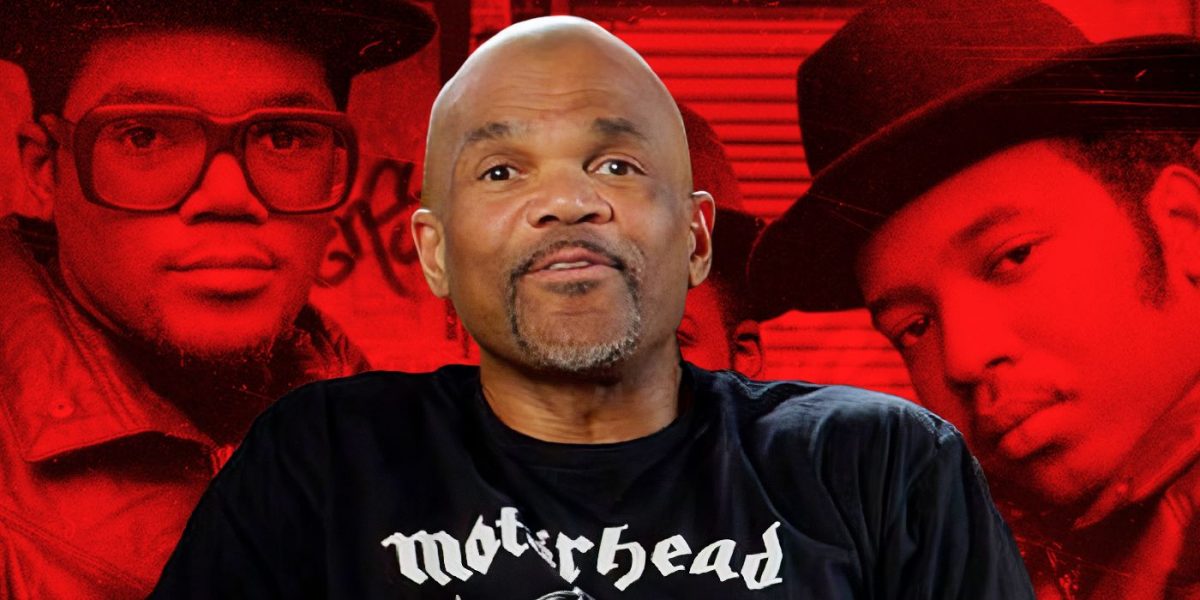
Run-DMC’s Darryl “DMC” McDaniels On The Loss Of Rhythm And Poetry In Hip-Hop [Interview]
Feb 10, 2024
The Big Picture
Run DMC changed the game for rap and hip-hop and paved the way for success in the industry.
Kings From Queens: The Run DMC
Story digs deep into the personal lives of the group’s members and the untimely death of Jam Master Jay.
The current state of hip-hop has been diluted by capitalism, with a focus on commercial success rather than artistic integrity and cultural significance.
“I’m the king of rock, there is none higher. Sucker MCs should call me sire. To burn my kingdom, you must use fire. I won’t stop rockin’ ’til I retire.” This is the first few lines uttered by Darryl “DMC” McDaniels in Run DMC’s iconic song “King of Rock.” Released as Run DMC’s second album, it was a crossover hit that cemented them as legends in the music industry. Run DMC’s members were Darryl, Joseph “Rev Run” Simmons, and Jason “Jam Master Jay” Mizell, and when it comes to rap and hip-hop, they are pioneers that changed the game.
Now, thanks to a three-part docuseries from Peacock, fans will get to hear their story from their perspective. Kings From Queens: The Run DMC Story follows the group’s story from beginning to end while also getting insight from both DMC and Rev Run. It provides viewers with footage never seen publicly before, as well as going deep into the personal lives of the founding members. The mini-series also delves into the death of Jam Master Jay, who was killed in 2002 after an evening at his studio. The case was shocking, and nearly 22 years later, his alleged murderers are finally on trial. Jam Master Jay’s family, friends, and fans alike are hoping that justice will be served.
In addition to delving into their career as a group, Kings From Queens, also takes an in-depth look into the group’s personal lives. Darryl McDaniels is candid about his mental health struggles in the film, and his story will likely inspire many others who may be going through similar difficulties right now. His story beyond the group itself is fascinating, and his love of storytelling spilled out from music and into the comic book industry. He launched his own company and began publishing comics following the adventures of the superhero DMC. Collider had the opportunity to speak with Darryl about the new mini-series, as well as the current state of hip-hop, and he had quite a few thoughts on the topic.
‘Kings From Queens: The Run DMC Story’ Uplifts Hip-Hop’s Past
Image via Peacock
Run DMC changed the course of rap and hip-hop forever when they rose to fame. While they are trailblazers of the genre, Darryl felt it was important to acknowledge the full story of hip-hop’s past. He said, “We just proved in the last 50 years that we can sell some records. And Run DMC is not pioneers of hip-hop culture. We are pioneers of the success of hip-hop in the recorded rap industry because a lot of the rappers before us made great records, but the critics, the journalists, and the public at large thought hip-hop was going to be a fad because they were familiar with the death of disco.” Thankfully, it didn’t.
Hip-hop didn’t thrive just because it was fun and catchy. It thrived because it was born from a specific culture: Black American culture. It pulled from the experiences and rich creativity of a people who were still defining themselves after hundreds of years of enslavement, Jim Crow Laws, and the Civil Rights Movement. Darryl provided more insight into hip-hop’s origins, as there was a recent celebration focusing on the 50th birthday of the genre. He shared, “It wasn’t the 50-year celebration of hip-hop. It was the 44-year celebration of recorded rap. Nobody talked about that. They started with the first recorded rap. They started talking about hip-hop in 1979. They didn’t talk about hip-hop from ‘73 to ‘78. What were the DJs doing? What were the MCs? What were their raps about? What were the venues? They didn’t talk about the Audubon Ballroom, where Malcolm X got assassinated, being turned into a place of positivity because the kids in the Bronx went from the parks and the streets into the Audubon to perform their park party. So, people don’t know the real history of hip hop– about the diversity, the respect, and the responsibility that comes with the culture.” An art form born from a deeply rooted culture will never die out as a simple fad because as long as the people it was born from still live and breathe, so will hip-hop.
Street parties and DJs are the humble beginnings of hip-hop. Darryl provided more insight into how music progressed from street parties to Run DMC’s Live Aid Performance of King of Rock in 1985. He said, “When hip hop first started, everybody was using, you know, Grandmaster Flash, Grand Wizard Theodore, DJ Kool Herc, Afrika Bambaataa, all the DJs were using jazz, R&B, funk, and even disco when disco died, and they threw it away. Hip-hop said, ‘That ain’t garbage; give it to us, we’ll use it.’ But in the same craze of DJs. In the period of hip-hop before recorded rap, meaning Rapper’s Delight ‘cause that’s the one everybody knows– In those crates were rock records. Grandmaster Flash used Walk This Way, for Melle Mel, and The Furious Fives… but nobody was hearing it. So when we came into the record business, we realized, ‘Yo, everybody was using James Brown. Cause yo, sample James Brown, he always got a funky drummer break.’” The artistry, craft, and ingenuity of hip-hop’s forefathers laid the foundation for Run DMC to become the kings of rock, working with groups like Aerosmith and other rock musicians to create their iconic sound.
DMC Says Capitalism Has Sucked the Rhythm and Poetry Out of Rap Music
When asked about the current state of hip-hop, Darryl was hesitant to mention any artists specifically, and it’s easy to see why. Hip-hop’s sound has changed drastically in the past 50 years. The term rap came from the words rhythm and poetry. Rudy Ray More is the first person to put rhythm and poetry together publicly, thanks to the pimp-superhero character he created, Dolemite. It was then progressed by hip-hop’s founding fathers, leading to many artists learning how to write and freestyle. From the ‘70s to the early ‘90s, rap was really about storytelling and word-smithing. The time of rhythm, flow, and lyricism began to die out whenThe Notorious B.I.G. and Tupac Shakur were both murdered. Sure, there are still plenty of incredible rappers today; artists like Tyler the Creator, Lil Yachty, and Rico Nasty still play around with the blending of vibes from multiple genres to create their own unique sound. Artists like this are, however, never get the airplay that other rappers do, something Darryl had much to say about.
He said, “What you have now is people rapping over recorded music for the purpose of selling records and having success in the recording music industry.” He added later on, “Music is a universal form of expression, and it all started with the blues anyway. The blues is the roots; everything else is just the fruits. But what’s going on with hip-hop is this: it has become easy for anybody to be an artist. And there’s a difference between an artist and an act. You’re acting like you’re hip-hop, and that’s no disrespect, but a lot of these people in hip-hop, in the successful areas of hip-hop, are not hip-hop, and some of those very individuals will tell you, I ain’t in this for the culture, I’m in it for the money.”
Sure, there are plenty of popular rappers who do still produce work with substance, but that work is often hidden deep within their albums. Megan Thee Stallion, for example, tells the story of her mental health issues after facing undeserved vitriol for being shot by her ex-boyfriend in her song “Anxiety.” The song has substance, her flow has more rhythmic variety in it, and it’s a song that a lot of struggling women can identify with, but it’s not the song that the record companies invest and push to listeners.
Darryl has noticed this trend in the industry as well. He said, “Anything that is sacred or holy to a culture, community, or people gets diluted and polluted once it’s commercialized. Because all the commercialization wants to do is pull out the integrity, the importance, the blessing, and the life-saving element that can transform everybody that participates in it… There’s no records on the radio in full airplay that say, ‘Go to school.’… We don’t hear those records. You don’t hear ‘I’m DMC and a place to be. I go to St. John’s [University]’’… you know, and people to say, ‘Kendrick Lamar talks about [real issues], J. Cole talks about it– and I’ll vote [that] they do, [but] I don’t hear it on the radio.”
There is a sense of quantity over quality, especially in recent years. Darryl also said, “What’s really not eternal is the fad rap that comes out? Think about it like: there’s artists in the last five or six years that nobody wants to hear no more. That didn’t happen [with] Run DMC, that didn’t happen [with] Naughty by Nature, that didn’t happen [with] Public Enemy, that didn’t happen [with] Tribe Called Quest… They still talking about us.” Any millennial can reflect on fad rappers like Soulja Boy and realize that Darryl is right. The state of hip-hop might look a little bleak, but thankfully, in this age of the internet, there are plenty of excellent rappers who are still creative. There are still artists who blend rhythm and poetry and who want to progress the genre for their craft and culture, not for money and fame.
To learn more about Run DMC, the state of hip-hop, and its history, check out Darryl’s full conversation with Collider above.
All 3 episodes of Kings From Queens: The Run DMC Story are available to stream exclusively on Peacock.
Watch On Peacock
Publisher: Source link


Paramount+ Renews ‘Criminal Minds: Evolution’ for Season 19
The start of its new season is still weeks away, but fans of Criminal Minds: Evolution won't have to wait that long to learn the fate of the long-running hit crime procedural. Execs at Paramount+ have already decided what the…
Mar 27, 2026
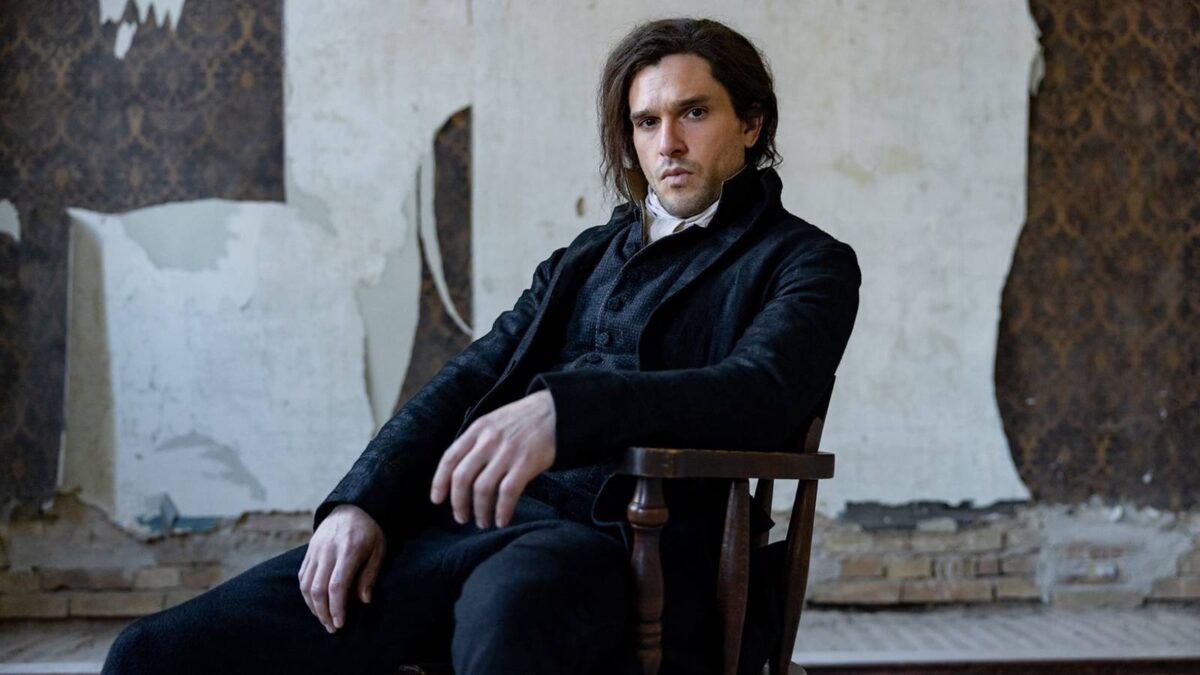
‘A Tale of Two Cities’ First Look Reveals Kit Harington in MGM+ Series
The BBC and MGM+ are teaming up with a new four-part limited series adaptation of Charles Dickens' classic 1859 novel A Tale of Two Cities. Game of Thrones veteran Kit Harington will play Sydney Carton, a cynical English lawyer who…
Mar 26, 2026
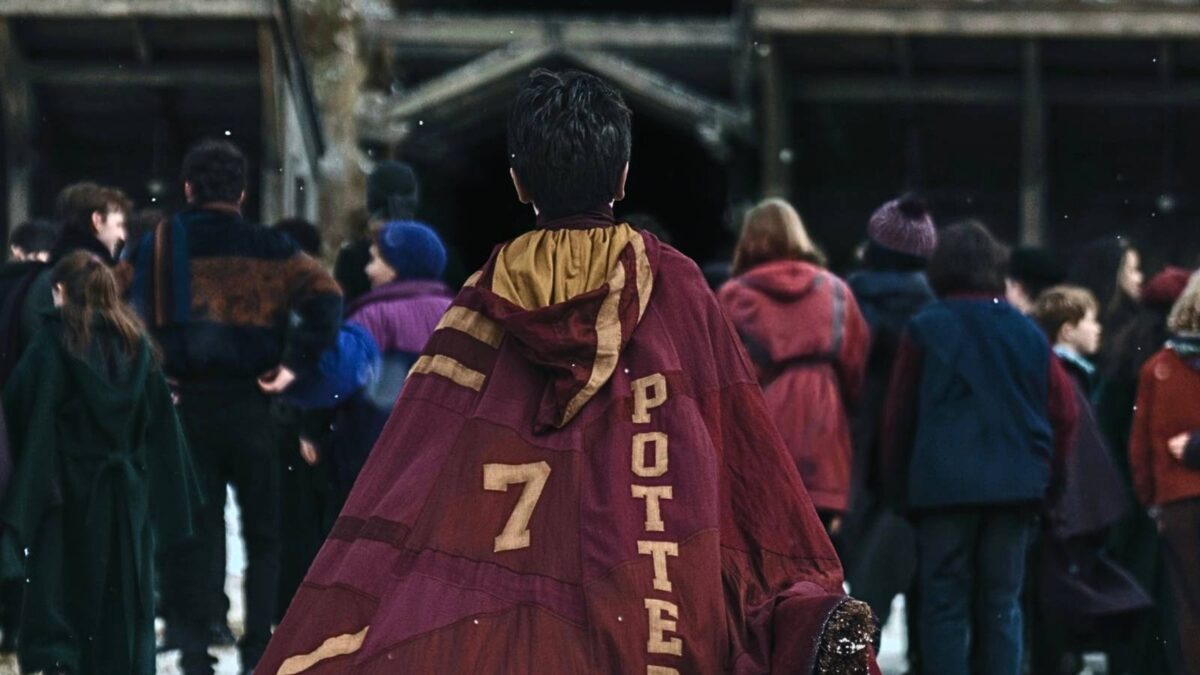
HBO ‘Harry Potter’ Series Image Reveals Dominic McLaughlin in Title Role
The first official look at HBO's upcoming reboot of Harry Potter has finally arrived, and it is already teasing a magical trailer release. As we inch closer to the show's expected 2027 release, the network has begun to reveal more…
Mar 25, 2026
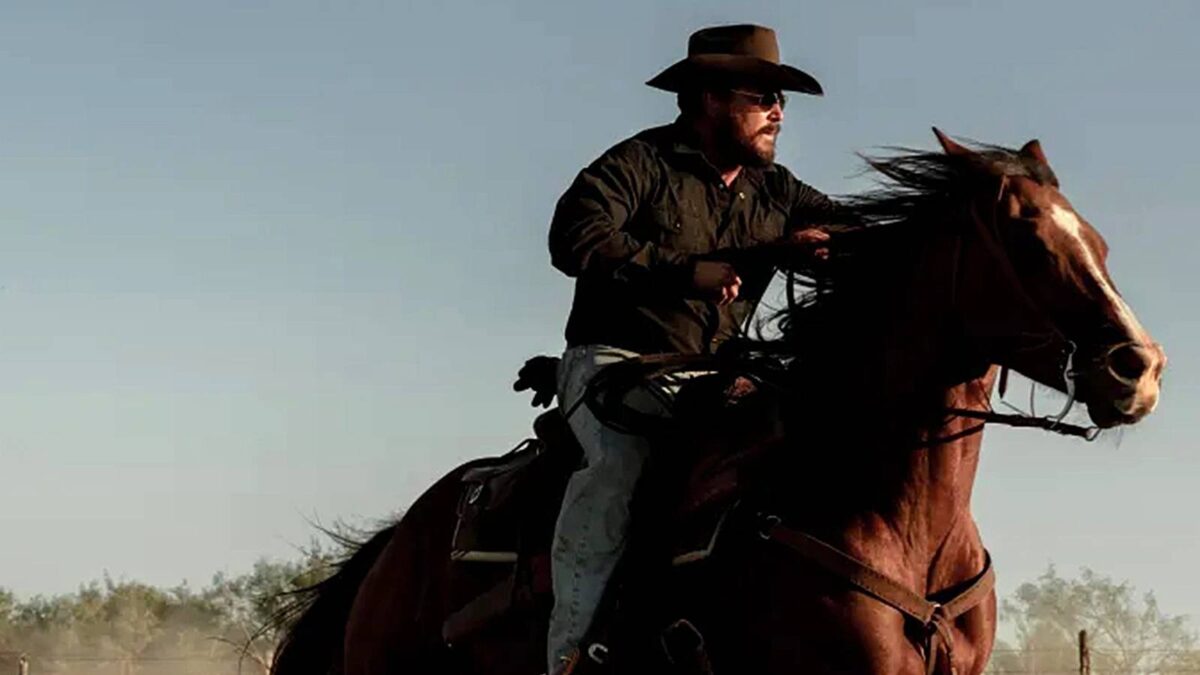
‘Dutton Ranch’ Trailer Reveals ‘Yellowstone’ Sequel Release Date
Rip Wheeler and Beth Dutton gamble everything on a new life in South Texas in the first trailer for the Yellowstone spin-off, Dutton Ranch. The footage reveals all manner of gun fights, fist fights, explosions, galloping horses, and even mysterious…
Mar 24, 2026