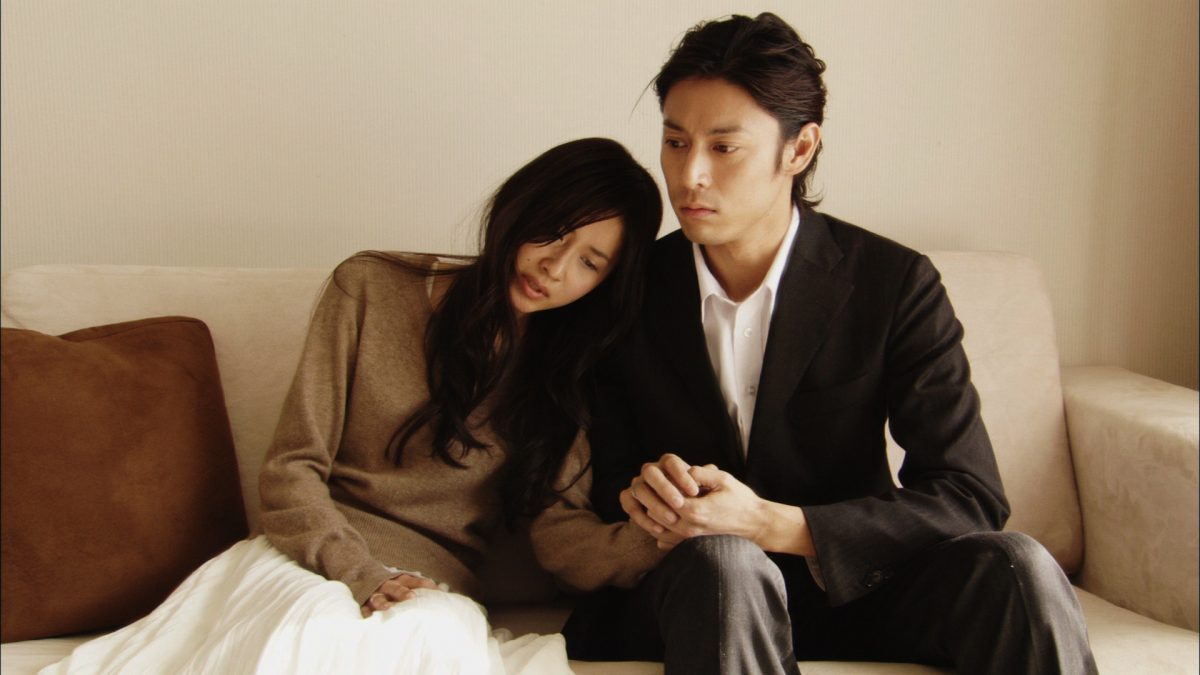
Ryusuke Hamaguchi’s Sophomore Feature Hints At The Master Filmmaker To Come
Apr 11, 2023
Love triangles, the shifting fault lines of emotional landscapes, and the ramifications of common cruelty — in Ryusuke Hamaguchi’s second feature, 2008’s “Passion” (now hitting U.S. cinemas for the first time), the celebrated director grapples with the themes that would become a constant in his films to come. As one might expect from a picture made as a student thesis project, this is a filmmaker still in raw form, working through the ideas and techniques that he would refine with a sculptor’s precision to acclaim in later pictures like the Oscar-winning “Drive My Car,” “Happy Hour,” and “Wheel Of Fortune and Fantasy.” Those films are better places to start for Hamaguchi newcomers, but for everyone else, “Passion” offers an intriguing look at his earliest steps, with flashes of the brilliance that would eventually blossom in fuller form.
READ MORE: The 100 Most Anticipated Films Of 2023
“Passion” begins at the appropriately named restaurant El Secreto, where six friends have gathered to celebrate Kaho’s (Aoba Kawai) birthday. However, she and her boyfriend Tomoya (Ryuta Okamoto) have much bigger news to share — they’re now engaged. The announcement, shared with an initially puzzling dampened excitement, is matched by the uncomfortably muted reactions around the table. As the dinner ends, the evening just begins, bringing a number of longings and resentments to the surface, revealing simmering yearnings, romantic entanglements, and fresh betrayals. As his characters each grapple with a blanket inability to communicate, Hamaguchi unfolds a study of thirty-somethings desperate to articulate the love they need but who can only manage it through the brutal rejection of the love they don’t want.
Even in this incipient phase of his career, Hamaguchi displays a gracefulness in juggling multiple characters and overlapping storylines with an unhurried ease. The airiness he allows to flow through the film will become better handled in later work, but “Passion” never feels compressed by its narrative demands. The director’s penchant for long, conversational sequences is also on display, even if the dialogue is looser and not as well-formed. Nonetheless, a centerpiece sequence, which seems incongruous at first, turns out to be an impressive expression of the film’s core concerns. It finds Kaho, a schoolteacher, leading a classroom discussion on bullying following a student’s suicide. What emerges is a thoughtful examination on the relationship between violence and forgiveness, and the difficulty in finding a meeting place between the two. It’s this set piece, more than anything else in “Passion,” that the future Hamaguchi fans will come to know makes an appearance.
Elsewhere, particularly from a technical standpoint, “Passion” shows its age, as well as a director figuring out his aesthetic. Seemingly working with low grade digital cameras (likely due to a small budget), the film’s handheld, nearly Dogme 95 approach is more interesting than successful. The steady, carefully framed compositions that are now a Hamaguchi trademark are less considered here, with the filmmaker’s roving cinematography frequently veering into clumsy closeups as an emotional shorthand. That said, an utterly gorgeous, unbroken one-take sequence as two characters talk and slowly walk toward the camera and come into view is up there among his best work.
“Passion” is perhaps most intriguing in its deep cynicism, tracking a half-dozen characters who either act out of self-interest or self-destruction, unaware or unable to see the impact of the pain they inflict on themselves and those around them. Hamaguchi’s hardened, jaundiced worldview in this film is a posture taken by the young, a dismissive deflection of the difficulties of the world and the pain that comes with seeking human connection. In some ways, the movie feels immature, the work of a filmmaker still growing up and discovering his own understanding of life’s knottiness and lack of fairness. But “Passion” is also like finding an old diary, reminding viewers that as one gets older, things may not get better, but lived experience makes things at least a little bit easier to bear. [B-]
Publisher: Source link




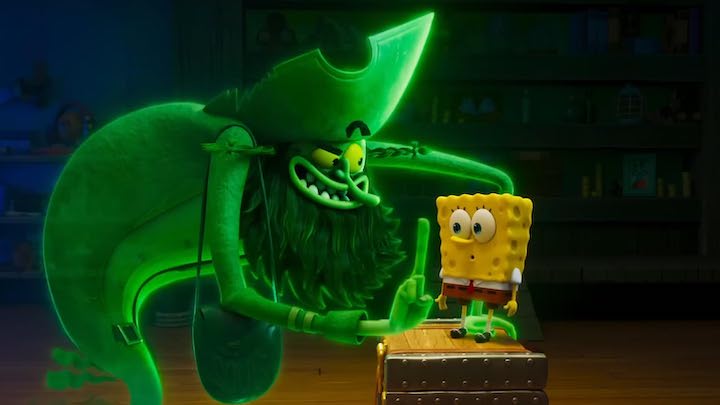
The SpongeBob Movie: Search for SquarePants Review
It raised more than a few eyebrows when The SpongeBob Movie: Search for SquarePants was selected as a closing night film at AFI Fest. It made more sense within the screening’s first few minutes. Not because of the film itself, but the…
Feb 5, 2026
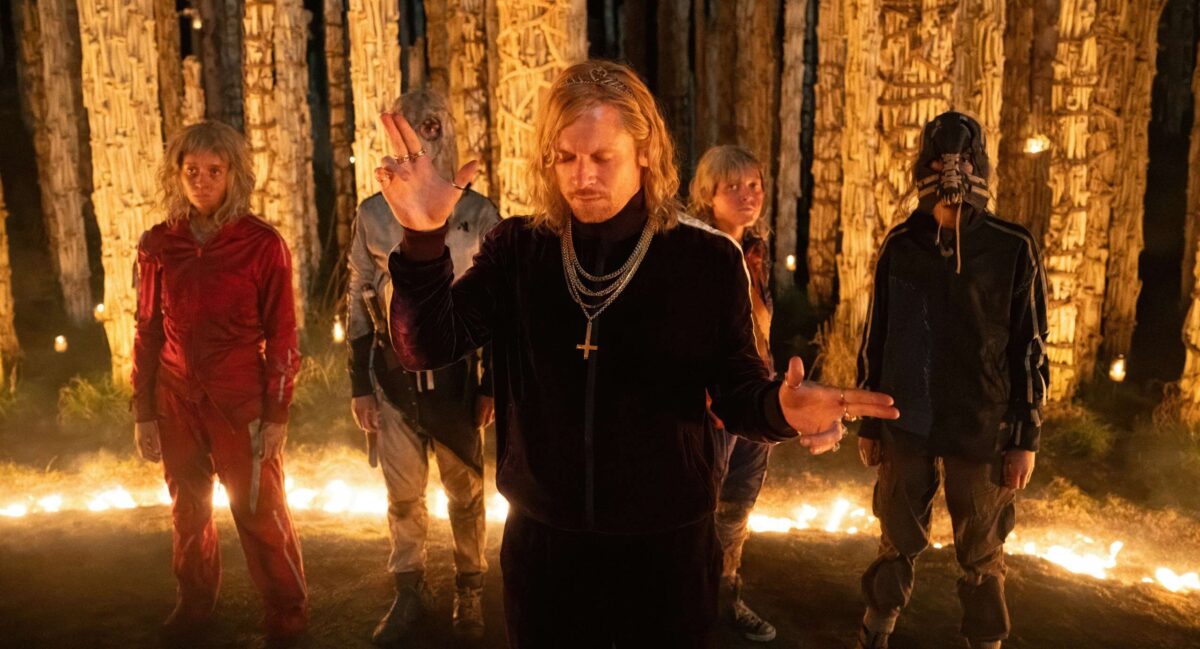
28 Years Later: The Bone Temple Review: An Evolving Chaos
Although Danny Boyle started this franchise, director Nia DaCosta steps up to the plate to helm 28 Years Later: The Bone Temple, and the results are glorious. This is a bold, unsettling, and unexpectedly thoughtful continuation of one of modern…
Feb 5, 2026
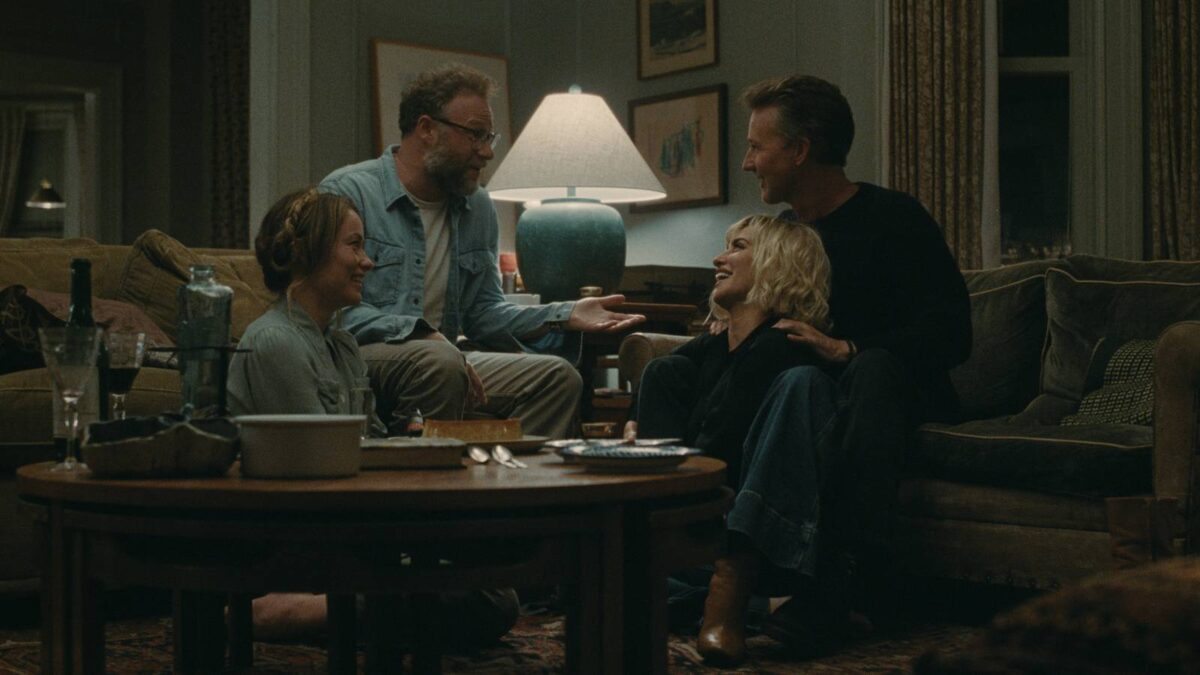
Olivia Wilde’s Foursome Is an Expertly Crafted, Bitingly Hilarious Game of Marital Jenga
If you've lived in any city, anywhere, you've probably had the experience of hearing your neighbors have sex. Depending on how secure you are in your own relationship, you may end up wondering if you've ever had an orgasm quite…
Feb 3, 2026
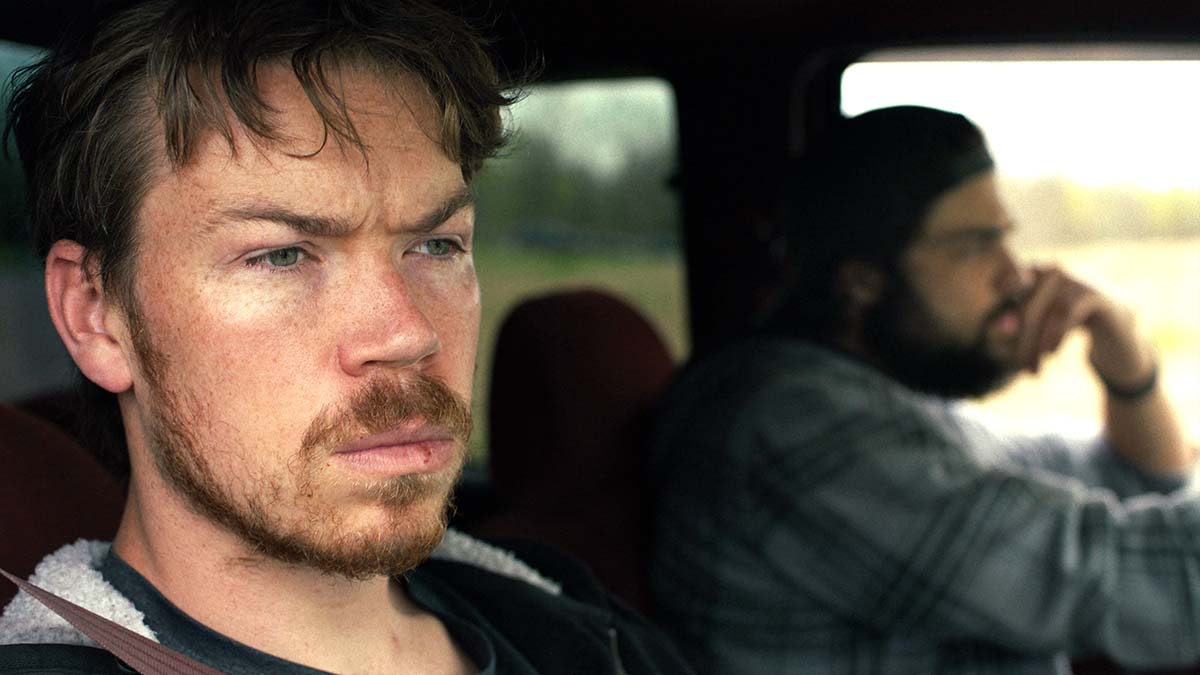
Will Poulter Is Sensational In An Addiction Drama That Avoids Sensationalizing [Sundance]
Despite all the movies made about addiction, the topic does not naturally lend itself to tidy cinematic narratives. (At least, when portrayed accurately.) While actors often visualize the condition of substance dependency through expressive physical outbursts, the reality of recovery…
Feb 3, 2026