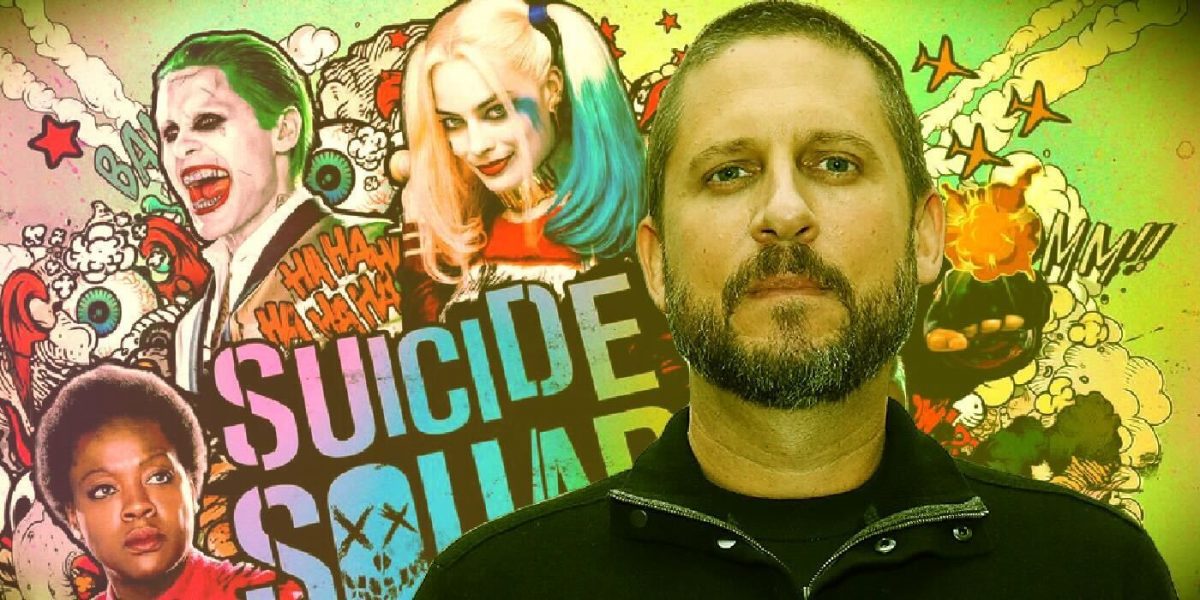
Suicide Squad Director Finally Admits Defeat for the Ayer Cut; “I’m Done With DC”
Jan 7, 2024
Summary
David Ayer has now given up on ever releasing his cut of Suicide Squad. Ayer believes that the issues with the DCEU franchise can be solved by allowing filmmakers to have creative control and not operating out of fear or chasing trends. Warner Bros.’ attempts to catch up to the Marvel Cinematic Universe and focus on rapid growth have resulted in moderate hits and misses, causing problems for the DC extended universe.
David Ayer’s fabled cut of 2016’s Suicide Squad has been the subject of discussions online for several years now. While Ayer has in the past said that the cut that has never been seen would change perceptions of the film, and put many other DCEU movies to shame, there has so far been no real movement towards it being released to the public. Despite previously remaining positive that his cut of the movie will be released one day, Ayer has now closed the door on his DC collaboration.
Sharing a post on his X/Twitter account, Ayer updated the status of the Ayer Cut of 2016’s Suicide Squad, noting that he is “done” with the franchise. When asked if this meant that he was not going to fight to get his version of the movie released, Ayer said:
Nope. Done and done. Very sad. You’ll be fine after a good cry. I feel healthier. It’s a wound that needs to heal.
The director followed this up in another post, in which he was asked whether the appointment of James Gunn at DC Studios had anything to do with the outcome. He said:
Nothing about the situation feels good. Studio has no interest in releasing it. It’s time to run and not look back.
This is certainly a different and more defeated response to the possiblty of fans ever seeing his cut of the movie than when he spoke to Total Film just a month ago. At the time, Ayer said:
“I think so. I’m going to be hopeful. You know, there are a lot of people that are invested in certain narratives that don’t want it to see the light of day. So there’s an immense political headwind against it, because if that cut were made public, the cowardliness and the whole just general sh*ttiness of how the film’s been treated, and how the actors have had this great work that they’d done taken away… That narrative blows up once people see the movie. But it’s coming. Something’s going to happen. Something’s going to be revealed. The truth always comes out. It always comes out.”
In the last few years, one of WBD’s biggest superhero successes has been The Batman, a complete abandonment of the usual tech-heavy, fantastical elements of the comic book hero’s on-screen appearances, which took him back to his detective roots in a dark and gritty grounded story. While not for everyone, The Batman proved more successful at the domestic box office than the likes of Batman vs Superman, and its domestic total of just over $360 million was more than the worldwide total of any DC released in the last year (and only $30 million short of Black Adam’s total gross.)
The main difference with The Batman is that the movie came from Matt Reeves’ vision, and seemed to be made without much studio interference. For Suicide Squad director David Ayer, this is how it should be for all DC movies, and he believes it would be a simple solution to the franchise’s woes. In a post on X, Ayer responded to a question by The Hollywood Reporter asking “Where have all the DC fans gone?”, to which he replied:
“Easy solve. Let film makers have their vision. Don’t operate from fear. Be daring. Look at what worked. Don’t chase the market. DC has always had the best characters in publishing. Dark intense and thoughtful is the brand.”
Related: James Gunn and Peter Safran’s DCU Takeover Has Already Had an Unexpected Impact on DC Comics
Is The DCU Still Trying to be the MCU?
The Direct
From an outside perspective, Warner Bros. DC extended universe has always been attempting to play catch-up in the shared superhero universe stakes, and possibly worrying too much about getting really big, really fast to notice that this was causing more problems than solving them. Zack Snyder’s original plan for the DC franchise was a short, sharp series of movies that would tell an interconnected story, but was never intended to have the scope or scale of Marvel’s behemoth.
In creating the “extended” universe, but at the same time losing Snyder, the following years have been littered with a series of moderate hits and many misses, both in terms of critical appraisal and box office success. Movies such as The Flash, which went through multiple directors/writers and made many changes due to the behind-the-scenes upheaval, have clearly suffered from outside influences, which as Ayer suggests, is not something that is ever going to end well. Whether the future franchise, under the guidance of Gunn and Safran can manage to deliver a more successful DCU is something that we are a few years away from finding out.
Publisher: Source link



‘A Tale of Two Cities’ First Look Reveals Kit Harington in MGM+ Series
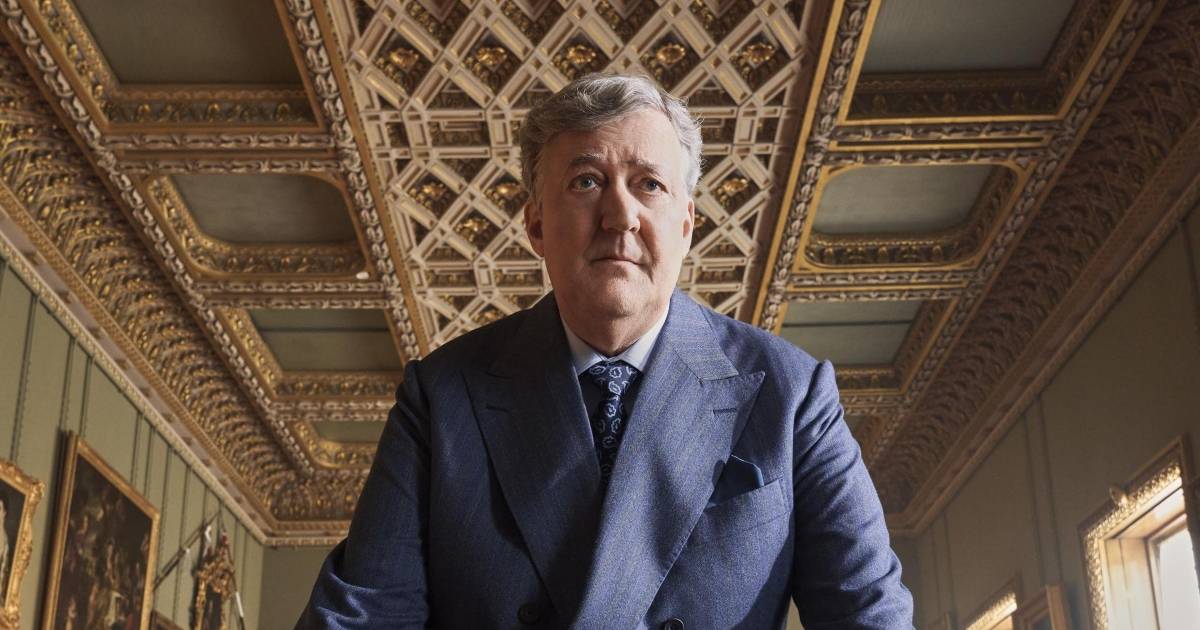
The BBC and MGM+ are teaming up with a new four-part limited series adaptation of Charles Dickens' classic 1859 novel A Tale of Two Cities. Game of Thrones veteran Kit Harington will play Sydney Carton, a cynical English lawyer who…
Mar 26, 2026
HBO ‘Harry Potter’ Series Image Reveals Dominic McLaughlin in Title Role
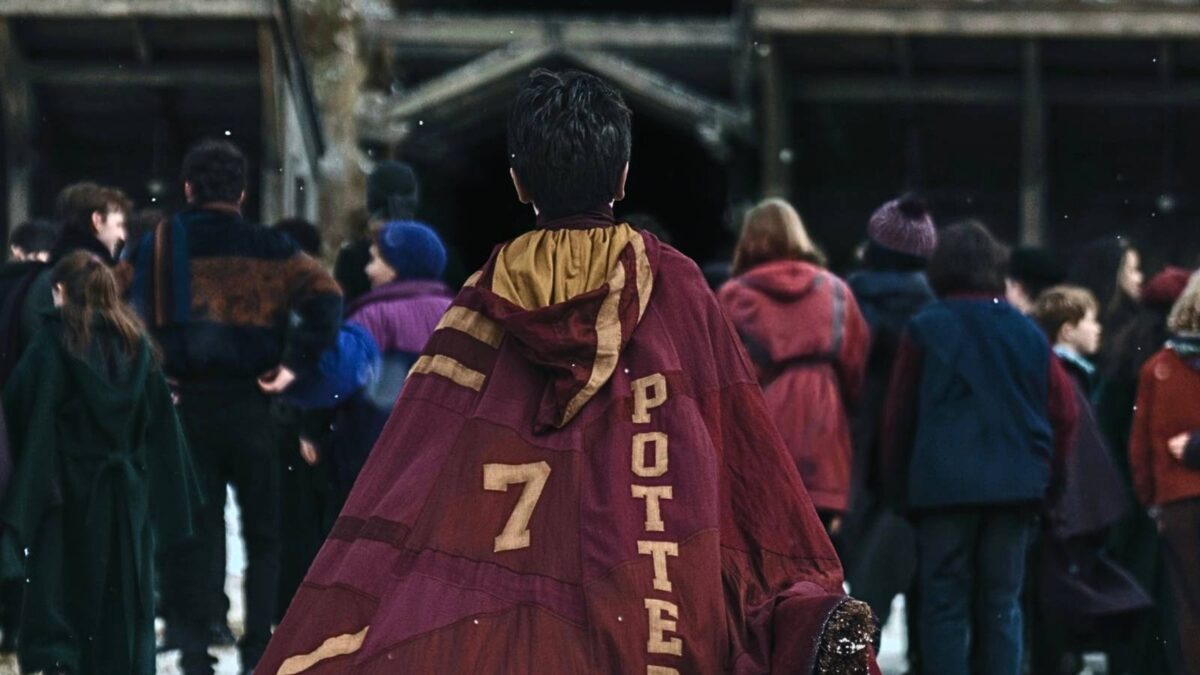
The first official look at HBO's upcoming reboot of Harry Potter has finally arrived, and it is already teasing a magical trailer release. As we inch closer to the show's expected 2027 release, the network has begun to reveal more…
Mar 25, 2026
‘Dutton Ranch’ Trailer Reveals ‘Yellowstone’ Sequel Release Date
Rip Wheeler and Beth Dutton gamble everything on a new life in South Texas in the first trailer for the Yellowstone spin-off, Dutton Ranch. The footage reveals all manner of gun fights, fist fights, explosions, galloping horses, and even mysterious…
Mar 24, 2026
Born Again’ Showrunners Detail How the Media Ties into Season 2
Marvel is fast approaching the release of Daredevil: Born Again Season 2, marking its second live-action Disney+ show of 2026. Bringing back Charlie Cox's Matt Murdock and Vincent D'Onofrio's Wilson Fisk, this season picks up where Season 1 left off,…
Mar 23, 2026