T.I.M. Review: A Promising Premise Hindered by Shallow Execution
Aug 20, 2023
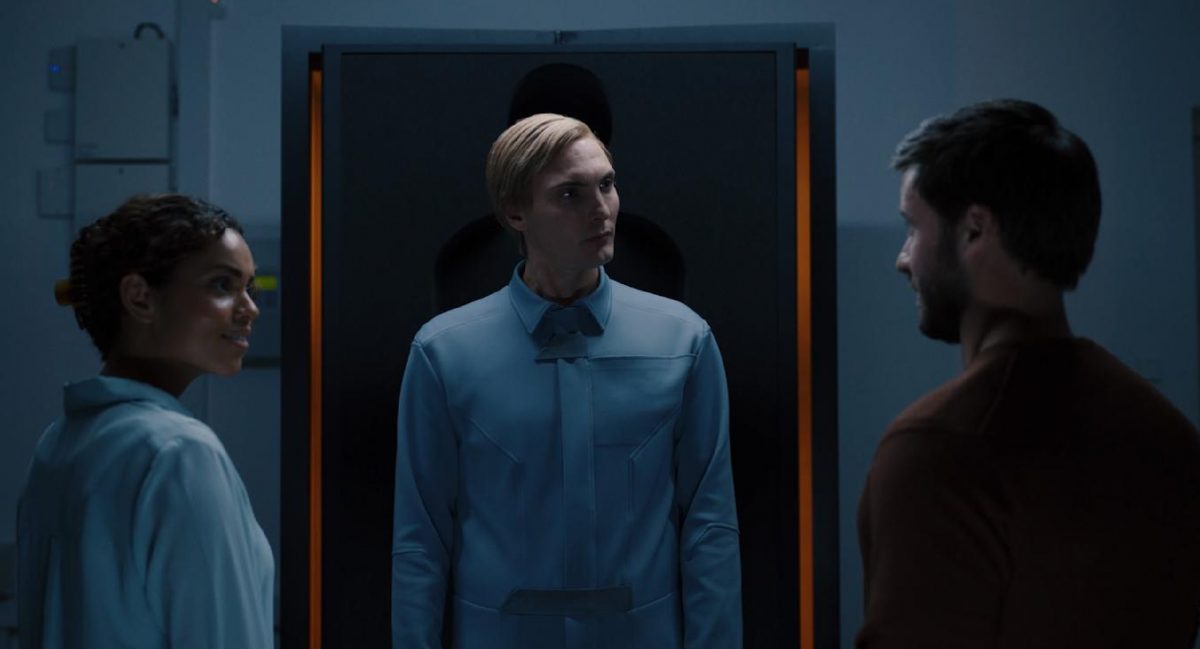
T.I.M., directed by Spencer Brown, presents an intriguing concept that revolves around the integration of artificial intelligence into daily life. The film delves into the implications of human-AI relationships, exploring the intricacies of dependence, emotional connection, and ethical boundaries. However, while the film starts with a promising premise, it fails to fully capitalize on its potential, resulting in a lukewarm cinematic experience that leaves much to be desired.The narrative centers around Abi (Georgina Campbell) and her husband Paul (Mark Rowley) as they move into a new house. The stage is set when Abi is offered the prototype model of T.I.M. (Eamon Farren), a “Technologically Integrated Manservant,” designed to assist and support the couple in their new life. The initial character setup showcases Abi’s skepticism and Paul’s excitement about T.I.M., creating an interesting dynamic that could have been further developed.The Bad:Unfortunately, the character development remains shallow throughout the film. Abi’s internal conflict of accepting an AI into her life is hinted at, but her transformation lacks depth and nuance. Paul’s enthusiasm for T.I.M. is somewhat one-dimensional, leaving the audience yearning for a deeper exploration of his motivations. T.I.M., as the AI focal point of the film, possesses the most potential for complexity, yet the script hardly scratches the surface of his emotional evolution.The film’s strength lies in its exploration of relevant themes such as human-AI interaction, ethics in technology, and the blurred lines between companionship and artificiality. The initial interaction between Abi and T.I.M. suggests a journey toward a profound connection that challenges conventional definitions of relationships. Yet, the narrative hesitates to push boundaries, settling for a safer, more predictable trajectory.The film’s examination of AI ethics raises pertinent questions about the consequences of relying on technology for emotional support and personal fulfillment. However, these inquiries are never fully dissected or satisfyingly answered. The potential for complex discourse remains untapped, and the film settles for a more surface-level exploration of these themes.Spencer Brown’s direction demonstrates both promise and inconsistency. The film’s pacing, particularly in the first act, is deliberate, allowing for an intriguing buildup. However, this pacing becomes a double-edged sword, as the narrative’s languid development hampers the audience’s investment in the characters and their dilemmas.The Good:The cinematography, while competent, lacks a distinct visual style that would elevate the storytelling. The production design successfully conveys the integration of AI into domestic spaces, yet fails to fully capitalize on the futuristic setting’s potential for visual storytelling. As a result, the film visually feels like a missed opportunity to enhance the narrative’s impact.Georgina Campbell, Mark Rowley, and Eamon Farren deliver respectable performances, given the constraints of the script. Campbell manages to portray Abi’s internal conflict, although the script’s shallowness limits her ability to truly immerse herself in the role. Rowley brings a convincing level of enthusiasm to Paul’s character, but again, the script’s limitations hinder his potential for depth. Eamon Farren’s portrayal of T.I.M. presents a challenge, as he must convey an evolving AI personality. While his performance is adequate, the script does not offer enough material for him to fully showcase his acting range.Overall:T.I.M. showcases a captivating premise that explores the complex dynamics between humans and AI. However, the film falls short of delivering a thought-provoking and emotionally resonant experience. The shallow character development, the missed opportunities for thematic exploration, and the inconsistent direction all contribute to a film that leaves audiences wanting more. Despite the potential, T.I.M. remains trapped in its own constraints, ultimately resulting in a middling cinematic effort that fails to fully engage or challenge its viewers. T.I.M. Review: A Promising Premise Hindered by Shallow Execution Acting – 7/10 Cinematography/Visual Effects – 5/10 Plot/Screenplay – 5/10 Setting/Theme – 5/10 Watchability – 5/10 Rewatchability – 3/10
Publisher: Source link






Earth’ Season 2 Casts Peter Dinklage as Series Regular
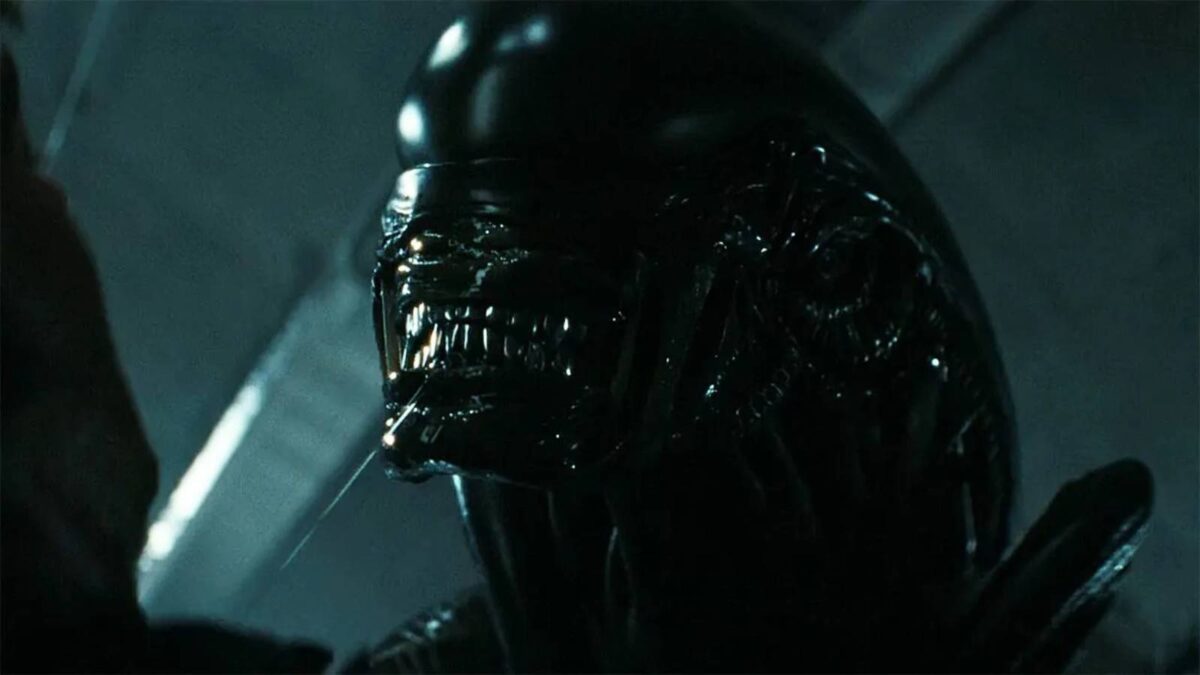
While screenwriter, television showrunner, and director Noah Hawley is already lining up his next feature film project, that seemingly hasn't stopped developments on the second season of Alien: Earth. The series, which premiered on FX last year, was a project…
Apr 10, 2026

‘Foundation’s Lee Pace Teases Even “Bigger” Story in Season 4
The return of Apple TV’s critically acclaimed, yet somehow still sorely underrated, three-part science fiction epic has just been given the perfect hype, with a returning star not only offering a production update but also calling the next outing “bigger”…
Apr 9, 2026
![‘Star Wars: Maul – Shadow Lord’ Is the Perfect Jumping-on Point for Newcomers [Exclusive]](https://www.filmibee.com/wp-content/uploads/2026/04/Star-Wars-Maul-Shadow-Lord-Is-the-Perfect-Jumping-on-1200x675.jpg)
‘Star Wars: Maul – Shadow Lord’ Is the Perfect Jumping-on Point for Newcomers [Exclusive]
Lucasfilm and Disney are jumping back into the animated Star Wars universe with the release of Star Wars: Maul — Shadow Lord, centered on Sam Witwer's iconic animated Sith villain. Spinning off from Star Wars: The Clone Wars, Shadow Lord…
Apr 8, 2026

Netflix’s ‘Detective Hole’ Is Now a Global Streaming Sensation
Netflix is no stranger to great crime thrillers, and its newest series is no exception. While the streaming service is already home to such modern classics as Mindhunter, Ozark, and The Stranger, its new show can easily be counted among…
Apr 7, 2026