“The Best Tool for Capturing Human Behavior”: Editors Axel Danielson and Maximilien Van Aretryck on Fantastic Machine
Jan 30, 2023
Fantastic Machine, courtesy of Sundance Institute.
Co-directors, cinematographers, producers and editors Axel Danielson and Maximilien Van Aretryck embark on a meticulous dissection of “image-making and a mapping of its movement through society” in Fantastic Machine, the duo’s documentary that utilizes a large catalogue of archival footage to make its point. Danielson and Aretryck discuss the intricate editing process they undertook for the film along with another co-editor Mikel Cee Karlsson.
See all responses to our annual Sundance editor interviews here.
Filmmaker: How and why did you wind up being the editor of your film? What were the factors and attributes that led to your being hired for this job?
Danielson & Van Aretryck: In our company every director edits their own films. We help each other with our films on different stages and it’s natural for us to work closely together. Our editor Mikel Cee Karlsson joined us in the last 7 months of editing, to work on the structure of the film.
Filmmaker: In terms of advancing your film from its earliest assembly to your final cut, what were goals as an editor? What elements of the film did you want to enhance, or preserve, or tease out or totally reshape?
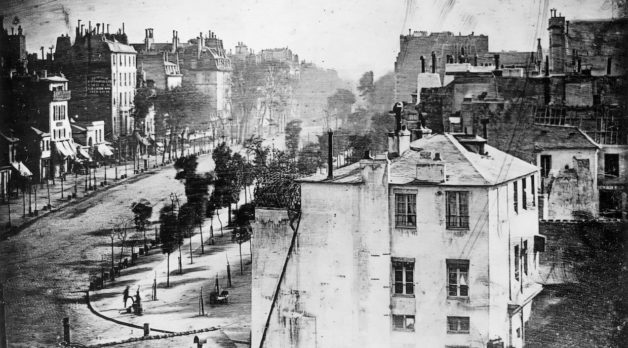
Danielson & Van Aretryck: Content came first in this film, and structure is what we spent most time working on in the editing. We used a script to help build the film’s structure, but it really emerged hands-on in the editing. When our colleague Mikel Cee Karlsson came onboard as our editor, the film really started to take shape. Two structures emerged: one historical, from 1828 to today, and another one which was more associative and made it possible to keep a strong dynamic in the composition.
Filmmaker: How did you achieve these goals? What types of editing techniques, or processes, or feedback screenings allowed this work to occur?
Danielson & Van Aretryck: Public screenings have been important to us. We use both surveys with questions, but above all it is about being in the room and feeling the audience’s reactions, to understand the ups and downs in the rhythm of the film.
Filmmaker: As an editor, how did you come up in the business, and what influences have affected your work?
Danielson & Van Aretryck: Everyone at Platform Produktion (our production company) is actually trained as a director. We look more at editing as a composition, rather than that of building dramaturgical arcs.
We like filmmaker Sergey Dvortsevoy who has said something along the lines of: “Why cut, if the image is interesting?” And Bogdan Dziworski, who talks about the editing of his films like the composition of a classical musical piece.
Filmmaker: What editing system did you use, and why?
Danielson & Van Aretryck: We use Adobe Premiere Pro for all our films.
Filmmaker: What was the most difficult scene to cut and why? And how did you do it?
Danielson & Van Aretryck: Something we’ve worked really hard on is the first five minutes. How do we establish the premise, add the right energy and capture the audience’s interest?
Filmmaker: What role did VFX work, or compositing, or other post-production techniques play in terms of the final edit?
Danielson & Van Aretryck: We use a lot of very old footage and were able to enhance it with AI software.
Filmmaker: Finally, now that the process is over, what new meanings has the film taken on for you? What did you discover in the footage that you might not have seen initially, and how does your final understanding of the film differ from the understanding that you began with?
Danielson & Van Aretryck: That the camera is by far the best tool for capturing human behavior. It captures both exactly how something looks, but also captures the ambitions in front of, and behind the camera!
Publisher: Source link



![Born Again’ Stars Explain Why Bullseye Is So Dangerous in Season 2 [Exclusive]](https://www.filmibee.com/wp-content/uploads/2026/03/Born-Again-Stars-Explain-Why-Bullseye-Is-So-Dangerous-in-1200x675.jpg)
Born Again’ Stars Explain Why Bullseye Is So Dangerous in Season 2 [Exclusive]
Along with Charlie Cox's Matt Murdock and Vincent D'Ofnorio's Wilson Fisk, Daredevil: Born Again Season 1 brought back one of The Man Without Fear's most notorious villains: Wilson Bethel's Benjamin Poindexter, better known as Bullseye. Not only was he back…
Mar 19, 2026
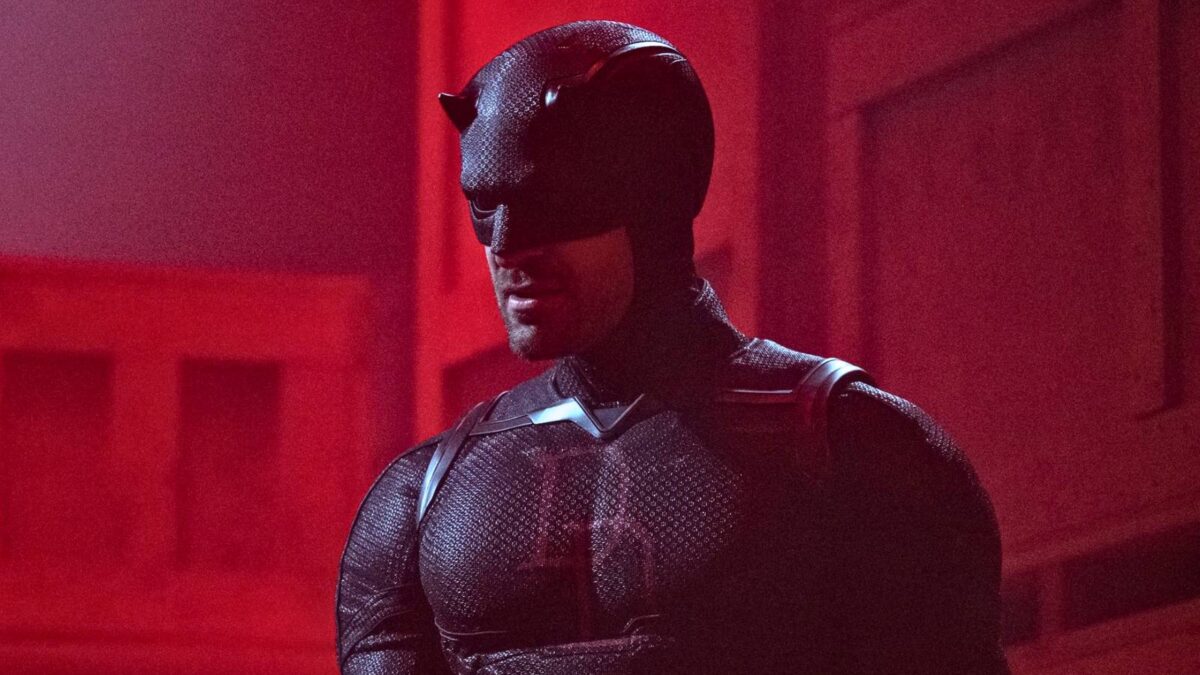
Born Again’ Showrunner Confirms ‘Avengers’ Character Is Key to Street Level MCU [Exclusive]
Ahead of the Avengers' return to the big screen later this year, Marvel Studios will return to street-level storytelling with the second season of Daredevil: Born Again on Disney+. Along with making the show canon to everything that happened in…
Mar 18, 2026
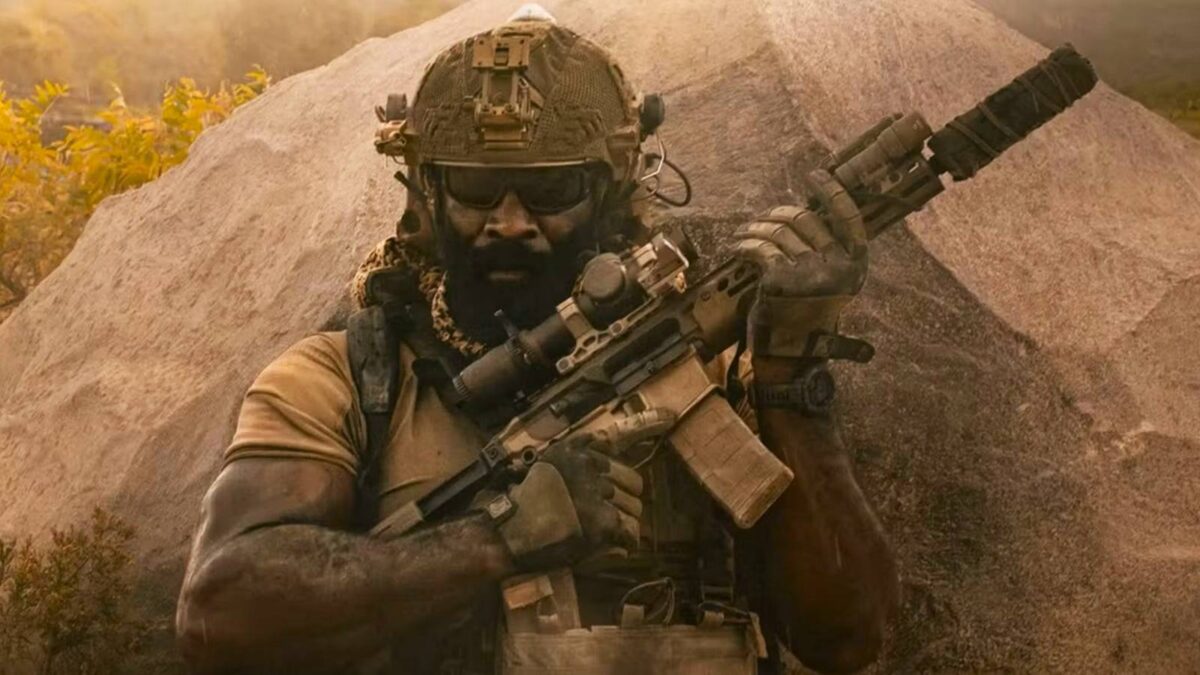
Taylor Sheridan’s Underrated Action Thriller Series Roars to Streaming Success
It’s now been two years since we last saw anything from the underrated action thriller series created by Yellowstone’s Taylor Sheridan, but having finally had some promising word about the new season, the show has now shot up the streaming…
Mar 17, 2026
Netflix’s ‘One Piece’ Fails To Replicate Success of Season 1 on Streaming
It's been a little over two months since Stranger Things came to an epic conclusion on Netflix that left a massive hole in our hearts in more ways than one. However, the show's biggest replacement in terms of sheer production…
Mar 16, 2026