The Big Crash Featured, Reviews Film Threat
Nov 14, 2024
Kinji Fukasaku has been a notable director of Japanese cinema since the 1960s. Most famous for his crime and chaotic action films, Fukasaku made a name for himself directing gritty Yakuza thrillers like Battle Without Honor and Humanity in 1973 and the Japanese segments of the WWII epic Tora Tora Tora in 1970. But, at the end of his career, Fukasaku changed cult cinema forever with his dystopian masterpiece Battle Royale, released in 2000. Initially released in 1976, Violent Panic: The Big Crash feels at home in the crime-ridden filmography of Fukasaku yet displays the influence that would lead him to Battle Royale 24 years later. Produced by the Toei Company (known for the original Power Rangers series Super Sentai), Violent Panic is a masterclass in action film-making while carrying the rebellious sensibility of cinema in the 1970s.
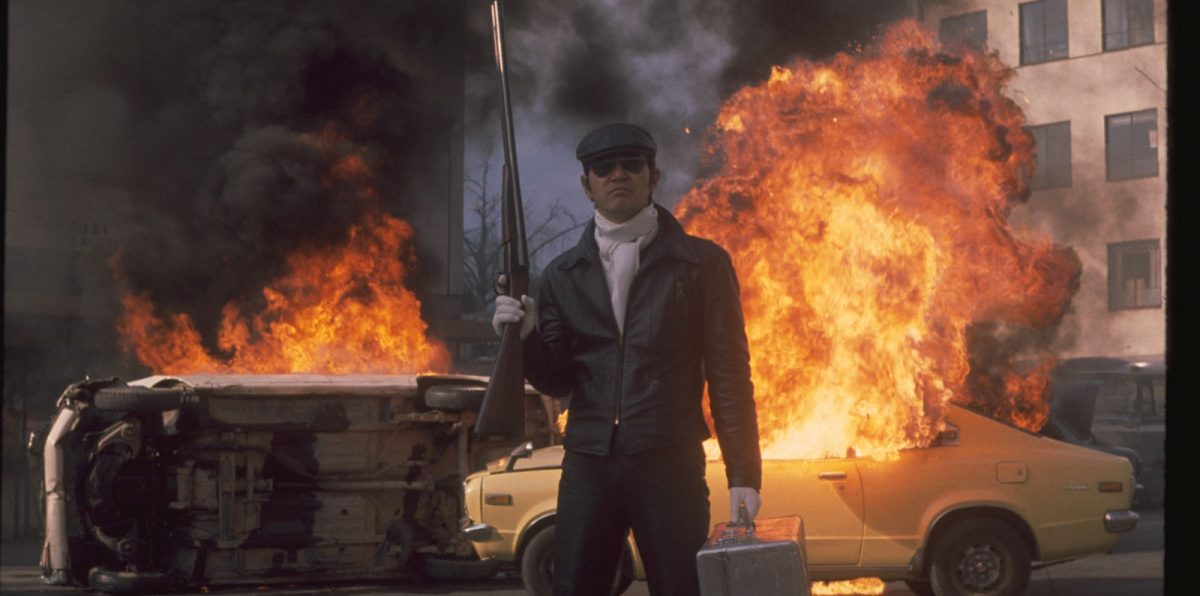
Violent Panic opens with an intense bank robbery—two masked robbers, six million yen, and out in less than three minutes. It’s an adrenaline shot of a heist as Takashi (Tsunehiko Watase) eyes a bigger prize, a few million more, and then an easy life in Brazil, far from the dangers of Japan and the notice of any police. Takashi is torn at the prospect of leaving his lover, Michi (Miki Sugimoto), but in his mind, it’s all part of the game; bank robbers have no room for heart. But when Takashi’s partner is killed in an escape, Michi and his killer instinct may be the only thing between him and a life behind bars.
“…an intense bank robbery—two masked robbers, six million yen…”
Despite the departure from the Yakuza genre, Fukasaku still creates a gripping world of slick, charismatic characters. It’s a film filled with brutal, quick-to-the-trigger, cigarette-breathing bank robbers, and Watase is a star among them. He walks the line between enthralling and too ruthless well as he robs his way through Japan. Characters in the second act are often one-note or clash with the gritty crime world of Violent Panic, but few diminish from the atmosphere of danger throughout the narrative. In the third act, most characterization is secondary to the frantic car chase that takes Cinéma vérité influence to a different level of realness.
Fukasaku borrows from Jean Luc-Godard and Japanese New Wave contemporaries throughout Violent Panic, cementing the film equally in 70s Japan yet still feeling relevant in 2024. Shaky cam and quick cuts give each heist, car cash, and scrap a visceral authenticity, elaborating on Fukasaku’s Godard influence. Violent Panic displays all the tools Fukasaku used to reshape crime films with his Yakuza dramas and inspire legions of Battle Royale acolytes ranging from The Hunger Games to Squid Game. While middle sections drag on and rely on ill-timed comedy, none detract from the gripping final act or the chase sequences punctuating an otherwise classic crime film.
Fukasaku has built a legacy of style. From the mix of funky grooves to slow spaghetti western ballads on the soundtrack, Violent Panic takes influences from across cinema, furthering the stylish legacy of Fukasaku in every frame. The film boasts enough grizzled characters, epic gun fights, and pure “coolness” to make Tarantino or John Woo swoon. It’s classic Fukasaku from start to close, just dropping the “Yakuza.” Some B-plots feel out of place, but at just 85 minutes, Violent Panic is as fast and lethal as the banker robbers it depicts.
Publisher: Source link




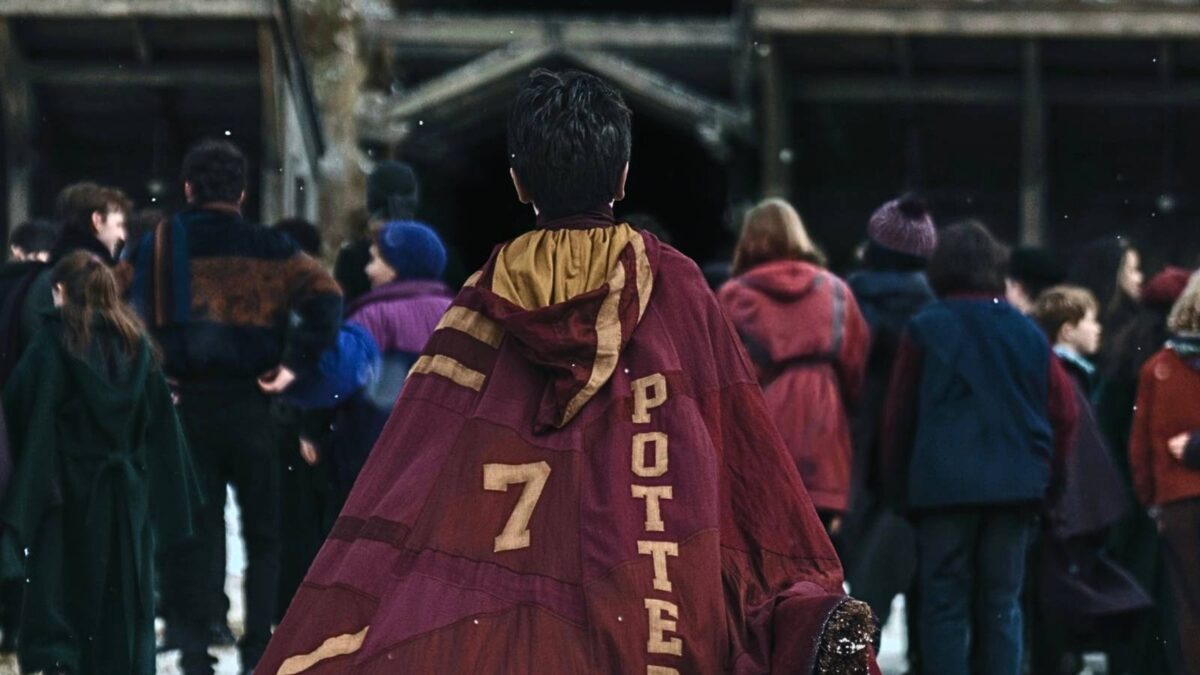
HBO ‘Harry Potter’ Series Image Reveals Dominic McLaughlin in Title Role
The first official look at HBO's upcoming reboot of Harry Potter has finally arrived, and it is already teasing a magical trailer release. As we inch closer to the show's expected 2027 release, the network has begun to reveal more…
Mar 25, 2026
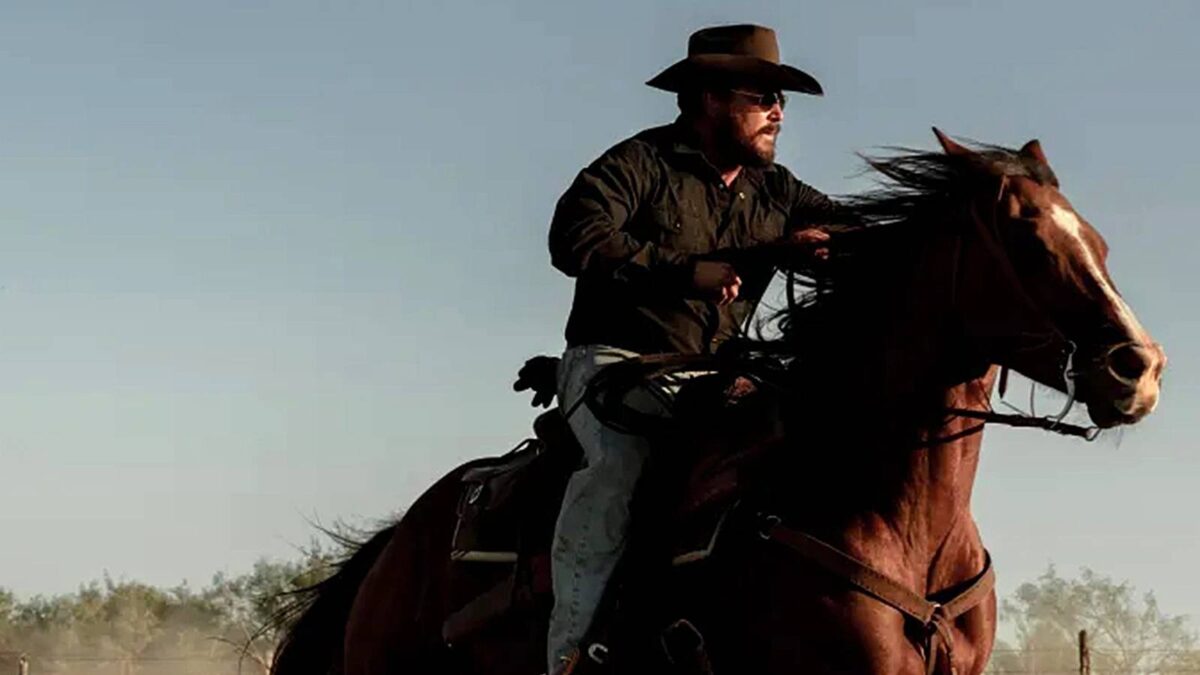
‘Dutton Ranch’ Trailer Reveals ‘Yellowstone’ Sequel Release Date
Rip Wheeler and Beth Dutton gamble everything on a new life in South Texas in the first trailer for the Yellowstone spin-off, Dutton Ranch. The footage reveals all manner of gun fights, fist fights, explosions, galloping horses, and even mysterious…
Mar 24, 2026
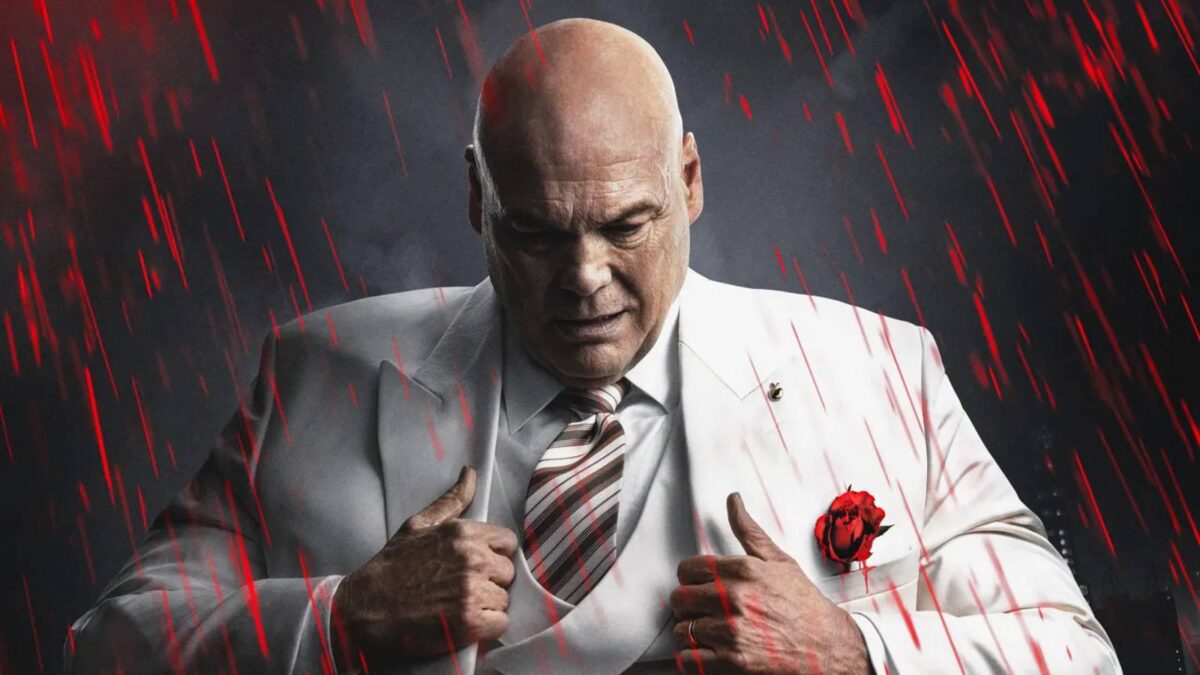
Born Again’ Showrunners Detail How the Media Ties into Season 2
Marvel is fast approaching the release of Daredevil: Born Again Season 2, marking its second live-action Disney+ show of 2026. Bringing back Charlie Cox's Matt Murdock and Vincent D'Onofrio's Wilson Fisk, this season picks up where Season 1 left off,…
Mar 23, 2026
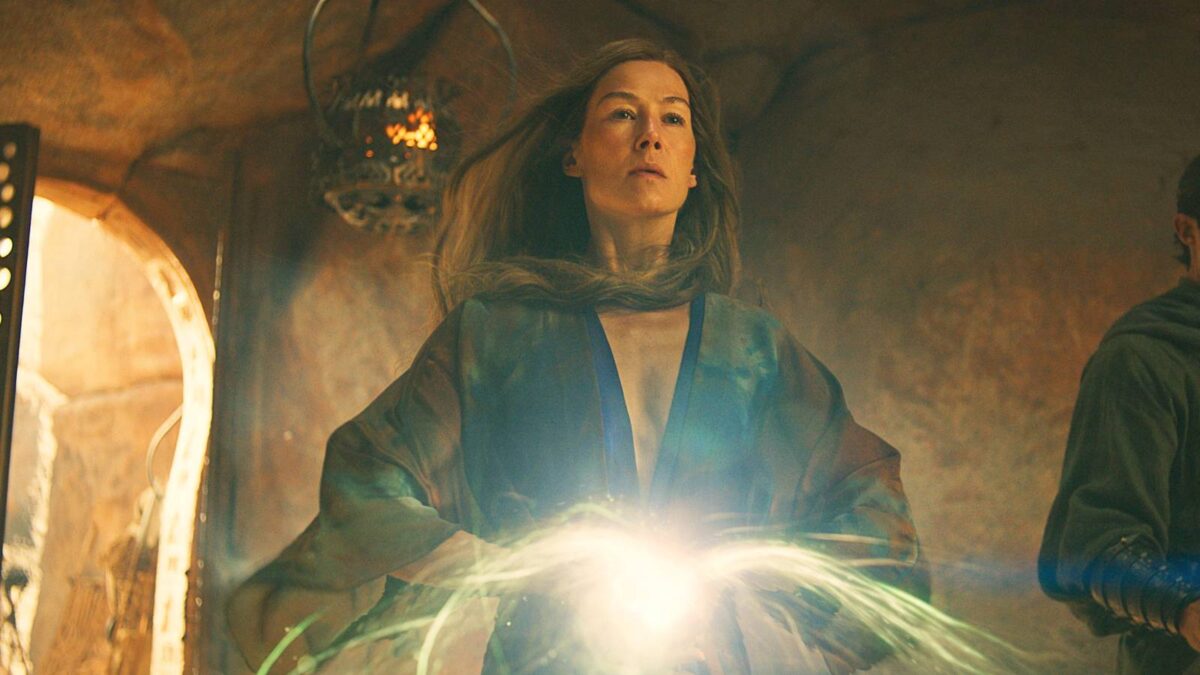
New ‘Wheel of Time’ Animated and Video Game Adaptations Are in the Works
Amazon might be finished with The Wheel of Time, but we haven't seen the end of the story when it comes to adaptations of Robert Jordan's bestselling high fantasy saga. Fans were left blindsided when Amazon abruptly pulled the plug…
Mar 22, 2026